
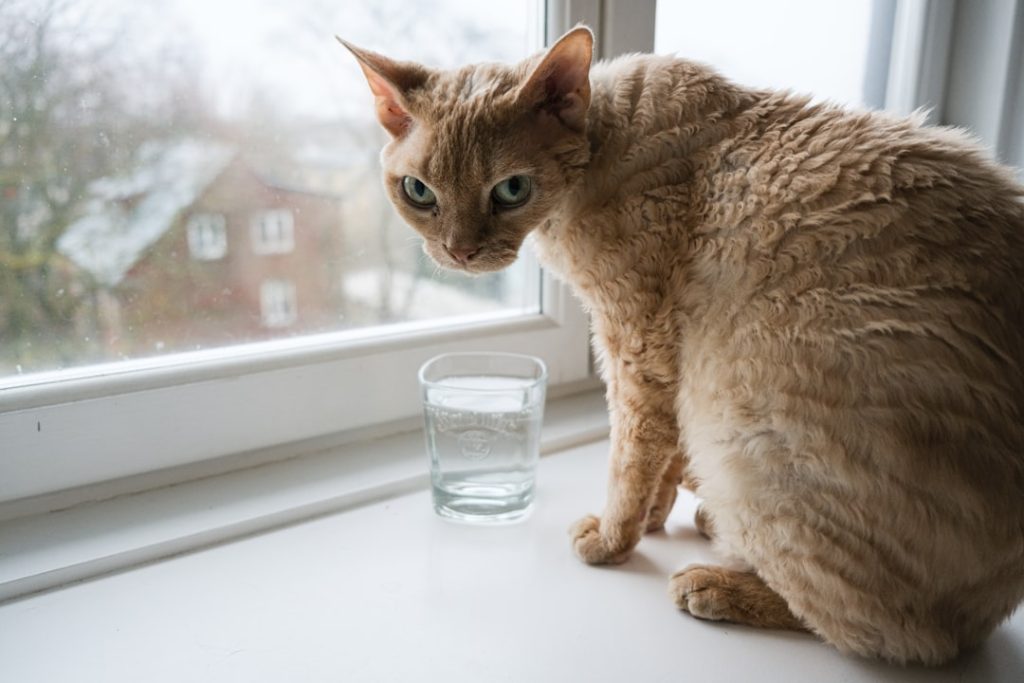
If you’ve noticed a strong, unpleasant smell coming from your cat’s litter box, it might be due to high acidity in their urine. This can cause discomfort for your cat and make cleaning up a daily struggle for you.
But don’t worry—there are simple and effective ways to lower acidity in your cat’s urine. By making a few changes to their diet and routine, you can help your furry friend stay healthier and your home smell fresher. Keep reading to discover easy tips you can start using right away to improve your cat’s well-being and bring peace back to your living space.
Causes Of High Acidity In Cat Urine
High acidity in cat urine can be troubling both for your feline friend and your home environment. Understanding what causes this acidity is the first step to managing it effectively. Let’s look at the main reasons behind this issue so you can tackle it with confidence and care.
Dietary Factors
Your cat’s diet plays a huge role in the acidity of their urine. Foods high in protein, especially those rich in animal-based ingredients, can increase urine acidity. Dry kibble often contains additives that may raise acidity levels, while wet food tends to have a more balanced pH.
Think about your cat’s meals: are you feeding primarily dry food or a mix? Adding fresh water-rich foods or switching to a specialized diet can make a noticeable difference in urine pH.
Health Conditions
Certain health issues can cause urine to become more acidic. Urinary tract infections (UTIs), kidney problems, and metabolic disorders often change the pH balance in your cat’s urine. If you notice changes in your cat’s litter box habits or any discomfort, it’s crucial to consult your vet promptly.
Have you ever seen your cat strain while urinating or notice blood in the urine? These signs might indicate underlying health problems affecting acidity.
Dehydration Effects
Dehydration is a common but often overlooked cause of high urine acidity. When your cat doesn’t drink enough water, their urine becomes concentrated and more acidic. This can increase the risk of urinary crystals and stones, leading to pain and infections.
Encourage your cat to drink more by offering fresh water regularly or adding water to their food. Have you noticed your cat avoiding water bowls? Sometimes a water fountain can spark their interest.
Signs Of Acidic Urine In Cats
Recognizing the signs of acidic urine in your cat is crucial for early intervention. Cats can’t tell you when they’re uncomfortable, so you need to watch for subtle hints. Paying attention to changes in behavior, physical symptoms, and litter box habits can help you catch the problem before it worsens.
Behavioral Changes
Your cat might suddenly become more restless or irritable. They may spend more time licking their genital area or seem reluctant to jump or play. Have you noticed your cat hiding more often or acting unusually withdrawn? These shifts often signal discomfort linked to acidic urine.
Physical Symptoms
Look for signs like frequent licking of the urinary opening, blood in the urine, or a strong ammonia-like smell. Your cat might also strain while urinating or produce only small amounts of urine. These symptoms indicate irritation and inflammation caused by acidic urine, which needs prompt attention.
Litter Box Clues
Changes in your cat’s litter box habits are one of the easiest signs to spot. You might find your cat urinating outside the box or notice unusually strong-smelling urine. The litter could show signs of blood or discomfort-related behaviors like scratching excessively around the box. Are you monitoring these details daily? They can reveal a lot about your cat’s urinary health.
Diet Adjustments To Lower Urine Acidity
Adjusting your cat’s diet can be a game-changer in managing urine acidity. A balanced diet not only supports overall health but also helps maintain optimal urinary pH levels. Let’s dive into some actionable insights to make effective diet adjustments for your feline friend.
Choosing The Right Food
Choosing the right cat food is crucial in lowering urine acidity. Look for foods that are specially formulated to promote urinary health. These often have controlled levels of minerals like magnesium, phosphorus, and calcium, which can help prevent the formation of crystals and stones.
Reading labels is key. Opt for brands that emphasize balanced nutrition with a focus on urinary health. Remember, what your cat eats directly impacts their internal health.
Incorporating Wet Food
Wet food can be an excellent addition to your cat’s diet. It provides higher moisture content, which can dilute the urine, reducing acidity. Consider slowly introducing more wet food if your cat primarily eats dry kibble.
I once switched my cat to a diet incorporating more wet food, and the results were noticeable. Not only did it improve her urinary health, but it also added a delightful variety to her meals.
Avoiding Acidic Ingredients
Avoiding certain ingredients can also help manage urine acidity. Ingredients like fish, liver, and grains can sometimes increase acidity levels. Check if these are present in large quantities in your cat’s current diet.
Instead, focus on foods with lean meats and vegetable proteins. Have you checked the ingredients in your cat’s food lately? It might surprise you to see what’s inside.
Diet adjustments can seem overwhelming, but they are a vital part of maintaining your cat’s urinary health. Pay attention to what you feed them, and you might just save yourself from future vet visits. What changes will you make today for your furry friend’s health?

Credit: www.petfoodprocessing.net
Hydration Strategies For Cats
Keeping your cat well-hydrated is key to lowering the acidity in their urine. Proper hydration helps dilute the urine, reducing the risk of crystal and stone formation that can cause discomfort and health issues. Let’s explore some practical ways to boost your cat’s water intake and support their urinary health.
Encouraging Water Intake
Some cats just don’t drink enough water on their own. You can encourage them by placing multiple water bowls around your home—sometimes cats prefer different locations or bowl styles.
Try using shallow bowls or plates since some cats dislike deep containers. Change the water frequently to keep it fresh and appealing. Have you noticed your cat drinks more when the water is cooler? Experiment with temperatures to find what works best.
Using Water Fountains
Many cats prefer running water to still water. Pet water fountains keep water moving and oxygenated, which can entice your cat to drink more.
Water fountains often have filters that improve taste and cleanliness. When I switched to a fountain, my cat’s water intake noticeably increased within days. Could a fountain be the simple change your cat needs?
Adding Broth Or Wet Food
Wet food naturally contains a high amount of moisture, making it an excellent way to increase your cat’s hydration. If your cat is a picky eater, mixing a little broth with their dry food can make meals more tempting.
Choose low-sodium, onion-free broths to keep it safe and healthy. You might find your cat eagerly lapping up the broth, adding valuable fluids without you having to push water bowls.
Supplements And Remedies
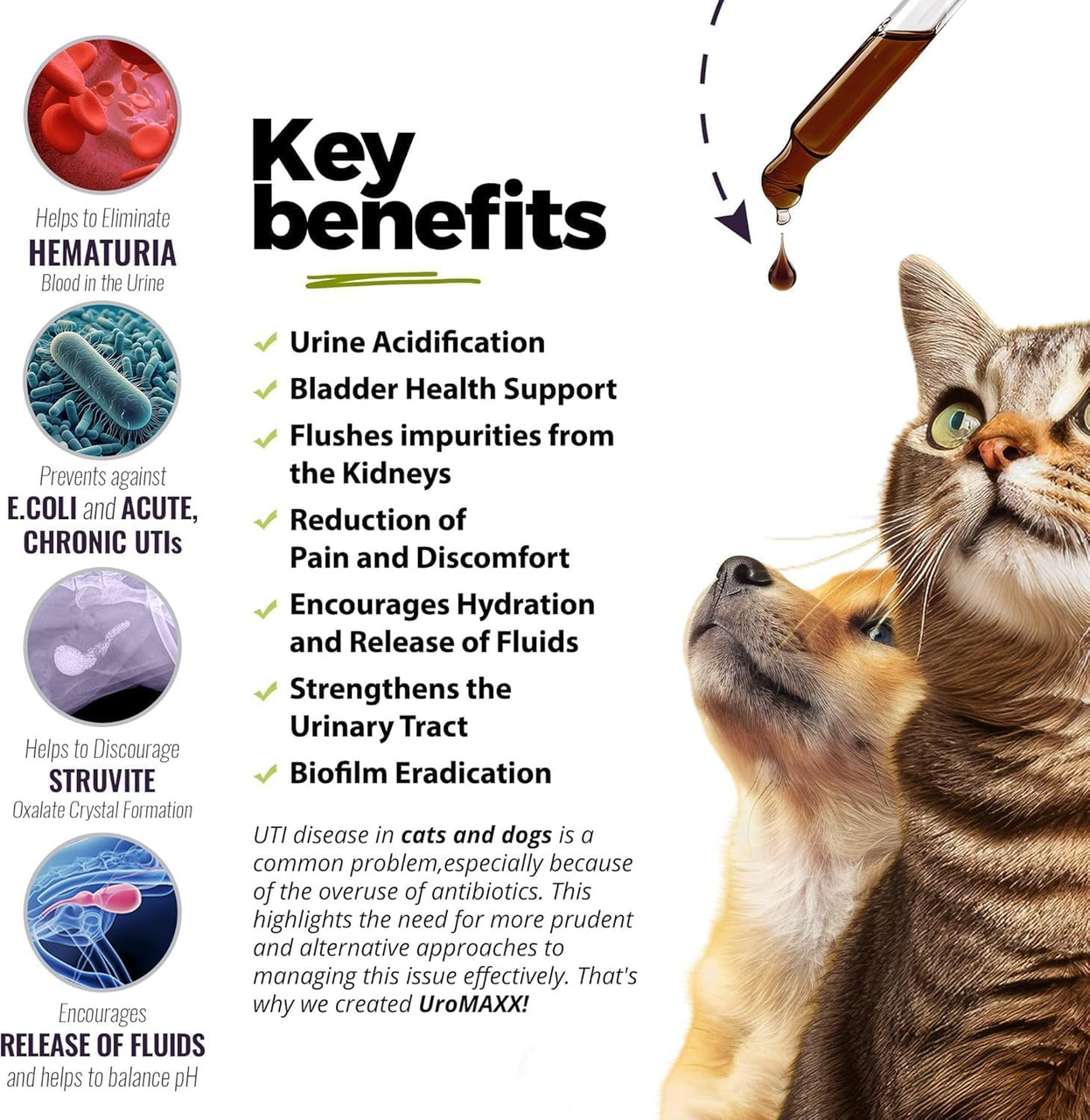
Supplements and remedies can help balance your cat’s urine acidity. Managing acidity reduces the risk of urinary problems and discomfort. Some options support healthy pH levels naturally. Others require veterinary guidance for safety and effectiveness.
Natural Supplements
Natural supplements often contain ingredients that soothe the urinary tract. Cranberry extract is popular for reducing acidity and preventing infections. It helps maintain a healthy urine environment.
Other helpful supplements include:
- Omega-3 fatty acids to reduce inflammation
- Vitamin C to support urinary tract health
- Marshmallow root to calm irritation
- DL-methionine, an amino acid that can lower urine pH
Always choose high-quality products made for cats. Monitor your cat’s reaction and consult your vet if unsure.
Veterinary Prescribed Options
Some cases need veterinary-prescribed supplements or medications. Prescription diets are specially formulated to control urine acidity. They reduce crystals and stones risk effectively.
Veterinarians may also prescribe:
- Urinary acidifiers or alkalinizers depending on the condition
- Antibiotics if infection is present
- Medications to manage pain or inflammation
Never give prescription treatments without vet approval. Regular check-ups ensure proper management and adjustment of care.

Credit: vecado.com
Environmental And Lifestyle Changes
Environmental and lifestyle changes play a vital role in managing the acidity of your cat’s urine. Adjusting your cat’s surroundings and daily habits can make a significant difference in their health. These changes often go unnoticed but can reduce stress and promote healthier urinary habits.
Stress Reduction Techniques
Stress can directly affect your cat’s bladder health, causing changes in urine acidity. You might notice your cat urinating outside the litter box or marking more when stressed. To help, create a calm and stable environment with quiet spaces and familiar scents.
Try adding interactive toys or puzzle feeders to keep your cat mentally engaged. Regular playtime not only reduces anxiety but also encourages healthy hydration, which can lower urine acidity. Have you observed if your cat’s behavior changes when there’s loud noise or new visitors?
Maintaining Clean Litter Boxes
Your cat’s litter box hygiene impacts their willingness to use it and their urinary health. A dirty litter box can stress your cat, leading to holding urine longer and increasing acidity. Clean the box daily and change litter regularly to keep it fresh.
Consider using unscented, clumping litter that absorbs moisture well. Place multiple litter boxes in quiet, easily accessible locations if you have more than one cat. Have you checked if your cat avoids the litter box due to cleanliness issues?
When To See A Veterinarian
Knowing when to see a veterinarian is crucial if you’re trying to lower acidity in your cat’s urine. Ignoring warning signs can lead to serious health problems. Recognizing these signs early can save your cat discomfort and prevent complications.
Persistent Symptoms
If your cat continues to show signs of discomfort while urinating, it’s time to get professional help. Symptoms like frequent urination, straining, or blood in the urine that last more than a day or two should not be ignored. Even if you’ve adjusted their diet or water intake, persistent issues mean something deeper might be going on.
Have you noticed your cat licking its genital area excessively or vocalizing pain during urination? These are red flags. Quick action can prevent infections or blockages from worsening.
Possible Underlying Diseases
Acidic urine can be a symptom of several underlying diseases that require veterinary diagnosis and treatment. Conditions like urinary tract infections, bladder stones, or kidney problems often cause changes in urine acidity.
Some cats develop feline lower urinary tract disease (FLUTD), which can be life-threatening if untreated. Only a vet can run the necessary tests to pinpoint the exact cause and suggest the right treatment.
Have you thought about how a simple urine test could reveal hidden health issues? Don’t wait until symptoms worsen—early diagnosis improves outcomes.
Credit: www.abetterwaypetcare.com
Frequently Asked Questions
What Causes High Acidity In Cat Urine?
High acidity in cat urine is mainly caused by diet, dehydration, and urinary tract infections. Acidic urine can lead to crystals and stones. Feeding a balanced diet and ensuring proper hydration helps maintain healthy urine pH levels.
How Can Diet Lower Cat Urine Acidity?
Feeding cats wet food and avoiding high-protein dry food reduces urine acidity. Special urinary diets contain ingredients that help neutralize acid. Always consult a vet before changing your cat’s diet for acidity control.
Does Water Intake Affect Cat Urine Acidity?
Yes, increased water intake dilutes urine and lowers acidity. Providing fresh water and using water fountains encourage cats to drink more. Proper hydration helps prevent urinary crystals and keeps urine pH balanced.
Are Supplements Effective For Reducing Urine Acidity?
Certain supplements like potassium citrate can help neutralize urine acidity. These should only be used under veterinary guidance. Supplements support urinary health but must complement diet and hydration changes.
Conclusion
Controlling acidity in cat urine helps keep your cat healthy. Feed your cat a balanced diet with proper water intake. Regular vet visits catch problems early. Clean the litter box often to reduce odor and bacteria. Watch your cat’s behavior for any signs of discomfort.
Small changes can make a big difference. Take steps today to support your cat’s well-being. Healthy habits create a happier life for your pet.

Lily Purrington is the founder of MyKittyPicks.com, a cozy corner of the web dedicated to helping cat lovers discover the best cat products, furniture, toys, and home decor ideas.
A lifelong cat enthusiast, Lily shares trusted tips, honest product recommendations, and stylish inspiration designed to keep kitties happy and homes beautiful.
Her mission is simple: to bring together practical advice and purr-fect picks that make life better for cats and the people who love them.


