

If your couch foam has been ruined by cat urine, you know how frustrating and stubborn that smell can be. You might think the only option is to toss your favorite couch or cover it up with a blanket.
But what if you could actually get rid of the stain and odor for good? You’ll discover simple, effective steps to clean cat urine from your couch foam, saving your furniture and your sanity. Keep reading—you’ll learn how to tackle this problem quickly and with products you probably already have at home.
Identify The Affected Area
Identifying the affected area is crucial when dealing with cat urine on couch foam. The sooner you locate the exact spot, the easier it will be to clean and prevent lingering odors. You might think a quick sniff or glance is enough, but the problem often goes deeper than the surface.
Check For Visible Stains And Discoloration
Start by closely examining the couch for any visible yellow or dark stains. These marks often appear where the urine has soaked into the fabric or foam. Keep in mind that some stains might be faint and require good lighting to spot.
Use a flashlight held at an angle to highlight discoloration that’s hard to see. This simple trick helped me find spots I initially missed, saving time and effort later.
Trust Your Nose To Detect Hidden Spots
Even if you don’t see stains, the smell can guide you to the affected area. Cat urine has a strong, distinctive odor that often lingers long after the mess. Move close to the couch and sniff carefully around seams and cushions.
Sometimes, the smell is stronger in unexpected places, like under cushions or at the back of the couch. Have you ever noticed a faint but persistent odor that puzzled you? That’s likely a hidden spot needing attention.
Use A Blacklight For Precise Detection
A blacklight is a powerful tool to reveal urine spots invisible to the naked eye. Urine glows under ultraviolet light, making it easy to pinpoint even old or dried stains. If you don’t own one, they are inexpensive and available online or at pet stores.
Turn off the lights and shine the blacklight over the couch in a dark room. Watch for glowing patches on the foam or fabric. This method helped me discover a stubborn spot that I had tried to clean multiple times without success.
Remove Cushions To Inspect Foam Deeply
If your couch has removable cushions, take them off to check the foam inside. Urine often seeps beyond the surface fabric and into the foam padding. Feeling dampness or smelling urine in this deeper layer means you need to clean more than just the cover.
Press gently on the foam to detect moisture or lingering odor. It’s a step many skip, but it’s essential for thorough cleaning and odor removal.
Credit: www.marathonracine.com
Gather Necessary Supplies
Before you dive into cleaning cat urine from your couch foam, having the right supplies on hand makes the process smoother and more effective. Missing a key item can mean wasted time or even damage to your couch. Gathering everything upfront prepares you to tackle the mess quickly and thoroughly.
Cleaning Solutions
You’ll need a cleaner that breaks down the urine and neutralizes odors. Enzyme-based cleaners work best because they target the proteins in cat urine, eliminating the smell instead of just masking it. Avoid harsh chemicals like bleach, which can damage foam and fabrics.
Protective Gear
Handling urine and cleaning agents means protecting yourself is essential. Grab disposable gloves to keep your hands safe and avoid skin irritation. A mask can also help if you’re sensitive to odors or cleaning fumes.
Absorbent Materials
Paper towels or clean cloths are critical for blotting up as much urine as possible before applying any cleaner. Using something too abrasive might push the urine deeper into the foam. Have plenty of these on hand because you’ll need to repeat blotting multiple times.
Tools For Application And Drying
A spray bottle helps apply cleaning solutions evenly over the affected area without soaking it. After cleaning, a fan or hairdryer on a cool setting speeds up drying, preventing mold and lingering odors. You might also want a small brush to gently work the cleaner into the foam without damaging it.
Have you ever started cleaning only to realize you’re missing a key supply? That frustration is avoidable. Take a moment to gather these items and you’ll save time and effort in the long run.
Blot Excess Urine
Blot excess urine gently with a clean cloth to soak up as much liquid as possible. Press firmly but avoid rubbing to prevent pushing urine deeper into the foam. Repeat until the area feels mostly dry.
Accidents happen, and dealing with cat urine on your couch foam can be a frustrating experience. However, the key to tackling this issue effectively is to start by blotting the excess urine. This initial step is crucial as it prevents the urine from seeping deeper into the foam, making it easier to clean later. With a few simple techniques, you can minimize the mess and odor quickly.Blot Excess Urine Immediately
Time is of the essence when it comes to cat urine. Grab a clean, absorbent cloth or paper towels and press firmly onto the affected area. The goal here is to soak up as much of the urine as possible before it dries.Avoid Rubbing The Stain
Instead of rubbing, which can spread the urine further into the foam, focus on blotting. Keep pressing down until no more moisture is absorbed by the cloth. Be gentle yet firm to avoid damaging the fabric or foam.Use A Fresh Cloth For Better Absorption
Switch to a new cloth or paper towel once the first one becomes saturated. This ensures that you’re continually absorbing moisture rather than just moving it around. A fresh cloth will help you achieve better results quickly.Consider Using A Wet/dry Vacuum
If you have a wet/dry vacuum, this can be a game-changer. It can extract more moisture than cloths alone. This tool is particularly useful for larger spills or if the urine has penetrated deeper into the foam.Reflect On Your Cleaning Habits
Have you ever thought about how prompt actions can save you time and hassle? Reflect on this as you handle the situation. Your quick response can make a significant difference in preserving your couch. Addressing cat urine promptly can save your couch from long-term damage. By following these steps, you can effectively manage the situation and maintain your furniture’s condition.Use Enzymatic Cleaners
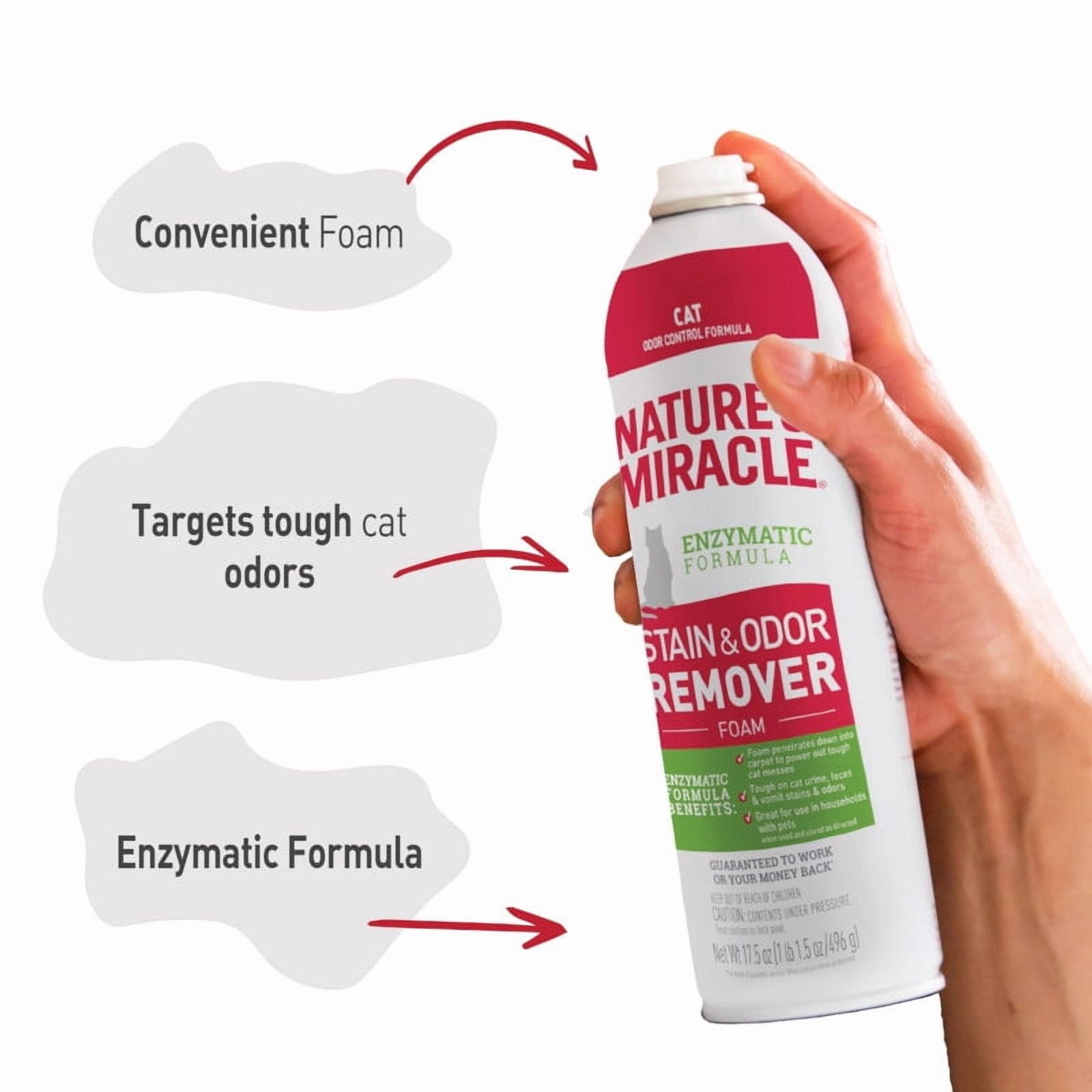
Using enzymatic cleaners is an effective way to remove cat urine from couch foam. These cleaners contain natural enzymes that break down urine molecules. This process eliminates odors and prevents cats from urinating in the same spot again.
Enzymatic cleaners are safe for most fabrics and foam materials. They work deep inside the foam where urine often seeps. This makes them better than regular cleaners that only mask the smell.
Why Enzymatic Cleaners Work
Enzymatic cleaners contain enzymes that digest urine components. They break down proteins and uric acid crystals found in cat urine. This stops the smell at its source.
Regular cleaners cannot dissolve these crystals. Enzymatic cleaners target the problem molecules. This prevents stains and odors from coming back.
The enzymes continue working even after drying. This ensures a thorough clean inside the couch foam. It also reduces the chance of your cat marking the area again.
Applying The Cleaner Properly
Start by removing any solid waste and blotting excess urine. Use a clean cloth or paper towel to soak up moisture.
Spray the enzymatic cleaner generously on the affected foam. Make sure to cover the entire stained area. The cleaner needs direct contact with urine residues.
Let the cleaner sit and work for at least 15 to 30 minutes. Some products may require longer, so check the label instructions.
Avoid rinsing or wiping the area immediately. This allows enzymes to break down urine fully. After the waiting period, blot the foam gently to remove excess cleaner.
Repeat the process if the smell or stain persists. Proper application improves cleaning results and keeps your couch fresh.
Diy Cleaning Solutions
DIY cleaning solutions for removing cat urine from couch foam can be surprisingly effective and budget-friendly. Using common household ingredients, you can tackle stubborn odors and stains without harsh chemicals. These methods not only save money but also allow you to control exactly what goes onto your furniture.
Vinegar And Baking Soda Method
Start by blotting the area with paper towels or a clean cloth to soak up as much urine as possible. Then, mix equal parts white vinegar and water in a spray bottle and generously spray the affected foam. Vinegar neutralizes the ammonia smell, making it easier to get rid of the odor.
After spraying, sprinkle a layer of baking soda over the area while it’s still damp. Baking soda absorbs moisture and odors effectively. Let the mixture sit for several hours or overnight to work its magic.
Once dry, vacuum the baking soda thoroughly. You might need to repeat this process if the smell lingers. Have you noticed how simple ingredients often outperform expensive cleaners in odor removal?
Hydrogen Peroxide Approach
This method works well for tougher stains and odors. Combine 1 cup of hydrogen peroxide (3%), 3 tablespoons of baking soda, and a few drops of liquid dish soap in a spray bottle. Shake gently to mix but avoid creating too many bubbles.
Spray this solution onto the foam and gently scrub with a soft brush or cloth. Hydrogen peroxide breaks down the urine compounds, while baking soda and soap aid in deodorizing and cleaning.
Allow the foam to air dry completely. Keep in mind that hydrogen peroxide can bleach some fabrics, so test a small hidden area first. Would you try this solution on your couch knowing its powerful cleaning abilities?
Credit: www.walmart.ca
Deep Cleaning The Foam
Deep cleaning the foam inside your couch is essential to fully remove cat urine odors and stains. Surface cleaning alone won’t reach the urine trapped deep within the cushion. You need to soak and rinse the foam thoroughly to break down the urine crystals and bacteria.
Soaking Techniques
Start by filling a large basin or bathtub with lukewarm water. Add a gentle enzymatic cleaner designed for pet stains—these enzymes target the proteins in urine, helping to neutralize the smell effectively.
Submerge the foam completely and let it soak for at least 30 minutes. If the smell is strong, extending the soak to an hour can make a big difference. Gently press the foam occasionally to help the cleaner penetrate deeper.
Have you noticed that using just water rarely fixes the problem? Enzymatic cleaners are key because they actually break down the urine rather than just masking the odor.
Rinsing And Drying Tips
After soaking, rinse the foam under cool running water until no suds remain. This step is crucial to remove all cleaning agents and urine residues. You don’t want leftover cleaner causing skin irritation or lingering smells.
Next, press the foam gently to squeeze out excess water, but avoid wringing it out to prevent damage. Place the foam in a well-ventilated area and let it air dry completely. Using a fan can speed up drying and reduce the chance of mold growth.
Have you ever left foam damp and ended up with a musty smell? Thorough drying is just as important as cleaning to keep your couch fresh and odor-free.
Preventing Future Accidents
Stopping cat urine stains on your couch foam starts with smart prevention. Cats often return to spots they marked before. The smell guides them back. Taking steps to block this can protect your furniture.
Setting up a safe, clean space helps your cat feel secure. Stress or confusion can cause accidents. Understanding your cat’s needs reduces problems. You want your couch to stay fresh and clean.
Deterrents For Cats
Use items cats dislike to keep them away from the couch. Try these simple deterrents:
- Place aluminum foil or double-sided tape on couch areas.
- Spray citrus-scented or vinegar solutions near the foam.
- Use commercial cat repellents designed for furniture.
- Provide alternative spots with soft bedding or cat trees.
These tricks gently discourage your cat without causing harm.
Maintaining A Clean Environment
Keep your home tidy to lower the chance of accidents. Clean litter boxes often to encourage use. Remove any urine odors quickly. Use enzyme cleaners for best results.
- Vacuum and wash couch covers regularly.
- Keep food and water bowls away from litter boxes.
- Reduce clutter so cats feel safe and less stressed.
- Offer daily playtime to keep your cat happy and active.
A clean, calm space helps your cat choose the right place to go.
When To Seek Professional Help
Knowing when to seek professional help for cat urine removal from your couch foam can save you time, frustration, and even your furniture. Some stains and odors are tough to handle on your own, especially if the urine has soaked deep into the foam. Recognizing the signs that indicate professional intervention is the key to restoring your couch effectively and preventing lingering smells or damage.
Signs That Diy Methods Aren’t Working
If you’ve tried multiple cleaning products and techniques but the smell or stain remains, it might be time to get help. Persistent odors despite repeated cleaning suggest the urine has penetrated too deeply. You might notice discoloration that doesn’t fade or a strong ammonia-like smell that lingers no matter what you do.
When The Couch Foam Is Severely Damaged
Urine can break down foam fibers over time, leading to a loss of cushioning and structural support. If your couch feels unusually firm or crumbly in the affected area, professional foam restoration or replacement might be necessary. Ignoring this can reduce comfort and cause further deterioration.
Health Concerns And Allergies
Cat urine contains ammonia and bacteria that can trigger allergies or respiratory issues. If you or someone in your household experiences increased sneezing, coughing, or irritation after cleaning attempts, consider contacting a professional. They have specialized equipment to thoroughly sanitize and deodorize your couch foam safely.
Complex Or Large-scale Stains
Multiple urine spots or stains covering a large area can be overwhelming to tackle on your own. Professionals can assess the extent of the damage and use industrial-grade cleaners and extraction tools. This ensures a deeper clean that’s hard to achieve with household products.
Access To Specialized Equipment And Products
Professional cleaners use powerful enzymes and steam cleaners designed specifically for pet urine removal. These tools reach deep into the foam, breaking down urine molecules and eliminating odors permanently. While tempting to save money by DIY, sometimes investing in expert services prevents repeated cleaning and wasted effort.

Credit: vacuumwars.com
Frequently Asked Questions
How Do I Remove Cat Urine Smell From Couch Foam?
To remove cat urine smell, first blot the area with paper towels. Use an enzyme cleaner to break down urine proteins. Let it sit, then rinse with cold water. Air dry completely to prevent odors and mold growth in the foam.
What Household Products Clean Cat Urine From Foam?
White vinegar and baking soda work well. Mix equal parts vinegar and water, spray on foam, and blot. After drying, sprinkle baking soda to absorb odors. Vacuum the foam once dry. Avoid harsh chemicals that can damage foam or worsen the smell.
Can I Use Enzyme Cleaners On Couch Foam?
Yes, enzyme cleaners are safe and effective. They break down urine molecules, eliminating odors. Apply generously and let it soak. Follow product instructions carefully to avoid damaging the foam. This method is one of the best for permanent odor removal.
How Long Does It Take To Dry Foam After Cleaning?
Drying time varies but usually takes 24 to 48 hours. Ensure foam is in a well-ventilated area. Use fans or a dehumidifier to speed drying. Avoid direct heat which can damage foam structure. Completely dry foam prevents mold and lingering smells.
Conclusion
Removing cat urine from couch foam takes patience and care. Act quickly to stop stains and smells from setting. Use gentle cleaners that break down urine without harm. Rinse and dry the foam thoroughly to avoid mold. Repeat treatments if needed for stubborn odors.
Keeping your couch fresh helps your home feel clean. Remember, small steps make a big difference in odor removal. Your efforts bring comfort back to your living space.

Lily Purrington is the founder of MyKittyPicks.com, a cozy corner of the web dedicated to helping cat lovers discover the best cat products, furniture, toys, and home decor ideas.
A lifelong cat enthusiast, Lily shares trusted tips, honest product recommendations, and stylish inspiration designed to keep kitties happy and homes beautiful.
Her mission is simple: to bring together practical advice and purr-fect picks that make life better for cats and the people who love them.


