
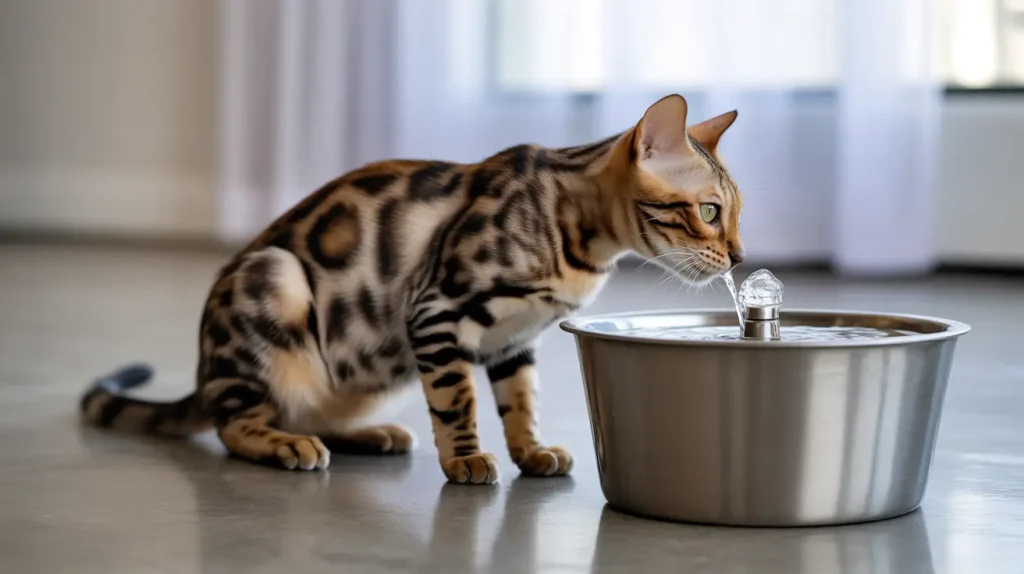
Have you ever wondered how many times a day your cat should urinate? Knowing this simple fact can tell you a lot about your furry friend’s health.
If your cat is going too often or not enough, it might be a sign of something serious. You’ll discover the normal frequency of cat urination, what changes you should watch for, and when it’s time to see a vet.
Keep reading to make sure your cat stays happy and healthy every day.
Normal Urination Frequency
Cats have a natural rhythm for urination that signals good health. Knowing their normal urination frequency helps you spot any problems early. It also ensures your cat stays comfortable and healthy. This section explains what normal urination looks like for most cats.
Average Times Cats Urinate Daily
Most cats urinate between two and four times each day. This range is typical for adult cats with normal water intake. Some cats may go slightly less or more often, depending on their habits and environment. Watching for changes in frequency can help catch health issues early.
Factors Influencing Urination
Several factors affect how often a cat urinates. Water consumption plays a big role; more water means more trips to the litter box. Diet type also matters, especially wet food, which increases hydration. The cat’s activity level and temperature can change urination patterns too.
Age And Health Impact
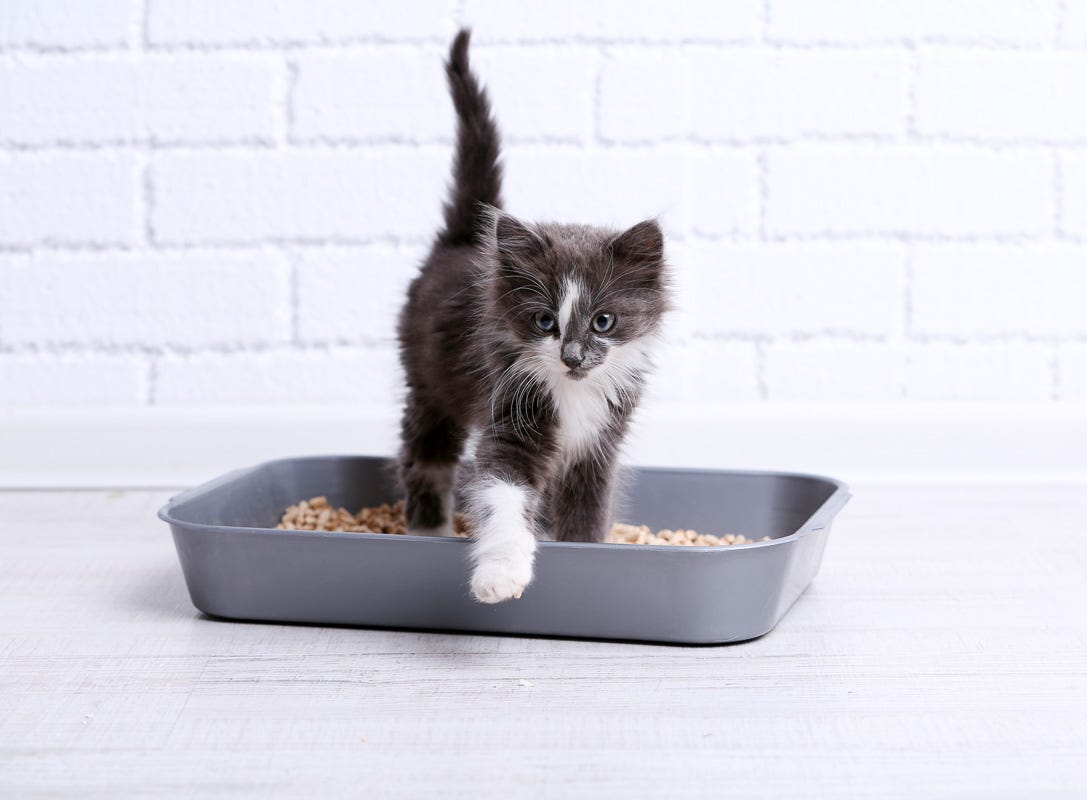
Kittens urinate more frequently than adult cats because of their small bladders. Older cats might urinate more due to health problems like kidney issues or diabetes. Always watch for signs like straining, blood, or very frequent urination, which need a vet’s attention.
Credit: thediscerningcat.medium.com
Signs Of Urination Issues
Recognizing signs of urination problems in cats is key to keeping them healthy. Changes in urination habits often hint at discomfort or illness. Early detection can prevent serious health issues.
Watch for behavior changes around the litter box. Cats may show pain or stress when urinating. Noticing these signals helps catch problems quickly.
Frequent Urination Symptoms
- Cat urinates more often than usual
- Small amounts of urine each time
- Spends a long time in the litter box
- Attempts to urinate outside the box
Frequent urination can indicate infections or bladder issues. It may cause discomfort and stress for your cat.
Decreased Urination Concerns
- Less frequent trips to the litter box
- Passing very little or no urine
- Straining or difficulty urinating
- Signs of pain during urination
Decreased urination may point to blockages or kidney problems. This is an emergency and needs fast veterinary care.
Spotting Blood Or Discomfort
- Blood in the urine or on the fur
- Excessive licking of the genital area
- Crying or vocalizing while urinating
- Restlessness or hiding after urination
Blood or pain during urination signals inflammation or injury. Immediate veterinary attention is crucial to avoid complications.
Common Urinary Problems
Cats, like humans, can face a variety of urinary problems that can affect how often they urinate. Recognizing these issues early is key to ensuring your feline friend stays healthy. Understanding common urinary problems can help you take the necessary steps to keep your cat’s urinary health in check.
Urinary Tract Infections
Urinary tract infections (UTIs) are quite common in cats and can cause frequent urination. You might notice your cat going to the litter box more often but producing only small amounts of urine. If untreated, UTIs can lead to more serious health complications.
Bladder Stones
Bladder stones can obstruct the urinary tract, making it difficult or painful for your cat to urinate. These stones can form due to a variety of reasons, including diet and genetics. If your cat shows signs of straining or discomfort when urinating, it might be time to consult your vet.
Kidney Disease Effects
Kidney disease can significantly affect a cat’s urination habits, often leading to increased urination. Cats with kidney issues may also drink more water. Monitoring your cat’s drinking and urination patterns can provide critical insights into their kidney health.
Have you ever considered how these urinary problems might affect your cat’s overall wellbeing? Addressing these issues promptly can prevent discomfort and more serious health challenges. Stay observant and proactive to ensure your cat stays happy and healthy.
Credit: thediscerningcat.medium.com
Monitoring Your Cat’s Urine
Keeping an eye on your cat’s urination habits is more important than you might think. Changes in how often or how much your cat urinates can signal health issues early on. By monitoring their urine, you get a clearer picture of their well-being and can act quickly if something seems off.
How To Track Urination
Start by noting how many times your cat uses the litter box each day. You can keep a simple journal or use a smartphone app to log the frequency and any unusual signs like blood or strong odor.
Watch for changes in volume too. Is your cat urinating more or less than usual? Sudden shifts can hint at dehydration, kidney problems, or urinary tract infections.
Using Litter Box Observations
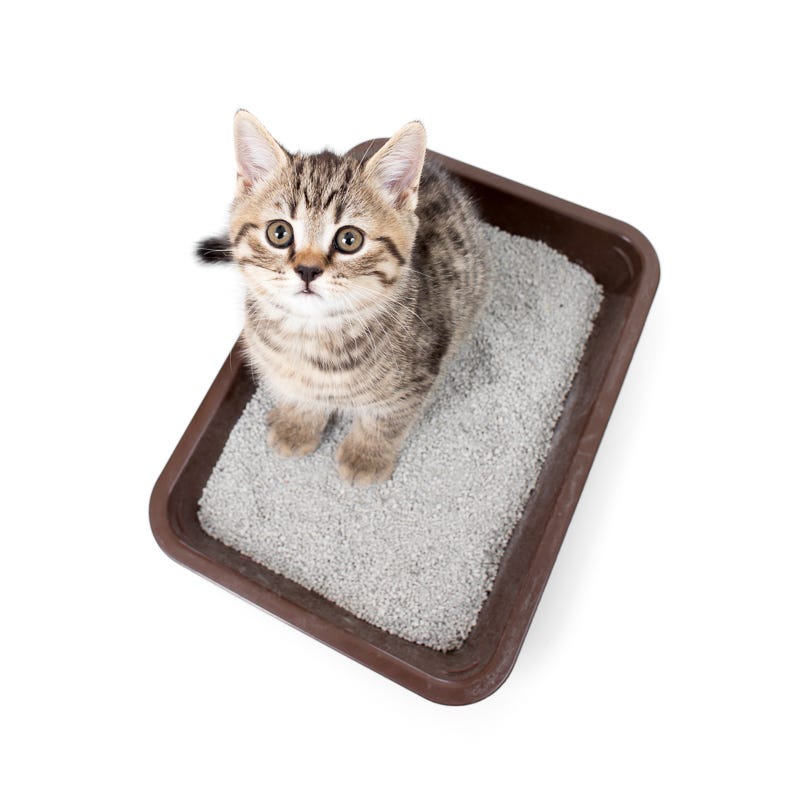
The litter box tells a lot about your cat’s health. Look for clumps and wet spots to estimate how much your cat urinates each time.
Also, check for discomfort signs—scratching excessively or avoiding the box can indicate pain or irritation. Cats are good at hiding illness, so subtle changes in litter box behavior are clues you shouldn’t ignore.
When To Consult A Vet
If you notice your cat peeing much more or less often, or if there’s blood, strange colors, or a strong smell in the urine, it’s time to call your vet. Difficulty urinating or vocalizing during bathroom breaks are urgent signs of distress.
Don’t wait until symptoms worsen. Early vet visits can prevent serious complications and keep your cat comfortable and healthy.
Promoting Healthy Urination
Promoting healthy urination in your cat is essential for their overall well-being. Watching how often your cat urinates can help you catch potential health issues early. But beyond observation, you can actively support your cat’s urinary health through simple habits and care routines.
Hydration Tips
Water is key to keeping your cat’s urinary tract functioning properly. Make sure fresh water is always available and change it daily to encourage drinking.
Some cats prefer running water, so a cat water fountain can make a big difference. Wet cat food also helps increase fluid intake, especially if your cat is reluctant to drink enough water.
Have you noticed your cat drinking less? Try offering ice cubes or flavored water with a splash of tuna juice to stimulate interest.
Dietary Recommendations
Your cat’s diet directly affects urine health. Feeding high-quality protein and low magnesium food helps prevent urinary crystals and blockages.
Consider diets formulated specifically for urinary health—these often balance minerals and pH levels to reduce risk. Avoid sudden changes in diet that can upset your cat’s system.
Have you discussed your cat’s diet with your vet? Tailoring food choices to your cat’s needs can make a big difference in urination habits.
Environmental Factors
Stress can affect how often your cat urinates. Ensure your cat has a quiet, clean litter box in a private area to feel comfortable.
Multiple cats in one home might need multiple litter boxes to prevent territorial issues and encourage regular use.
Observe if your cat avoids the litter box or urinates outside it. This behavior could signal stress or health problems you need to address promptly.

Credit: happycatshome.com
Frequently Asked Questions
How Many Times Should A Healthy Cat Urinate Daily?
A healthy cat typically urinates 2 to 4 times a day. Frequency varies with water intake and diet. Changes in urination habits may indicate health issues. Monitoring your cat’s bathroom routine helps detect problems early.
What Affects A Cat’s Urination Frequency?
Urination frequency in cats depends on hydration, diet, age, and health. Medical conditions like urinary tract infections increase frequency. Stress and environment also influence bathroom habits. Observing changes helps identify when to consult a vet.
When Should I Worry About My Cat’s Urination?
Worry if your cat urinates more than 5 times daily or struggles to urinate. Blood in urine, straining, or accidents outside the litter box are warning signs. These symptoms require immediate veterinary attention for diagnosis and treatment.
Does A Cat’s Diet Impact Urination Frequency?
Yes, wet food increases water intake, leading to more frequent urination. Dry food may reduce water consumption, decreasing urination frequency. Balanced hydration is crucial for urinary health. Adjust diet based on your cat’s needs and vet advice.
Conclusion
Cats usually urinate two to four times daily. This depends on their age, diet, and health. Watching your cat’s bathroom habits helps spot problems early. Changes in urination frequency can signal illness. Always provide fresh water and a clean litter box.
Regular vet visits keep your cat healthy and happy. Remember, knowing your cat’s normal habits is key. Stay alert to any sudden changes. Healthy cats make happy pets.

Lily Purrington is the founder of MyKittyPicks.com, a cozy corner of the web dedicated to helping cat lovers discover the best cat products, furniture, toys, and home decor ideas.
A lifelong cat enthusiast, Lily shares trusted tips, honest product recommendations, and stylish inspiration designed to keep kitties happy and homes beautiful.
Her mission is simple: to bring together practical advice and purr-fect picks that make life better for cats and the people who love them.


