
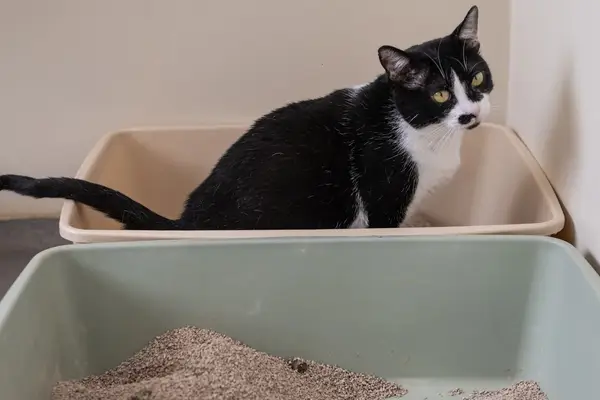
Have you ever wondered how long your cat can go without urinating? It might seem like a simple question, but the answer is crucial for your pet’s health.
When your cat holds in urine for too long, it can lead to serious problems that you don’t want to face. You’ll learn exactly what to watch for and when it’s time to take action. Keep reading to make sure your furry friend stays safe and comfortable.

Credit: www.feliway.co.uk
Cat Urination Basics
Understanding the basics of cat urination is crucial for any cat owner. It helps you notice changes that could signal health issues early. Cats have unique habits, and knowing what’s normal can prevent serious problems.
Normal Urination Frequency
Most cats urinate between two to four times a day. This frequency depends on their age, diet, and water intake. If your cat drinks a lot of water, they may urinate more often.
Older cats or those with certain medical conditions might pee less or more frequently. Keep an eye on your cat's litter box habits to understand their normal pattern. Have you noticed how often your cat usually goes?
Signs Of Urination Problems
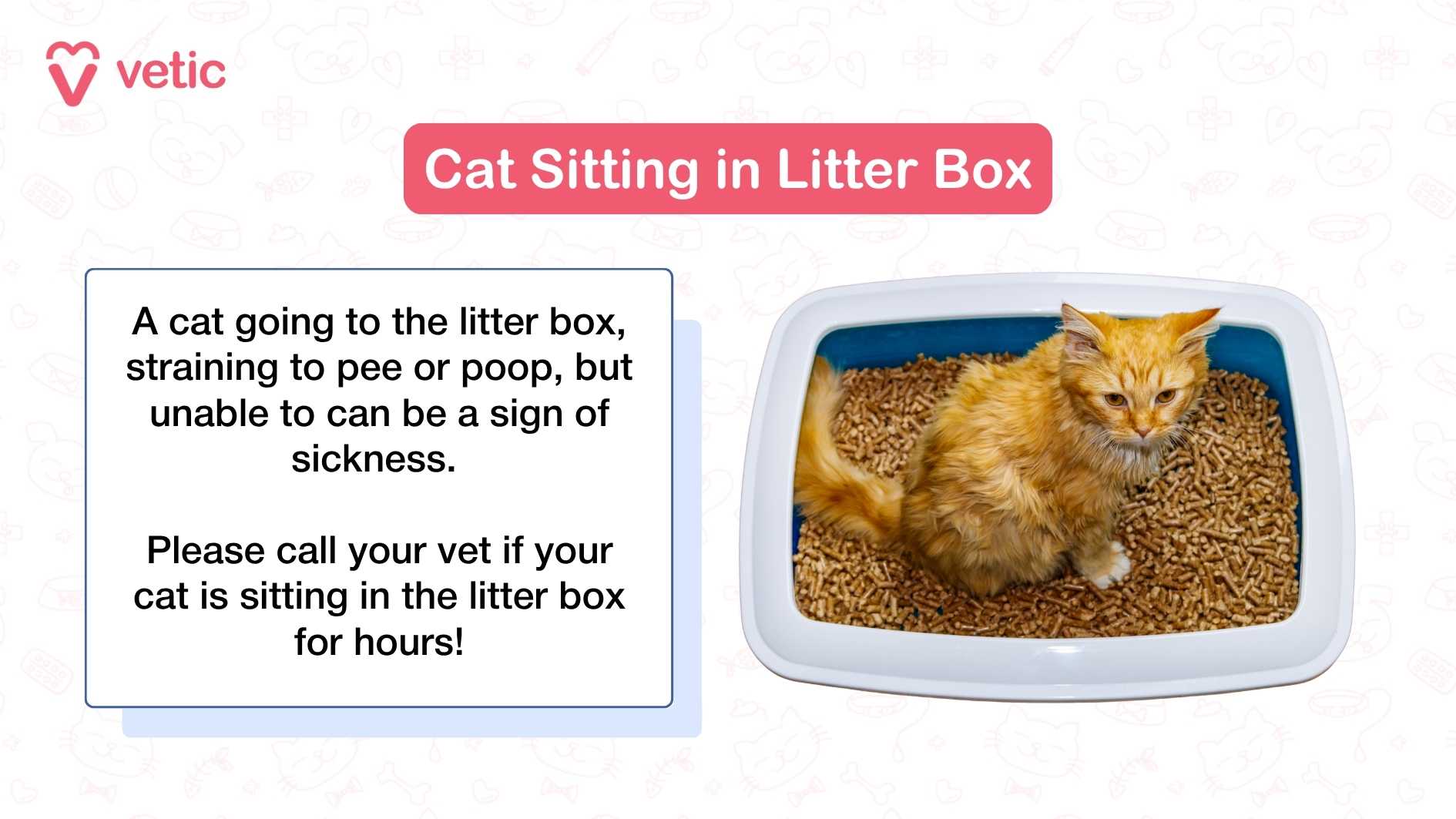
Changes in urination habits can be a red flag. Watch for signs like straining to urinate, blood in the urine, or urinating outside the litter box. These may indicate a urinary tract infection or blockage, which can be dangerous.
Sometimes, cats stop urinating completely, which is an emergency. If your cat seems restless, cries in pain, or repeatedly visits the litter box without success, seek veterinary help immediately. Your quick action can save your cat’s life.
Credit: vetic.in
Causes Of Urination Issues
Urination problems in cats can signal serious health issues. Understanding the causes helps in early detection and treatment. Several conditions affect a cat’s ability to urinate normally. Some can be life-threatening if ignored. This section explains common causes behind urination issues in cats.
Urinary Tract Infections
Urinary tract infections (UTIs) occur when bacteria enter the urinary system. They cause pain and frequent urination attempts. Cats may strain or cry while urinating. UTIs can lead to inflammation and blockages if untreated. Early veterinary care is important to clear infections quickly.
Bladder Blockages
Bladder blockages stop urine flow completely or partially. They are more common in male cats due to narrow urethras. Blockages cause severe pain and distress. A blocked bladder can be life-threatening within hours. Immediate veterinary attention is critical to remove the blockage.
Kidney Disorders
Kidney problems affect urine production and balance of fluids. Cats with kidney disease may urinate less or more than normal. Waste builds up in the body if kidneys fail. Early signs include changes in urination habits and drinking. Regular check-ups help detect kidney issues early.
Dehydration Effects
Dehydration reduces urine output and concentrates urine. It occurs when cats do not drink enough water. Heat, illness, or poor diet can cause dehydration. Thick urine can irritate the bladder and urinary tract. Providing fresh water helps prevent dehydration and related problems.
Health Risks Of Urine Retention
Urine retention in cats can lead to serious health issues. Cats need to urinate regularly to stay healthy. When they cannot, their bodies face severe risks. Understanding these dangers helps in taking quick action to protect your cat’s health.
Toxin Buildup
When a cat holds urine, toxins accumulate in the body. These toxins can cause discomfort and illness. The kidneys filter these waste products. If urine stays in the bladder too long, toxins start to re-enter the bloodstream. This can make the cat very sick and weak.
Bladder Damage
Holding urine can stretch the bladder. Over time, this can cause damage. The bladder walls may weaken or tear. This can lead to infections or serious injury. Cats may feel pain or have trouble urinating. Immediate veterinary attention is crucial.
Potential Organ Failure
Long-term urine retention can harm organs. Kidneys and bladder suffer the most. If left untreated, it might lead to organ failure. Cats can experience nausea, loss of appetite, and lethargy. Early detection and treatment are vital to prevent organ damage.
Credit: gsvs.org
When To Seek Veterinary Help
Knowing when to seek veterinary help is crucial if your cat is not urinating normally. Cats can hold urine only for a limited time before it becomes a serious health issue. Ignoring signs of trouble can lead to life-threatening conditions, so recognizing the warning signals early is key.
Emergency Symptoms
Watch out for signs like your cat straining in the litter box or crying out in pain. If your cat hasn’t urinated for more than 24 hours, this is an emergency. Other symptoms include lethargy, vomiting, or swollen abdomen—these indicate a blockage or infection.
I once had a cat who stopped urinating overnight. By the time I noticed, she was visibly distressed and unable to go. A quick trip to the vet saved her life. Don’t wait until it’s too late.
Diagnostic Procedures
Your vet will start with a physical exam and ask about your cat’s behavior and symptoms. They may perform a urinalysis to check for crystals, infection, or blood. Imaging tests like X-rays or ultrasounds can reveal blockages or bladder stones.
These tests help pinpoint the exact cause of your cat’s urinary problem. Early diagnosis can make treatment faster and more effective. Are you prepared to provide your vet with detailed observations about your cat’s habits?
Treatment Options
Treatment depends on the cause. For blockages, emergency catheterization may be needed to relieve pressure. Infections often require antibiotics, while dietary changes can prevent crystals or stones.
Sometimes surgery is necessary to remove bladder stones or correct anatomical issues. Your vet will guide you through options based on your cat’s condition. Taking action quickly can prevent serious complications and save your cat’s life.
Preventing Urinary Problems
Preventing urinary problems in cats is essential for their health and comfort. Urinary issues can cause pain and serious complications if untreated. Simple habits help keep your cat’s urinary system working well. Paying attention to hydration, diet, and regular vet visits reduces risks. These steps protect your cat from blockages and infections.
Hydration Tips
Water helps flush the urinary system. Cats often drink less than they need. Offer fresh water daily in clean bowls. Some cats prefer running water from fountains. Wet cat food adds moisture to their diet. Place multiple water bowls around the house. Encourage your cat to drink more by changing water often.
Dietary Considerations
Food affects urine health. Choose diets designed for urinary support. These diets control minerals that cause stones. Avoid foods high in magnesium and phosphorus. Wet food helps keep cats hydrated. Discuss diet changes with your vet. Avoid sudden changes that may upset digestion. Feeding small, frequent meals aids urinary health.
Regular Vet Checkups
Routine vet visits catch urinary problems early. Vets check for signs of infection or blockage. Urine tests detect crystals or bacteria. Early treatment prevents serious issues. Keep vaccination and health records updated. Report changes in urination habits to the vet. Regular checkups support your cat’s long-term well-being.
Frequently Asked Questions
How Long Can A Cat Hold Urine Safely?
Cats can typically hold urine for 24 to 48 hours. Beyond this, they risk bladder issues or infections. Immediate vet attention is needed if a cat cannot urinate within 24 hours to prevent serious health problems.
What Causes A Cat To Stop Urinating?
Urinary blockages, infections, or bladder stones often cause cats to stop urinating. Stress and dehydration can also contribute. These conditions require urgent veterinary care to avoid life-threatening complications like kidney failure or bladder rupture.
What Are Signs Of Urinary Problems In Cats?
Signs include frequent attempts to urinate, straining, blood in urine, or vocalizing during urination. A cat may also lick its genital area excessively or show lethargy. Early detection helps ensure timely treatment and prevents severe health issues.
When Should I Take My Cat To The Vet For Urination Issues?
Take your cat to the vet immediately if it shows signs of pain, cannot urinate, or has blood in its urine. Delaying care can lead to dangerous complications like urinary blockage or kidney damage. Prompt intervention is critical for recovery.
Conclusion
Cats cannot go long without urinating. Holding urine can cause serious health problems. Watch for signs like straining or discomfort. Quick action can prevent pain and illness. Regular vet visits keep your cat healthy. Clean litter boxes encourage regular bathroom use.
Knowing these facts helps you care for your cat better. Keep your furry friend safe and happy. Small changes make a big difference in their health. Stay alert and act fast if needed.

Lily Purrington is the founder of MyKittyPicks.com, a cozy corner of the web dedicated to helping cat lovers discover the best cat products, furniture, toys, and home decor ideas.
A lifelong cat enthusiast, Lily shares trusted tips, honest product recommendations, and stylish inspiration designed to keep kitties happy and homes beautiful.
Her mission is simple: to bring together practical advice and purr-fect picks that make life better for cats and the people who love them.


