

Dealing with cat urine in your home can be frustrating and unpleasant. You want your space to feel fresh and clean, but the smell and stains from cat urine make that hard.
If you’re wondering how to clean up cat urine quickly and effectively, you’re in the right place. This guide will give you simple, proven steps to remove the mess and stop odors for good. Keep reading to find out how you can restore your home’s comfort and keep your cat happy too.
Identify The Urine Spots
Finding all cat urine spots is key to thorough cleaning. Cat urine often hides in places that are hard to see. Identifying every spot helps stop your cat from marking again. Start by checking areas that are likely to have urine stains. Use tools and careful observation to find all hidden marks. This will make cleaning more effective and keep your home fresh.
Use Black Light For Detection
Black lights make urine stains glow in the dark. Turn off the lights and shine the black light on floors and walls. Look for yellow or green glowing spots. These marks show where the cat has urinated. Black lights work well on carpets, tiles, and wood. They help find old and new stains that are invisible to the eye.
Check Common Areas
Cats often urinate in the same spots repeatedly. Check places like:
- Near the litter box
- Behind furniture
- In corners of rooms
- On rugs and carpets
- Near doors and windows
Inspect these areas closely for signs of moisture or odor. Cleaning these spots promptly stops the smell and prevents repeat accidents.

Credit: beginagaindecon.com
Gather Cleaning Supplies
Gathering the right cleaning supplies is the first step in removing cat urine effectively. Using proper tools helps eliminate stains and odors completely. It also protects your surfaces from damage and prevents your cat from returning to the same spot.
Choose products designed to break down urine and neutralize smells. You will need items that are safe for both your home and your pet. Preparing everything before cleaning saves time and makes the process easier.
Enzyme-based Cleaners
Enzyme-based cleaners are best for breaking down cat urine. They use natural enzymes to digest urine molecules. This stops odors from coming back. You can find these cleaners in most pet stores or online.
- Look for products labeled for pet urine.
- Test on a small area before full use.
- Follow instructions carefully for best results.
Homemade Solutions
Homemade solutions offer a budget-friendly cleaning option. Simple ingredients like vinegar, baking soda, and water work well. Vinegar neutralizes ammonia smell in urine. Baking soda absorbs moisture and odors.
- Mix equal parts of water and white vinegar.
- Sprinkle baking soda after vinegar dries.
- Use mild soap if needed for extra cleaning power.
Protective Gear
Wear gloves to protect your hands from urine and chemicals. Use old clothes or an apron to avoid stains. A mask can help if you are sensitive to smells. Safety keeps the cleaning process safe and comfortable.
- Disposable gloves work best for hygiene.
- Wear a mask if cleaning in a closed space.
- Keep cleaning supplies out of children’s reach.
Initial Cleanup
Cleaning up cat urine can be a daunting task. It requires immediate action and proper technique. The initial cleanup is crucial to prevent stains and odors. Here’s how to start effectively.
Blotting Excess Urine
Use paper towels or a clean cloth to blot the urine. Press gently to absorb the liquid. Avoid spreading it further. Replace the towel as it gets saturated. Continue until the area feels dry.
Avoid Rubbing
Rubbing can push urine deeper into the fabric. This makes removal harder. It can also spread the urine to a larger area. Always blot instead of rubbing for better results.
Apply Cleaning Solution
Applying the right cleaning solution is crucial to completely remove cat urine and prevent your cat from returning to the same spot. The cleaning product you choose affects both the effectiveness of odor removal and the safety of your home environment. Let’s look at how to use enzyme cleaners and natural remedies properly to tackle this challenge.
Using Enzyme Cleaners Effectively
Enzyme cleaners break down the proteins in cat urine, eliminating odors instead of just masking them. To get the best results, saturate the affected area thoroughly, allowing the enzymes to reach deep into carpets or fabric fibers.
Don’t rush the process—let the solution sit for at least 10 to 15 minutes, or follow the instructions on the label. Some stains may require a second application. Have you noticed how some cleaners only hide the smell temporarily? Enzyme cleaners work by targeting the source, so your home stays fresh longer.
Natural Remedies Application
If you prefer natural options, vinegar and baking soda are powerful allies. Mix equal parts white vinegar and water, then spray it onto the urine stain. The acidic nature of vinegar neutralizes the ammonia smell from the urine.
After the area dries, sprinkle baking soda over the spot to absorb any lingering odors. Let it sit for a few hours before vacuuming it up. Does using household ingredients make you more confident in tackling messes without harsh chemicals? Many pet owners swear by this simple, effective method.
Deodorize The Area
Deodorizing the area after cleaning cat urine is crucial to stop lingering smells that can invite your cat to mark the spot again. Simply cleaning the stain doesn’t always remove the odor completely. You need to target the smell at its source, breaking down the compounds that cause it.
Baking Soda Usage
Baking soda is a powerful, natural deodorizer that you can easily use at home. After cleaning the urine, sprinkle a generous amount of baking soda over the damp area. Let it sit for several hours or overnight to absorb the odors.
Once dry, vacuum the baking soda thoroughly. This process not only neutralizes the smell but also helps keep your space fresh without harsh chemicals. Have you tried baking soda on tough smells before? It often works better than expensive sprays.
Vinegar Benefits
Vinegar is another effective, natural solution for deodorizing cat urine. Mix equal parts white vinegar and water in a spray bottle and apply it to the stained area. Vinegar neutralizes the ammonia smell in the urine, which is the main cause of the strong odor.
Let the vinegar solution sit for 10-15 minutes before blotting it up with a clean cloth. The smell of vinegar fades quickly and leaves the area smelling clean. If you’re worried about the vinegar scent, try adding a few drops of essential oil like lavender or lemon for a fresher finish.

Credit: smart.dhgate.com
Prevent Future Accidents
Preventing future accidents is just as important as cleaning up cat urine. If you don’t address the root causes, your efforts might be wasted. Understanding what encourages your cat to urinate outside the litter box helps you create a cleaner, happier home for both of you.
Litter Box Maintenance
Keeping the litter box clean is a simple but powerful way to prevent accidents. Cats are very particular about their bathroom habits and dislike dirty litter boxes. Scoop waste at least once a day and completely change the litter weekly to keep it fresh.
Consider the type of litter you use. Some cats prefer unscented, clumping litter because it controls odor better and feels softer on their paws. If your cat suddenly avoids the box, try changing the litter or adding another box in a quiet, accessible spot.
- Use enough litter—about 2-3 inches deep—to allow digging.
- Place boxes away from noisy appliances or busy areas.
- Clean the box with mild soap and water; strong cleaners can repel cats.
Behavioral Tips
Sometimes, accidents happen because your cat feels stressed or confused. Changes in the home, new pets, or even loud noises can trigger unwanted behavior. Ask yourself if your cat’s environment feels safe and predictable.
Reward your cat for using the litter box. Positive reinforcement like treats or gentle praise can reinforce good habits. If your cat is marking territory, neutering or spaying may reduce this behavior.
Try to establish a routine. Feeding your cat at regular times and keeping a consistent schedule can reduce anxiety and encourage litter box use. Have you noticed any patterns in when accidents happen? Tracking these moments can reveal hidden triggers.
Deep Cleaning For Fabrics
Cleaning cat urine from fabrics requires more than a quick wipe. The odor and stain can settle deep into fibers. A thorough cleaning approach helps remove smells and prevent repeat accidents. Special care is needed for delicate or large fabric items.
Machine Washing Tips
Use cold water to avoid setting stains. Add an enzyme-based detergent to break down urine proteins. Avoid using bleach as it can worsen odors. Run an extra rinse cycle to remove detergent residue. Air dry fabrics to check if the smell remains. Repeat washing if needed, but avoid high heat drying until fully clean.
Professional Cleaning Options
Some fabrics need expert care to remove urine completely. Professional cleaners use special solvents and machines. They can treat upholstery, rugs, and heavy curtains safely. Choose cleaners experienced with pet stains. This service can save fabric from damage and lingering odor. It is often the best choice for stubborn or large stains.
Cleaning Hard Surfaces
Cleaning cat urine from hard surfaces requires careful attention to protect your floors and walls while effectively removing odors and stains. Hard surfaces like tile and wood each need special care to ensure the cleaning process doesn’t cause further damage. Understanding how to treat these materials properly can save you time and prevent costly repairs.
Tile And Wood Care
Tiles are generally easier to clean because they are non-porous, but grout lines can trap urine and odors. Start by blotting the area with paper towels to soak up as much urine as possible. Then, use a mixture of warm water and a mild detergent to scrub the tile and grout gently.
For wood surfaces, avoid saturating the area with liquid, as wood can absorb moisture and warp. Instead, dampen a cloth with a solution of vinegar and water or a specially formulated wood cleaner. Wipe the area carefully and dry it immediately with a clean towel to prevent any lingering moisture.
Avoiding Damage
Harsh chemicals and abrasive scrubbing can damage both tile grout and wood finishes. Never use bleach or ammonia-based cleaners, as they can worsen the smell and damage surfaces. Instead, opt for enzymatic cleaners designed to break down urine proteins without harming your floors.
Have you ever noticed that after cleaning, the smell seems to get stronger? This often happens because the cleaner interacts with the urine’s ammonia. Using the right products and applying them correctly can make a huge difference in both odor removal and surface preservation.
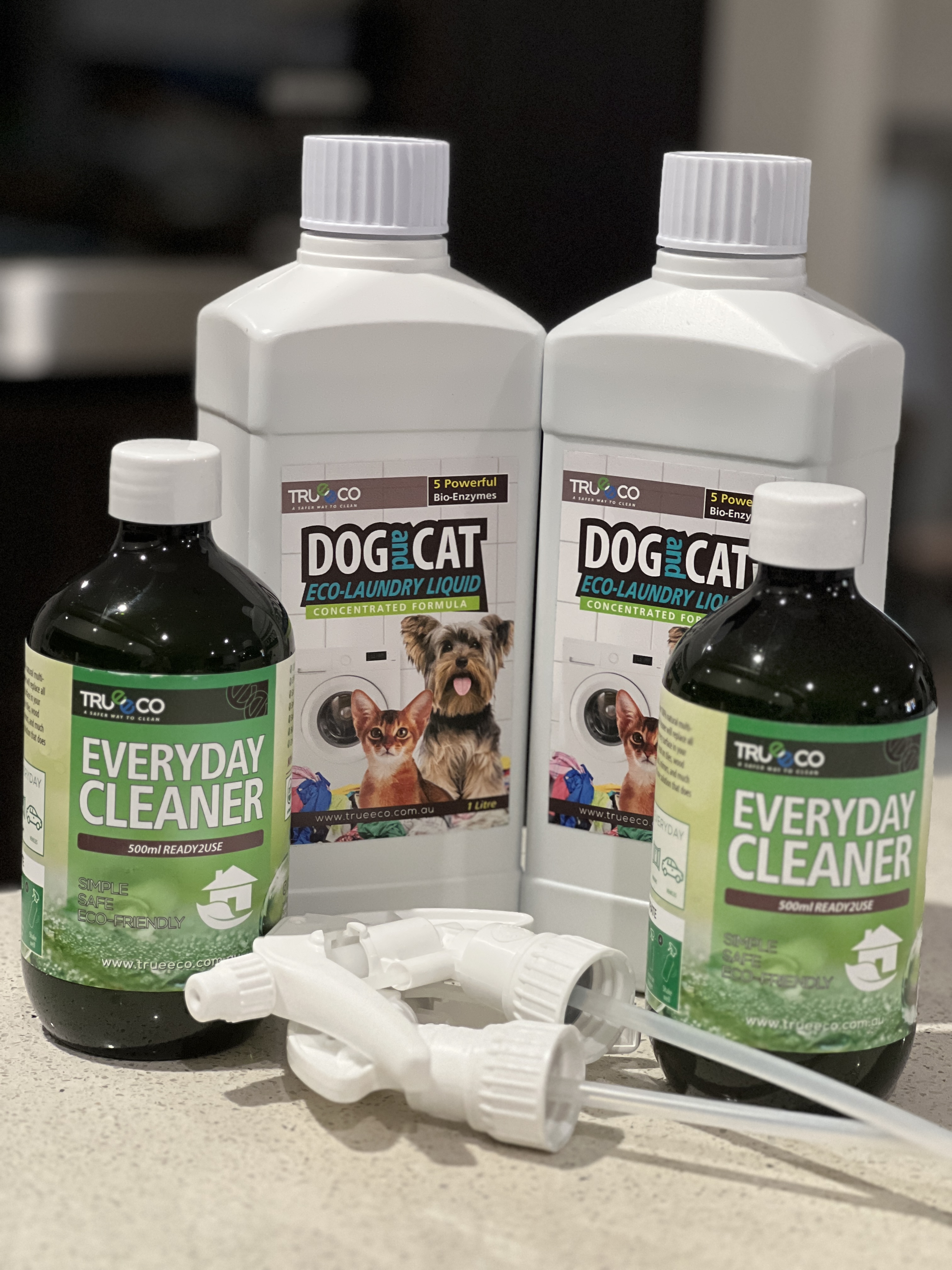
Credit: www.catbreedingforbeginners.com
Frequently Asked Questions
How To Remove Cat Urine Smell From Carpets Effectively?
Use an enzymatic cleaner specifically designed for pet urine. Blot the area with paper towels first. Avoid steam cleaning, as heat can set the odor. Repeat cleaning if necessary until the smell disappears completely.
What Household Items Can Clean Cat Urine Stains?
White vinegar and baking soda work well to neutralize urine odor. Mix vinegar with water, apply it to the stain, then sprinkle baking soda. Let it dry before vacuuming. This natural method is safe and budget-friendly.
How Soon Should I Clean Cat Urine To Prevent Stains?
Clean cat urine immediately after spotting it. Fresh urine is easier to remove and less likely to cause lasting stains or odors. Prompt action prevents bacteria growth and keeps your home smelling fresh.
Can Cat Urine Damage Hardwood Floors?
Yes, cat urine can damage hardwood floors by causing discoloration and warping. It seeps into the wood and finishes, leading to long-term damage. Clean spills quickly and use appropriate cleaners to protect your flooring.
Conclusion
Cleaning cat urine quickly stops bad smells and stains. Use an enzyme cleaner to break down the urine fully. Always blot the area first to soak up liquid. Avoid harsh chemicals that can harm your pet. Keep your cat’s litter box clean to prevent accidents.
Small steps help keep your home fresh and clean. Remember, patience and the right tools make a big difference. Your efforts will keep your space healthy and odor-free. Simple care helps both you and your cat feel happy.

Lily Purrington is the founder of MyKittyPicks.com, a cozy corner of the web dedicated to helping cat lovers discover the best cat products, furniture, toys, and home decor ideas.
A lifelong cat enthusiast, Lily shares trusted tips, honest product recommendations, and stylish inspiration designed to keep kitties happy and homes beautiful.
Her mission is simple: to bring together practical advice and purr-fect picks that make life better for cats and the people who love them.


