
Are you curious about what happens when a cat is neutered? Whether you’re a seasoned pet owner or just considering adopting a furry friend, understanding this common procedure is essential.
Neutering not only helps control the pet population but also offers numerous health benefits for your beloved feline. If you’re worried about the process or wondering what it entails, you’re not alone. Many cat owners have questions about how neutering works and what to expect.
You’ll discover everything you need to know about how cats get neutered, demystifying the procedure so you can make informed decisions for your pet’s wellbeing. Stick around, and let’s uncover the steps, benefits, and aftercare tips that will ensure your cat stays healthy and happy.

Credit: www.tnrofwarren.org
Why Neutering Matters
Neutering cats is an important step for their well-being and for the community. It helps keep cats healthy and calm. It also stops many unwanted kittens from being born. Understanding why neutering matters can help you make the best choice for your cat.
Health Benefits For Cats
Neutering lowers the risk of some cancers. It prevents testicular and ovarian cancer. Neutered cats often live longer and healthier lives. It also reduces the chance of infections in the reproductive organs. This simple surgery can protect your cat from many health problems.
Behavioral Changes
Neutering can calm aggressive behavior. Cats may stop spraying strong-smelling urine to mark territory. It lowers the urge to roam far from home. Neutered cats tend to be less noisy, especially during mating season. These changes make cats easier to live with and safer outdoors.
Population Control
Neutering helps control stray and feral cat populations. Many kittens born each year do not find homes. This leads to overcrowded shelters and suffering animals. By neutering, fewer unwanted cats are born. This reduces the number of homeless cats and helps communities.
Preparing For Neutering
Preparing your cat for neutering is an important step that sets the stage for a smooth surgery and quick recovery. It involves careful choices and simple actions that can make a big difference in how your pet handles the day. Being well-prepared also helps reduce your own stress and gives your cat the best chance for a positive experience.
Choosing The Right Vet
Your vet’s experience with neutering can affect the outcome significantly. Look for a clinic that specializes in feline care or has good reviews from other cat owners. Don’t hesitate to ask about the vet’s approach to anesthesia and pain management—your cat’s comfort matters.
Is the clinic clean and welcoming? These details impact how calm your cat will feel when you arrive. You want a place where the staff treats your pet gently and answers your questions clearly.
Pre-surgery Care
Before surgery, your cat needs to fast, usually for about 8 to 12 hours. This helps prevent nausea and complications during anesthesia. Check with your vet about when to stop feeding and whether water is allowed.
Keep your cat indoors and calm the day before surgery to avoid any injuries or stress. Prepare a quiet space for them to rest after surgery, stocked with fresh water and a cozy bed. Have you arranged transportation that keeps your cat safe and comfortable?
What To Expect On Surgery Day
On the day of surgery, plan to arrive a little early for check-in. The vet will likely perform a quick health check before proceeding. You might feel nervous, but trust that your cat is in skilled hands.
After the procedure, your cat may feel groggy and disoriented. The vet will give you instructions for monitoring at home, including pain relief and activity restrictions. Being prepared for these moments helps you respond quickly if your cat seems uncomfortable or unwell.
The Neutering Procedure
Understanding the neutering procedure can help you feel more confident about your cat’s surgery. Neutering is a routine operation that helps control the pet population and can also improve your cat’s health and behavior. The process varies slightly depending on whether your cat is male or female, but safety and comfort are always the top priorities.
How It’s Done For Male Cats
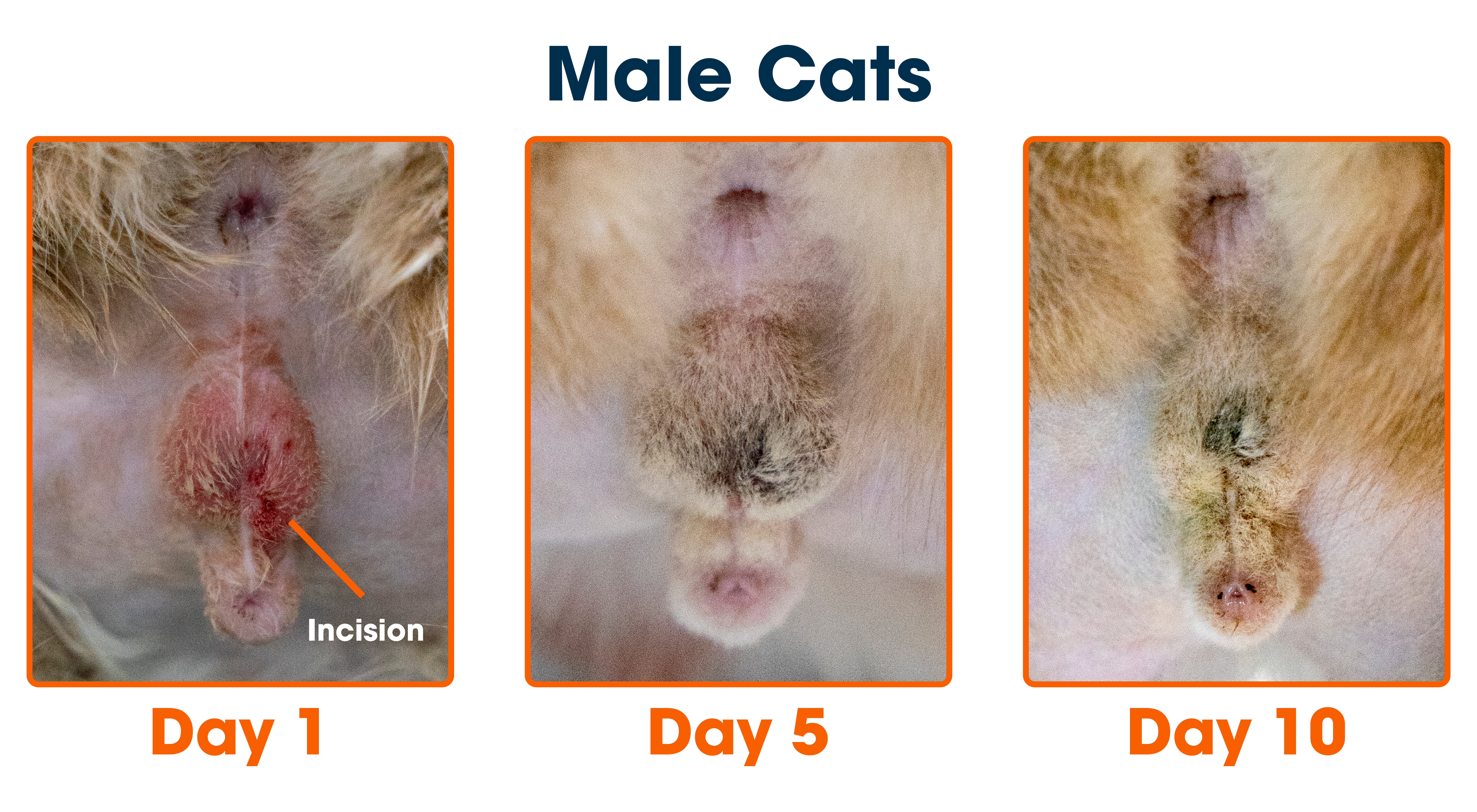
For male cats, neutering involves removing the testicles through a small incision made in the scrotum. This is a quick procedure that usually takes less than 30 minutes. Your vet will make sure the area is clean and will close the incision with stitches or surgical glue that dissolves on its own.
The recovery for male cats is generally fast. Most cats can go home the same day and resume normal activities within a few days. You might notice some mild swelling or tenderness, but your vet will guide you on how to manage any discomfort.
How It’s Done For Female Cats
Neutering female cats, often called spaying, is a bit more involved. It requires an incision in the abdomen to remove the ovaries and usually the uterus. This prevents your cat from going into heat and eliminates the risk of unwanted pregnancies.
Because it’s a more invasive surgery, spaying takes longer and may require a short hospital stay. Your cat will need a few days to recover fully, and you’ll need to limit her activity to prevent the incision from opening. Your vet will provide detailed care instructions to help your cat heal smoothly.
Anesthesia And Safety
All neutering surgeries are performed under general anesthesia, which means your cat will be completely asleep and pain-free during the procedure. Vets use safe, modern anesthesia protocols and closely monitor your cat’s vital signs throughout the operation.
Before surgery, your cat will be examined to ensure she’s healthy enough for anesthesia. Blood tests may be done to check organ function. This pre-surgery check helps reduce any risks and makes the procedure as safe as possible.
Have you ever wondered how vets keep your cat calm before and after surgery? Often, gentle handling, a quiet environment, and sometimes mild sedatives are used to reduce stress. Your cat’s comfort is a top concern from start to finish.
Credit: www.whiskas.com.ph
Recovery And Aftercare
Recovery and aftercare are key parts of the neutering process for cats. Proper care helps your cat heal faster and avoid problems. It also keeps your cat comfortable during the healing time. Understanding what happens after surgery helps you give the best care possible.
Immediate Post-surgery Care
Right after surgery, your cat will feel sleepy and may be groggy. Keep your cat in a quiet, warm place to rest. Offer water but avoid food for a few hours as advised by the vet. Do not let your cat jump or run around. Use a soft bed to support gentle movement.
Monitoring For Complications
Watch the surgery site daily for swelling, redness, or bleeding. Check if your cat is licking or biting the area too much. Look for signs like vomiting, loss of appetite, or unusual tiredness. Contact your vet immediately if any of these signs appear. Early care stops small issues from becoming serious.
Tips For A Smooth Recovery
- Keep your cat indoors and limit activity for at least a week.
- Use an Elizabethan collar to prevent licking or biting the wound.
- Give all prescribed medicines exactly as the vet instructs.
- Maintain a clean, calm environment to reduce stress.
- Offer soft food if your cat has a poor appetite.
- Check the wound daily but avoid touching it too much.
Following these steps helps your cat heal quickly and safely. Patience and care make a big difference in recovery.
Cost And Timing
Understanding the cost and timing of neutering your cat helps you plan better and ensures your pet gets the care they need without surprises. These factors can vary widely depending on location, vet clinic, and your cat’s age. Let’s break down what you can expect and how to make smart decisions.
Typical Costs Involved
The price for neutering a cat usually ranges between $50 and $150. This depends on whether your cat is male or female, as spaying (female) tends to be more expensive than neutering (male).
Some clinics include extra services like vaccinations or pain relief, which can affect the final cost. Ask your vet for a clear breakdown before scheduling the procedure.
Have you checked if your local shelters or animal welfare groups offer discounted rates? These can save you a significant amount.
Best Age For Neutering
The ideal time to neuter your cat is typically between 4 to 6 monthsold. At this age, cats are healthy enough to handle surgery but not yet sexually mature.
Earlier neutering, sometimes called “early-age neutering,” is safe and recommended by many vets to prevent unwanted litters. Waiting too long can increase risks like marking behavior and unwanted pregnancies.
Does your cat show signs of puberty? Talk to your vet about the best timing specific to your pet’s health and breed.
Finding Low-cost Options
Neutering doesn’t have to break your budget. Many communities offer low-cost or even free neutering programs for pet owners.
- Check local animal shelters or rescue organizations
- Look for government-funded spay/neuter clinics
- Ask your vet about payment plans or discounts
Sometimes, you can find mobile clinics that travel to neighborhoods offering convenient and affordable services. Have you looked into these options yet? It could make a big difference.
Common Myths About Neutering
Neutering cats is often misunderstood. Many myths surround this common procedure. These myths can cause hesitation for cat owners. Clearing these up helps make better choices for pet health. Below are some common myths about neutering and the facts behind them.
Effects On Cat Personality
Some think neutering changes a cat’s personality completely. Actually, neutering calms aggressive and roaming behaviors. It does not make cats less playful or loving. Most cats stay affectionate and active after surgery. Neutering helps reduce marking and fighting urges.
Weight Gain Concerns
Many believe neutered cats always gain weight. Weight gain can happen if food intake is not controlled. Neutering lowers energy needs slightly. Feeding balanced meals and regular play keeps cats fit. Neutering alone does not cause obesity.
Myths Vs. Facts
- Myth:Neutering makes cats lazy and dull.
Fact:Cats remain playful and alert after neutering. - Myth:Neutering causes health problems.
Fact:It reduces risks of many diseases and cancers. - Myth:Only outdoor cats need neutering.
Fact:Indoor cats also benefit from neutering to prevent behaviors and health issues.
Credit: www.aspca.org
Frequently Asked Questions
How Is A Cat Neutered Step-by-step?
Neutering involves anesthesia, making a small incision, and removing testicles. The vet closes the incision with stitches or glue. The procedure takes about 15 to 30 minutes. Recovery is quick, and cats usually go home the same day.
At What Age Should Cats Get Neutered?
Cats are typically neutered between 4 to 6 months old. Early neutering helps prevent unwanted behaviors and health issues. However, some vets may neuter kittens as young as 8 weeks. Consult your vet for the best timing for your cat.
What Are The Benefits Of Neutering Cats?
Neutering reduces aggressive behavior, roaming, and spraying in male cats. It also prevents unwanted litters and lowers the risk of certain cancers. Neutered cats tend to live longer, healthier lives. It also helps control the stray cat population.
Is Neutering Painful For Cats?
Cats receive anesthesia, so they don’t feel pain during surgery. Post-surgery, mild discomfort may occur, managed with pain medication. Most cats recover quickly and resume normal activities within a few days. Follow your vet’s care instructions for smooth healing.
Conclusion
Neutering cats helps control their population and keeps them healthy. The process is quick and done by a vet. Cats usually recover fast and feel better soon. This simple surgery prevents many health problems and unwanted behaviors. Taking care of your cat means considering neutering at the right time.
It’s a small step that makes a big difference for your pet. Keep your cat safe and happy by choosing neutering. A little care goes a long way.

Lily Purrington is the founder of MyKittyPicks.com, a cozy corner of the web dedicated to helping cat lovers discover the best cat products, furniture, toys, and home decor ideas.
A lifelong cat enthusiast, Lily shares trusted tips, honest product recommendations, and stylish inspiration designed to keep kitties happy and homes beautiful.
Her mission is simple: to bring together practical advice and purr-fect picks that make life better for cats and the people who love them.


