

Are you tired of finding fresh claw marks on your furniture every day? You’re not alone.
Many cat owners face the same challenge. You love your furry friend, but it’s frustrating when your sofa pays the price. Luckily, there’s hope. Discover how you can stop your cat from scratching your furniture without compromising their happiness or your stylish home.
Imagine a home where your furniture is safe, and your cat is content—this isn’t just a dream. Keep reading to uncover simple, effective strategies that work. Your furniture will thank you, and so will your cat. Ready to transform your living space? Let’s dive in!
Credit: www.amazon.ca
Reasons Cats Scratch Furniture
Cats scratching furniture may seem frustrating. Understanding why they do it helps solve the problem. Scratching is a natural behavior for cats. It serves many important purposes for their health and comfort. Recognizing these reasons can guide better care and prevention.
Marking Territory
Cats scratch to mark their space. Their paws have scent glands that leave a unique smell. This scent tells other cats, “This place is mine.” Scratching helps cats feel safe and secure in their home.
Sharpening Claws
Scratching removes old claw sheaths. It keeps claws sharp and healthy. This helps cats stay ready to hunt or defend themselves. Without scratching, claws can become dull or painful.
Stretching Muscles
Scratching stretches their paws and legs. It also helps stretch their back muscles. This keeps cats flexible and comfortable. Stretching is important after long naps or rest.
Relieving Stress
Scratching calms cats when they feel anxious. It releases nervous energy and tension. This behavior helps them relax and feel better. Stress relief is an important reason for scratching.
Choosing The Right Scratching Posts
Choosing the right scratching post is key to protect furniture from cat scratches. Cats need a place to stretch their claws and mark territory. The right post can satisfy this natural urge. It helps keep cats happy and furniture safe.
Not all scratching posts are the same. Some fit better with your cat’s habits and preferences. Knowing different types, where to place them, and materials cats like can make a big difference.
Types Of Scratching Posts
- Vertical posts for standing stretch and claw sharpening
- Horizontal scratchers for cats who prefer lying down
- Inclined scratchers that combine vertical and horizontal angles
- Scratching pads or mats that lay flat on the floor
- Multi-level posts with platforms and hiding spots
Placement Tips
- Put posts near favorite furniture cats scratch
- Place posts in sunny or busy areas cats like
- Keep posts stable so they do not wobble
- Have several posts around the house for variety
- Replace posts if they become worn or damaged
Materials Cats Prefer
- Sisal rope or fabric is very popular and durable
- Carpet offers a soft scratching surface
- Cardboard is cheap and cats love the texture
- Wood posts provide a natural feel for claws
- Avoid smooth or plastic surfaces that cats dislike
Training Your Cat To Use Scratching Posts
Training your cat to use scratching posts helps protect your furniture. Cats have a natural urge to scratch. They sharpen their claws and mark their space this way. Providing the right tools and guidance can change their behavior. Patience and consistency are key during this process.
Positive Reinforcement
Reward your cat for using the scratching post. Use treats, gentle praise, or petting to encourage good behavior. Avoid punishment as it may cause fear or confusion. Celebrate small successes and be patient. This builds trust and makes the cat want to repeat the behavior.
Using Catnip And Toys
Catnip attracts cats to the scratching post. Sprinkle some catnip on the post or use catnip spray. Place toys near or on the post to spark interest. Toys that dangle or move can catch a cat’s attention. This makes the post a fun place to play and scratch.
Redirecting Scratching Behavior
Gently move your cat from furniture to the scratching post when you see scratching. Do this calmly and without yelling. You can also cover furniture with protective sheets or double-sided tape to deter scratching. Consistently guide your cat back to the post to form a new habit.

Credit: www.amazon.com
Protecting Furniture From Scratches
Protecting your furniture from cat scratches is essential for keeping your home looking neat. Cats naturally scratch to mark territory and keep claws sharp. Providing barriers and deterrents helps reduce damage.
Simple tools and products can save your sofa, chairs, and tables from harm. These solutions work by making furniture less appealing or harder to scratch. Consistency is key to success.
Furniture Covers And Guards
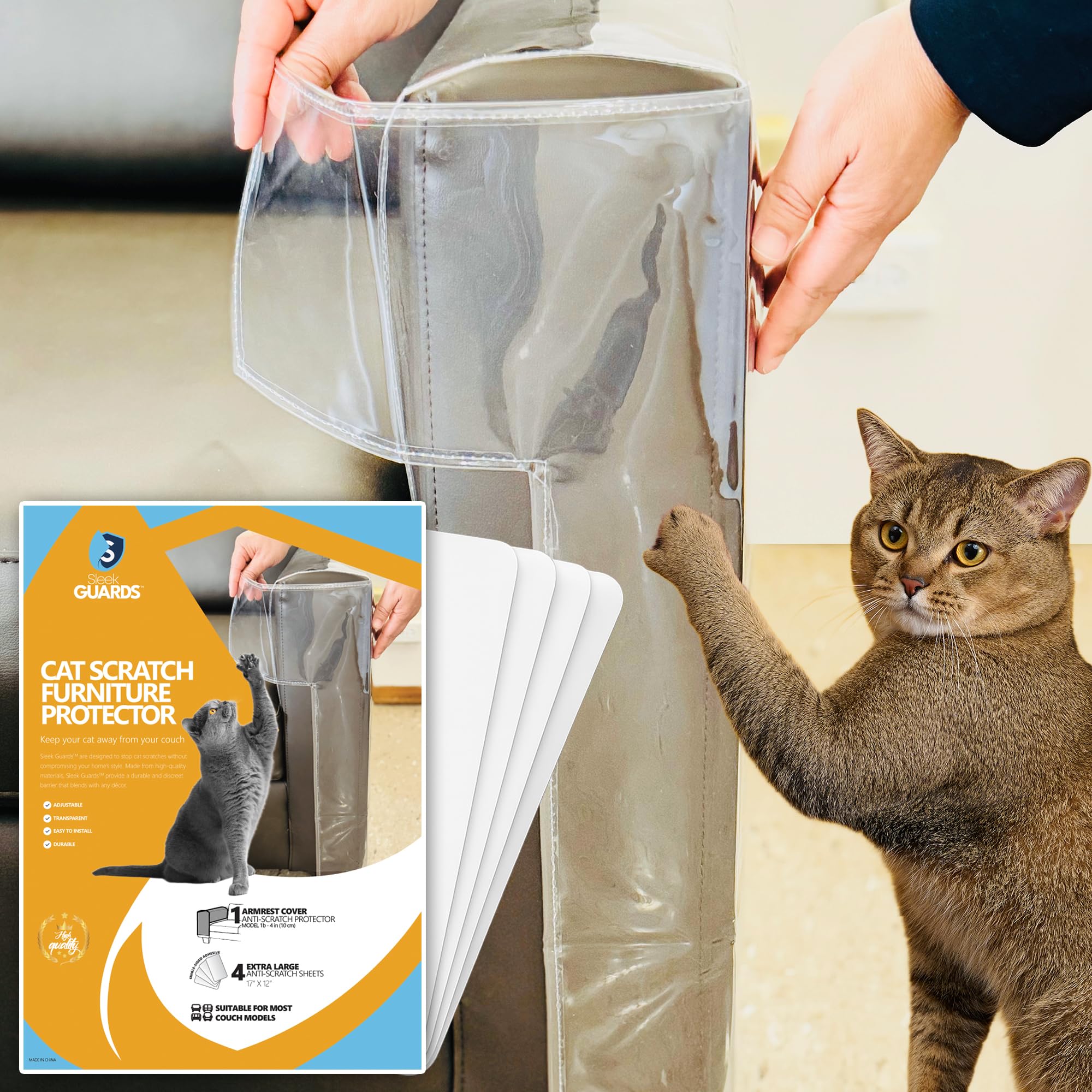
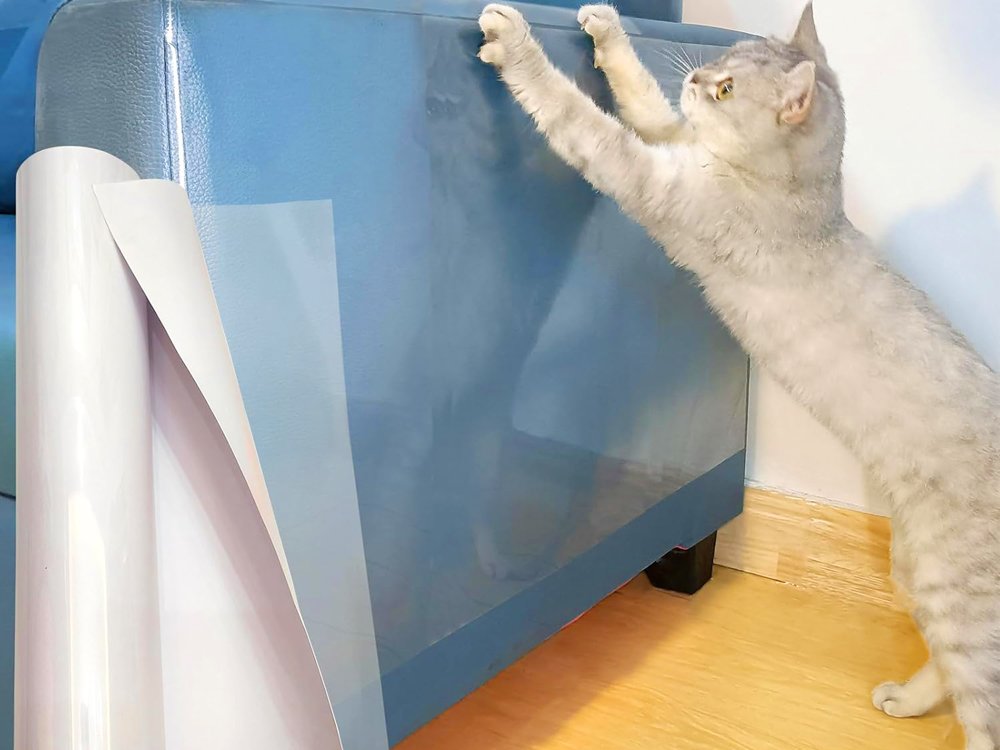
Furniture covers are a practical way to protect surfaces. Use slipcovers made of durable fabric to shield sofas and chairs. Plastic guards or clear vinyl sheets fit on armrests or corners.
- Protects fabric and wood from claw marks
- Easy to clean and remove
- Inexpensive and reusable
Furniture guards can be adhesive or non-adhesive. They create a tough surface cats do not like to scratch. Choose covers that blend with your décor for a neat look.
Using Deterrent Sprays
Deterrent sprays keep cats away using smells they dislike. These sprays are safe and non-toxic for pets. Spray on furniture areas where cats often scratch.
- Works by scent, discouraging scratching
- Reapply regularly for best results
- Available in pet stores or online
Test sprays on a small furniture area to avoid stains. Combine sprays with other methods for stronger effect.
Double-sided Tape Tricks
Double-sided tape is a simple way to block scratching. Cats dislike sticky surfaces on their paws. Place strips on sofa arms, cushions, or chair legs.
- Sticky texture deters cats from scratching
- Easy to apply and remove
- Cost-effective and safe
Replace tape regularly as it loses stickiness. Use this trick alongside scratching posts to train your cat effectively.
Maintaining Your Cat’s Claws
Maintaining your cat’s claws is key to protecting your furniture and keeping your feline friend comfortable. Healthy claws mean less damage around your home and fewer scratches that can lead to infections. You have several practical options to manage your cat’s nails, each with its own benefits and considerations.
Regular Nail Trimming
Trimming your cat’s nails regularly helps reduce the risk of damage to your furniture. Use a sharp, pet-specific nail clipper and avoid cutting too close to the quick, which can cause pain and bleeding.
Try to make nail trimming a calm routine. You can gently hold your cat in your lap and offer treats to create a positive association. If your cat resists, break the trimming into short sessions instead of forcing a full trim at once.
Ask yourself: how often do you check your cat’s nails? Usually, every two to three weeks is ideal. This keeps claws short and less likely to snag on sofas or curtains.
Soft Claw Nail Caps
Soft claw nail caps are a gentle alternative to trimming that can prevent scratching without causing discomfort. These small plastic caps are glued over your cat’s claws, covering the sharp edges.
Applying them requires patience and some practice, but once on, they can last up to six weeks. They’re especially useful if your cat is a persistent furniture scratcher and you want a non-invasive option.
Consider whether you have the time to regularly replace the caps as they fall off. Some cats tolerate them well, while others might try to remove them, so observe your cat’s reaction closely.
When To Seek Professional Help
If trimming or applying nail caps feels overwhelming, don’t hesitate to consult a professional groomer or your vet. They can demonstrate safe nail care techniques tailored to your cat’s temperament.
Professional help is also wise if your cat’s claws are overgrown, ingrown, or causing pain. Ignoring these issues can lead to infections and affect your cat’s mobility.
Have you noticed your cat limping or favoring one paw? This might be a sign it’s time to get expert advice. Protecting your cat’s claws goes beyond furniture—it’s about their overall well-being too.
Creating A Cat-friendly Environment
Creating a cat-friendly environment is key to protecting your furniture from scratching. Cats naturally need to scratch—it helps them mark territory, stretch, and keep their claws healthy. Instead of trying to stop this behavior outright, focus on making your home more appealing to your cat’s natural instincts.
Providing Plenty Of Playtime
Active cats are less likely to scratch furniture out of boredom or frustration. Spend time each day engaging your cat with toys like feather wands or laser pointers. Playtime not only tires them out physically but also builds a stronger bond between you and your pet.
Have you noticed your cat scratching more when left alone? Increasing interactive play sessions can redirect that energy in a positive way. Even short, frequent playtimes can make a big difference in their behavior.
Offering Alternative Scratch Surfaces
Give your cat options that are just as satisfying as your furniture. Scratching posts, pads, and boards come in many materials like sisal, cardboard, and carpet. Place these near your cat’s favorite scratching spots to encourage use.
Try to observe where your cat likes to scratch and position new surfaces there. Sometimes adding catnip or treats to these alternatives can attract your cat and make the transition easier. Would your cat prefer vertical posts or horizontal pads? Experiment and see what works best.
Keeping Cats Mentally Stimulated
Bored cats often find trouble to entertain themselves, leading to unwanted scratching. Puzzle feeders, treat-dispensing toys, and rotating toys can keep your cat’s brain active. Mental stimulation reduces stress and destructive habits.
Think about your cat’s daily routine—are they getting enough variety? Simple changes, like hiding treats around the house, can turn scratching urges into a fun game. How can you make your cat’s environment more engaging right now?
Credit: www.ysdiecut.com
Frequently Asked Questions
How To Train My Cat To Avoid Furniture Scratching?
Use positive reinforcement by rewarding your cat when it uses a scratching post. Redirect scratching behavior gently. Consistent training helps your cat understand acceptable scratching areas.
What Are The Best Alternatives To Protect Furniture?
Provide scratching posts or pads made of sisal or cardboard. Place them near the furniture your cat targets. These alternatives satisfy your cat’s natural scratching instincts.
Can Nail Trimming Reduce Furniture Scratching?
Yes, regularly trimming your cat’s nails can reduce damage. Short nails cause less harm when your cat scratches furniture. Make nail trimming a part of your routine.
Do Cat Deterrent Sprays Really Work?
Deterrent sprays can discourage cats from scratching specific areas. They contain scents cats dislike but are safe for pets and furniture. Effectiveness varies, so combine with training.
Conclusion
Stopping your cat from scratching furniture takes patience and care. Provide scratching posts and toys to keep your cat busy. Trim your cat’s nails regularly to reduce damage. Use covers or sprays to protect your furniture. Reward your cat for using the right places to scratch.
Remember, cats scratch to feel good and mark space. Help your cat stay happy while saving your furniture. Small steps make a big difference over time. Keep trying, and your home will stay neat and calm.

Lily Purrington is the founder of MyKittyPicks.com, a cozy corner of the web dedicated to helping cat lovers discover the best cat products, furniture, toys, and home decor ideas.
A lifelong cat enthusiast, Lily shares trusted tips, honest product recommendations, and stylish inspiration designed to keep kitties happy and homes beautiful.
Her mission is simple: to bring together practical advice and purr-fect picks that make life better for cats and the people who love them.


