
Are you wondering if your cat will actually like pellet litter? Choosing the right litter isn’t just about convenience—it affects your cat’s comfort and your home’s cleanliness.
Pellet litter has become popular, but is it the best choice for your furry friend? Keep reading to discover how pellet litter works, why some cats prefer it, and what you need to know before making the switch. This could change the way you think about cat litter forever.
Credit: pet-supermarket.co.uk
Types Of Cat Litter
Choosing the right cat litter can make a big difference for both you and your furry friend. There are several types available, each with its own benefits and drawbacks. Understanding these options helps you pick the best fit for your cat’s habits and your lifestyle.
Clumping Vs Non-clumping
Clumping litter forms solid clumps when your cat urinates, making it easier to scoop out the mess. This type often helps control odor better because you remove waste quickly. However, some cats dislike the texture, and clumping litter can be dusty.
Non-clumping litter absorbs moisture but doesn’t form clumps. It usually needs to be changed more frequently, but some cats prefer it since it feels softer on their paws. If you want a low-maintenance option, non-clumping can work, but be ready for more frequent cleaning.
Natural Vs Synthetic
Natural litters are made from materials like wood, corn, wheat, or paper. They often have less dust and are biodegradable, which is better for the environment. I once switched to a wood-based litter, and my cat seemed more comfortable, plus my house smelled fresher.
Synthetic litters usually contain clay or silica crystals. They tend to control odor well and are widely available. However, some cats may dislike their texture, and these litters don’t break down naturally, which may concern eco-conscious pet owners.
Pellet Litter Basics
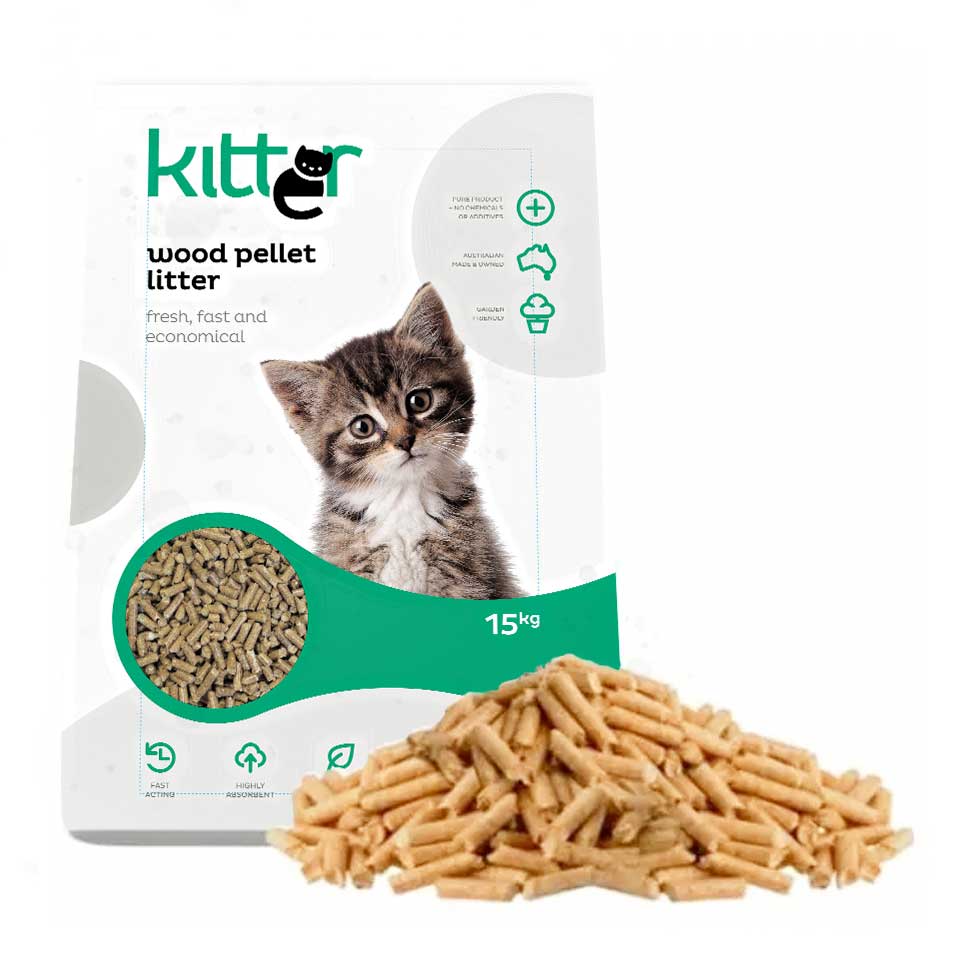
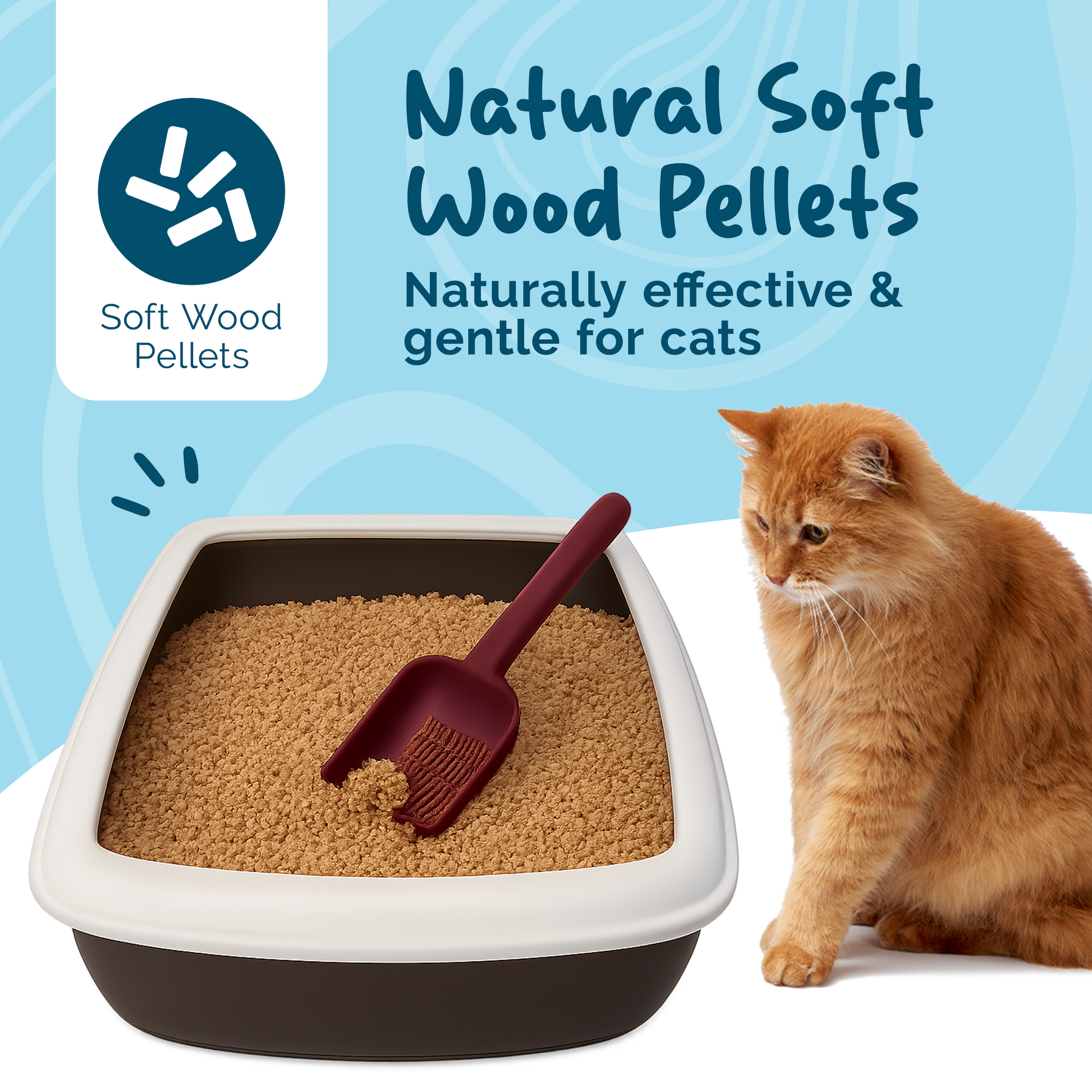
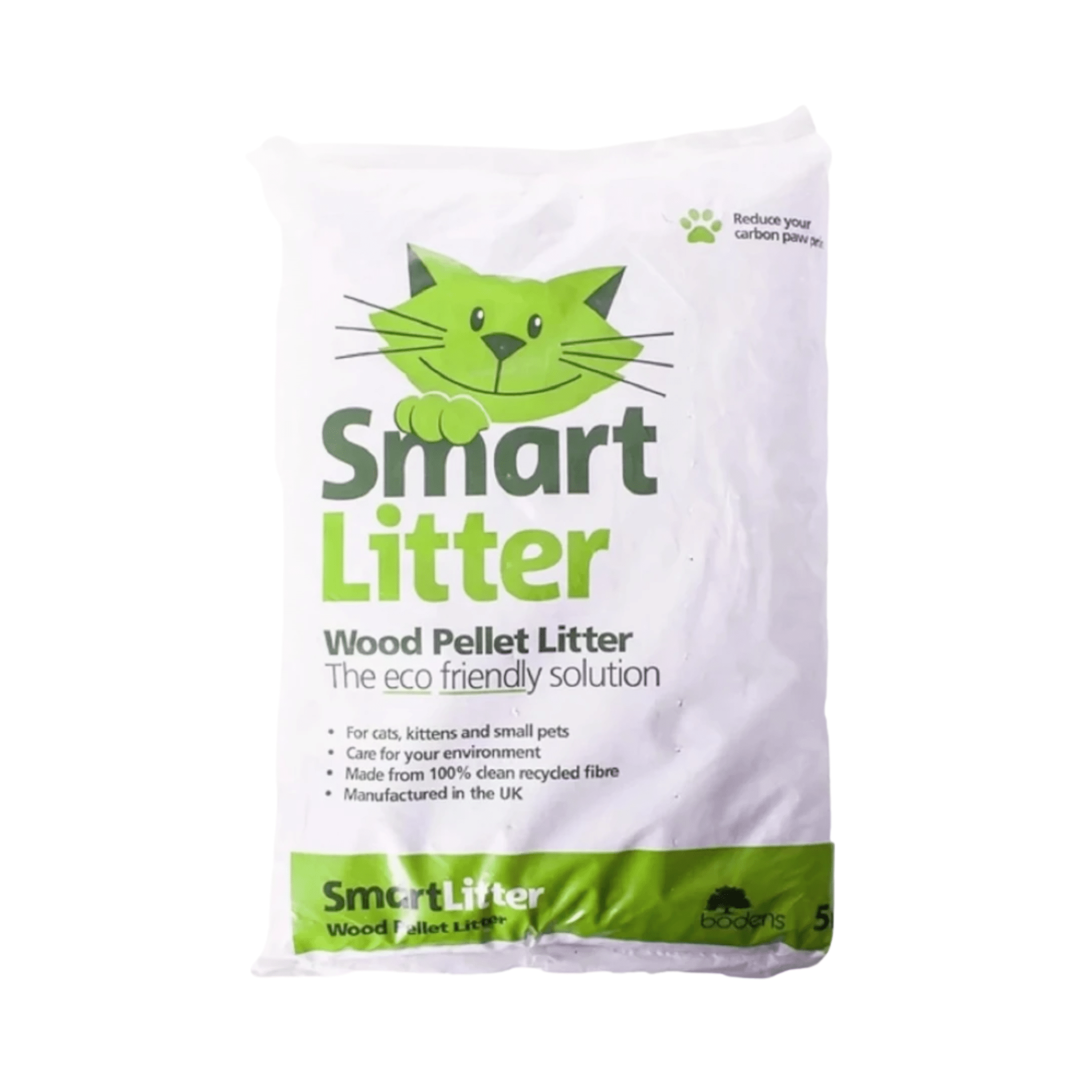
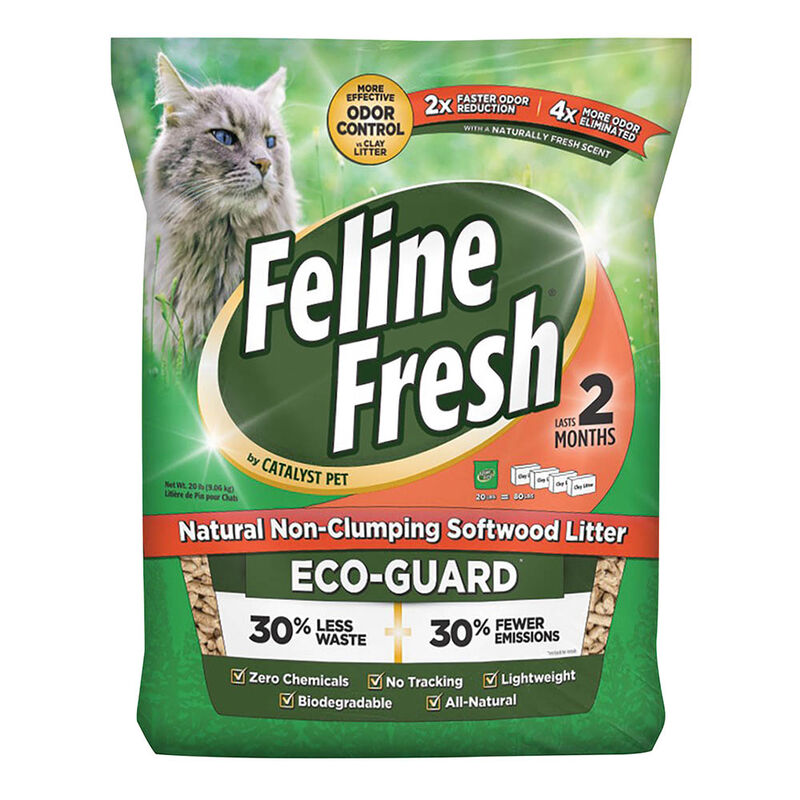
Pellet litter is a type of natural litter made from compressed materials like wood or paper. The pellets are larger and less dusty than traditional granules. Many cat owners find pellet litter reduces tracking and is easy to clean, but does your cat enjoy the feel of pellets under their paws?
This litter type excels at odor control and moisture absorption. If you want to try pellet litter, observe how your cat reacts—some love the firmness, others prefer a softer texture. Experimenting can lead you to the perfect choice for your household.
Why Choose Pellet Litter
Choosing the right litter for your cat is more than just a matter of convenience—it affects your home, your pet’s health, and even the environment. Pellet litter stands out as a smart option that meets various needs without compromising on performance. Understanding why pellet litter could be the best fit might change how you view cat care entirely.
Environmental Benefits
Pellet litter often comes from natural materials like wood, which makes it biodegradable and compostable. Unlike traditional clay litters, pellet litter breaks down quickly, reducing landfill waste.
Using pellet litter helps you support sustainable practices. Have you considered how your litter choice impacts the planet? This option lets you care for your cat and the environment simultaneously.
Odor Control
Pellet litter absorbs moisture efficiently, keeping odors under control longer than some traditional litters. The natural wood scent can mask unpleasant smells without harsh chemicals.
Many cat owners notice their homes stay fresher with pellet litter. Could a simple switch improve your living space’s air quality? It’s worth trying if odor has been a challenge.
Dust And Allergies
Low dust is a major benefit of pellet litter. It produces minimal airborne particles, reducing allergy triggers for both cats and humans.
If you or your cat suffer from respiratory issues, pellet litter might ease symptoms. Have you noticed sneezing or coughing linked to litter dust? This could be the solution you need.
Cats’ Preferences And Behavior
Cats often prefer soft, fine litter but may accept pellet litter if it feels comfortable. Their behavior depends on texture, smell, and cleanliness. Observing your cat’s reaction helps decide if pellet litter suits them.
Cats are fascinating creatures with unique preferences, especially when it comes to their litter choices. Understanding your cat’s behavior and preferences can help you select the best litter for their needs. Cats are highly sensitive and particular, so it’s essential to consider various factors like texture, scent, and adaptation time when introducing pellet litter.Texture And Comfort
Many cats are tactile creatures. They appreciate the feel of the litter under their paws. Pellet litter often has a different texture compared to traditional clumping clay or sand-like options. Some cats might find the larger, firmer pellets uncomfortable, while others may enjoy the firmer footing. Observing your cat’s reaction when they first step into a new litter can offer insights into their comfort level. If your cat seems hesitant, try mixing the pellet litter with their current litter to ease the transition.Scent Sensitivity
Cats have an incredibly keen sense of smell. They might be deterred or attracted to litter based on its scent. Pellet litter is often made from natural materials like wood or paper, which can have a distinctive aroma. Some cats may find these scents appealing, while others might be put off. If your cat is avoiding the litter box, consider whether the scent of the litter might be too strong for their sensitive noses. Offering unscented options could be a simple solution.Adaptation Period
Introducing any new litter requires patience. Cats may need time to adapt to changes in their environment. A sudden switch to pellet litter might confuse or stress your cat. Gradually mixing the new litter with the old can help your cat adjust more comfortably. Consistency in cleaning and maintenance during this period also reassures your cat that their litter box is a safe space. Have you noticed your cat being particular about changes in their routine before? This period is a great opportunity to observe and understand more about their unique preferences.Common Issues With Pellet Litter
Pellet litter offers a unique option for cat owners but comes with some common issues. Understanding these problems can help decide if pellet litter suits your cat’s needs and lifestyle. These issues affect daily use and maintenance.
Tracking Problems
Pellet litter tends to stick to cats’ paws. This causes pellets to scatter around the house. The size and shape of pellets make them easier to track than fine litter. It creates more cleaning around the litter box area. This can be frustrating for owners who want a tidy space.
Absorbency Concerns
Pellet litter often absorbs liquid slower than clay or clumping types. This can lead to puddles forming inside the box. It may also produce unpleasant odors faster. Some pellets break down into dust or mush when wet, reducing their effectiveness. Choosing the right type of pellet litter is important to avoid these issues.
Cleaning Challenges
Cleaning pellet litter requires more effort than traditional litter. Pellets do not clump, so waste must be scooped carefully. Wet pellets can stick to the box, needing extra scrubbing. Regular full changes are necessary to keep the box clean. This process can take more time and energy for pet owners.
Tips For Transitioning To Pellet Litter
Switching your cat to pellet litter can take time and patience. Cats are sensitive to changes in their environment. This guide helps you make the change smooth and easy for your pet.
Gradual Introduction
Start by placing the pellet litter in a small part of the litter box. Let your cat explore it without pressure. Watch your cat’s reaction and give them time to adjust. Slowly increase the amount of pellet litter over several days. Avoid rushing the process to prevent stress or refusal.
Mixing Litters
Mix pellet litter with your cat’s current litter at first. Use a ratio of mostly old litter with some pellets. Gradually shift this ratio to more pellets over time. Mixing helps your cat get used to the new texture and smell. Keep the box clean to encourage use.
Encouraging Use
Place the litter box in a quiet, easy-to-access spot. Praise or gently reward your cat after they use the box. Avoid scolding if they avoid the pellet litter. Try using a clean scoop and fresh litter daily. Patience and positive reinforcement work best.
Credit: pdsapetstore.org.uk
Owner Experiences And Reviews
Understanding how cats and their owners respond to pellet litter is key to deciding if it’s a good fit for your home. Real experiences provide valuable insights beyond product descriptions. Let’s look at what owners say about pellet litter, both the good and the challenging, and what experts think about its use.
Positive Feedback
Many owners praise pellet litter for its low dust and excellent odor control. One cat owner shared that after switching to pellet litter, their cat’s litter box stayed fresher for days, reducing cleaning frequency significantly.
Users also appreciate that pellets don’t stick to paws or fur, which helps keep their homes cleaner. Several have noted that their cats quickly adapted to the texture, showing no hesitation to use the box.
- Long-lasting and cost-effective
- Easy to scoop and maintain
- Natural materials appeal to eco-conscious pet parents
Negative Reactions
Not all experiences are positive. Some cats reject pellet litter because of the texture, which can feel too hard or noisy under their paws.
One owner mentioned that their cat avoided the litter box entirely for a few days after switching, causing a stressful cleanup. This highlights how sensitive cats can be to litter changes.
Additionally, pellets may absorb urine less quickly than clumping litters, leading to occasional odors if the box is not scooped promptly.
- Some cats dislike the texture and sound
- Possible slower absorption causing odor issues
- Messier tracking in some cases
Expert Opinions
Veterinarians and feline behaviorists emphasize the importance of observing your cat’s preferences. Pellet litter can be a good option for cats with respiratory issues due to its low dust.
Experts suggest introducing pellet litter gradually, mixing it with the current litter to ease transition. This can prevent litter box avoidance and stress.
They also recommend monitoring your cat’s comfort and cleanliness habits closely after the switch. If problems arise, they advise considering alternative litters tailored to your cat’s needs.
Credit: www.renspets.com
Frequently Asked Questions
Do Cats Prefer Pellet Litter Over Traditional Litter?
Many cats accept pellet litter due to its texture and odor control. However, preferences vary by cat. Pellets are less dusty and eco-friendly, but some cats may prefer finer textures like clumping clay. Trying different types helps find the best fit for your cat’s comfort.
Is Pellet Litter Safe For Cats To Use?
Yes, pellet litter is generally safe for cats. It is made from natural materials like wood or paper. Pellets reduce dust and harmful chemicals. Still, monitor your cat for any allergies or discomfort. Consult your vet if you notice unusual behavior or health issues.
How Does Pellet Litter Control Odor Compared To Clay?
Pellet litter controls odor naturally through absorption. The wood or paper pellets trap moisture and neutralize smells. It lacks strong artificial fragrances, making it ideal for sensitive cats. While clay litters mask odors with chemicals, pellets provide a fresher, more natural option for odor management.
Can Pellet Litter Be Easily Cleaned And Maintained?
Yes, pellet litter is easy to clean. It forms clumps or breaks down when wet, simplifying scooping. Some pellets can be flushed or composted. Regular changing and stirring keep the litter box fresh. Pellet litter also produces less dust, reducing cleanup time around the box.
Conclusion
Cats can like pellet litter, but it depends on their taste. Some cats enjoy its texture and low dust. Others may prefer softer or finer litter types. Pellet litter often controls odor well and lasts longer. It’s worth trying to see how your cat reacts.
Watch your cat’s behavior for signs of comfort or stress. Choosing the right litter helps keep your cat happy and healthy. Simple changes can make a big difference in your cat’s litter box experience.

Lily Purrington is the founder of MyKittyPicks.com, a cozy corner of the web dedicated to helping cat lovers discover the best cat products, furniture, toys, and home decor ideas.
A lifelong cat enthusiast, Lily shares trusted tips, honest product recommendations, and stylish inspiration designed to keep kitties happy and homes beautiful.
Her mission is simple: to bring together practical advice and purr-fect picks that make life better for cats and the people who love them.


