

Have you ever wondered if your cat actually likes wearing a collar? You might think it’s just a simple accessory, but for your furry friend, it can mean a lot more.
Understanding how your cat feels about collars can help you keep them safe without causing stress. You’ll discover the surprising truths about cats and collars, and learn how to choose the right one that your pet will feel comfortable with.
Keep reading to find out what really makes a difference for your cat’s comfort and safety.
Cats And Collars
Many cat owners wonder if their feline friends actually like wearing collars. The truth is, cats have unique reactions to collars based on their personalities and past experiences. Understanding these differences can help you choose the right collar and make your cat comfortable.
Why Cats React Differently
Some cats accept collars quickly, while others resist or try to remove them. This often depends on factors like their age, temperament, and how accustomed they are to wearing things on their bodies.
For example, a kitten introduced to a collar early on is more likely to adapt easily compared to an older cat who has never worn one. Some cats feel restricted or stressed, especially if the collar is too tight or heavy.
Have you noticed your cat’s body language when you put on a collar? Signs like freezing, scratching, or shaking their head show discomfort. Recognizing these signals can help you adjust or choose a different type of collar.
Common Collar Types
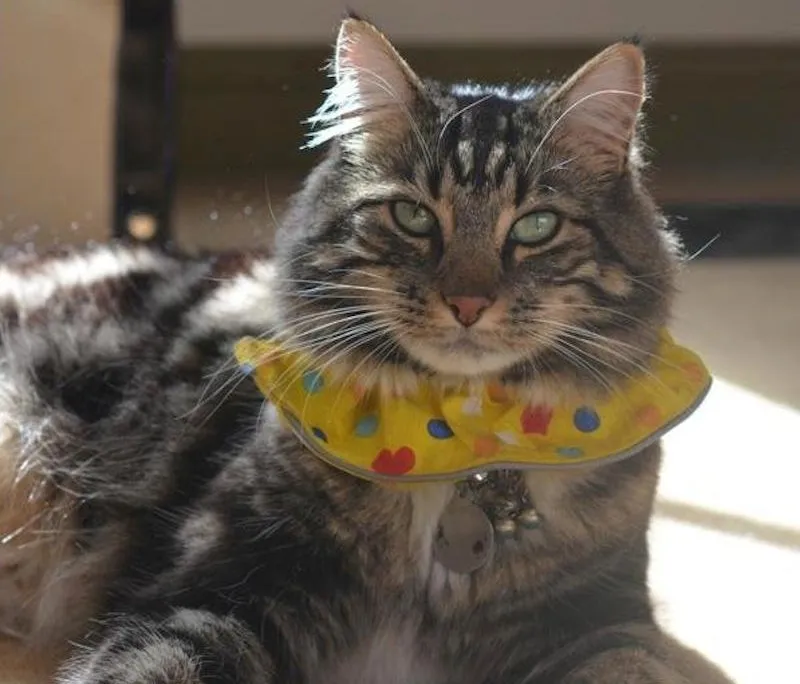
- Breakaway Collars:Designed to snap open if caught on something, they are safer and reduce the risk of choking.
- Elastic Collars:Stretchy and more forgiving, but may not be as secure as breakaway types.
- Leather or Nylon Collars:Durable and available in many styles, but heavier collars can bother some cats.
- GPS or Smart Collars:Helpful if your cat goes outdoors, allowing you to track their location.
Choosing the right collar means balancing comfort, safety, and your cat’s lifestyle. Have you tried different types to see which your cat prefers? Sometimes, starting with a soft, lightweight collar and gradually increasing wear time helps build tolerance.
Credit: www.smithsonianmag.com
Benefits Of Collars
Collars offer more than just a stylish look for your cat. They serve practical purposes that enhance your cat’s safety and your peace of mind. Understanding these benefits can help you decide if a collar is right for your furry friend.
Identification And Safety
One of the biggest advantages of collars is identification. A collar with an ID tag can quickly reunite you with your cat if they wander off. It shows your cat belongs to someone, which can prevent them from being mistaken as a stray.
Adding your phone number or address on the tag makes it easier for anyone who finds your cat to contact you. This simple step can save hours of worry and searching. Have you ever thought about how quickly a lost pet can be identified with just a collar?
Tracking And Monitoring
Collars designed for tracking let you keep an eye on your cat’s whereabouts. GPS collars provide real-time location updates, which is especially helpful for outdoor cats. This technology can alert you if your cat leaves a designated safe zone.
Some collars also monitor activity levels, helping you notice changes in behavior early. For example, a sudden drop in activity might signal health problems. Have you considered how tracking could improve your cat’s overall well-being?
Potential Downsides
While collars can be useful for identification and style, they are not without their drawbacks. It’s important to consider how collars might affect your cat’s comfort and safety. Understanding these potential downsides helps you make a better choice for your furry friend.
Discomfort And Stress
Some cats simply don’t enjoy wearing collars. The sensation of something around their neck can feel strange or restrictive, causing them to scratch or try to remove it. I’ve seen cats pace nervously or hide more often after a collar was introduced, which shows how stressful it can be for them.
If your cat shows signs of irritation like constant pawing at the collar or rubbing their neck on furniture, it might be a sign that the collar doesn’t fit well or is causing discomfort. Not all collars are created equal; some materials or tightness levels can irritate your cat’s sensitive skin. Have you noticed your cat’s mood change after putting on a collar? That’s a clue worth paying attention to.
Risk Of Injury
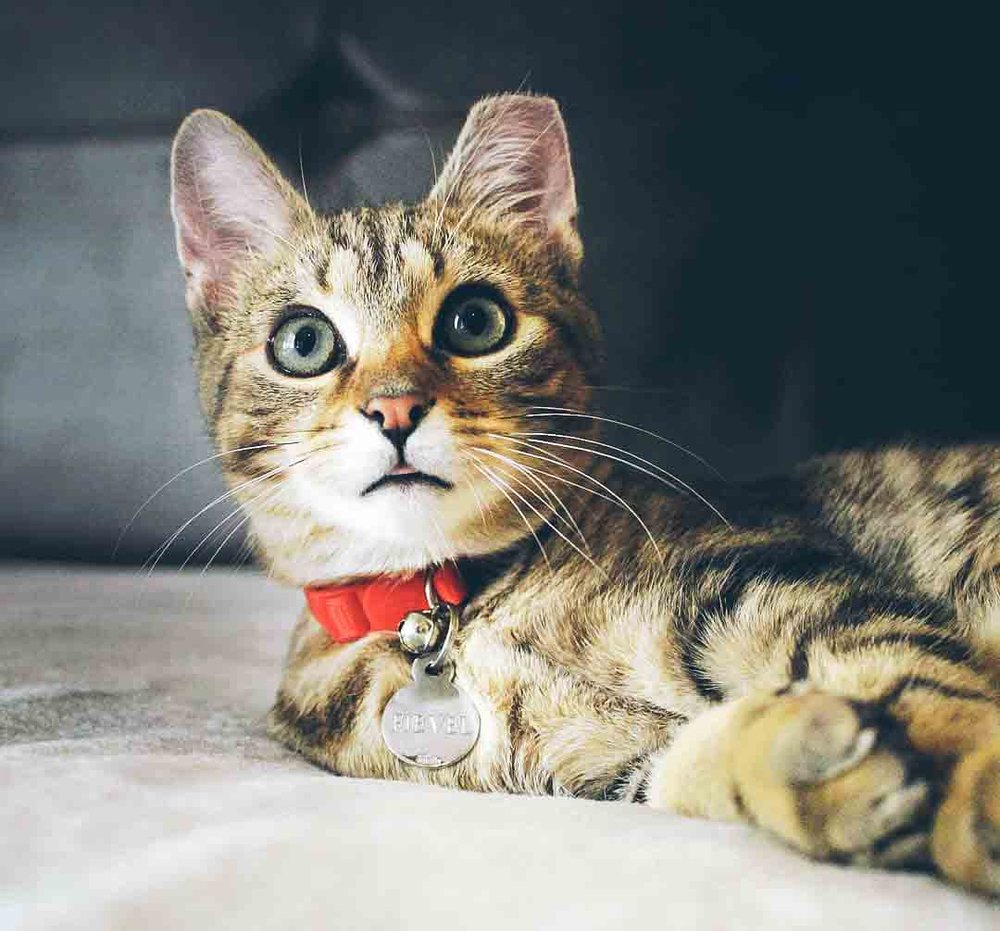
Collars can pose a safety risk if they get caught on objects such as branches, fences, or furniture. This can cause choking or even serious injury if your cat struggles to free themselves. Breakaway collars are designed to reduce this risk, but they are not foolproof.
Sharp edges on tags or poorly made collar parts can scratch or hurt your cat. You should regularly inspect the collar for wear and tear. Also, think about your cat’s lifestyle—if they roam outside or climb a lot, a collar might increase their risk of accidents.
Credit: catexplorer.co
Choosing The Right Collar
Choosing the right collar for your cat is crucial. A collar should be comfortable and safe for your feline friend. It should also reflect their unique personality. Understanding different aspects of collars helps in making the best choice.
Material And Fit
The collar’s material affects your cat’s comfort. Soft materials like cotton or nylon are gentle on their skin. Ensure the collar is lightweight. Cats dislike heavy collars.
Fit is equally important. It should not be too tight or too loose. A good rule of thumb is the two-finger test. You should easily slide two fingers between the collar and your cat’s neck.
Breakaway Features
Safety is a top priority for cat collars. Breakaway collars are designed for this purpose. They release under pressure to prevent choking hazards.
This feature is essential for outdoor cats. It protects them from getting caught on branches or fences. Always check that the breakaway mechanism works properly.
Introducing Collars To Cats
Cats often feel unsure about collars at first. Many dislike the new sensation but can get used to them with patience and gentle introduction. Choosing a soft, lightweight collar helps cats adjust more comfortably.
Introducing collars to your cat can be a challenging yet rewarding endeavor. While some cats may take to collars like a fish to water, others may resist this new addition to their daily attire. Understanding how to introduce a collar correctly can ease the process and ensure your feline friend feels comfortable and secure.Gradual Acclimation
Start by letting your cat sniff and play with the collar. This initial interaction helps them familiarize themselves with the new item. You can even rub the collar with a cloth that has your scent to make it more comforting. Introduce the collar for short periods. Begin with just a few minutes and gradually extend the time. This helps your cat get used to the feeling without overwhelming them. Observe your cat’s behavior closely. If they seem stressed, remove the collar and try again later. Patience is key during this acclimation phase.Positive Reinforcement
Reward your cat with treats and affection when they wear the collar. This creates a positive association and encourages them to accept it more readily. Consider playing their favorite game or offering special treats when the collar is on. This turns the experience into something enjoyable rather than a chore. Have you thought about how your cat perceives the collar? By associating it with positive experiences, you can make this new accessory a welcomed part of their routine.
Credit: www.familyhandyman.com
Signs Your Cat Dislikes Their Collar
Not all cats enjoy wearing collars. Some show clear signs of discomfort or dislike. Recognizing these signs helps keep your cat safe and happy. Watch your cat closely after putting on a collar.
Behavioral Changes
- Excessive scratching around the neck area
- Trying to bite or remove the collar
- Hiding or avoiding interaction
- Restlessness or pacing more than usual
- Sudden aggression or irritability
Physical Indicators
- Redness or irritation on the neck
- Hair loss where the collar sits
- Swelling or bumps under the collar
- Visible discomfort when touching the neck
- Difficulty breathing or swallowing
Alternatives To Collars
Not all cats take well to collars, and that’s perfectly okay. There are several alternatives to traditional collars that keep your feline safe and identifiable without causing discomfort. These options can fit different lifestyles and preferences, making it easier for you to protect your furry friend.
Microchipping
Microchipping is a small, painless procedure where a tiny chip is inserted under your cat’s skin. This chip holds essential information that a vet or shelter can scan to identify your pet.
Unlike collars, microchips don’t get lost or caught on objects. This means your cat is always traceable, even if they slip out of the house. Have you ever worried about your cat escaping and losing their collar? Microchipping removes that concern completely.
Harnesses And Tags
Harnesses offer a safe way to take your cat outside without the risk of them running off. They distribute pressure evenly, making them more comfortable than traditional collars during walks or outdoor adventures.
Pairing a harness with an ID tag ensures your cat is easily identifiable if they wander off. Tags can include your contact details and any special instructions, like medical needs.
Choosing a lightweight, adjustable harness can make all the difference in your cat’s comfort. Have you noticed how some cats tolerate harnesses better than collars? This could be a practical solution if your cat resists wearing anything around the neck.
Frequently Asked Questions
Do Cats Feel Comfortable Wearing Collars?
Cats may take time to adjust to collars. Soft, lightweight collars with breakaway features increase comfort and safety. Proper fit is key to avoiding irritation or injury.
Are Collars Safe For Indoor Cats?
Yes, collars can be safe for indoor cats if they have breakaway clasps. This prevents choking hazards if the collar gets caught on objects.
Why Do Some Cats Dislike Collars?
Cats dislike collars due to unfamiliar sensations or tight fits. Gradual introduction and positive reinforcement help cats accept collars more easily.
Can Collars Help Identify Lost Cats?
Yes, collars with ID tags or QR codes improve chances of recovering lost cats. They provide quick owner contact information to finders.
Conclusion
Cats may or may not like collars depending on their personality. Some cats enjoy wearing collars, while others find them uncomfortable. Always choose soft, lightweight collars that fit well. Check your cat often to ensure the collar is not too tight.
Collars with safety features help keep your cat safe outside. Pay attention to your cat’s behavior and comfort. This helps you decide if a collar suits your pet. Remember, every cat is different. Respect their feelings for a happy, healthy relationship.

Lily Purrington is the founder of MyKittyPicks.com, a cozy corner of the web dedicated to helping cat lovers discover the best cat products, furniture, toys, and home decor ideas.
A lifelong cat enthusiast, Lily shares trusted tips, honest product recommendations, and stylish inspiration designed to keep kitties happy and homes beautiful.
Her mission is simple: to bring together practical advice and purr-fect picks that make life better for cats and the people who love them.


