

Are you wondering if it’s okay to mix wet and dry cat food for your furry friend? You’re not alone.
Many cat owners ask this question, hoping to give their pets the best nutrition without any hassle. Mixing wet and dry food might seem simple, but it comes with important things you should know. Keep reading to discover the benefits, risks, and tips for feeding your cat the right way—so you can feel confident about every meal you serve.
Benefits Of Wet Cat Food
Wet cat food offers several benefits that support your cat’s health and happiness. It is a great choice for cats needing extra hydration, variety, and nutrition. Understanding these benefits helps you decide on the best diet for your feline friend.
Hydration And Moisture Content
Wet cat food contains high moisture, often over 70%. This helps keep cats hydrated, especially those who drink little water. Proper hydration supports kidney health and helps prevent urinary tract issues. Cats naturally get moisture from prey, and wet food mimics this.
Palatability And Taste
Many cats find wet food tastier and more appealing than dry food. The texture and aroma attract picky eaters. Wet food is softer, making it easier to chew for older cats or those with dental problems. This can increase appetite and improve overall eating habits.
Nutritional Advantages
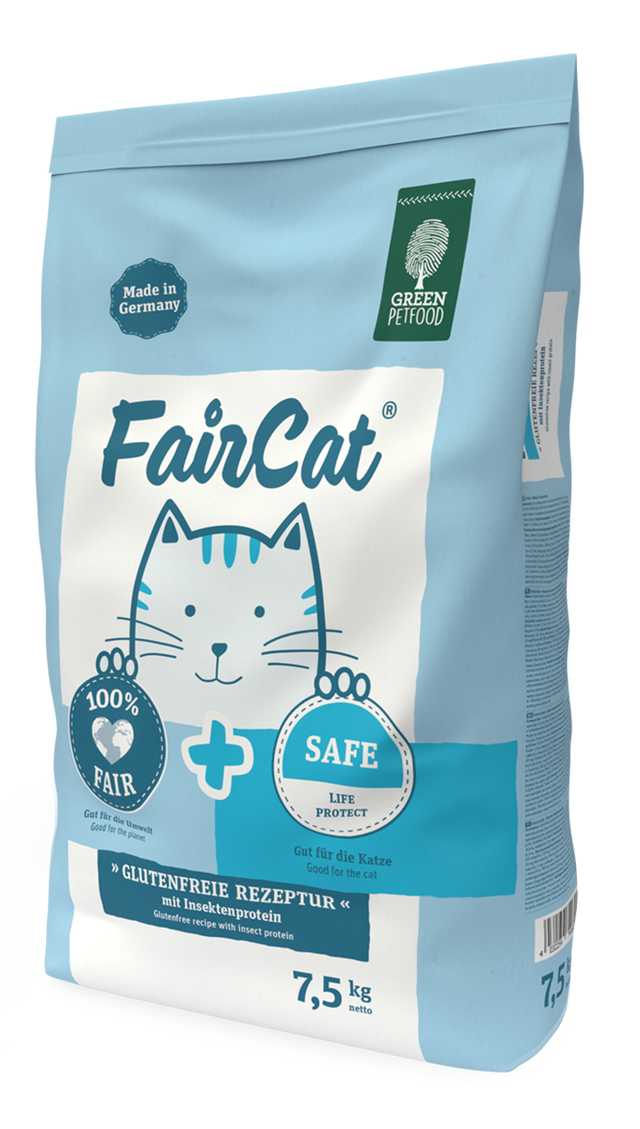
Wet cat food often contains higher protein and fewer carbohydrates than dry food. It provides essential nutrients in a form closer to a cat’s natural diet. Many wet foods include important vitamins and minerals to support growth and immune health. The balanced nutrients help maintain muscle and energy levels.
Credit: www.green-petfood.com
Benefits Of Dry Cat Food
Dry cat food offers several benefits that make it a popular choice among cat owners. It’s not only practical but also supports your cat’s health in different ways. Understanding these benefits can help you decide if dry food fits your cat’s lifestyle and dietary needs.
Convenience And Storage
Dry cat food is easy to store and has a long shelf life. You can keep a large bag on hand without worrying about it spoiling quickly. This means fewer trips to the store and less hassle feeding your cat, especially if you have a busy schedule.
Because it doesn’t require refrigeration, you can leave it out for your cat throughout the day. This is perfect if your cat prefers to graze rather than eat set meals. Have you noticed how your cat’s eating habits change when food is always available?
Dental Health Benefits
One surprising benefit of dry cat food is its impact on dental health. The crunchy texture helps reduce plaque and tartar buildup on your cat’s teeth. While it’s not a substitute for regular dental care, it can support healthier gums and teeth between vet visits.
Think about how often you brush your own teeth and how food texture affects your oral health. Could switching to dry food help your cat avoid dental problems down the line?
Cost And Availability
Dry cat food tends to be more affordable than wet options, making it easier on your budget. It’s also widely available in most stores and online, so you won’t have to search hard to find it. This accessibility means you can quickly restock without interrupting your cat’s feeding routine.
Budget-friendly food doesn’t mean low quality, though. Many brands offer nutritious dry food formulas that meet your cat’s dietary needs. What would you do with the extra savings from choosing dry food?
Mixing Wet And Dry Food
Mixing wet and dry cat food can be a smart way to keep your feline friend happy and healthy. It combines the benefits of both types while offering variety in texture and taste. But how do you do it right? Let’s dive into why and how you might mix these foods effectively.
Reasons To Combine Both
Wet food helps keep your cat hydrated, especially if they don’t drink much water on their own. Dry food, on the other hand, is convenient and helps maintain dental health by reducing plaque buildup.
Some cats get bored eating just one type of food. Mixing gives them a more interesting meal, which can improve their appetite and satisfaction. Plus, wet food often contains more protein and fat, while dry food provides fiber, creating a balanced diet.
Proper Mixing Techniques
Start by adding small amounts of wet food to the dry food to see how your cat reacts. Mixing in a shallow bowl prevents spills and makes it easier for your cat to eat.
Make sure the wet food is fresh and at room temperature before mixing. Cold food can be off-putting. Also, avoid mixing too much wet food, as it can spoil faster than dry food.
Portion Control Tips
Mixing foods can confuse how much to feed. Use the feeding guidelines on both packages as a starting point and adjust based on your cat’s weight and activity level.
- Measure portions carefully to avoid overfeeding.
- Keep track of your cat’s weight weekly.
- Adjust portions if you notice weight gain or loss.
Have you noticed your cat’s preferences change over time? Mixing food allows you to adapt to those changes while keeping their diet balanced and enjoyable.
Potential Risks And Concerns
Mixing wet and dry cat food may seem convenient. Yet, it carries some risks that pet owners must consider. These concerns can affect your cat’s health and well-being. Understanding these risks helps in making better feeding choices.
Digestive Issues
Wet and dry foods digest at different speeds. Dry food takes longer to break down than wet food. Mixing both can upset your cat’s stomach. Cats may experience vomiting or diarrhea. Their sensitive digestive system struggles to handle the mix.
Nutritional Imbalance
Wet and dry foods have different nutrient levels. Combining them without proper balance may cause nutritional gaps. Cats need a steady intake of vitamins, minerals, and protein. Overfeeding one type can lead to excess calories. This imbalance can affect their growth and energy.
Food Spoilage
Wet food spoils faster than dry food. Leaving wet food mixed with dry food can cause bacteria growth. Spoiled food can make your cat sick. Always serve fresh portions and remove leftovers quickly. Proper storage is essential to keep food safe.
Expert Recommendations
Experts suggest careful consideration when mixing wet and dry cat food. This approach can benefit some cats but might not suit others. Proper guidance ensures your cat stays healthy and happy.
Consulting Your Veterinarian
Your vet knows your cat’s health best. Ask about mixing wet and dry food. They can advise based on age, weight, and medical history. Vets can recommend the right portions and types.
Tailoring Diet To Your Cat’s Needs
Every cat has unique nutritional needs. Some need more moisture, others need fewer calories. Adjust the mix to support their lifestyle and health goals. Monitor how your cat reacts to changes in diet.
Monitoring Health And Behavior
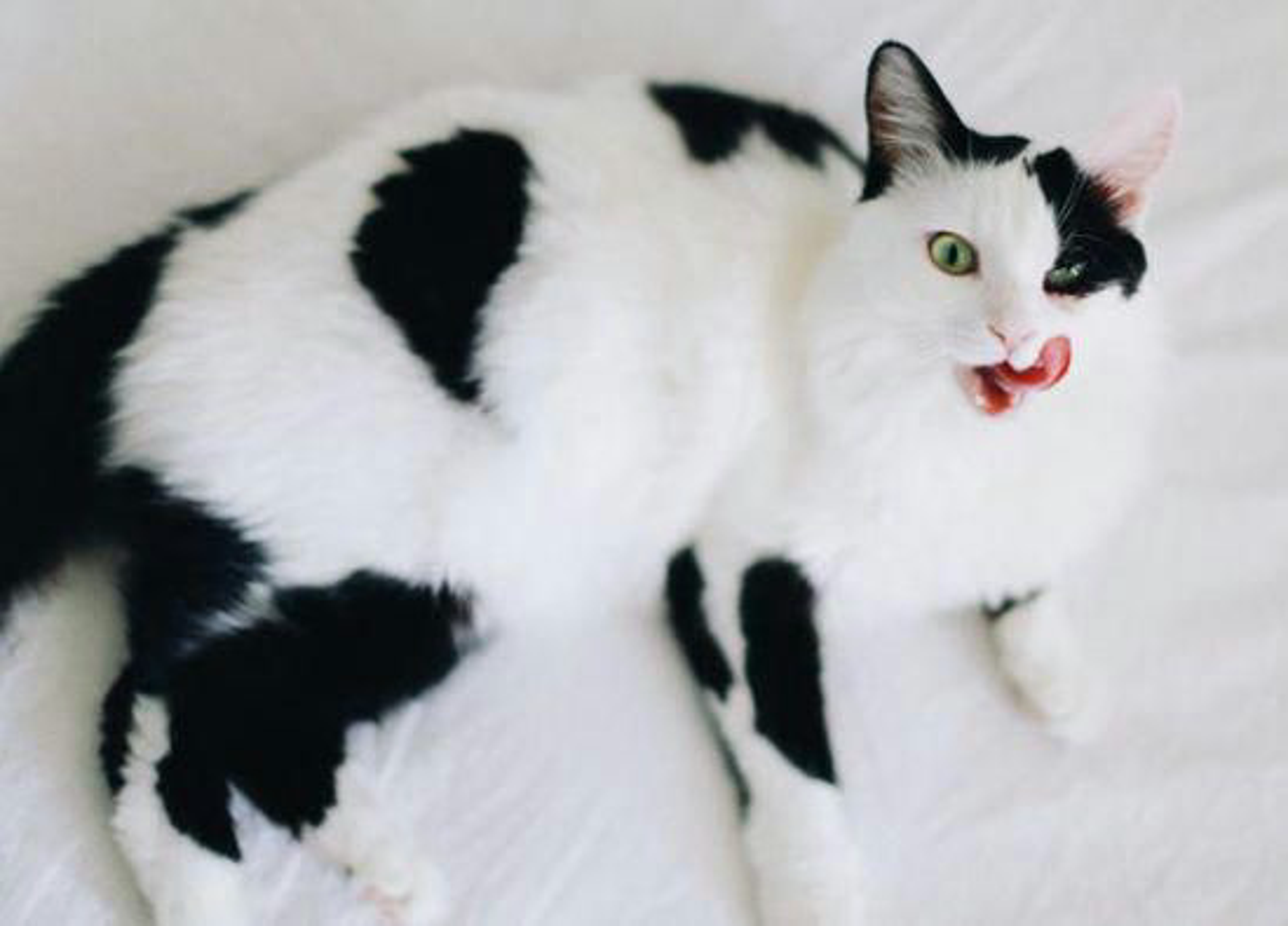
Watch for changes in appetite or digestion. Check for signs like vomiting or diarrhea. Notice energy levels and coat condition. Regular check-ups help catch problems early when diet changes.
Credit: www.green-petfood.com
Transitioning Between Foods
Switching your cat from one type of food to another can be tricky. Cats often have sensitive stomachs and strong preferences. Making the change smoothly helps avoid digestive upset and ensures your pet stays happy and healthy.
Gradual Changes
Start by mixing a small amount of the new food with your cat’s current food. Gradually increase the new food’s portion over 7 to 10 days. This slow shift allows your cat’s digestive system to adjust without stress.
For example, if you’re moving from dry to wet food, begin with 25% wet food and 75% dry. Slowly balance the ratio until your cat eats only the new food. Have you noticed how even a slight change in texture can affect your cat’s appetite?
Signs Of Food Sensitivity
Watch for signs like vomiting, diarrhea, or excessive scratching during the transition. These symptoms may indicate your cat is sensitive to the new food or an ingredient in it. If you see these signs, pause the change and consult your vet.
Sometimes, food sensitivity shows up as subtle changes like reduced energy or a dull coat. Keep a daily log of your cat’s behavior and digestion during the switch. How closely have you been observing your cat’s reactions to new foods?
Adjusting Feeding Schedule
Mixing wet and dry foods may require tweaking your feeding times. Wet food often spoils faster, so feed smaller portions more frequently. Dry food can be left out longer, giving your cat access throughout the day.
You might try giving wet food at set meal times and leaving dry food available as a snack. This approach can help regulate your cat’s eating habits and prevent overeating. Have you found a feeding routine that works best for your cat’s preferences and lifestyle?
Credit: www.chewy.com
Frequently Asked Questions
Can Cats Eat Wet And Dry Food Together?
Yes, cats can eat wet and dry food together. Mixing both helps balance hydration and dental health. It also provides variety in texture and flavor, making meals more enjoyable for your cat.
Is Mixing Wet And Dry Cat Food Safe?
Mixing wet and dry cat food is safe when done properly. Ensure portion sizes meet your cat’s dietary needs to avoid overfeeding or digestive issues. Always consult your vet for personalized feeding advice.
How To Transition Cats To Mixed Food Diet?
Transition gradually over 7-10 days by mixing increasing amounts of new food. This prevents stomach upset and helps cats adjust to new tastes and textures smoothly.
Does Mixing Wet And Dry Food Affect Cat Hydration?
Yes, wet food adds moisture, improving hydration levels. Combining it with dry food helps maintain fluid balance and supports kidney health, especially in cats prone to urinary issues.
Conclusion
Mixing wet and dry cat food can offer variety and balance to your cat’s diet. Both types provide important nutrients and textures that cats enjoy. Just watch the portions to avoid overfeeding. Always check your cat’s reaction to the mix.
Some cats prefer one type over the other. Keep fresh water available at all times. Consult your vet if you notice any issues. Feeding your cat this way can keep mealtime interesting and healthy. Simple steps lead to happy, well-fed cats.

Lily Purrington is the founder of MyKittyPicks.com, a cozy corner of the web dedicated to helping cat lovers discover the best cat products, furniture, toys, and home decor ideas.
A lifelong cat enthusiast, Lily shares trusted tips, honest product recommendations, and stylish inspiration designed to keep kitties happy and homes beautiful.
Her mission is simple: to bring together practical advice and purr-fect picks that make life better for cats and the people who love them.


