

You love your furry feline friend, but the thought of pesky fleas hitching a ride on them can be unsettling. Fleas are not only annoying but can also cause discomfort for your cat and even infest your home.
You might be wondering, do cats actually carry fleas? The answer may surprise you. We will uncover the truth about cats and fleas, shedding light on how these tiny parasites can affect your cat’s health and what you can do to keep them at bay.
Stay with us as we reveal simple yet effective strategies to ensure your beloved pet stays flea-free and comfortable. Don’t let fleas put a damper on your bond with your cat—read on to discover how to protect them and your home.
Flea Basics
Understanding fleas is important for every cat owner. These tiny pests can cause discomfort and health issues. Knowing their nature helps in better prevention and care.
What Are Fleas?
Fleas are small, wingless insects that feed on blood. They live on animals, especially cats and dogs. Fleas jump easily from one host to another. Their bites cause itching and skin irritation. Fleas also lay eggs on the host’s fur. These eggs fall into the environment and hatch later.
Common Flea Species On Cats
- Ctenocephalides felis:The most common flea found on cats worldwide.
- Ctenocephalides canis:Usually found on dogs but can also infect cats.
- Pulex irritans:Known as the human flea but sometimes found on pets.
The cat flea, Ctenocephalides felis, is the main culprit. It causes most flea problems in cats. These fleas survive by feeding on the cat’s blood. They can also spread diseases and tapeworms.
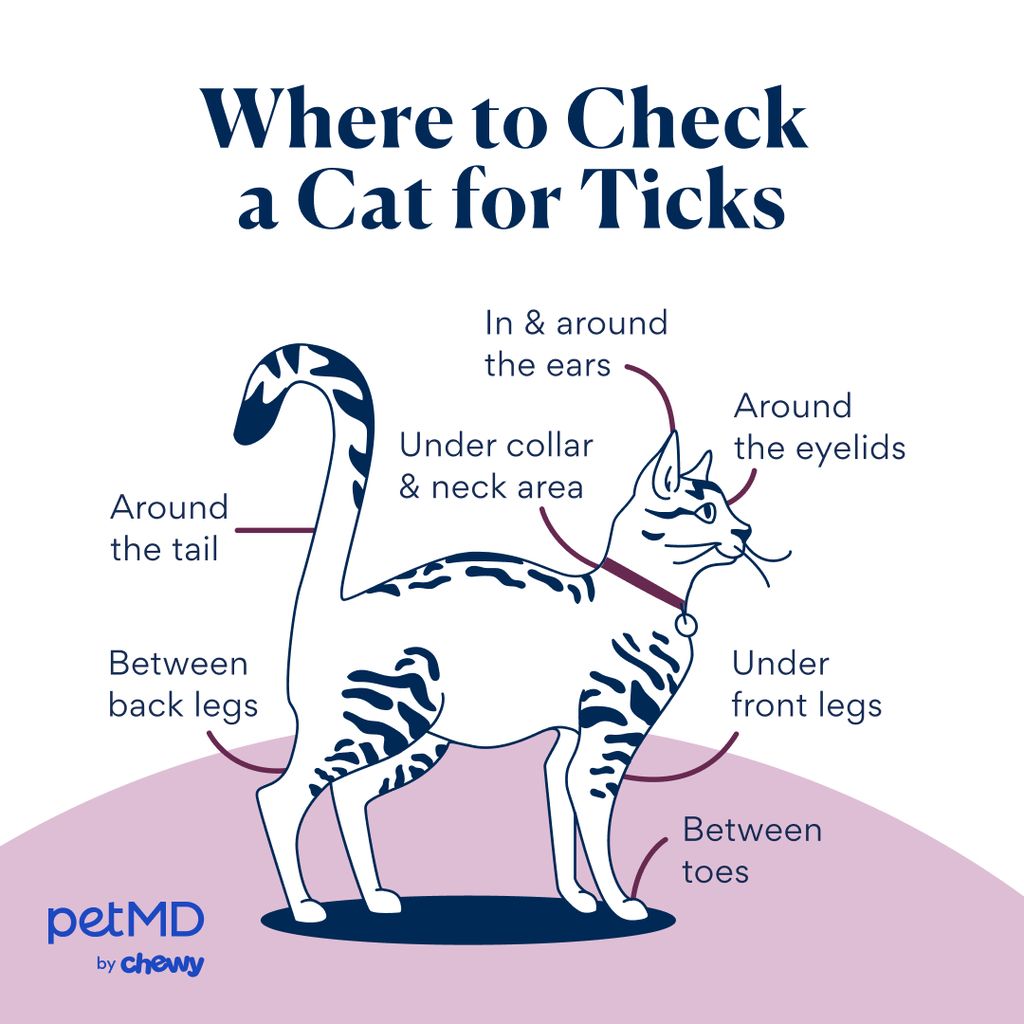
Credit: www.petmd.com
How Cats Get Fleas
Cats often catch fleas without owners noticing. Fleas are tiny pests that easily jump onto pets. They hide in fur, causing itching and discomfort. Understanding how cats get fleas helps prevent infestations. Fleas spread quickly in certain conditions. Knowing the sources and risks keeps cats safe and healthy.
Flea Transmission Methods
Fleas jump from one animal to another. They do not fly but can leap long distances. Cats pick up fleas from:
- Contact with other infested animals
- Walking through grass or bushes where fleas live
- Visiting places with flea eggs or larvae
- Touching furniture or bedding with fleas
Fleas can also hitch a ride on humans or other pets. Once on a cat, fleas lay eggs that multiply fast.
Risk Factors For Flea Infestation
Certain factors increase flea risk for cats. These include:
- Outdoor access to parks, gardens, or woods
- Living with other pets who have fleas
- Warm and humid weather, which helps fleas thrive
- Poor grooming or lack of flea prevention treatments
- Visiting homes or areas with flea problems
Fleas spread more easily where many animals gather. Regular checks and cleaning reduce risks.
Signs Of Fleas On Cats
Noticing fleas on your cat early can save both of you a lot of discomfort. Fleas don’t just cause itching; they can lead to skin infections and even more serious health issues. Being alert to the signs can help you act quickly and keep your furry friend comfortable and healthy.
Physical Symptoms
Look closely at your cat’s fur and skin. Small, dark specks like dirt might actually be flea dirt—flea feces that turn red when wet. You might see tiny, fast-moving insects, especially near the neck, tail, and belly.
Red, irritated patches or scabs are common where fleas bite. Your cat’s fur might look thin or patchy in places due to excessive scratching. Some cats develop allergic reactions, leading to more intense redness and swelling.
Behavioral Changes
Your cat might suddenly become restless or agitated. If you notice frequent scratching, biting, or grooming more than usual, fleas could be the cause. Cats often groom to try to remove fleas but this behavior can increase when fleas are present.
Have you ever seen your cat hide or act withdrawn? Flea discomfort can make them less social and more irritable. Pay attention to changes in their usual activity levels—these shifts can signal they’re not feeling well.

Credit: justcatsclinic.com
Flea Life Cycle
Understanding the flea life cycle is key to managing and preventing infestations on your cat and in your home. Fleas don’t just appear out of nowhere; they go through several stages before becoming the itchy pests you notice. Knowing how they develop helps you break the cycle and protect your furry friend effectively.
Stages Of Development
The flea life cycle has four main stages: egg, larva, pupa, and adult. Each stage has unique characteristics and vulnerabilities you can target.
- Eggs:Flea eggs are tiny and white, often falling off your cat into carpets or bedding. They hatch within 2 to 14 days, depending on temperature and humidity.
- Larvae:These small, worm-like creatures avoid light and feed on organic debris, including adult flea droppings. This stage lasts about 5 to 20 days.
- Pupae:Larvae spin cocoons and enter the pupal stage, which can last from a week to several months. Pupae can stay dormant until they sense a host nearby.
- Adults:Once they emerge, adult fleas seek a host immediately to feed on blood. Females begin laying eggs within 24 to 48 hours, restarting the cycle.
Have you ever wondered why flea treatments sometimes seem ineffective? It’s because pupae can hide in cocoons, waiting quietly until conditions are perfect to hatch.
How Fleas Thrive Indoors And Outdoors
Fleas can survive both inside your home and outside in your yard, making them tough to eliminate. Indoors, they prefer warm, humid places like carpets, pet bedding, and upholstery.
Outdoors, fleas often hang out in shaded, moist areas where animals rest. These spots provide the perfect environment for eggs and larvae to develop.
- Inside your home, vacuuming regularly can remove eggs and larvae before they mature.
- Outside, trimming grass and clearing debris reduces flea-friendly habitats.
- Using flea prevention on your cat stops adult fleas from reproducing and spreading.
Think about your home environment—are there cozy corners where fleas might be hiding? Addressing those spots can make a big difference in controlling fleas.
Health Risks From Fleas
Fleas don’t just cause your cat to scratch endlessly—they bring several serious health risks that can affect both your pet and your home. Understanding these dangers helps you act quickly and protect your furry friend from discomfort and more severe issues. Here’s what you need to know about the health risks fleas carry.
Allergic Reactions
Some cats develop flea allergy dermatitis, a painful reaction to flea bites. Even a single flea bite can cause intense itching, redness, and swelling if your cat is allergic. Have you noticed your cat scratching or grooming excessively? This might be a sign of an allergic reaction that needs prompt treatment.
Continuous scratching can lead to skin infections or hair loss. Don’t ignore these signs—early flea control can prevent your cat from suffering long-term skin problems.
Parasite Transmission
Fleas are more than just itchy pests—they carry other parasites that can infect your cat. Tapeworms are common parasites transmitted when your cat swallows an infected flea during grooming. This can lead to weight loss, vomiting, or visible segments around your cat’s rear.
Besides tapeworms, fleas can spread bacterial infections and other parasites. Regular flea prevention not only stops flea bites but also blocks these dangerous infections from taking hold.
Anemia In Cats
Fleas feed on your cat’s blood, and a heavy infestation can cause anemia—especially in kittens or older cats. Anemia means your cat doesn’t have enough red blood cells, leading to weakness, pale gums, and lethargy. If your cat seems unusually tired or has a fast heartbeat, fleas might be the hidden cause.
Severe anemia requires veterinary care but preventing fleas is the best defense. Do you check your cat’s coat regularly? Spotting fleas early can save your pet from this serious condition.
Preventing Fleas On Cats
Preventing fleas on cats is key to keeping them healthy and happy. Fleas cause itching, discomfort, and can lead to infections. Taking simple, regular steps can stop fleas from settling on your pet. Consistent care protects your cat and your home.
Regular Grooming Habits
Brushing your cat often helps spot fleas early. Use a fine-toothed comb to check fur. Grooming removes dirt and loose hair, making the coat less friendly to fleas. It also improves your cat’s skin health and fur shine. Make grooming a calm, daily routine to keep fleas away.
Flea Control Products
Use vet-approved flea treatments suitable for your cat’s age and weight. These include topical drops, collars, and oral medications. Apply products correctly and follow instructions closely. Regular use prevents flea eggs from hatching and kills adult fleas. Consult a vet before starting any treatment.
Environmental Management
Clean your home to reduce flea risks. Vacuum carpets, furniture, and pet bedding frequently. Wash your cat’s bedding in hot water weekly. Treat your home with safe flea sprays or powders if needed. Outdoor areas should be kept tidy, removing leaf litter and tall grass where fleas hide.
Treating Flea Infestations
Dealing with flea infestations on your cat can be frustrating and stressful. Fleas not only irritate your pet but can also cause health problems like allergies and infections. Treating these pests effectively requires knowing the right options and understanding when to seek professional help.
Topical And Oral Medications
Topical flea treatments are applied directly to your cat’s skin, usually between the shoulder blades. These medications kill fleas quickly and often prevent future infestations. Oral medications, on the other hand, work from the inside out by poisoning fleas when they bite your cat.
Both options have pros and cons. Topical treatments can wash off if your cat swims or gets wet, while oral meds require your cat to swallow a pill or chewable. It’s important to choose a product specifically made for cats and follow the dosage instructions carefully.
Home Remedies And Myths
Many people turn to home remedies like lemon sprays, vinegar baths, or essential oils to get rid of fleas. While some of these methods might help reduce flea numbers, they rarely eliminate an infestation completely. Using essential oils can even be dangerous for cats, causing skin irritation or poisoning.
Have you ever wondered why some flea treatments fail despite your efforts? It’s often because the product doesn’t kill flea eggs or larvae, allowing the cycle to continue. Trusting myths over proven treatments can prolong your cat’s discomfort and make the problem worse.
When To See A Vet
If your cat scratches constantly, loses fur, or develops red, inflamed skin, it’s time to visit the vet. Persistent flea infestations might require prescription-strength medications or additional care like allergy management. A vet can also check for secondary infections or other health issues caused by fleas.
Don’t wait until the problem feels out of control. Early intervention not only helps your cat feel better faster but also protects your home from a full-blown flea invasion. What signs have you noticed that made you take your pet to the vet?
Protecting Your Home
Protecting your home from fleas means more than just treating your cat. Fleas can hide in carpets, furniture, and even cracks in the floor. You need a strategy that tackles both your pet and your living space to stop these pests from taking over.
Cleaning Strategies
Regular cleaning can break the flea life cycle. Vacuum carpets, rugs, and upholstery thoroughly—pay special attention to areas where your cat sleeps or spends time.
Dispose of vacuum bags or empty canisters immediately to prevent fleas from escaping back into your home. Washing your pet’s bedding and any removable covers in hot water can also kill flea eggs and larvae.
Have you noticed fleas hiding in unexpected places? Check under furniture and along baseboards, as these are common flea hideouts that often get overlooked during cleaning.
Treating Pets And Environment Simultaneously
Applying flea treatment only on your cat won’t protect your home entirely. Fleas can survive in the environment and jump back onto your pet if the surroundings stay infested.
Use veterinarian-approved flea treatments on your cat while also treating your home with safe flea sprays or powders. Timing both treatments together is crucial to stop fleas from returning.
Think about the last time you treated just your pet but still found fleas days later—this happens because the environment wasn’t addressed. Treating both at once gives you the best chance at success and peace of mind.
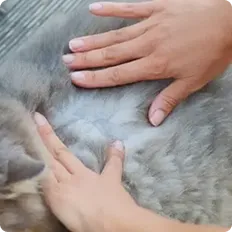
Credit: nexgardforpets.com
Frequently Asked Questions
Do Cats Commonly Carry Fleas?
Yes, cats often carry fleas, especially if they go outdoors. Fleas can cause itching, discomfort, and skin infections in cats.
How Do Fleas Affect Cats’ Health?
Fleas cause itching, allergic reactions, and can transmit diseases. Severe infestations may lead to anemia or other health issues in cats.
Can Indoor Cats Get Fleas?
Indoor cats can get fleas if fleas hitch a ride on humans or other pets. Regular flea prevention is essential for all cats.
How To Detect Fleas On Cats?
Look for flea dirt, tiny black specks, or excessive scratching. Fleas are small, fast, and often hide in fur near the tail and neck.
Conclusion
Cats can carry fleas and spread them quickly. Fleas cause itching and discomfort for cats and humans. Regular checks and cleaning help keep fleas away. Treat your cat with safe flea control products. Keep your home clean to stop flea eggs and larvae.
Early action stops fleas from becoming a big problem. Healthy cats mean fewer fleas and less worry. Stay alert and care for your cat well. Flea prevention keeps everyone happy and comfortable.

Lily Purrington is the founder of MyKittyPicks.com, a cozy corner of the web dedicated to helping cat lovers discover the best cat products, furniture, toys, and home decor ideas.
A lifelong cat enthusiast, Lily shares trusted tips, honest product recommendations, and stylish inspiration designed to keep kitties happy and homes beautiful.
Her mission is simple: to bring together practical advice and purr-fect picks that make life better for cats and the people who love them.


