

If you have a nursing cat, you’re probably wondering how to keep her and her kittens healthy. One big concern is worms.
Can you safely deworm a nursing cat without harming her babies? It’s a question many cat owners face, and the answer isn’t always simple. You want to protect your cat and her kittens, but you also want to avoid any risks.
Keep reading to find out what you need to know to make the best choice for your furry family.
Risks Of Worms In Nursing Cats
Worm infestations in nursing cats pose serious health risks not just to the mother but also to her vulnerable kittens. These parasites can affect milk quality and overall wellbeing, making it crucial to understand the dangers involved. Knowing the risks helps you protect your feline family effectively.
Common Types Of Worms
Several worm species target nursing cats, each with its own threat level:
- Roundworms:These are the most common and can easily transfer to kittens through nursing or grooming.
- Tapeworms:They attach to the intestines and can cause discomfort and nutrient loss in both mother and kittens.
- Hookworms:These worms latch onto the intestinal lining, causing anemia and weakness.
- Whipworms:Less common but still harmful, whipworms can lead to diarrhea and weight loss.
Have you noticed any unusual symptoms in your cat like weight loss or a dull coat? These could be signs of a worm infestation.
Impact On Nursing Cats And Kittens
Worms can drain essential nutrients from nursing cats, leading to fatigue and poor milk production. This directly affects the kittens, who rely entirely on their mother’s milk for growth and immunity.
Kittens infected early may suffer from stunted growth, diarrhea, and even life-threatening conditions. The risk of transmission is high because nursing kittens are in constant close contact with their mother.
Ignoring these risks can lead to a cycle of illness that’s tough to break. Are you prepared to spot early signs and act quickly to keep your cats healthy?

Credit: www.canadapetcare.com
Safe Deworming Options
Deworming a nursing cat requires careful selection of safe options. The health of both mother and kittens is crucial. Choosing the right method ensures their safety and well-being. Let’s explore the safe deworming options available.
Approved Medications For Nursing Cats
Certain medications are safe for nursing cats. Always consult a vet for advice. They can recommend the best treatment. Commonly used medications include:
- Pyrantel pamoate: Effective against roundworms and hookworms.
- Fenbendazole: Known for treating a range of intestinal worms.
- Milbemycin oxime: Used for heartworms and intestinal parasites.
These medications are approved for nursing cats. They ensure safety without harming kittens. Regular vet check-ups help monitor progress.
Natural Remedies And Their Limitations
Some cat owners prefer natural deworming methods. These remedies often include herbs and foods. Pumpkin seeds and garlic are popular choices. But their effectiveness is limited. They might not eliminate all parasites.
Natural remedies lack scientific backing. They should not replace veterinary advice. Always consult a vet before trying natural options. Safety comes first for both mother cat and kittens.
Timing Deworming Treatments
Timing is crucial when it comes to deworming a nursing cat. Choosing the right moments to administer treatments can protect both the mother and her kittens from parasites without causing unnecessary stress or health risks. Understanding the best timeframes and how often to treat can make a big difference in keeping your feline family healthy.
Best Timeframes During Nursing
Deworming should ideally occur before the queen gives birth or shortly after the kittens arrive. Treating the mother cat early helps reduce the risk of passing worms to her kittens through nursing.
Most vets recommend deworming the nursing cat around two weeks after birth. At this point, the kittens are still vulnerable, and the mother’s parasite load can be lowered safely.
Have you noticed how some cats seem more sensitive to medication during nursing? That’s why timing is essential—not just for effectiveness but also for your cat’s comfort and safety.
Frequency Of Treatment
Worms can re-infest quickly, so a single treatment often isn’t enough. Typically, deworming is repeated every 2 to 3 weeks during the nursing period to catch any new parasites early.
This schedule aligns with the lifecycle of common feline worms, helping to break the cycle before it affects the kittens. Keep a clear calendar or reminder system to avoid missing doses.
Remember, your vet’s guidance is key. They can tailor the frequency based on your cat’s health and environment, ensuring you don’t overtreat or undertreat.

Credit: powellfeedstores.com
Administering Dewormers Safely
Administering dewormers to a nursing cat requires careful attention to ensure both the mother and her kittens remain safe and healthy. It’s not just about giving the medicine but doing it in a way that reduces stress and follows precise dosage guidelines. This approach helps protect the delicate balance of your cat’s health during this critical time.
Dosage Guidelines
Getting the dosage right is crucial. Nursing cats need dewormers that are safe for both them and their nursing kittens. Always check the label to confirm the medication is approved for use in lactating cats.
Dosage often depends on your cat’s weight. Giving too little might not clear the parasites, while too much can cause side effects. If you’re unsure, consult your vet for the exact amount. They may recommend a specific product or adjust the dose based on your cat’s health and stage of nursing.
Keep in mind, some dewormers require multiple doses spaced over days or weeks. Missing doses can reduce effectiveness and prolong the problem. So, setting reminders or marking a calendar can help keep you on track.
Techniques To Minimize Stress
Stress can weaken your cat’s immune system, making recovery slower. How can you make the process less stressful for your nursing cat?
- Create a calm environment:Choose a quiet, comfortable spot away from loud noises and other pets.
- Use gentle restraint:Wrap your cat in a soft towel to keep her secure without feeling trapped.
- Speak softly and move slowly:Sudden movements or loud voices can spook her.
- Offer treats afterward:Positive reinforcement helps her associate medication time with something pleasant.
One time, I struggled to give medicine to a nursing cat who was very anxious. Switching to a towel wrap and soft talking made all the difference. She relaxed enough to take the dewormer without a fuss. Could a small change in your approach make your cat’s experience easier?
Monitoring Health Post-treatment
Monitoring your nursing cat's health after deworming is essential to ensure she recovers smoothly and that her kittens remain safe. Paying close attention during this period helps catch any unexpected reactions early. It also reassures you that the treatment is working as intended without causing harm.
Signs Of Side Effects
After deworming, your cat might show some mild side effects. Watch for symptoms like vomiting, diarrhea, or loss of appetite. These can be temporary but should not last more than a day or two.
Other signs include lethargy, excessive drooling, or unusual behavior such as hiding or agitation. Keep a close eye on how your cat acts, especially in the first 48 hours after treatment.
- Vomiting or diarrhea
- Loss of appetite
- Unusual tiredness or weakness
- Excessive drooling
- Changes in behavior
Some cats may have a mild allergic reaction. If you notice swelling, difficulty breathing, or severe itching, act immediately.
When To Contact A Veterinarian
If your cat shows any severe side effects, don’t wait to get professional help. Symptoms like continuous vomiting, bloody diarrhea, or signs of pain require urgent veterinary attention.
Also, if your cat seems disoriented or refuses to eat for more than 24 hours after deworming, reach out to your vet. These could indicate complications that need treatment.
Trust your instincts. If something feels off or you’re unsure about any symptom, a quick call to your vet can save a lot of stress later. Have your veterinarian’s contact information handy before starting treatment.
Preventing Future Infestations
Preventing future infestations is vital for the health of your nursing cat and her kittens. Parasites can easily spread in the environment and cause recurring problems. Taking simple steps helps protect your cat and keeps her safe from worms and other pests.
Hygiene Practices
Maintaining clean surroundings reduces the risk of parasites. Regularly clean the litter box to remove eggs and larvae. Wash bedding often using hot water to kill any hidden pests. Keep your cat’s fur clean by gently wiping her with a damp cloth. Make sure to wash your hands after handling your cat or cleaning her area to avoid spreading parasites.
Environmental Control Measures
Parasites thrive in dirty and damp places. Keep your home dry and well-ventilated to discourage pests. Vacuum floors and furniture regularly to remove eggs and larvae. Dispose of waste properly and avoid leaving food out for long periods. Limit your cat’s access to areas where wild animals roam, as they can carry parasites. Use pet-safe insect repellents or sprays recommended by your vet to control fleas and ticks.
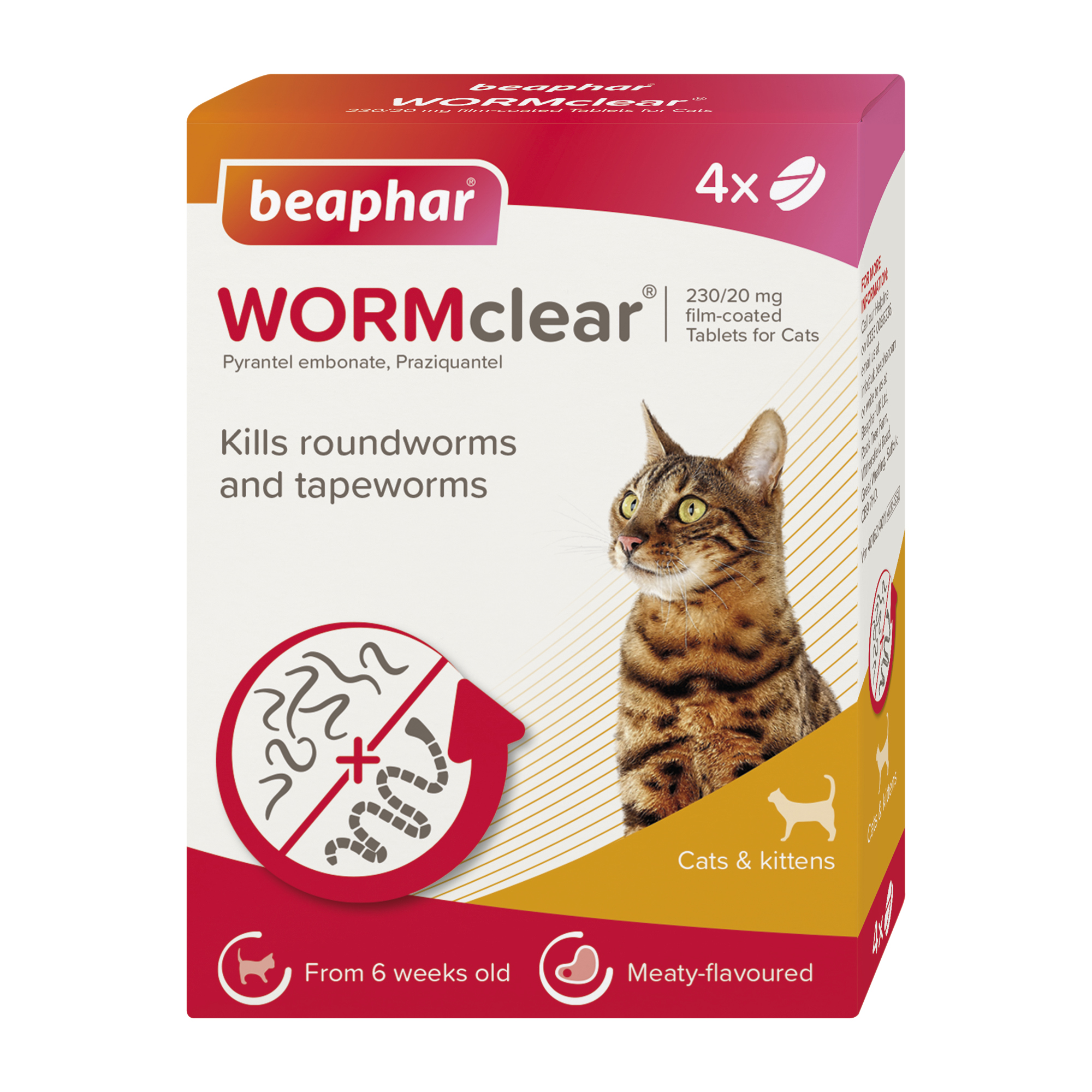
Credit: www.beaphar.co.uk
Frequently Asked Questions
Can You Safely Deworm A Nursing Cat?
Yes, you can safely deworm a nursing cat using vet-approved medications. Always consult your vet before treatment to ensure safety for both mother and kittens.
When Is The Best Time To Deworm A Nursing Cat?
The best time to deworm a nursing cat is after consulting your vet. They recommend timing based on the cat’s health and kittens’ age for safe treatment.
What Dewormers Are Safe For Nursing Cats?
Safe dewormers for nursing cats include pyrantel pamoate and fenbendazole. Use only vet-prescribed products to avoid harming the mother or her kittens.
Can Deworming Nursing Cats Affect Kittens?
Proper deworming of nursing cats helps protect kittens from parasites. Using safe treatments under vet guidance minimizes any risk to the kittens’ health.
Conclusion
Deworming a nursing cat is important for her health and her kittens’. Always check with your vet first. They will recommend safe medicines and the right timing. Treating the mother helps keep the kittens healthy too. Watch for any side effects after deworming.
Staying on top of this care protects your whole cat family. Simple steps make a big difference in their well-being. Keep your cats happy and strong by managing worms carefully.

Lily Purrington is the founder of MyKittyPicks.com, a cozy corner of the web dedicated to helping cat lovers discover the best cat products, furniture, toys, and home decor ideas.
A lifelong cat enthusiast, Lily shares trusted tips, honest product recommendations, and stylish inspiration designed to keep kitties happy and homes beautiful.
Her mission is simple: to bring together practical advice and purr-fect picks that make life better for cats and the people who love them.


