
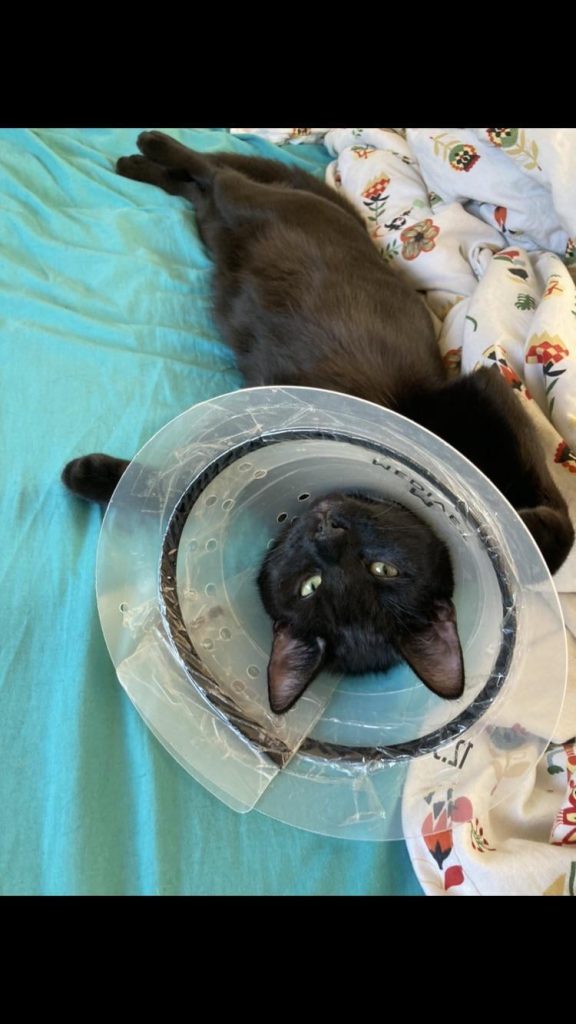
If your cat has just been neutered, you’re probably watching him closely, worried about every little move. One question that might be on your mind is: can my cat lick himself after being neutered?
You want to make sure he heals quickly and safely, without causing any harm to his stitches or recovery site. Understanding when and how your cat can groom himself post-surgery is key to keeping him comfortable and preventing complications. Keep reading to find out exactly what you need to watch for and how to help your furry friend heal the best way possible.

Credit: www.reddit.com
Post-neutering Behavior
Understanding your cat’s behavior after neutering helps you care better. Changes happen as your cat heals. Watching how your cat licks itself reveals important signs about its recovery.
Why Cats Lick Themselves
Cats lick to clean their fur and skin. It helps remove dirt and loose hair. Licking also soothes their skin and reduces stress. This behavior is natural and keeps cats comfortable.
After surgery, licking can serve another purpose. Cats try to clean the wound or relieve discomfort. They may also lick to check the injured area. This shows they want to heal and feel better.
Changes After Surgery
Neutering causes some temporary changes in behavior. Your cat might lick the surgery site more than usual. This can irritate the wound or slow healing. Watch for excessive licking or biting near the stitches.
Some cats may seem quieter or less active. This is normal while recovering from anesthesia. Appetite might decrease for a day or two as well. Your cat needs rest and gentle care at this time.
Using an Elizabethan collar can stop your cat from licking too much. This helps protect the surgery area from infection. Talk to your vet about the best post-surgery care for your cat.
Risks Of Excessive Licking
After your cat has been neutered, it might seem natural to let him clean himself as usual. However, excessive licking of the surgical area can cause several problems that might delay recovery or even lead to more serious health issues. Understanding these risks helps you decide how to best support your cat during healing.
Infection Concerns
When your cat licks the surgery site too much, bacteria from his mouth can enter the wound. This can cause an infection, which might look like redness, pus, or a bad smell around the area. An infected wound often needs veterinary care, including antibiotics, so it’s important to watch for signs early.
Delayed Healing
Licking repeatedly can reopen the stitches or delay the skin from closing properly. This slows down your cat’s healing process and can cause discomfort. Have you noticed your cat licking more than usual? If yes, try distracting him with toys or gentle petting to reduce licking.
Irritation And Swelling
Constant licking can irritate the skin and cause swelling around the incision. This swelling makes the area more painful and sensitive, leading to even more licking—a tough cycle to break. Using an Elizabethan collar or a recovery suit can help prevent this and keep your cat comfortable.
Preventing Licking Injuries
After your cat has been neutered, preventing licking injuries becomes crucial. Excessive licking can cause irritation, infection, or even open wounds around the surgical site. You need to act quickly to protect your cat’s healing process and comfort.
Using Elizabethan Collars
Elizabethan collars, or e-collars, are the most common way to stop your cat from licking the surgery area. These cone-shaped collars create a physical barrier that keeps your cat’s tongue away from the wound.
While some cats find e-collars uncomfortable at first, most adapt quickly. You can make the transition easier by offering treats or gentle praise. Have you noticed how some cats seem to outsmart their collars? Keep an eye out and adjust the fit if your cat manages to reach the incision.
Alternative Protective Gear
If your cat rejects the traditional e-collar, there are other options. Soft collars, inflatable collars, or surgical recovery suits can also shield the incision from licking.
Recovery suits work like tiny onesies that cover the wound completely. They are especially useful if your cat hates collars or scratches at them endlessly. Think about your cat’s personality and comfort—sometimes a softer, less restrictive option works better.
Monitoring Your Cat
Even with protective gear, you need to watch your cat closely. Licking can happen when you’re not around or during quiet moments.
Set aside time throughout the day to check the surgical site and observe your cat’s behavior. If you notice swelling, redness, or your cat trying to remove the protective gear, it’s time to intervene. Would you spot subtle signs of discomfort early enough to prevent complications?

Credit: www.reddit.com
Wound Care Tips
Proper wound care after neutering is vital for your cat’s quick recovery. It helps prevent infection and ensures the incision heals well. You should watch the area closely and keep it clean. This section explains how to care for the wound safely and spot any problems early.
Cleaning The Incision
Keep the incision dry and clean. Use a soft cloth dampened with warm water to gently wipe around the area. Avoid scrubbing or applying any creams unless your vet advises it. Do not bathe your cat during the first two weeks after surgery. If the wound looks dirty, contact your vet before cleaning it yourself.
Signs Of Complications
- Redness or swelling around the incision
- Oozing pus or unusual discharge
- Foul smell from the wound
- Excessive licking or biting at the site
- Your cat acting lethargic or refusing to eat
- Bleeding that does not stop
These signs may show infection or other issues. Early detection helps your cat heal faster.
When To Contact The Vet
Call your vet if you notice any signs of complications. Also reach out if your cat seems in pain or uncomfortable. If the incision opens or bleeds heavily, seek help immediately. Never wait for symptoms to worsen. Quick action protects your cat’s health.
Comfort And Recovery
Cats may lick themselves after neutering, but excessive licking can cause problems. Using a protective collar helps keep the area clean and safe during healing. Gentle care supports comfort and speeds up recovery.
Caring for your cat after a neutering procedure involves focusing on their comfort and recovery. This phase is crucial to ensure your feline friend heals properly and feels secure. The journey to recovery is all about providing a safe environment, a nutritious diet, and managing your cat’s activity levels. Let’s explore how you can make this process seamless and stress-free for both you and your cat.Creating A Quiet Space
A quiet space is essential for your cat's recovery. Find a calm area in your home where your cat can relax without disturbances. This could be a spare room or a quiet corner where they can recuperate peacefully. Add soft bedding to the space to ensure they are comfortable. You might notice your cat wants to be alone more than usual, which is normal. Respect their need for solitude and avoid unnecessary handling.Providing Proper Nutrition
Nutrition plays a vital role in your cat’s recovery. Offer them a balanced diet that supports healing. Consult your vet about any specific dietary needs during this time. Hydration is equally important. Ensure your cat has access to fresh water at all times. You may also consider wet food if they seem reluctant to drink enough water.Limiting Activity
After being neutered, your cat needs to rest and should avoid strenuous activities. Try to keep them indoors to prevent jumping or running. These activities can strain their stitches and delay healing. Interactive toys that require minimal movement can help keep your cat entertained. You might feel tempted to let them play as they normally would, but remember that rest is crucial for a speedy recovery. By focusing on these aspects, you’ll ensure your cat’s journey to recovery is both comfortable and effective. Have you ever noticed how cats find the coziest spots to nap? It’s their way of telling us that comfort leads to healing.
Credit: www.reddit.com
Frequently Asked Questions
Can My Cat Lick His Neutering Wound?
Yes, cats often try to lick their wound after neutering. However, excessive licking can cause irritation or infection. Using an Elizabethan collar helps prevent this. Monitor your cat closely during the healing process to ensure proper recovery and avoid complications.
When Can My Cat Safely Lick Himself Post-neutering?
Cats can usually lick themselves gently after 24 to 48 hours post-surgery. Avoid allowing hard licking or biting at the incision site until fully healed, usually about 10 to 14 days. Follow your vet’s advice for the best care instructions.
How To Stop My Cat From Licking After Neutering?
Prevent licking by using an Elizabethan collar or recovery suit. Distract your cat with toys and attention. Keep the wound clean and dry. Consult your vet if licking persists or causes redness or swelling.
Is Licking Normal Behavior After Neutering?
Yes, licking is a natural grooming behavior and helps clean the wound. However, too much licking can delay healing or cause infection. It’s important to control licking during the recovery period to ensure proper healing.
Conclusion
Cats often want to lick after neutering to clean themselves. This is natural but can slow healing or cause infection. Using an Elizabethan collar helps stop licking and keeps wounds safe. Watch your cat closely for swelling or redness around the surgery site.
If you see any problems, contact your vet right away. Let your cat rest and heal fully before allowing licking again. Patience is key for a healthy recovery. Your care helps your cat feel better fast and stay safe.

Lily Purrington is the founder of MyKittyPicks.com, a cozy corner of the web dedicated to helping cat lovers discover the best cat products, furniture, toys, and home decor ideas.
A lifelong cat enthusiast, Lily shares trusted tips, honest product recommendations, and stylish inspiration designed to keep kitties happy and homes beautiful.
Her mission is simple: to bring together practical advice and purr-fect picks that make life better for cats and the people who love them.


