

Have you ever wondered if it’s okay to keep your cat in a cage overnight? You want the best for your furry friend, but sometimes you might worry about their safety or behavior when you’re not around.
Maybe you’re thinking about training, travel, or just keeping your home tidy. This question is more common than you think, and the answer isn’t always simple. Keep reading to discover what experts say, what your cat really needs, and how you can make the best choice for both of you.
Your cat’s comfort and happiness depend on it.
Reasons To Cage Your Cat Overnight
Caging a cat overnight may seem unusual. Yet, there are important reasons for it. Cats can stay safe, calm, and comfortable in a cage for a short time. Understanding these reasons helps pet owners decide if caging is right for their cat.
Health And Safety Concerns
Caging keeps cats safe during illness or injury. It limits their movement, helping wounds heal faster. It also stops cats from licking or biting sore spots.
Safety is key in busy homes or places with other pets. A cage protects cats from dangers like falls or fights. It also prevents accidents during night hours.
Behavioral Benefits
Some cats feel less stressed in a small, secure space. A cage can create a quiet, calm environment. It helps shy or anxious cats feel safe.
Caging can assist with training. It teaches cats to stay calm and reduce unwanted behaviors. This method works well for cats adjusting to new homes.
Travel And Temporary Housing
Cages are essential during travel. They provide a safe, familiar space in cars or planes. This reduces cat stress and motion sickness.
Temporary housing, like vet visits or boarding, often requires caging. It keeps cats secure and helps staff care for them easily. A cage gives cats a small, safe area in new places.

Credit: theoreticallyteddy.com
Choosing The Right Cage
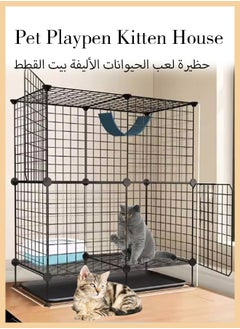
Choosing the right cage for your cat overnight isn’t just about picking any enclosure. It’s about ensuring your furry friend feels safe, comfortable, and stress-free while confined. The right cage can make a huge difference in how your cat copes with being indoors during the night.
Size And Comfort
Size matters more than you might think. Your cat needs enough space to stretch, turn around, and lie down comfortably without feeling cramped. A cage that’s too small can cause anxiety and restlessness, which defeats the purpose of keeping your cat calm overnight.
Think about your cat’s usual resting spots at home. Does it like to curl up tightly or sprawl out? Choose a cage that matches these habits. Adding a soft blanket or a favorite bed inside will boost comfort and make the space inviting.
Material And Durability
Not all cages are built the same. Some use plastic, metal, or a combination of materials. Metal cages often last longer and offer better security, especially if your cat is a strong climber or chewer.
Plastic cages can be lighter and easier to clean but might not withstand a determined cat’s attempts to escape. Look for cages with sturdy locks and smooth edges to keep your cat safe and prevent injuries. Durability ensures your investment lasts and keeps your cat protected night after night.
Ventilation And Accessibility
Proper airflow is crucial. A well-ventilated cage prevents stuffiness and keeps your cat comfortable. Avoid cages with solid sides that block air circulation or cause overheating.
Accessibility matters too. You want to easily reach your cat for quick checks or to offer water and food without stressing it out. Doors or panels that open wide and lock securely are ideal. Can you imagine how stressed your cat would feel if it were trapped in a poorly ventilated, hard-to-access cage all night?
Preparing The Cage For Overnight Stay
Preparing your cat’s cage for an overnight stay is crucial for their comfort and well-being. The right setup can reduce stress and help your feline friend feel safe and relaxed. Paying attention to simple details can make a big difference in how your cat experiences the night.
Bedding And Warmth
Choose soft, cozy bedding that fits well inside the cage. Cats love warmth, so adding a fleece blanket or a cushioned mat can keep them comfortable. If the room is cold, consider a pet-safe heating pad placed under the bedding to provide extra warmth without direct contact.
Have you noticed how your cat curls up tighter when it’s chilly? Providing warmth helps them settle down quickly and sleep peacefully.
Food And Water Placement
Place food and water dishes in a spot that won’t get knocked over easily. Use shallow, sturdy bowls that your cat can access without difficulty. Keep the water fresh and refill it before bedtime to ensure your cat stays hydrated throughout the night.
Think about how your cat likes to eat—some prefer their food and water separated by a bit of space. Mimicking their usual setup reduces anxiety and encourages eating.
Litter Box Setup
Include a small, clean litter box inside the cage, especially if your cat is confined for several hours. Use unscented litter to avoid overwhelming their sensitive nose. Place the box away from food and bedding to keep the area hygienic and comfortable.
Have you ever noticed your cat’s preference for privacy when using the litter box? Providing enough space and a quiet corner in the cage helps them feel secure during overnight stays.
Credit: greensafaris.com
Safety Tips For Overnight Caging
Keeping your cat in a cage overnight requires more than just locking the door. Your cat’s comfort and safety depend on thoughtful preparation and ongoing attention. Here are some key safety tips to ensure your cat stays calm, secure, and happy throughout the night.
Avoiding Stress And Anxiety
Stress can cause your cat to feel trapped or frightened, which affects their health. Make the cage a cozy space by adding a soft blanket or your cat’s favorite toys. Keep the cage in a quiet, familiar room where your cat feels safe.
Speak softly or spend a few minutes petting your cat before bedtime to ease anxiety. Have you noticed how cats respond to familiar scents? Placing an item with your scent can make a huge difference. Avoid sudden loud noises near the cage to keep your cat relaxed.
Regular Monitoring
Checking on your cat frequently helps you spot any signs of distress early. Use a baby monitor or peek in every hour to ensure your cat is comfortable and calm. Pay attention to breathing, movement, and any signs of restlessness.
Keep a water bowl inside the cage and refill it if necessary. Have you ever seen a cat get dehydrated overnight? Staying hydrated is critical. If your cat seems too restless or scared, consider letting them out for a short break under supervision.
Emergency Preparedness
Emergencies can happen, so be ready with a plan. Keep your vet’s contact information and a first aid kit nearby. Knowing basic pet first aid can help you act quickly if your cat injures itself.
Make sure the cage is sturdy and secure but easy to open in case you need to get your cat out fast. Have a flashlight and phone charged nearby to handle unexpected power outages or other issues. What would you do if your cat started choking or having difficulty breathing overnight? Having a plan can save crucial minutes.
Alternatives To Overnight Caging
Consider using a cozy cat bed or a designated safe room instead of caging overnight. These options provide comfort and freedom, reducing stress for your cat. Ensure the space is secure and includes essentials like food, water, and a litter box.
Caging your cat overnight might seem like a simple solution for keeping them safe and out of trouble. However, it can be restrictive and may not be the best option for your feline friend. Instead, consider some alternatives that offer safety and comfort without confinement.Cat-proofed Rooms
Setting up a cat-proof room can provide a safe haven for your cat. Choose a room free from potential hazards like wires or sharp objects. Add cozy spots, such as a soft bed or blanket, where your cat can relax. Ensure there are no small items that could be swallowed. A cat-proofed room gives your pet freedom to move and explore, which can be much more comforting than a cage.Interactive Toys And Enrichment
Keeping your cat entertained overnight can reduce the need for a cage. Interactive toys can engage their hunting instincts and keep them busy. Consider toys that move or make noise to stimulate their interest. Puzzle feeders are also a great option, providing both mental stimulation and a reward for their efforts. Providing enrichment through toys not only prevents boredom but also promotes healthy behavior patterns. Have you ever noticed how a well-entertained cat is less likely to get into mischief?Using Pet Gates
Pet gates can be an excellent tool for providing boundaries without full confinement. Use them to block off certain areas of your home, allowing your cat freedom to roam in a safe space. This method is particularly effective for multi-pet households, where separation might be needed. Pet gates offer visibility and interaction, helping your cat feel less isolated. Have you ever tried using a pet gate? It might be the perfect compromise between security and freedom. By exploring these alternatives, you can ensure your cat’s nighttime environment is both safe and enriching.
Credit: pethelpful.com
Expert Recommendations
Keeping your cat in a cage overnight can raise many questions about their comfort and safety. Experts from veterinary medicine to animal behavior give valuable advice to help you make the best choice for your furry friend. Understanding these recommendations will help you create a safe and stress-free environment for your cat.
Veterinary Advice
Veterinarians emphasize the importance of a cage that is spacious enough for your cat to move around comfortably. A cramped space can cause stress and physical discomfort. Make sure the cage has proper ventilation and soft bedding to keep your cat cozy throughout the night.
Health concerns like respiratory issues or arthritis require special attention when choosing a cage. Your vet might suggest specific bedding or accessories to support your cat’s health. Regularly check for signs of distress, such as excessive meowing or pacing, and consult your vet if you notice any unusual behavior.
Animal Behaviorist Insights
Behaviorists remind you that cats are naturally curious and territorial. Being confined to a cage overnight can trigger anxiety if not introduced properly. Gradual acclimation and positive reinforcement can help your cat accept the space as a safe zone.
Consider adding familiar toys or a piece of your clothing to reduce stress. Have you noticed your cat hiding or avoiding the cage? This might mean they associate it with something negative. Adjust your approach based on these signals to build trust.
Common Mistakes To Avoid
- Using a cage that’s too small or uncomfortable.
- Leaving your cat in the cage for extended periods without breaks.
- Ignoring signs of stress or discomfort.
- Failing to provide food, water, or a litter box inside the cage if needed overnight.
- Not gradually introducing the cage before overnight confinement.
Have you checked if your cat has enough mental and physical stimulation before cage time? Neglecting this can make the experience worse. Avoid rushing the process; patience pays off in building a positive relationship with your cat’s overnight space.
Frequently Asked Questions
Can I Keep My Cat In A Cage Overnight Safely?
Yes, you can keep a cat in a cage overnight if the cage is spacious and comfortable. Ensure it has water, a litter box, and soft bedding. Avoid prolonged confinement to prevent stress and anxiety.
How Long Is It Okay To Cage A Cat Overnight?
Overnight confinement should not exceed 8 to 12 hours. Cats need movement, stimulation, and litter access. Use cages only temporarily, like during travel or vet stays, to ensure their well-being.
What Size Cage Is Suitable For Overnight Cat Housing?
Choose a cage large enough for your cat to stand, turn, and stretch comfortably. Minimum dimensions should allow space for food, water, and a litter box. Bigger cages reduce stress and improve comfort.
Should I Leave Food And Water In The Cat’s Cage?
Yes, always provide fresh water and light food in the cage overnight. This prevents dehydration and hunger. Make sure bowls are stable to avoid spills and keep the cage clean.
Conclusion
Keeping your cat in a cage overnight can be safe if done right. Make sure the cage is big enough for comfort. Provide water, a cozy bed, and a litter box inside. Avoid cages that are too small or cramped.
Let your cat out during the day to play and stretch. Always watch for signs of stress or discomfort. A happy cat feels safe and loved, not trapped. Choose the best option for your pet’s health and happiness. Your cat deserves care and respect, even at night.

Lily Purrington is the founder of MyKittyPicks.com, a cozy corner of the web dedicated to helping cat lovers discover the best cat products, furniture, toys, and home decor ideas.
A lifelong cat enthusiast, Lily shares trusted tips, honest product recommendations, and stylish inspiration designed to keep kitties happy and homes beautiful.
Her mission is simple: to bring together practical advice and purr-fect picks that make life better for cats and the people who love them.


