
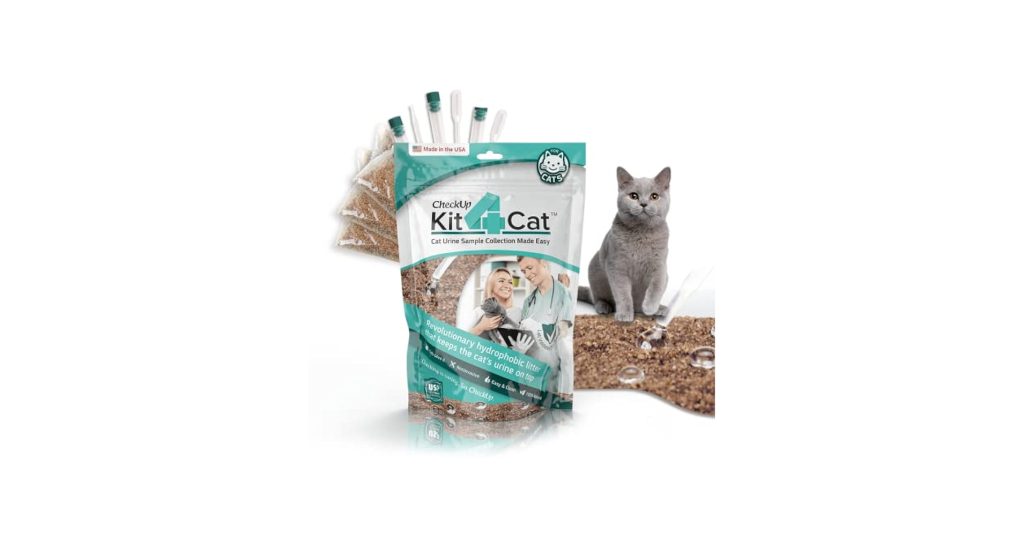
If your cat is showing signs of illness, your vet may need a urine sample to find out what’s wrong. But collecting that sample at home can feel tricky and even a little frustrating.
Don’t worry—you can do this! With a few simple tips and the right tools, you’ll be able to get a clean cat urine sample without stress. Keep reading to discover easy steps that will help you help your furry friend faster.
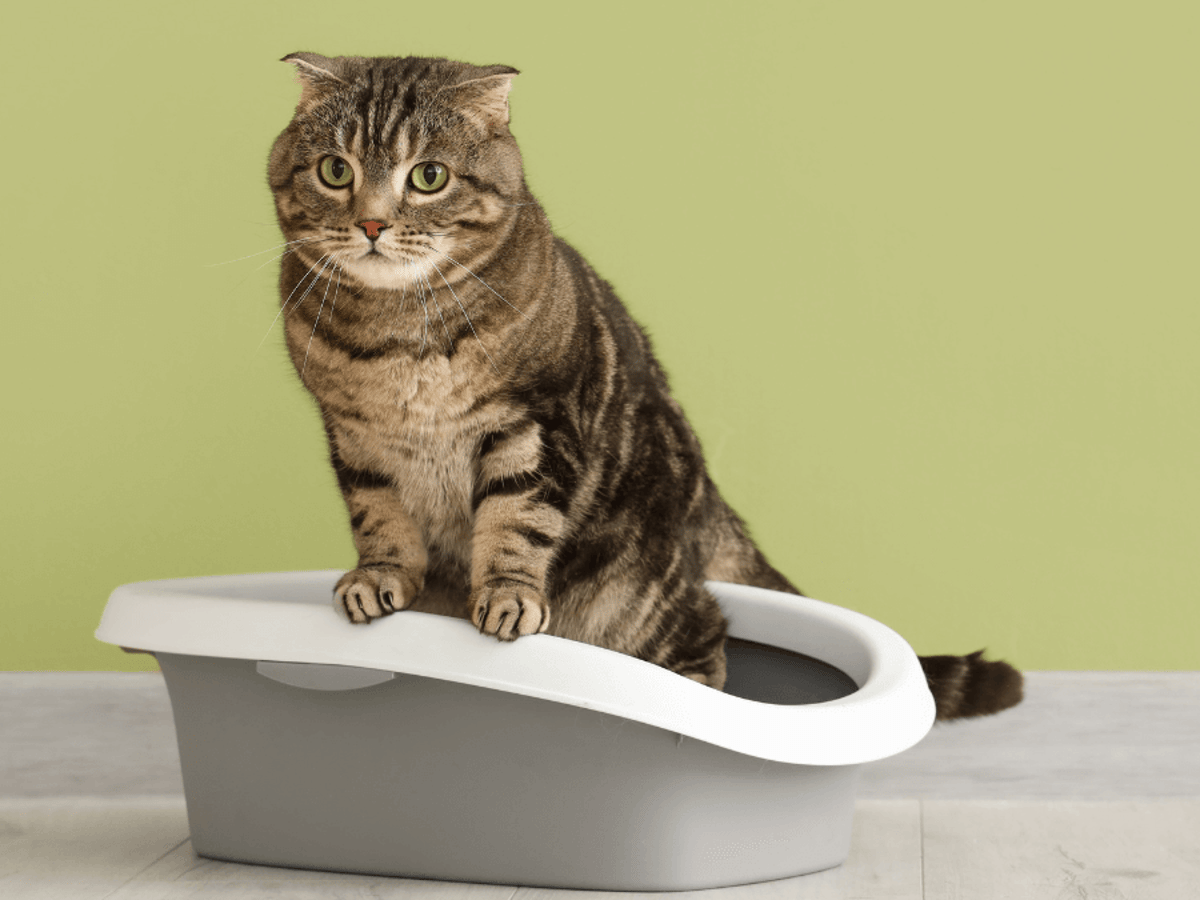
Credit: wamiz.co.uk
Preparing For The Sample Collection
Collecting a cat urine sample at home requires some preparation. This helps make the process smooth and less stressful for your cat. Taking time to prepare also increases the chances of getting a clean sample for accurate testing.
Choosing The Right Time
Pick a time when your cat is calm and relaxed. Early morning or after a nap works well. Avoid times when your cat is very active or stressed. A quiet period helps your cat cooperate better.
Gathering Necessary Supplies
Have all supplies ready before starting. You will need:
- A clean, shallow container or a small plastic cup
- Disposable gloves to keep things hygienic
- Paper towels or tissues for cleaning
- A sealed plastic bag or container to store the sample
- Non-absorbent litter or no litter at all
Having these supplies close helps you act quickly when your cat urinates.
Creating A Calm Environment
Choose a quiet, familiar room for the collection. Remove any loud noises or distractions. Speak softly to your cat and avoid sudden movements. Keep the litter box area clean but free of strong smells.
Give your cat time to adjust to the new setup. A calm space reduces anxiety and makes your cat more willing to urinate nearby.

Credit: www.embracepetinsurance.com
Methods To Collect Cat Urine
Collecting a cat urine sample at home can seem tricky, but understanding the right methods makes it easier and less stressful for both you and your feline friend. The key is to use techniques that respect your cat’s comfort while ensuring the sample stays uncontaminated. Let’s look at effective ways to gather a urine sample without a trip to the vet right away.
Using A Non-absorbent Litter
Switching your cat’s regular litter to a non-absorbent type is one of the simplest ways to collect urine. This kind of litter doesn’t soak up moisture, allowing the urine to pool on top for easy collection.
Place the non-absorbent litter in a clean litter box and wait for your cat to urinate. Check frequently and use a clean syringe or dropper to collect the urine from the surface. Have you noticed how your cat reacts to different litter textures? Their comfort is crucial here.
Collecting With A Syringe
Using a syringe can be a direct way to get a urine sample, especially if your cat urinates in an open area like a clean floor or a shallow tray. After your cat urinates, carefully draw the urine into the syringe without touching the floor or litter.
Make sure the syringe is sterile to avoid contamination. This method works well if your cat is cooperative and you can act quickly. Have you tried this approach before? Timing is everything when using a syringe.
Employing A Clean Container
Sometimes, placing a clean, shallow container in your cat’s litter box can catch urine naturally. Choose a container that’s wide and low enough for your cat to step over easily.
Remove the regular litter and place the container in the box. When your cat urinates, the urine will collect in the container, ready for you to transfer into a sterile sample cup. This method requires patience and observation but often results in a clean sample.
Tips To Minimize Stress For Your Cat
Keeping your cat calm helps collect a urine sample more easily. Provide a quiet space and gentle handling to reduce fear and stress. Use familiar items and speak softly to comfort your cat during the process.
Ensuring that your cat remains calm and comfortable while collecting a urine sample at home is crucial. Stress can impact both the accuracy of the sample and your cat’s well-being. Here are some practical tips to help minimize stress for your feline friend during this process.Gentle Handling Techniques
Approach your cat slowly and speak in a soft, soothing voice. Sudden movements can startle them, so it’s essential to be calm and patient. When picking them up or positioning them, support their body fully to make them feel secure. Consider the environment as well. A quiet room with minimal distractions can help your cat feel at ease. Remember, your demeanor influences your cat’s emotions, so staying relaxed is key.Positive Reinforcement
Reward your cat with treats or affection before and after the process. This creates a positive association with the activity, making them more cooperative next time. You might find that your cat responds well to verbal praise or gentle petting. Observe what your cat enjoys most and use it as a reward. This not only reduces stress but can make the task easier for you as well.Maintaining Routine
Cats are creatures of habit, and changes to their daily routine can cause anxiety. Try to collect the urine sample at a time that aligns with their usual bathroom habits. If possible, use the same litter box and location they’re accustomed to. Keeping other aspects of their day, such as feeding and playtime, consistent will also help maintain their sense of security. Does your cat have a favorite napping spot or a preferred time for cuddles? Use these insights to create a comforting environment during the sample collection.Storing And Transporting The Sample
Once you have successfully collected a cat urine sample at home, the next challenge is storing and transporting it properly. The sample’s quality can quickly degrade if not handled correctly, which could affect the accuracy of your vet’s diagnosis. Paying attention to how you store and move the sample ensures the test results truly reflect your cat’s health.
Proper Container Use
Use a clean, sterile container with a tight-fitting lid to store the urine. Avoid containers that previously held food or chemicals, as residues can contaminate the sample. Plastic specimen cups from a pharmacy or your vet’s office work well and are easy to seal.
Label the container clearly with your cat’s name and the date and time of collection. This simple step helps prevent mix-ups and keeps your vet informed about the sample’s freshness. Have you ever had to deal with a mislabeled sample? It’s frustrating and avoidable with a little care.
Short-term Storage Guidelines
Keep the urine sample refrigerated as soon as possible to slow down bacterial growth and chemical changes. The ideal temperature is between 2°C and 8°C (36°F to 46°F). If refrigeration isn’t available, try to keep the sample in a cool, shaded spot away from direct sunlight.
Use the sample within 24 hours for the most reliable test results. Longer storage can cause the urine to become cloudy or change in composition, leading to inaccurate readings. Have a designated spot in your fridge ready for pet samples—it makes the process smoother.
Safe Transport To The Vet
Transport the sample in a sealed plastic bag to prevent leaks and contamination. Use an insulated bag or cooler with ice packs if the journey takes longer than 30 minutes. This keeps the sample cool and stable, preserving its integrity.
Try to schedule your vet visit early in the day to minimize the time the sample spends outside refrigeration. Keep the container upright and secure in your vehicle to avoid spills. Do you keep a small kit ready with containers and bags? It can save time and stress when your cat needs a quick check-up.
When To Seek Veterinary Assistance
Knowing when to seek veterinary assistance is crucial for your cat’s health. Some urinary issues need expert care and cannot wait. Early action can prevent serious problems and pain for your pet. Watch your cat closely for any signs that suggest a vet visit is needed.
Signs Of Urinary Issues
- Your cat strains or cries while urinating.
- Frequent trips to the litter box with little urine.
- Blood appears in the urine.
- Your cat urinates outside the litter box.
- Strong, unpleasant urine smell.
- Excessive licking of the genital area.
- Your cat seems lethargic or is vomiting.
These signs often indicate infections, blockages, or bladder stones. Delay in treatment can cause serious complications. Immediate veterinary care is essential if you notice these symptoms.
Professional Collection Options
Veterinarians have specialized methods to collect urine samples safely and accurately. One common method is cystocentesis, where a needle collects urine directly from the bladder. This method provides a clean sample free from contamination.
Another option is catheterization, where a thin tube is inserted into the urethra. This method is useful for cats with urinary blockages or difficulty urinating. Both methods require professional skill to avoid injury and stress to your cat.
Your vet may also provide sterile litter or urine collection kits for home use. These kits can help gather samples without contamination but may not be suitable for all cats. Consulting your veterinarian ensures the best approach for your cat’s condition.
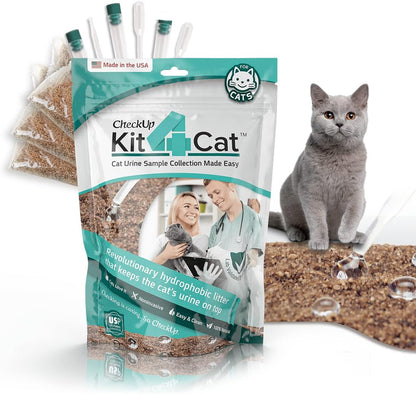
Credit: www.checkupkit.com
Frequently Asked Questions
How Can I Collect Cat Urine Sample At Home?
Use a clean, non-absorbent container placed under your cat’s litter box. Avoid scented or clumping litter to prevent contamination. Gently encourage your cat to urinate in the box. Collect the sample quickly and seal the container to maintain freshness before veterinary testing.
What Type Of Litter Is Best For Urine Collection?
Use non-absorbent litter like plastic beads or no litter at all. Avoid clumping or scented litter as they absorb or mask urine. This keeps the sample pure and uncontaminated, ensuring accurate test results for your cat’s health.
How Soon Should I Deliver The Urine Sample To The Vet?
Deliver the urine sample to your vet within two hours of collection. Store it in a sealed, clean container in a cool place. Prompt delivery ensures the sample’s accuracy for diagnosing infections or other urinary issues effectively.
Can I Use A Syringe To Collect Cat Urine?
Yes, if you catch the urine midstream, you can use a sterile syringe. This method requires patience and care to avoid stressing your cat. It provides a clean sample ideal for veterinary analysis without contamination from the litter box.
Conclusion
Collecting a cat urine sample at home can be done with patience. Use a clean container and keep your cat calm. Check the sample for any changes before visiting the vet. This helps your vet understand your cat’s health better.
Stay gentle and watch your cat closely during the process. Small steps lead to good results. Taking care of your pet starts with simple actions like this. Keep trying, and you will succeed.

Lily Purrington is the founder of MyKittyPicks.com, a cozy corner of the web dedicated to helping cat lovers discover the best cat products, furniture, toys, and home decor ideas.
A lifelong cat enthusiast, Lily shares trusted tips, honest product recommendations, and stylish inspiration designed to keep kitties happy and homes beautiful.
Her mission is simple: to bring together practical advice and purr-fect picks that make life better for cats and the people who love them.


