
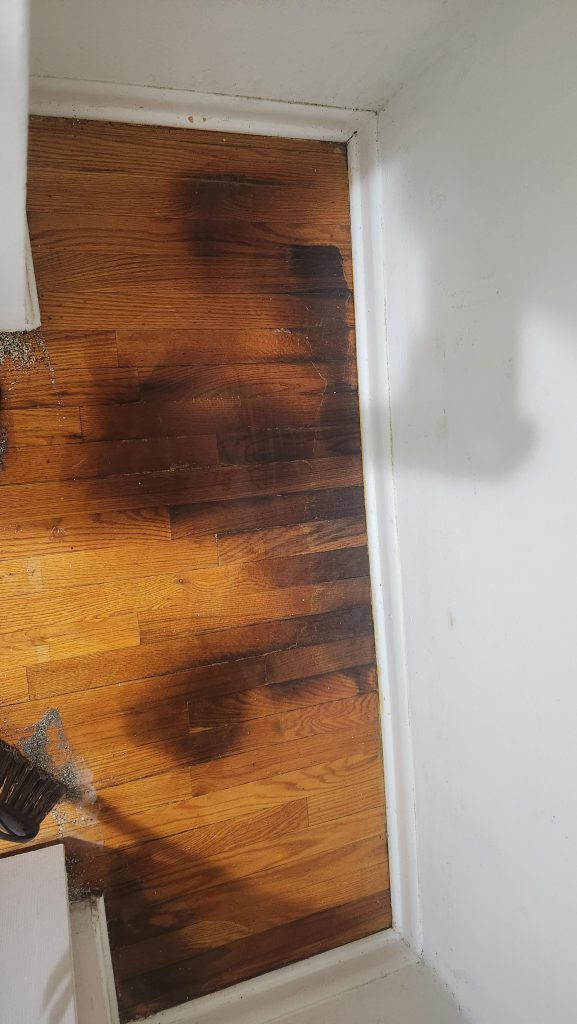
Have you ever discovered that unpleasant smell on your hardwood floors and realized it’s cat urine? It’s frustrating, isn’t it?
You want your home to smell fresh and look spotless, but that stubborn stain and odor just won’t go away. The good news is, you don’t have to live with it. You’ll learn simple, effective steps to completely remove cat urine from your hardwood floors.
Keep reading, because by the end, your floors will not only look clean but smell fresh again—making your home a more comfortable place for you and your furry friend.
Why Cat Urine Damages Hardwood
Cat urine can cause serious damage to hardwood floors, and understanding why it happens is key to preventing long-term harm. The problem isn’t just about the smell; it’s about how the urine interacts with the wood and its finish. If you don’t act quickly, you could be facing stains, odors, and even structural damage that’s hard to fix.
Chemical Composition Of Cat Urine
Cat urine contains a mix of chemicals that make it particularly harsh on hardwood. It has urea, ammonia, and uric acid, which are highly acidic and can eat away at the wood’s surface.
Ammonia is a strong irritant and can break down the protective finish on the floor. Uric acid crystals don’t dissolve easily in water, so they can remain in the wood, causing persistent odors and discoloration.
Have you noticed a lingering smell even after cleaning? That’s the uric acid embedding itself deep in the wood fibers, making removal tough without proper treatment.
Impact On Wood Finish And Structure
The finish on your hardwood acts as a shield, but cat urine can quickly compromise it. Acidic urine breaks down this layer, leaving the wood exposed and vulnerable.
Once the finish is damaged, the wood absorbs the urine, leading to stains and warping. Over time, this exposure can cause the wood to swell, crack, or even rot if moisture remains trapped inside.
Ignoring a urine spot might mean facing costly repairs down the line. Protect your floors by addressing any accidents immediately before the damage goes beyond the surface.

Credit: www.reddit.com
Immediate Steps After Spotting Urine
Spotting cat urine on your hardwood floor can instantly raise a red flag. Acting quickly is your best defense against stains and lingering odors. The moments right after you notice the accident are crucial in preventing long-term damage.
Blotting Vs. Wiping
Many people instinctively grab a cloth to wipe the urine away, but wiping often spreads the liquid further across the wood. Instead, grab a clean, absorbent cloth or paper towel and gently blot the spot. Press down to soak up as much urine as possible without rubbing.
Blotting traps the liquid in the cloth, preventing it from seeping deeper into the wood grain. Have you ever noticed that wiping just smears the mess? Blotting stops that and helps reduce the risk of a stain forming.
Avoiding Common Mistakes
Using harsh cleaners or excessive water can damage hardwood floors. Avoid ammonia-based products because they smell similar to urine and can encourage your cat to pee again in the same spot. Instead, stick to gentle, pet-safe cleaners or a vinegar and water solution.
Don’t let the urine sit for hours—delays allow it to soak in and cause discoloration or odor. How often have you thought a quick wipe was enough, only to find the smell lingers? Acting immediately and avoiding these pitfalls makes a big difference.
Cleaning Solutions That Work
Cat urine can damage hardwood floors if not cleaned quickly. Use a gentle cleaner and blot the area to remove stains and odor. Avoid harsh chemicals that can harm the wood finish.
Cleaning cat urine from hardwood floors can be challenging. The key is using the right solutions. Whether homemade or commercial, effective cleaners are essential. They help remove odors and stains, protecting your floors.Homemade Natural Cleaners
Natural cleaners are safe and easy to make. Many use ingredients found at home. Baking soda and vinegar are popular choices. Mix equal parts water and vinegar in a spray bottle. Spray the area, then let it sit for a few minutes. Wipe with a clean cloth. Baking soda helps with odor. Sprinkle it on the spot after cleaning. Let it sit, then vacuum it up. Another option is hydrogen peroxide. Pour it on the stain, cover with a cloth, and let it dry. This can lighten stains effectively.Commercial Products To Consider
Some prefer commercial cleaners for their convenience. Enzyme-based cleaners work well. They break down urine components, removing stains and odors. Look for products labeled as pet-friendly. These are safe for both floors and pets. Some brands offer specific solutions for hardwood floors. Read labels to ensure they suit your needs. Follow instructions carefully for best results. Test any new product in a hidden area first. This avoids unexpected damage or discoloration.Deep Cleaning Techniques
Deep cleaning hardwood floors after cat urine spills is essential to fully remove stains and odors. Surface cleaning won’t cut it because urine seeps into the wood’s pores, leaving lingering smells and potential damage. You need techniques that reach beneath the surface and break down the urine compounds effectively.
Using Enzymatic Cleaners
Enzymatic cleaners are specially designed to target and break down the proteins in cat urine. These cleaners work by digesting the molecules that cause odor, which regular cleaners often miss. Applying an enzymatic cleaner means you’re not just masking the smell—you’re eliminating it at the source.
To use an enzymatic cleaner effectively, soak the affected area thoroughly and let it sit for at least 15 minutes. For deeper stains, you might want to repeat the process or leave the cleaner on overnight. Make sure the floor is dry before walking on it to avoid slipping or spreading the urine further.
Steam Cleaning Options
Steam cleaning can be a powerful way to sanitize your hardwood floors after cat urine incidents. The high temperature helps kill bacteria and loosens stubborn residues embedded in the wood grain. However, you must be cautious because excessive moisture and heat can damage hardwood surfaces.
Use a steam cleaner with adjustable settings and keep the steam exposure brief. Move the cleaner slowly over the stain and immediately dry the area with a soft cloth. This method works best when combined with enzymatic cleaning, giving your floor a thorough cleanse and helping restore its natural look.
Removing Odor Completely
Removing cat urine odor from hardwood floors requires more than just cleaning the stain. The smell can settle deep into the wood grain and finish. Without proper treatment, the odor may return after cleaning. A thorough approach ensures the smell disappears completely. This section offers helpful tips to deodorize and prevent lingering smells effectively.
Deodorizing Tips
- Use an enzyme cleaner designed for pet urine. These break down odor-causing molecules.
- Apply the cleaner generously to the affected area. Let it sit for 10-15 minutes.
- Blot the spot with a clean cloth to absorb excess liquid.
- Repeat the process if the odor persists after drying.
- Avoid ammonia-based cleaners. They can worsen the smell and confuse your cat.
- Try a mixture of white vinegar and water for a natural deodorizer. Vinegar neutralizes odors without harsh chemicals.
- After cleaning, dry the area completely. Use a fan or open windows to speed drying.
Preventing Lingering Smells
- Seal the hardwood floor with a pet-safe sealant after cleaning. This blocks odors from soaking in again.
- Keep the litter box clean and accessible to reduce accidents.
- Regularly check floors for early signs of accidents. Prompt cleaning prevents deep stains and odors.
- Use odor-absorbing products like baking soda on the floor. Sprinkle lightly, leave for a few hours, then vacuum.
- Maintain good ventilation in rooms where pets spend time. Fresh air helps reduce persistent smells.
- Consider training your cat to use new or better litter boxes to avoid repeat accidents.

Credit: smart.dhgate.com
Protecting Hardwood From Future Incidents
Protecting hardwood floors from future cat urine stains is essential. Hardwood can absorb moisture and odors, leading to lasting damage. Taking preventive steps keeps floors looking great and odor-free. Simple actions reduce risks and maintain your floor’s beauty.
Applying Sealants And Finishes
Sealants create a strong barrier on hardwood floors. They stop urine from soaking into the wood. Choose a high-quality sealant designed for hardwood. Apply it evenly and allow it to dry fully before use.
Finishes add extra protection and shine. Polyurethane is a popular finish that resists moisture well. Reapply finishes every few years to maintain protection. Sealed floors are easier to clean and less likely to stain.
Training Your Cat To Avoid Floors
Teaching your cat to stay off hardwood floors helps prevent accidents. Provide a comfortable litter box in a quiet, accessible spot. Keep the box clean to encourage use.
Use positive reinforcement when your cat uses the box correctly. Avoid punishment, which can cause stress and worsen behavior. Place mats or rugs in problem areas to discourage floor use.
Redirect your cat’s attention with toys or scratching posts. Consistency and patience help change habits over time. Training reduces the chance of urine damage on hardwood floors.
When To Call A Professional
Knowing when to call a professional can save your hardwood floors from permanent damage caused by cat urine. While DIY methods work for fresh stains, some situations need expert attention. Understanding the warning signs and the benefits of professional help is key to protecting your floors.
Signs Of Irreversible Damage
If the stain has soaked deep into the wood, simple cleaning won’t fix it. You might notice a persistent odor that lingers despite your efforts to clean. Warping, discoloration, or soft spots in the wood are clear signs that damage has set in.
Have you tried everything and still smell urine? That’s a strong indicator the damage is beyond surface level. At this stage, continuing to clean yourself may only make the problem worse.
Professional Cleaning And Restoration
Professionals use specialized tools and products that penetrate deeper than household cleaners. They can sand down the affected area to remove damaged layers and apply treatments that neutralize odors completely. This process not only removes stains but also restores the wood’s natural finish.
Calling a professional might seem costly, but it often saves money in the long run by preventing the need to replace entire floor sections. They also offer advice on preventing future accidents, which can help protect your investment.

Credit: floorsanding.co.uk
Frequently Asked Questions
How To Remove Cat Urine Smell From Hardwood Floors?
Use an enzymatic cleaner specifically designed for pet urine. Avoid ammonia-based cleaners as they worsen the smell. Clean the spot thoroughly, then dry it completely to prevent odor and damage.
Can Vinegar Eliminate Cat Urine Stains On Hardwood?
Yes, white vinegar neutralizes urine odor and disinfects. Mix one part vinegar with one part water. Apply the solution, let it sit for a few minutes, then wipe dry.
Is Baking Soda Effective For Cat Urine On Wood?
Baking soda helps absorb odors. After cleaning, sprinkle baking soda on the area, let it sit overnight, then vacuum it up. This freshens the floor without damage.
How Soon Should I Clean Cat Urine On Hardwood?
Clean immediately to prevent stains and odors. The longer urine sits, the more it soaks into the wood and finishes, causing lasting damage.
Conclusion
Cleaning cat urine from hardwood floors needs quick action. Use gentle cleaners made for wood to avoid damage. Blot the area well to soak up the urine first. Rinse with clean water and dry the floor completely. Regular cleaning helps keep floors fresh and odor-free.
Protect your wood by stopping accidents early. A clean home feels comfortable and smells good. Small steps make a big difference in floor care. Keep your hardwood looking nice for years to come.

Lily Purrington is the founder of MyKittyPicks.com, a cozy corner of the web dedicated to helping cat lovers discover the best cat products, furniture, toys, and home decor ideas.
A lifelong cat enthusiast, Lily shares trusted tips, honest product recommendations, and stylish inspiration designed to keep kitties happy and homes beautiful.
Her mission is simple: to bring together practical advice and purr-fect picks that make life better for cats and the people who love them.


