
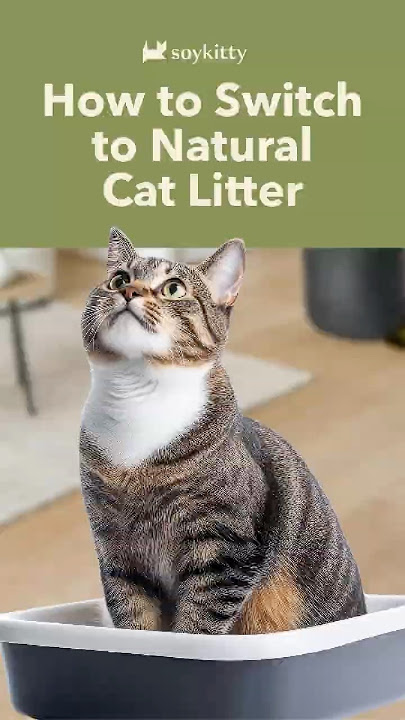
Switching your cat’s litter might seem simple, but if done wrong, it can upset your furry friend and lead to accidents. You want your cat to feel comfortable and keep their litter box clean, right?
In this guide, you’ll discover easy steps to make the switch smooth and stress-free for both you and your cat. By the end, you’ll know exactly how to choose the right litter and help your cat adjust quickly—so you can say goodbye to mess and frustration.
Keep reading, because your cat’s happiness starts here.
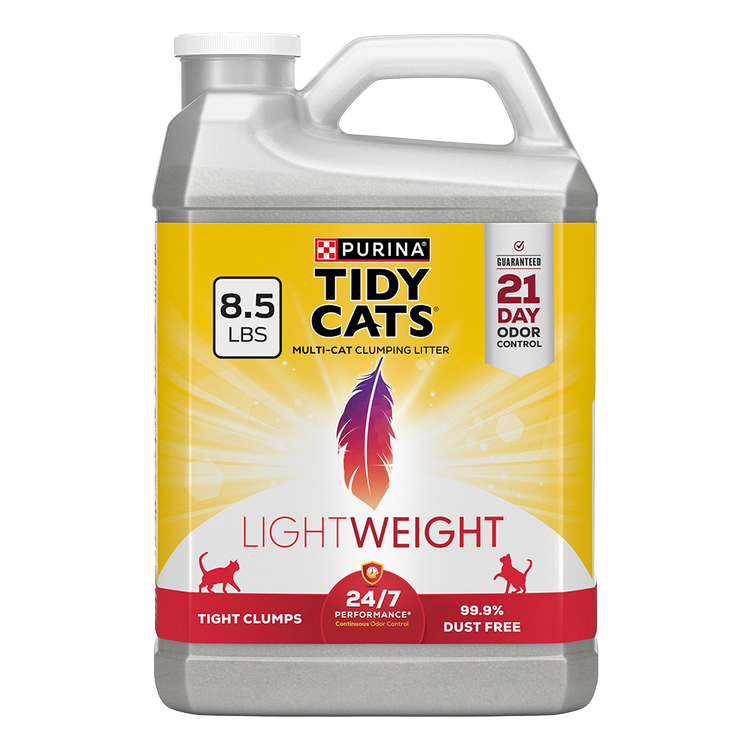
Credit: www.purina.com
Reasons To Change Cat Litter
Changing your cat’s litter can make a big difference. It affects their health, comfort, and your home’s smell. Cats have sensitive noses and skin. Choosing the right litter helps keep them happy and healthy. Sometimes, switching litter is necessary to improve these areas.
Health Benefits For Your Cat
Old or unsuitable litter can cause skin irritation. Dusty litter may trigger breathing problems. Some cats develop allergies to certain materials. A better litter reduces these health risks. It supports your cat’s hygiene and comfort. Clean litter encourages your cat to use the box regularly.
Improved Odor Control
Strong odors can make your home unpleasant. Some litters trap smells better than others. Clumping litter often keeps odors sealed inside. Natural litters may absorb moisture quickly. Changing litter can reduce bad smells and keep the room fresh. It helps maintain a cleaner, more inviting space.
Environmental Considerations
Traditional clay litter may harm the environment. It comes from strip mining and is not biodegradable. Eco-friendly litters use renewable materials like corn or wood. These break down naturally and are safer for the planet. Switching to green options lowers your home’s environmental impact. It supports a cleaner, healthier world for everyone.
Choosing The Right Litter
Choosing the right cat litter is important for both you and your cat. The right litter keeps the litter box clean and your home fresh. It also makes your cat comfortable and happy to use the box. Different types of litter offer different benefits. Understanding these types helps you find the best fit for your cat’s needs.
Types Of Cat Litter
- Clumping Clay:Forms solid clumps for easy scooping. Common and popular.
- Non-Clumping Clay:Absorbs moisture but does not clump. Needs frequent changing.
- Silica Gel:Controls odor well and lasts longer. Slightly more expensive.
- Natural/Plant-Based:Made from corn, wheat, or wood. Biodegradable and eco-friendly.
- Recycled Paper:Dust-free and soft. Good for cats with allergies.
Factors To Consider
- Cat’s age and health affect litter choice.
- Odor control helps keep your home fresh.
- Dust levels matter for cats with breathing problems.
- Ease of cleaning saves your time and effort.
- Environmental impact of the litter type.
- Cost and availability in your area.
Testing Different Options
Try small amounts of different litters before switching completely. Observe your cat’s reaction closely. Watch for signs of discomfort or refusal to use the box. Mix new litter with the old one gradually. This helps your cat adjust slowly. Give each type at least a week to test properly. Choose the litter that suits your cat and your lifestyle best.
Preparing For The Switch
Prepare your cat by slowly mixing the new litter with the old one. Observe your cat’s reaction and adjust the mix gradually over several days. Keep the litter box clean to encourage acceptance of the new litter type.
Preparing to switch your cat’s litter requires careful planning. This transition is crucial for maintaining a clean and comfortable environment for your feline friend. By following these steps, you ensure a smooth and stress-free process for both you and your cat.Gathering Supplies
Collect all necessary supplies before starting the switch. You will need the new litter type, a scoop, and possibly a new litter box. Consider getting a liner for easy cleanup. It helps to have a mat to catch stray litter. Ensure you have enough new litter to fill the box adequately. Check the availability of the new litter in stores nearby. Consistency is key.Cleaning The Litter Box
Start with a thorough cleaning of the litter box. Remove all old litter completely. Scrub the box with mild soap and water. Rinse and dry it well. A clean box reduces odors and bacteria. This creates a fresh start for the new litter. Ensure the box is completely dry before adding new litter. Moisture can cause clumping and odors.Informing Your Cat
Introduce the new litter gradually. Begin by mixing a small amount with the old litter. Increase the new litter amount over several days. Observe your cat’s reaction closely. Cats may need time to adjust to the new texture or scent. Be patient and reassuring. Positive reinforcement helps ease the transition.
Credit: www.amazon.com
Step-by-step Transition Process
Switching your cat’s litter doesn’t have to be a battle. A smooth transition keeps your cat comfortable and avoids litter box issues. The key is patience and attention to your cat’s reactions as you make the change.
Gradual Mixing Method
Start by adding a small amount of the new litter into the existing litter box. You might mix about 10-20% new litter with 80-90% old litter. This helps your cat get used to the new texture and smell without feeling overwhelmed.
Increase the ratio of new litter little by little over several days. By around a week, your cat should be using mostly the new litter. This slow switch lowers the chance of your cat rejecting the box altogether.
Monitoring Your Cat’s Behavior
Watch closely for signs of discomfort or avoidance. Is your cat hesitating to enter the box? Are they scratching less or using other areas instead? These behaviors signal that your cat might not like the new litter yet.
Keep an eye on your cat’s litter box habits throughout the transition. If you notice litter tracking outside the box or sudden accidents, take note. These clues tell you how well your cat is adapting.
Adjusting Transition Speed
If your cat shows signs of stress, slow down the transition. You might hold the mixture ratio steady for a few extra days before increasing the new litter. This extra time gives your cat space to adjust comfortably.
On the other hand, if your cat seems fine with the change, you can speed up the process. Some cats adapt quickly and don’t need a full week to switch. How quickly can you read your cat’s signals and respond?
Dealing With Common Challenges
Switching cat litter can bring some challenges. Cats may react differently to new textures and smells. Owners often face a few common problems during this change. Understanding these challenges helps keep your cat comfortable and your home clean.
Litter Box Avoidance
Cats may avoid the litter box if they dislike the new litter. The smell, texture, or even dust can bother them. To ease this:
- Mix old and new litter gradually over several days.
- Keep the box clean and in a quiet spot.
- Use a litter with a familiar texture or scent.
Patience is key. Some cats take time to adjust.
Accidents Outside The Box
Accidents can happen when cats reject the new litter. This can be frustrating but is normal during transition. Help your cat by:
- Cleaning accidents thoroughly to remove odors.
- Providing multiple litter boxes in different locations.
- Watching for signs of stress or discomfort.
Encourage your cat to use the box by offering praise or treats.
Addressing Allergies Or Sensitivities
Some cats develop allergies or sensitivities to certain litters. Symptoms include sneezing, itching, or watery eyes. To manage this:
- Choose dust-free, hypoallergenic litter types.
- Observe your cat’s reactions closely.
- Consult a vet if symptoms persist or worsen.
Keeping your cat’s health in mind ensures a smooth litter switch.
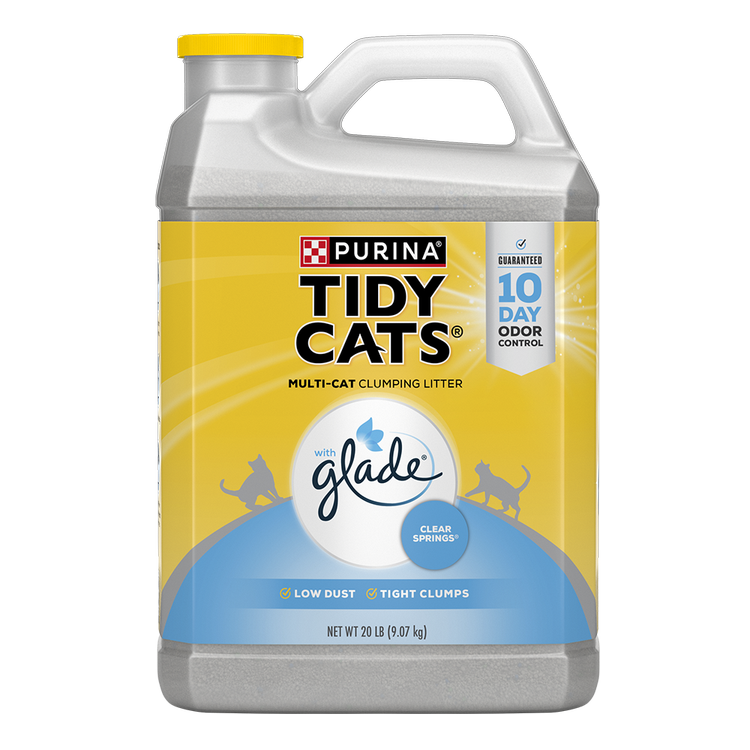
Credit: www.purina.com
Maintaining A Clean Litter Box
Maintaining a clean litter box is key to making the switch in cat litter smooth and stress-free for both you and your cat. A clean environment encourages your cat to use the box consistently and helps reduce odors in your home. Let’s look at some practical tips to keep your cat’s litter box fresh and inviting.
Cleaning Frequency
How often you clean the litter box can make a big difference in your cat’s comfort. Scoop out clumps and waste at least once a day to keep the litter fresh and dry. Completely change the litter and wash the box with mild soap and warm water every 1-2 weeks to prevent buildup of odors and bacteria.
Have you noticed your cat avoiding the box? It might be a sign to clean more often. Regular cleaning also helps you spot any changes in your cat’s health early.
Using Litter Liners
Litter liners can make cleaning easier by creating a barrier between the litter and the box. They help prevent litter from sticking to the bottom, saving you scrubbing time. However, some cats dislike liners because they change the texture under their paws, so watch your cat’s reaction closely.
If you decide to use liners, choose ones made of durable, non-toxic material and replace them each time you change the litter. Liners can also help extend the life of your litter box and keep it in better shape.
Odor Control Tips
Controlling odor is often the biggest challenge in litter box maintenance. Using clumping litter that locks in moisture can significantly reduce smells. You might also sprinkle a little baking soda at the bottom of the box before adding litter—this simple trick helps neutralize odors without harsh chemicals.
Ventilation around the litter box area is crucial too. Placing the box in a well-ventilated spot can keep the air fresh. Have you tried activated charcoal filters? They work great for absorbing odors and can be placed near the litter box discreetly.
Frequently Asked Questions
How Do I Safely Switch Cat Litter Types?
Gradually mix the new litter with the old over 7-10 days. Increase the new litter amount each day. This helps your cat adjust without stress or litter box avoidance.
Can I Change Cat Litter Without Upsetting My Cat?
Yes, by transitioning slowly and monitoring your cat’s behavior. Keep the box clean and familiar. Sudden changes can cause refusal, so patience is key.
How Long Does It Take Cats To Adapt To New Litter?
Most cats adapt within 1-2 weeks. Some may take longer depending on their sensitivity. Consistent gradual change helps ensure smooth adjustment.
What Are The Signs My Cat Dislikes New Litter?
Avoidance of the litter box, scratching outside it, or increased accidents signal dislike. Also, excessive sniffing or digging can indicate discomfort.
Conclusion
Switching cat litter takes patience and care. Introduce the new litter slowly. Mix it with the old one to help your cat adjust. Watch your cat’s behavior closely. Clean the litter box often to keep it fresh. Your cat will get used to the new litter in time.
A smooth change keeps your cat happy and healthy. Stay consistent and observe any changes. This simple approach makes switching litter easier for both you and your cat.

Lily Purrington is the founder of MyKittyPicks.com, a cozy corner of the web dedicated to helping cat lovers discover the best cat products, furniture, toys, and home decor ideas.
A lifelong cat enthusiast, Lily shares trusted tips, honest product recommendations, and stylish inspiration designed to keep kitties happy and homes beautiful.
Her mission is simple: to bring together practical advice and purr-fect picks that make life better for cats and the people who love them.


