
Have you ever noticed your cat suddenly smelling like urine and wondered why? It’s an unpleasant surprise that can leave you worried and confused.
Understanding why your furry friend smells this way is important—not just for your comfort, but for your cat’s health too. You’ll discover the common reasons behind this smell and what you can do to help your cat feel fresh and healthy again.
Keep reading, because the answers might be easier than you think.

Credit: smart.dhgate.com
Common Reasons For Urine Odor
If your cat smells like urine, it’s important to understand the common reasons behind this unpleasant odor. Identifying the cause will help you address the issue quickly and keep your furry friend comfortable. Let’s look at some typical reasons your cat might carry a urine smell.
Urinary Tract Infections
Urinary tract infections (UTIs) are a frequent cause of urine odor in cats. When your cat has a UTI, urine can become concentrated with bacteria and smell much stronger than usual. You might notice your cat licking its genital area more often or having trouble urinating.
If you catch this early, a vet can treat the infection with antibiotics. Ignoring it can lead to more serious health issues. Have you noticed your cat acting restless or avoiding the litter box lately?
Incontinence Issues
Incontinence is another common reason for a urine smell. Older cats or those with certain medical conditions may lose control over their bladder. This can cause urine to leak onto their fur or bedding, creating an odor that sticks around.
Incontinence can be distressing for both you and your cat. Regular grooming and vet check-ups can help manage this problem. Do you find wet spots on your cat’s fur or around their resting places?
Behavioral Marking
Cats sometimes mark their territory by spraying urine, which can leave a strong smell on their fur. This behavior is often triggered by stress, changes in environment, or the presence of other animals. The scent is meant to communicate ownership and can be quite pungent.
Understanding why your cat is marking can help you reduce this behavior. Providing a calm environment and enough resources can make a difference. Could your cat be feeling insecure or threatened in their space?
Dirty Fur Or Litter Box
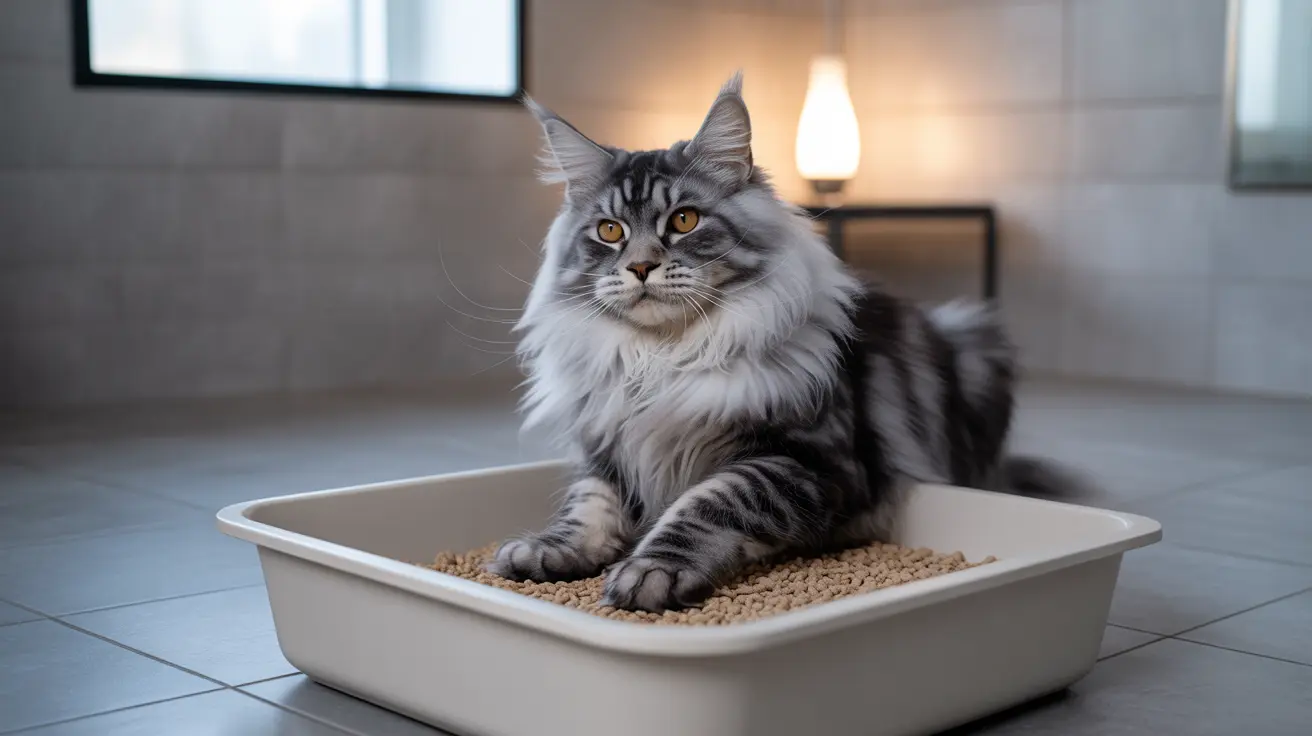
Sometimes the problem is simpler: your cat’s fur or litter box might not be clean enough. If your cat has accidents or doesn’t groom thoroughly, urine can stick to their coat and create a lasting smell. Similarly, a dirty litter box can cause odors to cling to your cat’s paws and fur.
Regular grooming and cleaning the litter box frequently are essential. Have you checked if your cat’s litter box is clean enough or if your cat needs a brush session?
Credit: www.petscare.com
Health Problems Linked To Smell
When a cat smells like urine, health problems often play a key role. This odor can signal underlying medical issues that need attention. Understanding these health problems helps in early detection and treatment. Here are some common health conditions linked to a strong urine smell in cats.
Kidney Disease
Kidney disease reduces the cat’s ability to filter waste. This causes toxins to build up in the body. The urine smell becomes stronger and unpleasant. Cats with kidney disease may also drink more water and urinate often.
Diabetes Effects
Diabetes can change the smell of a cat’s urine. High sugar levels make urine smell sweet or fruity. This condition also causes frequent urination and increased thirst. Detecting this smell early can help manage diabetes better.
Bladder Stones
Bladder stones irritate the urinary tract and cause strong urine odor. They may block urine flow, causing discomfort and infection. Cats with bladder stones often have pain while urinating. The urine smell can be foul or very strong.
Feline Lower Urinary Tract Disease
This disease affects the bladder and urethra in cats. It causes inflammation and sometimes infection. Urine smell can become strong and unpleasant. Cats may also strain to urinate or lick their genital area more often.
Cleaning Tips For Foul Odors
Dealing with a cat that smells like urine can be frustrating, but addressing the odor effectively requires the right cleaning approach. Tackling foul smells involves more than just masking them; you need to remove the source and keep your cat and home fresh. Here are practical cleaning tips that help you manage and prevent these unpleasant odors.
Bathing Your Cat Safely
Bathing a cat isn’t always easy, but it’s sometimes necessary to get rid of urine odors trapped in their fur. Use a mild cat shampoo designed specifically for felines to avoid skin irritation. Make sure the water is warm—not hot—and keep the bath area calm to reduce your cat’s stress.
Dry your cat thoroughly with a soft towel and reward them with treats afterward. Have you noticed that a quick bath often refreshes your cat’s scent and mood?
Litter Box Maintenance
A clean litter box is your first line of defense against urine smells. Scoop waste daily and change the litter completely at least once a week. Using clumping litter can make this task easier and more effective.
Place the litter box in a well-ventilated area, and consider adding a baking soda layer under the litter to absorb odors naturally. Does your cat avoid the box when it’s dirty? Keeping it fresh encourages consistent use, reducing accidents and smells.
Using Enzymatic Cleaners
Enzymatic cleaners are essential for breaking down urine proteins that cause stubborn odors. Regular household cleaners often mask the smell without removing it completely. Look for pet-safe enzymatic products to treat any spots where your cat has urinated outside the litter box.
Apply the cleaner generously and allow it to air dry for maximum effect. Have you tried these cleaners on carpets or furniture? They can make a noticeable difference in odor removal.
Preventing Future Odors
Prevention is key to keeping your cat and home smelling fresh. Regular grooming can reduce the buildup of urine on your cat’s fur, especially for older or less agile cats. Pay attention to any signs of urinary health issues and consult your vet if you notice frequent accidents.
Maintaining a clean environment and addressing health concerns promptly can save you from persistent odor problems. What small changes could you make today to keep your cat smelling clean tomorrow?
Behavioral Changes To Watch
Cats are known for being clean animals, but sometimes they can smell like urine. This could be a sign of behavioral changes that need attention. Understanding these changes can help address the issue effectively. Be observant and identify any shifts in your cat’s behavior.
Increased Marking Or Spraying
When cats feel stressed, they may start marking territory. This can lead to a urine smell around your home. Check for signs of marking near doors or windows. Cats mark to communicate or feel secure in their environment.
Changes In Grooming Habits
Cats usually groom themselves to stay clean. If your cat has stopped grooming, it might be due to stress or health issues. An unkempt coat can hold urine smells. Observe your cat’s grooming routine closely.
Litter Box Avoidance
Some cats avoid the litter box due to discomfort. This can cause them to urinate elsewhere, leading to a persistent smell. Ensure the litter box is clean and easily accessible. Changes in litter type can also affect usage.
When To Visit The Vet
Noticing a persistent urine smell on your cat can be worrying. It’s important to know when this issue requires professional attention. Understanding the signs that indicate a visit to the vet can help you act quickly and keep your feline friend healthy.
Signs Of Pain Or Discomfort
If your cat seems restless, cries out when using the litter box, or licks its genital area excessively, these are clear signs of pain or discomfort. Cats often hide pain, so subtle behaviors like hiding more than usual or avoiding jumping can also be clues. Don’t ignore these signs—your cat may be struggling with a urinary tract infection or other health problems.
Persistent Smell Despite Cleaning
You might clean your cat and its bedding thoroughly, but the urine smell keeps coming back. This persistence can indicate an underlying medical issue, such as incontinence or a skin infection. If cleaning doesn’t solve the problem, it’s time to ask your vet for advice to find the root cause.
Changes In Urination Patterns
Have you noticed your cat urinating outside the litter box or going more frequently? Changes like straining to urinate, blood in the urine, or even a sudden increase or decrease in urination are red flags. These symptoms often point to urinary tract infections, bladder stones, or kidney issues that need veterinary diagnosis and treatment.

Credit: www.reddit.com
Preventive Measures
Preventing your cat from smelling like urine is easier when you focus on daily habits and health care. Small changes in how you care for your cat can make a big difference. Let’s look at practical steps you can take to keep your feline friend fresh and healthy.
Regular Vet Checkups
Scheduling routine vet visits helps catch health issues early. Urine smell can be a sign of infections or kidney problems, which need prompt treatment. Your vet can also guide you on vaccinations and parasite control, keeping your cat’s overall health in check.
Think about how often you visit your doctor—your cat needs the same attention. Even if your cat seems fine, regular checkups prevent hidden issues from becoming serious. Have you booked your cat’s next vet appointment yet?
Diet And Hydration
A balanced diet plays a key role in your cat’s urinary health. Feeding high-quality food with the right nutrients supports kidney function and reduces odor-causing waste. Avoid foods with excessive fillers or artificial ingredients that can upset your cat’s system.
Hydration is just as important. Cats naturally drink less water, so try adding wet food to their meals or providing fresh water in multiple spots. You might notice your cat drinking more if you change their water daily or use a pet fountain. Could your cat’s water habits be improved?
Stress Reduction Techniques
Stress can lead to changes in your cat’s bathroom habits, causing urine accidents or strong odors. Providing a calm environment helps prevent these issues. Create safe spaces and consistent routines to help your cat feel secure.
- Use pheromone diffusers to calm anxious cats.
- Offer interactive toys to keep your cat mentally stimulated.
- Keep litter boxes clean and place them in quiet areas.
Have you observed how your cat behaves when you’re away or during loud noises? Reducing stress isn’t just about comfort—it’s about preventing health problems that cause unpleasant smells.
Frequently Asked Questions
Why Does My Cat Smell Like Urine At Home?
A cat smelling like urine often indicates poor grooming or a medical issue. Check for urinary infections, kidney problems, or bladder stones. Clean your cat regularly and consult a vet if the smell persists to ensure your cat’s health and hygiene.
Can Stress Cause A Cat To Smell Like Urine?
Yes, stress can lead to inappropriate urination or marking behavior. Cats may urinate outside the litter box, causing urine odor. Identifying and reducing stressors can help manage this behavior and eliminate the unpleasant smell around your cat.
How To Clean A Cat That Smells Like Urine?
Use pet-safe wipes or a damp cloth to gently clean your cat’s fur. Avoid harsh chemicals. Regular grooming and bathing can reduce urine smell. If odor continues, consult a vet to rule out health problems causing the smell.
Does A Dirty Litter Box Make My Cat Smell Like Urine?
A dirty litter box can cause your cat’s fur to smell like urine. Cats may step in urine and track it on their fur. Clean the litter box daily to prevent odor buildup and maintain your cat’s hygiene.
Conclusion
A cat smelling like urine can signal health or hygiene issues. Check your cat’s litter box and grooming habits often. Watch for signs of illness, such as changes in behavior or appetite. Cleaning your cat and its bedding regularly helps reduce odor.
Consulting a vet ensures your cat stays healthy and comfortable. Small steps can make a big difference in your cat’s life. Keep your furry friend clean and happy every day.

Lily Purrington is the founder of MyKittyPicks.com, a cozy corner of the web dedicated to helping cat lovers discover the best cat products, furniture, toys, and home decor ideas.
A lifelong cat enthusiast, Lily shares trusted tips, honest product recommendations, and stylish inspiration designed to keep kitties happy and homes beautiful.
Her mission is simple: to bring together practical advice and purr-fect picks that make life better for cats and the people who love them.


