
Have you ever watched your feline friend during her mating season and found yourself wondering, “What exactly is happening here?” You’re not alone.
Understanding the mating position of a female cat can be as fascinating as it is puzzling. This intriguing behavior isn’t just a quirky part of cat life; it’s a crucial element of their reproductive process. By delving into this topic, you can gain deeper insights into your cat’s behavior and needs.
Plus, it’s a great way to satisfy your curiosity and become a more informed cat owner. Keep reading, and you’ll uncover the secrets behind this mysterious feline ritual.

Credit: www.youtube.com
Female Cat’s Role In Mating
The female cat plays a crucial role in the mating process, guiding much of the interaction with her behaviors and signals. Unlike some animals where males take the lead, female cats actively indicate when they are ready to mate and influence the success of the encounter. Understanding her role can help you recognize her needs and timing if you are observing or managing cat breeding.
Behavior Before Mating
Before mating, a female cat often becomes more vocal and affectionate. You might notice her rubbing against objects or people more frequently. This behavior helps spread her scent, signaling her readiness to potential mates.
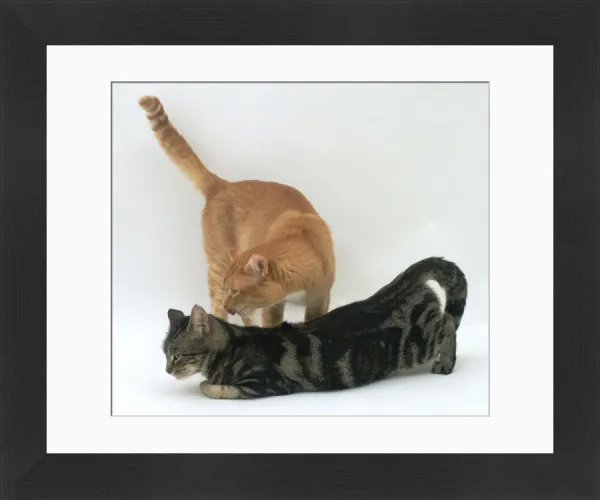
She may also display restlessness and pacing, which can seem unusual if you’re not aware of her cycle. At times, she might assume a posture called lordosis—raising her hindquarters and lowering her front body—inviting the male to approach. Have you ever seen your cat act strangely just before she goes into heat?
Signs Of Receptiveness
Recognizing when a female cat is receptive can make all the difference in successful mating. Key signs include:
- Frequent vocalizing or yowling to attract males
- Tail raising and moving to the side, exposing her genital area
- Rolling on the floor or rubbing against surfaces
- Increased licking of her genital area
These signs aren’t random—they serve as clear communication. If you see your female cat showing these behaviors, she is likely ready to mate. Have you noticed these signals before, or did they catch you by surprise?

Credit: www.petscare.com
Common Mating Positions
Understanding the common mating positions of female cats can give you valuable insight into their natural behavior and reproductive process. These positions aren’t just instinctive but play a critical role in successful mating. Let’s dive into how female cats typically position themselves and why it truly matters.
Typical Posture During Mating
Female cats usually adopt a crouched or arched-back posture during mating. This position allows them to stay balanced while the male mounts from behind. Often, you’ll notice the female tucking her front legs under her body and lifting her hindquarters slightly.
Another key behavior is the female moving her tail to one side to give clear access. This simple adjustment ensures that mating can occur smoothly without obstruction. Have you ever seen a cat suddenly shift her tail? That’s a natural signal related to this process.
Why Position Matters
The mating position is more than just physical comfort—it directly affects the chances of successful fertilization. Proper alignment helps the male cat deposit sperm effectively, increasing the likelihood of conception. It also minimizes stress and potential injury during this delicate act.
Interestingly, if the female cat is uncomfortable or stressed, she might resist or change position, which can interrupt mating. Have you noticed how some cats seem hesitant or avoidant? That’s often linked to how they feel about the mating posture.
Knowing these details can help you better understand your cat’s behavior during breeding and ensure a safer environment for both cats.
Physical Mechanics Of Mating
The physical mechanics of mating in female cats involve a series of instinctive behaviors and precise positioning. Understanding these natural actions helps you appreciate how cats communicate readiness and ensure successful reproduction. The female’s posture and the male’s approach create a delicate balance that triggers the mating process.
How Female Cats Position Themselves
Female cats usually adopt a specific posture called the lordosis position during mating. They lower their front body while raising their hindquarters, often moving their tail to the side. This position exposes their genital area and signals receptiveness to the male.
Interestingly, the female’s body language is very clear and intentional. If you watch closely, you’ll notice subtle movements like tail twitching or vocalizations that indicate readiness or reluctance. These signals help prevent misunderstandings between the two cats.
Male Cat’s Approach And Interaction
The male cat approaches the female cautiously, often sniffing and nuzzling her to confirm receptiveness. He typically mounts from behind, gripping the female’s neck with his teeth to hold her steady during mating. This bite is not aggressive but a natural part of feline mating behavior.
During copulation, the male’s penis has barbs that stimulate ovulation in the female. This unique physical trait makes the process brief but effective. Watching this interaction, you might wonder how such a small detail can play a crucial role in reproduction.
Factors Influencing Position
The mating position of a female cat is not fixed. It changes based on several factors. These factors affect comfort, safety, and success during mating. Understanding them helps explain different behaviors seen in cats.
Age And Health Of The Female
The age of a female cat plays a big role in her mating position. Younger cats tend to be more flexible and active. Older cats might choose positions that cause less strain on their bodies. Health conditions like arthritis or injury also influence their posture. A healthy cat usually adopts positions that allow easy movement. Sick or weak cats may stay still or choose safer, less demanding positions.
Environmental And Social Factors
The environment affects how a female cat positions herself during mating. Cats prefer quiet, safe places free from disturbance. Loud noises or other animals nearby can make a cat nervous. This may change her usual mating stance. Social dynamics also matter. If other cats are around, a female might be more cautious. She may choose positions that allow quick escape or defense. The presence of a trusted male can make her more relaxed and open to different positions.
Mating Behavior After Copulation
After copulation, the mating behavior of female cats changes noticeably. This phase is crucial for successful reproduction and involves specific reactions from both the female and male cats. Understanding these behaviors helps in recognizing their natural instincts and needs.
Female Cat’s Reaction
Female cats often show a sudden change in mood right after mating. They may hiss or swipe at the male cat to signal discomfort. This reaction is a natural response to the male’s withdrawal, which can be painful. After this, the female usually grooms herself to clean the area. Sometimes, she may hide or seek a quiet place to rest. These behaviors help her recover and prepare for possible pregnancy.
Male Cat’s Behavior Post-mating
The male cat typically leaves quickly after mating. He often becomes restless and searches for another receptive female. This behavior is driven by instinct to spread his genes widely. Male cats may also groom themselves briefly before moving on. They rarely stay with the female once copulation ends. This separation reduces conflict and competition between males.
Breeding Tips For Cat Owners
Breeding cats requires more than just pairing a female with a male. You need to ensure the process is smooth and stress-free for both animals. Paying attention to your cat’s comfort and behavior can make a big difference in successful mating.
Creating A Comfortable Environment
Your cat’s environment plays a crucial role in how she responds to mating. Choose a quiet, familiar space where she feels safe and calm. Avoid loud noises or sudden disturbances that might scare her away.
Provide soft bedding and keep the area warm but well-ventilated. You might notice your cat becoming more relaxed if you spend time with her before introducing the male. Have you ever seen how a calm atmosphere can change your cat’s mood instantly?
Monitoring The Mating Process
Watching your cats during mating helps you understand their behavior and intervene if necessary. Female cats may hiss or swat initially; this is normal and usually temporary. Don’t force the male to stay if the female seems stressed or aggressive.
Keep an eye on signs of discomfort or injury. After mating, the female might groom herself or appear restless. Your role is to ensure both cats remain safe and calm throughout this time.

Credit: www.youtube.com
Frequently Asked Questions
What Is The Common Mating Position Of A Female Cat?
Female cats typically mate in a crouched position with their hindquarters raised. This posture facilitates the male cat’s grip and successful copulation.
How Does A Female Cat Behave During Mating?
A female cat may vocalize loudly and exhibit restlessness. These behaviors signal receptiveness and help stimulate the male during mating.
Why Do Female Cats Raise Their Hindquarters To Mate?
Raising the hindquarters allows easier access for the male cat. It aligns their reproductive organs for effective mating and fertilization.
How Long Does The Mating Process Last In Cats?
Cat mating usually lasts only a few seconds. The male quickly dismounts after ejaculation, but the female may remain receptive for multiple matings.
Conclusion
Female cats mate in a specific position to ensure successful reproduction. The male cat usually mounts from behind while she stays still or moves slightly. This position helps both cats stay balanced and connected. Understanding this behavior helps pet owners care better for their cats.
It also explains why cats act differently during mating. Watching quietly from a distance is best. Respecting their natural habits keeps cats safe and calm. Knowing their mating position adds to learning about cat behavior. It shows how nature guides their actions simply and clearly.

Lily Purrington is the founder of MyKittyPicks.com, a cozy corner of the web dedicated to helping cat lovers discover the best cat products, furniture, toys, and home decor ideas.
A lifelong cat enthusiast, Lily shares trusted tips, honest product recommendations, and stylish inspiration designed to keep kitties happy and homes beautiful.
Her mission is simple: to bring together practical advice and purr-fect picks that make life better for cats and the people who love them.


