
If you’ve ever wondered what happens when a cat mates, you’re not alone. Understanding this natural process can help you take better care of your feline friend and make important decisions about their health and wellbeing.
Whether you’re a cat owner or simply curious, this guide will give you clear, easy-to-follow insights into cat mating. By the end, you’ll feel more confident and informed about what to expect and how to support your cat through this important stage of life.
Keep reading to discover the fascinating world of cat mating and how it might affect your furry companion.
Choosing The Right Cats
Choosing the right cats for mating is key to healthy kittens and happy pets. The selection process goes beyond appearance. It involves careful checks and thoughtful pairing. Each cat’s health, behavior, and age affect the outcome.
Health Screening
Health screening ensures cats are free from diseases. Tests include checking for parasites, viruses, and genetic issues. Vaccinations must be up to date. A vet exam helps spot hidden problems. Healthy parents lead to strong kittens.
Temperament Matching
Temperament matters as much as health. Calm and friendly cats usually produce balanced kittens. Aggressive or anxious cats may pass negative traits. Observe how cats interact with people and other animals. Choose pairs that complement each other’s personality.
Age Considerations
Age affects fertility and kitten health. Cats should be mature but not too old. Ideal breeding age is between one and five years. Very young or older cats may face risks during pregnancy. Proper age helps ensure successful mating and delivery.
Preparing For Mating
Preparing for cat mating requires thoughtful care to ensure a smooth process. The female cat needs a calm and safe space. Proper nutrition supports her health and fertility. Understanding her heat cycle helps in timing the mating correctly. These steps improve the chances of a successful mating.
Creating A Comfortable Environment
Choose a quiet and warm room for the cats. Limit loud noises and sudden movements. Provide soft bedding for the female to rest on. Keep the area clean to reduce stress and illness. Ensure good ventilation but avoid strong drafts. A calm setting helps the cats feel safe and relaxed.
Diet And Nutrition
Feed the female a balanced diet rich in proteins. Include vitamins and minerals to boost her health. Fresh water should always be available. Avoid sudden changes in food to prevent upset stomach. Good nutrition supports fertility and energy levels. Healthy cats have better chances of successful mating.
Timing The Heat Cycle
Watch for signs of heat such as vocalizing and restlessness. The female usually comes into heat every 2 to 3 weeks. The best mating time is during peak heat, lasting a few days. Track her cycle for accurate timing. Early morning or late evening often works best for mating. Proper timing increases the chance of pregnancy.
Mating Process
The mating process in cats is a fascinating interaction that involves specific behaviors and signals from both the male and female. Understanding this process helps you recognize when cats are ready to mate and how to manage their interactions safely. Knowing what to expect can prevent stress for the cats and ensure a smoother experience.
Introducing The Cats
Before allowing cats to mate, it’s important to introduce them carefully. Female cats in heat will often vocalize loudly and show restlessness, which signals readiness. Male cats respond with increased interest, but sudden introductions can lead to fear or aggression.
Start by letting them sniff each other through a barrier like a door or a gate. This gives both cats a chance to get familiar without direct contact. Gradually allow short supervised meetings, watching their body language closely.
Signs Of Successful Mating
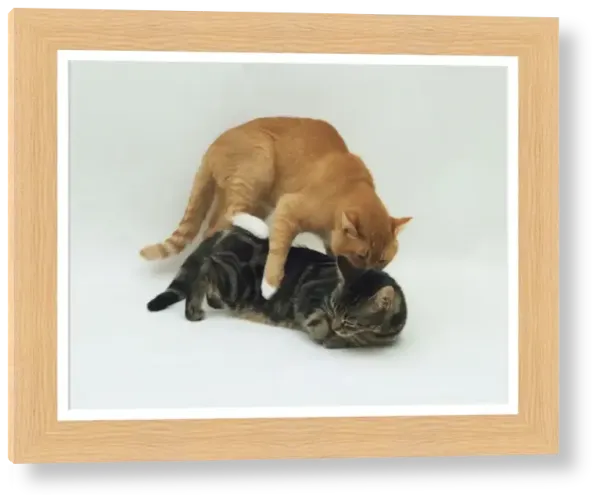
Successful mating is brief but intense. The female will usually show acceptance by crouching low, raising her hindquarters, and holding her tail to one side. The male mounts quickly, and the actual mating lasts only seconds.
After mating, the male often cries out and quickly dismounts to avoid female aggression. If the female allows multiple matings over several days, it increases the chance of pregnancy. Watch for this pattern as a sign that the process is going well.
Handling Aggression
Aggression can happen during mating, especially if cats feel threatened or stressed. You might see growling, hissing, or swatting. It’s crucial to stay calm and intervene only if there’s a risk of injury.
Separate the cats gently if aggression escalates. Give them time apart before trying again. Sometimes, introducing calming pheromones or consulting a vet can help reduce tension.
Have you noticed how your cats behave during these meetings? Observing closely can prevent problems and make mating safer for both cats.

Credit: www.mediastorehouse.com
Post-mating Care
After a cat mates, proper care is essential for her health and well-being. This period requires close attention to her condition and environment. Care can help prevent health problems and support potential pregnancy. Understanding key signs and providing the right care ensures a smooth post-mating phase.
Monitoring Health
Watch your cat closely for changes in behavior or appetite. Look for signs of discomfort or unusual discharge. Mild swelling is normal but severe swelling or bleeding needs a vet. Keep her environment quiet and stress-free to aid recovery. Check her temperature if she seems unwell or lethargic.
Recognizing Pregnancy
Pregnancy signs appear about two weeks after mating. The cat’s nipples may become pinker and more prominent. She might eat more and rest more often. Weight gain and a slight belly swell can also show pregnancy. A vet can confirm pregnancy with an ultrasound or exam.
Providing Proper Nutrition
Feed your cat high-quality, nutrient-rich food during this time. Pregnant cats need extra calories and protein for healthy kittens. Offer small, frequent meals to keep her energy steady. Fresh water should always be available. Avoid sudden diet changes to prevent stomach upset.
Common Breeding Challenges
Breeding cats might seem straightforward, but many face unexpected hurdles along the way. These challenges can affect both the health of the cats and the success of the mating process. Understanding these common breeding difficulties helps you prepare better and improve outcomes for your feline friends.
Infertility Issues
Infertility is a common problem that can stop your breeding plans in their tracks. It might be caused by hormonal imbalances, infections, or genetic factors in either the male or female cat.
Sometimes, a cat appears healthy but still can’t produce or fertilize eggs. Have you checked your cat’s reproductive health with a vet before breeding? Early testing can save you time and heartache.
Complications During Pregnancy
Pregnancy in cats is generally smooth, but complications do happen. Issues like miscarriage, toxemia, or difficulty delivering kittens can arise unexpectedly.
Monitoring your cat closely and maintaining regular vet visits during pregnancy can catch problems early. What signs will you look for to know if your cat needs immediate care?
Behavioral Problems
Breeding cats often show unexpected changes in behavior that can complicate the process. Aggression, stress, or refusal to mate are common obstacles.
Creating a calm, safe environment helps reduce stress for both cats. Have you noticed how your cat reacts to new surroundings or other cats? Understanding their behavior is key to successful mating.

Credit: www.mediastorehouse.com.au
Ethical Breeding Practices
Ethical breeding practices are essential to maintain the health and happiness of cats and their offspring. As a breeder, your responsibility extends beyond just pairing cats for mating. It involves thoughtful planning, care, and respect for the animals’ well-being throughout the process.
Avoiding Inbreeding
Inbreeding can lead to serious health problems and weaken the genetic diversity of your cats. You should carefully research the lineage of both parents to ensure they are not closely related. Keeping detailed records and consulting breed registries can help you make better decisions.
Have you ever considered how much genetic variety impacts a kitten’s long-term health? Avoiding inbreeding reduces the risk of inherited diseases and improves vitality. This simple step can make a huge difference in the lives of your cats.
Ensuring Welfare
The welfare of your cats should be your top priority during mating and pregnancy. Provide a clean, quiet space where the female feels safe and comfortable. Regular vet check-ups are crucial to catch any health issues early.
Nutrition also plays a big role—feeding high-quality food supports the mother and her kittens. Observe your cats closely for any signs of stress or illness, and never hesitate to seek professional advice. Your attention and care directly affect the outcome of the breeding process.
Responsible Placement Of Kittens
Finding the right homes for kittens is just as important as the breeding itself. You should screen potential adopters to ensure they can provide a loving and stable environment. Providing guidance on kitten care helps new owners start on the right foot.
Consider how you would feel handing over a beloved pet—would you want the new owner to be fully prepared? Responsible placement protects the kittens and builds your reputation as a trustworthy breeder. Don’t rush this step; take the time to match kittens with the right families.

Credit: www.mediastorehouse.com
Frequently Asked Questions
What Is The Cat Mating Process Like?
Cat mating involves a brief but intense interaction. The female signals readiness through vocalizations and posture. The male mounts quickly, and mating lasts only a few minutes. This process may repeat multiple times during the female’s heat cycle to ensure successful fertilization.
When Do Cats Typically Mate?
Cats usually mate during their heat cycles, which occur several times a year. Female cats enter heat at around six months old. Mating is more frequent in spring and summer due to increased daylight. This period triggers hormonal changes that make females receptive to males.
How Long Does A Cat’s Heat Cycle Last?
A cat’s heat cycle typically lasts 7 to 10 days. During this time, the female shows signs of being in heat, like loud vocalizing and restlessness. If she does not mate, the cycle will repeat every few weeks until fertilization occurs.
Can Cats Mate Without Human Intervention?
Yes, cats can mate naturally outdoors or if allowed to roam freely. Unspayed females attract males during heat, leading to mating. However, uncontrolled mating can lead to overpopulation and health risks, so responsible pet ownership is important.
Conclusion
Understanding cat mating helps pet owners care for their feline friends. Recognizing mating signs in cats is essential. This knowledge aids in managing their reproductive health. Observing behavior changes provides insights into their needs. Remember, spaying and neutering control unwanted litters.
It also improves their overall well-being. Cat mating can be complex, but awareness simplifies it. Your feline companion deserves the best care. Stay informed and ensure their happiness. A happy cat means a happy home. Keep learning and nurturing your bond.
It strengthens your relationship with your pet. Always prioritize their health and comfort.

Lily Purrington is the founder of MyKittyPicks.com, a cozy corner of the web dedicated to helping cat lovers discover the best cat products, furniture, toys, and home decor ideas.
A lifelong cat enthusiast, Lily shares trusted tips, honest product recommendations, and stylish inspiration designed to keep kitties happy and homes beautiful.
Her mission is simple: to bring together practical advice and purr-fect picks that make life better for cats and the people who love them.


