
Have you ever wondered if mating hurts female cats? If you’re a cat owner or simply curious, this question might be on your mind.
Understanding what happens during a cat’s mating process can help you better care for your furry friend. You might be surprised by how different it is from what you expect—and knowing the facts can ease your worries. Keep reading to discover the truth about whether mating causes pain for female cats and what signs you should watch for to keep your pet safe and comfortable.
Cat Mating Basics
Understanding the basics of cat mating can help you better care for your pets and address any concerns about their behavior or wellbeing. Cat mating is a natural process influenced by the biology and instincts of both males and females. Knowing how this process works sheds light on why female cats sometimes appear uncomfortable or distressed during mating.
Female Cat Reproductive Cycle
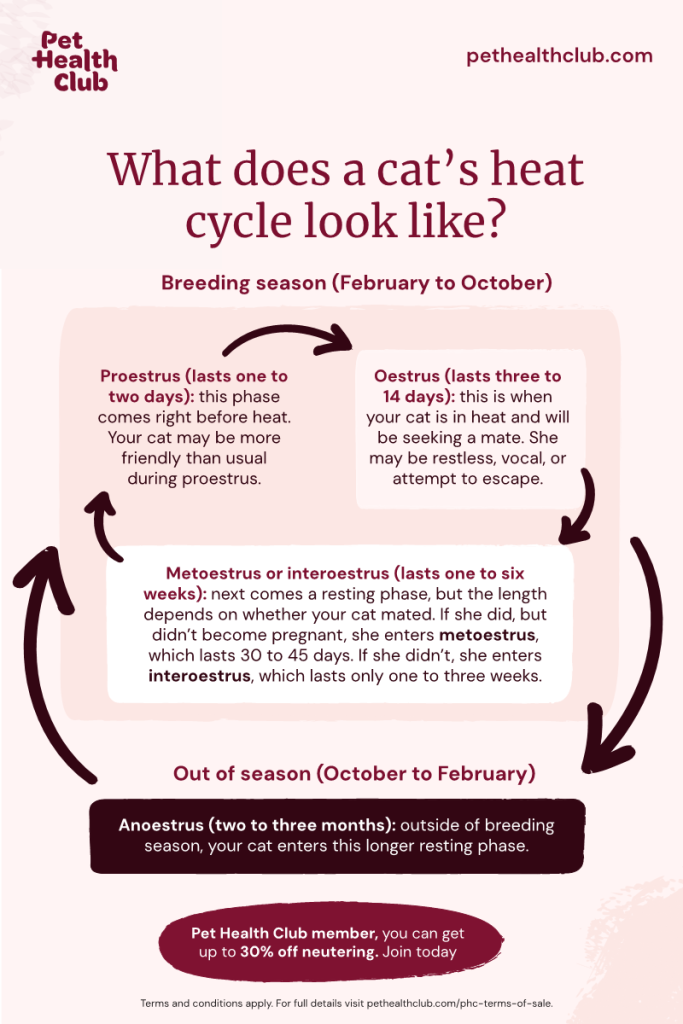
Female cats go through a reproductive cycle called estrus, or being “in heat.” This cycle usually happens every two to three weeks during breeding season and lasts about a week.
During estrus, your female cat becomes more vocal and affectionate. She may rub against objects and assume a mating position with her rear raised.
Her body is preparing for mating by releasing hormones that signal she’s ready to conceive. This cycle is crucial to understand if you’re concerned about your cat’s reactions during mating.
Male Cat Mating Behavior
Male cats detect females in heat through scent and sound. Once interested, the male will follow the female closely and may become more aggressive or territorial.
During mating, the male cat’s behavior is driven by instinct rather than gentleness. His barbed penis stimulates ovulation in the female, which can cause her discomfort.
This natural process explains why female cats might seem upset or even hiss after mating. It’s their body’s way of responding to a necessary but sometimes painful reproductive event.
Credit: www.petscare.com
Physical Sensations During Mating
Mating is a complex experience for female cats, involving a mix of physical sensations that can sometimes be surprising. Understanding these sensations helps you grasp why female cats might react strongly during the process. Let’s look closely at what’s happening inside their bodies during mating.
Anatomy Of Female Cats
The female cat’s reproductive system is unique and plays a big role in the physical sensations she feels during mating. The vagina has sensitive nerve endings, and the cervix is located deep inside, where the male cat’s barbed penis makes contact.
This anatomy means that the physical act of mating involves more than just basic contact. The male cat’s penis has tiny backward-facing barbs, which stimulate ovulation but can also cause discomfort.
Have you ever noticed your cat’s sudden reactions after mating? This is because of these specific anatomical features at work.
Pain Triggers In Mating Process
Several factors can trigger pain or discomfort during the mating process for female cats. The barbs on the male’s penis scrape against the walls of the vagina and cervix, causing a sharp sensation.
This scraping is what often causes the female to cry out or try to escape immediately after mating. It’s not just physical pain; it’s also a biological trigger that stimulates ovulation.
Besides the barbs, the forceful and quick nature of mating can add to the discomfort. Female cats don’t always experience pain the same way, but these triggers explain why mating can be unpleasant for many.
Behavioral Signs Of Discomfort
Female cats may show clear signs of discomfort during and after mating. Recognizing these behaviors helps understand their experience better. Cats use vocal and physical cues to express pain or unease. Observing these signs can guide caretakers to respond appropriately and provide comfort.
Vocalizations And Body Language
Female cats often vocalize loudly during mating. These sounds can range from yowling to sharp cries. The vocalizations indicate distress or pain. Alongside sounds, body language signals discomfort. A female cat may:
- Arch her back tensely
- Flick or twitch her tail rapidly
- Flatten her ears against her head
- Attempt to escape or hide
- Growl or hiss at the male cat
These signs show the cat’s attempt to avoid or reduce pain. Not all females react the same way, but these are common indicators.
Post-mating Reactions
After mating, female cats may act restless or agitated. They might lick their genital area frequently. This behavior helps soothe irritation or discomfort. Some cats become withdrawn or hide for a while. Others might pace or show signs of stress. Watch for changes in appetite or grooming habits. These reactions suggest the cat is still feeling uneasy.

Credit: www.reddit.com
Health Risks Linked To Mating
Mating can pose several health risks for female cats. These risks affect their physical and emotional well-being. Understanding these dangers helps cat owners protect their pets better. Female cats may face injuries, infections, and stress during mating. Each of these factors can impact their health long term.
Injuries And Infections
During mating, female cats can suffer physical injuries. The male cat’s teeth and claws might cause scratches or bites. The mating act itself can lead to bruising or swelling in sensitive areas.
Infections are also common after mating. Bacteria can enter through small wounds or the reproductive tract. These infections may cause discomfort, pain, or more serious health issues like uterine infections.
Regular veterinary checks are important after mating. Early detection of injuries and infections ensures proper treatment. This helps prevent complications and promotes faster healing.
Stress And Its Effects
Mating can cause significant stress for female cats. The process may be loud, rough, and overwhelming. Stress affects their behavior, appetite, and immune system.
High stress levels can weaken a cat’s immune response. This makes it harder for the body to fight infections. Stress may also lead to changes in grooming and social behavior.
Providing a calm and safe environment after mating helps reduce stress. Gentle care and attention support recovery and well-being.
Natural Adaptations To Mating Pain
The mating process for female cats can be uncomfortable, but nature has equipped them with adaptations to manage this pain. These natural mechanisms help balance the physical challenges with reproductive success. Understanding these adaptations gives you insight into how female cats cope during mating.
Hormonal Responses
During mating, female cats experience a surge in hormones like endorphins, which act as natural painkillers. These chemicals reduce the sensation of pain and stress, making the experience more bearable. You might notice your cat acting calmer or more relaxed after mating, which is linked to these hormonal effects.
Oxytocin, another hormone released during mating, plays a role in bonding and reducing anxiety. This hormonal response can help the female cat tolerate the brief discomfort involved. Have you ever observed a sudden change in your cat’s behavior post-mating? That could be the hormones at work.
Evolutionary Perspectives
From an evolutionary standpoint, the ability to endure mating pain is crucial for survival. Female cats that adapted to tolerate this discomfort were more likely to reproduce successfully. This tolerance ensures the continuation of their genes despite the temporary pain involved.
Interestingly, the male cat’s barbed penis causes pain to stimulate ovulation, which is necessary for pregnancy. This evolutionary trait forces females to be responsive to mating, linking pain directly to reproductive success. It raises the question: how much discomfort is too much, and how do cats naturally find this balance?

Credit: www.petscare.com
Role Of Neutering And Spaying
Neutering and spaying play a crucial role in managing the health and behavior of female cats, especially concerning their mating experiences. These procedures not only prevent unwanted litters but also influence the physical and emotional well-being of your cat. Understanding how neutering and spaying affect mating-related discomfort can help you make informed decisions for your pet’s health.
Benefits For Female Cats
Spaying offers significant health benefits for female cats. It eliminates the risk of uterine infections and greatly reduces the chances of mammary gland tumors, which can be life-threatening.
Beyond health, spaying also calms your cat by stopping the hormonal cycles that trigger heat behaviors. This means fewer yowling sessions and less restlessness, improving your cat’s quality of life and your home environment.
Have you noticed your cat’s behavior change during heat? Spaying can bring lasting relief from this stressful period.
Impact On Mating-related Discomfort
Mating can be physically painful for female cats due to the male’s barbed penis, which causes discomfort to trigger ovulation. Spaying removes the reproductive organs, so this pain and stress are completely avoided.
After spaying, your cat no longer experiences the hormonal surges and physical pain linked to mating. This means no more distress caused by repeated mating attempts or heat cycles.
If you’ve seen a female cat in heat, you know how exhausting it can be for both the cat and the owner. Spaying can spare your cat from these uncomfortable experiences entirely.
Caring For Cats During Mating Season
Caring for your cat during mating season requires extra attention and understanding. This period can be stressful for female cats, and your role is crucial in ensuring their comfort and health. Observing changes and acting promptly can make a significant difference in their well-being.
Monitoring Health And Behavior
Keep a close eye on your cat’s behavior. You might notice increased vocalization, restlessness, or changes in appetite. These are common signs of mating season, but persistent lethargy or aggression should raise concerns.
Watch for physical signs like swelling or discharge, which can indicate irritation or infection. Record any unusual symptoms to discuss with your vet. Your awareness helps catch problems before they escalate.
When To Seek Veterinary Help
If your cat shows signs of distress such as excessive bleeding, difficulty walking, or refusal to eat, contact your veterinarian immediately. These symptoms could mean complications from mating or underlying health issues.
Don’t hesitate to get professional advice if your cat seems unusually anxious or if mating appears to have caused injury. Early intervention can prevent serious problems and speed up recovery.
Have you noticed subtle changes in your cat during mating season? Taking action early can protect her health and comfort.
Frequently Asked Questions
Does Mating Cause Pain To Female Cats?
Yes, mating can cause discomfort or pain to female cats. Male cats have barbed penises that can irritate the female’s sensitive reproductive tract. This pain is usually brief but can cause vocalization and distress during mating.
Why Do Female Cats Vocalize During Mating?
Female cats vocalize during mating due to the pain caused by the male’s barbed penis. This vocalization is a natural response to discomfort and signals distress. It also helps trigger ovulation in female cats, which is essential for reproduction.
How Long Does Mating Discomfort Last In Female Cats?
Mating discomfort in female cats typically lasts only a few seconds to a minute. After mating, the pain usually subsides quickly. Female cats generally recover without any lasting pain or injury from the mating process.
Can Mating Harm A Female Cat’s Health?
Mating rarely causes serious harm to female cats when they are healthy. However, aggressive or frequent mating can lead to injuries or infections. Proper care and monitoring are essential to ensure the female’s health during breeding.
Conclusion
Female cats can experience discomfort during mating. This discomfort is often due to the male cat’s barbed penis. It’s important for cat owners to understand this natural process. Ensuring your cat is healthy can help reduce any distress. Spaying your cat can prevent unwanted pregnancies and mating stress.
Always consult a vet for guidance. They can offer valuable advice tailored to your cat’s needs. Understanding your cat’s behavior helps in caring for them better. Educated cat care leads to happier, healthier pets. Remember, a little knowledge goes a long way.

Lily Purrington is the founder of MyKittyPicks.com, a cozy corner of the web dedicated to helping cat lovers discover the best cat products, furniture, toys, and home decor ideas.
A lifelong cat enthusiast, Lily shares trusted tips, honest product recommendations, and stylish inspiration designed to keep kitties happy and homes beautiful.
Her mission is simple: to bring together practical advice and purr-fect picks that make life better for cats and the people who love them.


