
Have you ever wondered what happens to your cat’s heat cycle after she mates? If you’ve noticed your cat still acting restless or vocal even after a successful mating, you’re not alone.
Understanding whether cats stay in heat after mating can help you better care for your furry friend and avoid confusion. You’ll discover the surprising facts about your cat’s behavior and what it means for her health and comfort. Keep reading to learn everything you need to know about your cat’s heat cycle after mating.
Cat Heat Cycle Basics
Understanding your cat’s heat cycle is key to answering whether she stays in heat after mating. The heat cycle, also known as estrus, is a natural part of your cat’s reproductive system. Knowing the basics can help you manage her behavior and health better.
Stages Of The Heat Cycle
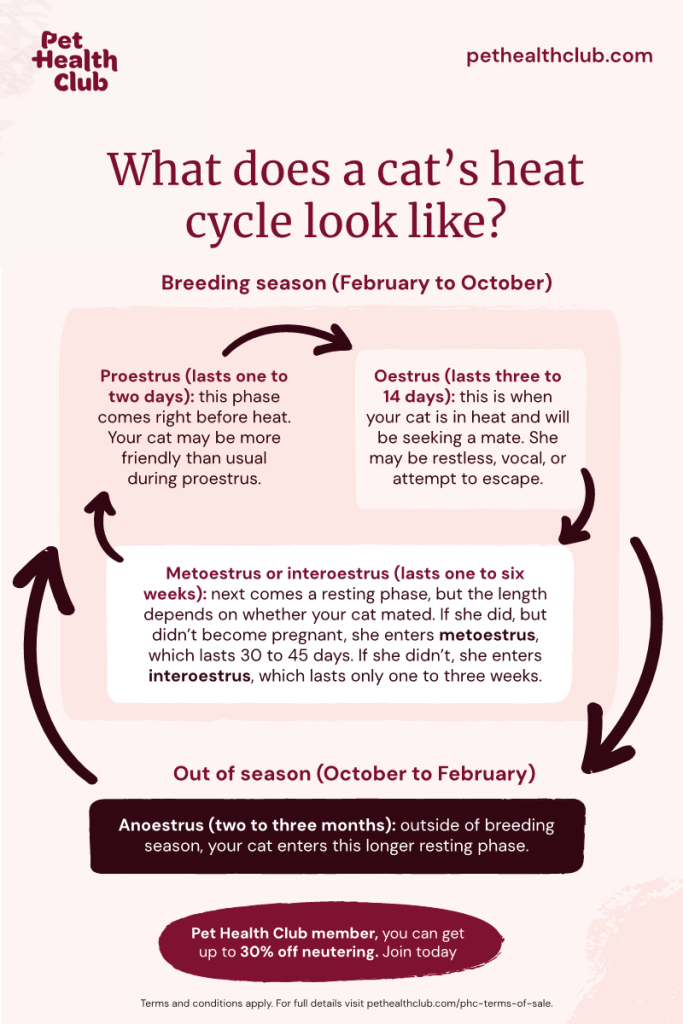
The heat cycle in cats typically follows several stages. It starts with proestrus, where your cat may show slight behavioral changes but won’t mate yet. Next is estrus, the actual “heat” phase when she is receptive to males and can conceive.
If she doesn’t mate or conceive, she moves into metestrus, a brief period where signs of heat fade. Finally, anestrus is a resting phase before the cycle begins again. This whole process can last from a few days to a few weeks, depending on your cat’s individual rhythm.
Signs Your Cat Is In Heat
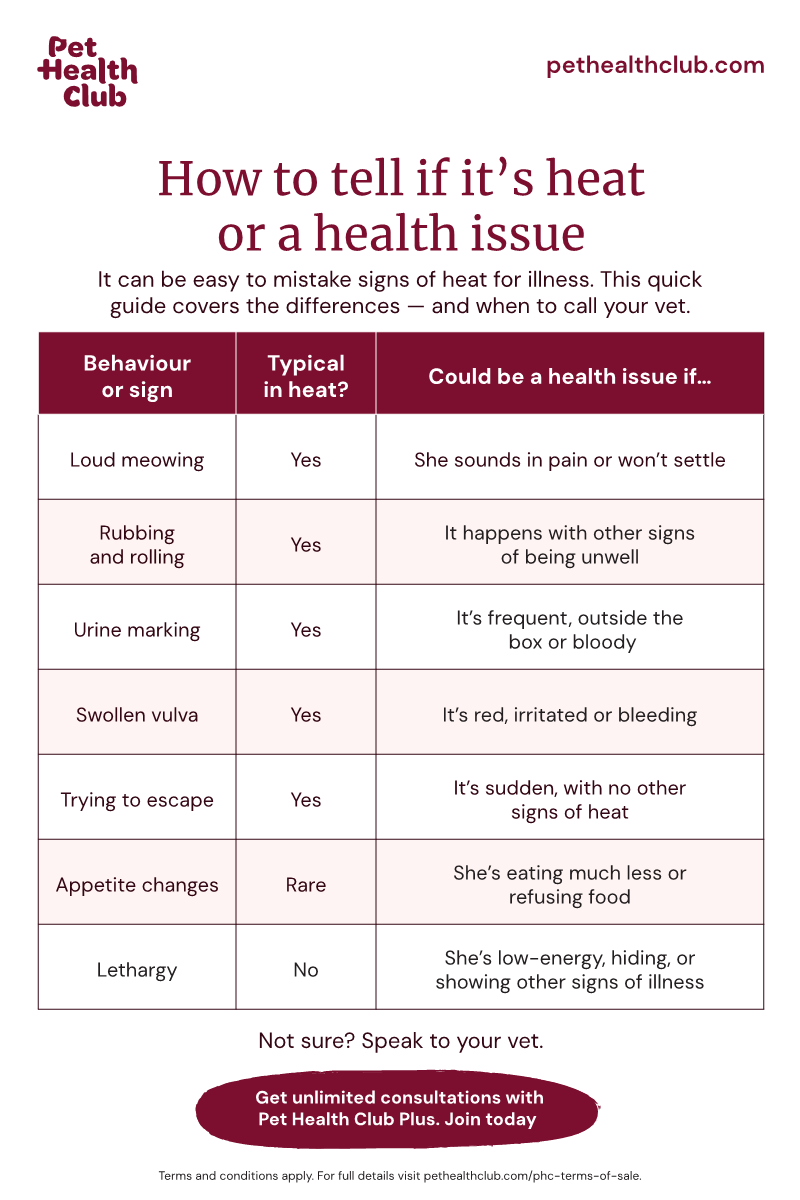
Recognizing when your cat is in heat can save you from surprise behaviors. You might notice her becoming unusually vocal, with loud yowling that seems hard to ignore. She may also become more affectionate, rubbing against furniture or even people more than usual.
Other signs include restlessness and frequent licking of her genital area. Some cats assume a mating posture, raising their hindquarters and moving their tails aside. Have you noticed these signs in your cat? Recognizing them early helps you decide on the best care or intervention.
Credit: www.pethealthclub.com
Effects Of Mating On Heat
Mating has a clear impact on a cat’s heat cycle. The heat cycle is a natural phase where female cats become receptive to males. Understanding how mating influences this cycle helps in managing your cat’s behavior and health.
The heat cycle involves hormonal changes. Mating can affect these hormones, but it does not always end the heat immediately. Cats have a unique reproductive system that can cause repeated heat cycles in a short time.
Does Mating Stop The Heat?
Mating does not always stop the heat cycle right away. Cats are induced ovulators, meaning mating triggers ovulation. Without mating, the heat can last longer. After mating, the heat might end if ovulation occurs successfully.
Sometimes, a cat may mate but not ovulate. In this case, the heat continues. This can cause the cat to go into heat multiple times in one season. Mating can shorten the heat, but it does not guarantee it will stop immediately.
How Many Times Can A Cat Go Into Heat?
A female cat can go into heat several times during a breeding season. The number varies but often ranges from two to six times. Each heat lasts about a week to ten days.
If the cat does not become pregnant, the heat cycle repeats roughly every two to three weeks. This cycle continues until the cat mates and ovulates or the breeding season ends. Outdoor cats may have longer or more frequent heat cycles.
Behavior Changes After Mating
Understanding the behavior changes in cats after mating can help you recognize what’s normal and when to seek advice. Cats experience hormonal shifts that influence their mood and actions post-mating. Observing these changes closely can guide you in providing the right care for your feline friend during this sensitive time.
Typical Post-mating Behavior
After mating, many cats show a noticeable shift in behavior. They may become calmer and less vocal, as the intense drive of heat starts to diminish. Some cats might prefer more alone time or seek extra affection from their favorite humans.
It’s common for cats to groom themselves more frequently, which helps reduce any residual scent that might attract other males. You might also notice a slight drop in activity, as your cat recovers from the physical exertion of mating. Watch for any signs of discomfort, but mild restlessness is usually normal.
When Heat Symptoms Persist
Sometimes, a cat can still act like she’s in heat even after mating. This might happen if the mating didn’t result in pregnancy or if the cat is experiencing a false heat cycle. Persistent yowling, rubbing against furniture, and restlessness are signs that your cat’s hormones are still active.
If these symptoms last longer than a week, consider consulting your vet. They can check for underlying issues such as infections or hormonal imbalances. You might need to discuss options like spaying to prevent repeated heat cycles and the stress they cause both you and your cat.

Credit: www.youtube.com
When Heat Continues After Mating
Sometimes, a cat’s heat cycle doesn’t end right after mating. This can leave you wondering why your cat is still acting restless or vocal. Understanding why heat continues after mating can help you decide if it’s normal behavior or if your cat needs a vet’s attention.
Reasons For Prolonged Heat
One common reason is that the mating wasn’t successful. Cats often need multiple matings for ovulation to occur, so a single encounter might not end the heat cycle.
Another factor could be the cat’s age or health. Younger cats or those with hormonal imbalances might experience longer or irregular heat periods.
Sometimes, external stress or changes in the environment can disrupt the cycle. Has your cat’s routine or surroundings changed recently? This could affect how long her heat lasts.
Health Concerns To Watch For
If your cat’s heat seems unusually long or intense, it’s important to monitor her closely. Prolonged heat could signal infections, ovarian cysts, or other reproductive problems.
Look out for symptoms like:
- Excessive vocalization beyond typical heat behavior
- Unusual discharge or swelling
- Lethargy or loss of appetite
Ignoring these signs can lead to complications. If you notice any of these, it’s best to consult your vet without delay.
Have you ever noticed your cat’s heat cycle extending well past the usual timeframe? Understanding these clues can make a big difference in her health and comfort.
Managing Your Cat’s Heat
Managing your cat’s heat cycle can be challenging for many pet owners. Cats in heat often show restless behavior and loud vocalizations. Understanding ways to comfort your cat and control her heat cycle helps maintain peace at home. It also supports your cat’s health and well-being.
Comfort Measures For Cats In Heat
Provide a calm, quiet place for your cat to rest. Soft blankets and a warm bed can soothe her. Play gentle music or use white noise to reduce stress. Keep fresh water and food nearby to encourage eating. Offer extra attention and gentle petting to calm her nerves. Avoid rough play or loud noises that may upset her further.
Options For Heat Control
Spaying is the most effective way to stop heat cycles permanently. It prevents unwanted litters and reduces health risks. If spaying is not an option, keep your cat indoors to avoid mating. Use pheromone diffusers to help relax your cat. Consult your vet about temporary hormone treatments. These options help manage heat cycles but require veterinary advice.
Credit: www.pethealthclub.com
Spaying And Heat Prevention
Spaying your cat is a key step in managing heat cycles and preventing unwanted pregnancies. It not only stops your cat from staying in heat after mating but also brings several health and behavioral benefits. Understanding the benefits and the right timing can help you make the best decision for your feline friend.
Benefits Of Spaying
Spaying eliminates heat cycles, so your cat won’t experience the stress and restlessness that come with being in heat. You’ll notice fewer loud vocalizations and less pacing, which means a calmer home environment. Additionally, spaying reduces the risk of certain cancers and infections, keeping your cat healthier for longer.
Beyond health, spaying prevents unwanted litters. This helps control the pet population and saves you from unexpected expenses. Have you ever dealt with a surprise litter? Spaying can save you from that challenge entirely.
Timing And Considerations
Choosing the right time to spay your cat matters. Most vets recommend spaying before the first heat cycle, usually around 5 to 6 months old, for the best health outcomes. However, if your cat is already in heat, it’s still safe to spay her, although the surgery might be slightly more complex.
Consider your cat’s lifestyle too. If she goes outdoors or interacts with other cats, spaying is even more important to prevent accidental pregnancies. Talk to your vet about the best timing based on your cat’s health, age, and activity level. What questions do you have about spaying that your vet can help answer?
Frequently Asked Questions
Do Cats Stop Being In Heat After Mating?
No, cats may not stop being in heat after mating. Female cats can continue to show heat signs if not successfully pregnant. Heat cycles repeat every few weeks until pregnancy occurs or the season ends.
How Long Does A Cat Stay In Heat After Mating?
A cat’s heat cycle lasts about 7 to 10 days. If mating doesn’t result in pregnancy, the heat cycle repeats roughly every 2 to 3 weeks during breeding season.
Can A Cat Go Back Into Heat Immediately After Mating?
Yes, a cat can return to heat soon after mating if she doesn’t conceive. Multiple heat cycles can occur within a single breeding season.
What Signs Indicate A Cat Is Still In Heat After Mating?
Signs include loud vocalization, restlessness, rubbing, and raised hindquarters. If these behaviors persist after mating, the cat is likely still in heat.
Conclusion
Understanding your cat’s heat cycle helps in managing their needs. After mating, cats usually stop being in heat. This change can happen quickly. Sometimes, signs of heat may linger a bit. Yet, they soon fade away. Spaying your cat can prevent repeated cycles.
It keeps your cat healthy and calm. Always consult your vet for the best advice. Each cat is unique. They may show different behaviors. Be patient and attentive. Your furry friend will appreciate your care.

Lily Purrington is the founder of MyKittyPicks.com, a cozy corner of the web dedicated to helping cat lovers discover the best cat products, furniture, toys, and home decor ideas.
A lifelong cat enthusiast, Lily shares trusted tips, honest product recommendations, and stylish inspiration designed to keep kitties happy and homes beautiful.
Her mission is simple: to bring together practical advice and purr-fect picks that make life better for cats and the people who love them.


