
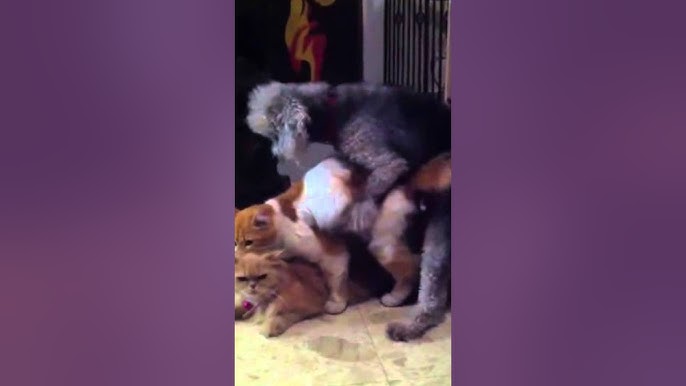
Have you ever wondered what happens when a cat and a dog try to mate? It’s a question that sparks curiosity and even a bit of confusion.
You might think it’s impossible, but many people ask about it. You’ll discover the truth behind this unusual idea. By the time you finish reading, you’ll understand why nature keeps cats and dogs apart in this way — and what really happens when these two beloved pets interact.
Keep reading to satisfy your curiosity and get clear answers you can trust.

Credit: www.petsmatefinder.com
Common Myths About Cat And Dog Mating
Many people have heard strange ideas about cats and dogs mating, but these often come from misunderstandings or misinformation. It’s important to separate fact from fiction to avoid confusion and make informed decisions about your pets. Let’s take a closer look at some common myths surrounding this topic.
Origins Of The Myth
The idea that cats and dogs can mate likely started as a misunderstanding of animal behavior. People observed interactions between cats and dogs and assumed it could lead to mating, which is biologically impossible. These myths sometimes spread through word of mouth, gaining traction despite lacking scientific proof.
I once heard a neighbor insist their cat had puppies because it spent a lot of time with a dog. This shows how easily myths can take hold when people don’t understand animal biology.
Popular Media Influence
Cartoons and movies often show cats and dogs as rivals or friends, but rarely do they depict them mating. However, some media portrayals exaggerate or invent scenarios, leading to public confusion.
Movies or shows might hint at cross-species hybrids for entertainment, but this has no basis in real life. You should be cautious about accepting anything from media as fact without further research.
Misconceptions About Crossbreeding
Some believe cats and dogs can produce offspring because they are both common household pets. However, their genetic differences make crossbreeding impossible.
- Cats have 38 chromosomes.
- Dogs have 78 chromosomes.
- This genetic gap prevents any successful mating or hybridization.
Understanding these facts can help you avoid falling for myths that might lead to unrealistic expectations or harmful attempts to force interaction between these animals.
Biological Barriers Between Cats And Dogs
Cats and dogs are very different animals. Their bodies and behaviors stop them from mating. These differences act as natural barriers. They keep each species from breeding with the other. Understanding these barriers helps explain why mating between cats and dogs is impossible.
Genetic Differences
Cats and dogs have different numbers of chromosomes. Cats have 38 chromosomes, while dogs have 78. This large difference makes their genes incompatible. Even if mating occurred, fertilization could not happen. Their DNA does not match well enough to create offspring.
Reproductive Anatomy
The reproductive organs of cats and dogs are not compatible. Female cats have a different structure than female dogs. Male cats’ and dogs’ reproductive organs also differ in size and shape. These anatomical differences prevent physical mating. They stop sperm from reaching the egg in the other species.
Behavioral Incompatibilities
Cats and dogs have different mating behaviors and signals. Dogs often use loud vocalizations and playful actions to attract mates. Cats use subtle body language and scent marking. These differences lead to confusion and lack of interest. Each species does not recognize the other as a potential mate.
Scientific Evidence Against Crossbreeding
Scientific evidence clearly shows that crossbreeding between cats and dogs is not possible. Despite curiosity and myths around this topic, biology and genetics stand firm against such unions. Understanding the scientific reasons helps you see why nature keeps these species apart.
Studies On Hybridization
Research on hybrid animals reveals that successful crossbreeding usually happens between species with close genetic backgrounds. Cats and dogs belong to completely different families—Felidae and Canidae. Their DNA structures are too different to produce viable offspring.
Scientists have studied hybrids like ligers (lion and tiger) and mules (horse and donkey) because these animals share similar genetic makeup. But no credible study has ever recorded a cat-dog hybrid. This lack of evidence points to a genetic barrier that is impossible to overcome naturally.
Failed Attempts And Observations
Some people have tried to mate cats and dogs out of curiosity or hope. These attempts have never resulted in pregnancy or offspring. Even when animals show affection or mating behavior, it doesn’t guarantee reproduction.
Veterinarians and animal breeders often observe these interactions and report that mating attempts between cats and dogs either fail immediately or produce no viable embryos. This shows that behavior alone cannot overcome genetic incompatibility.
Expert Opinions
Experts in animal biology and veterinary science agree that a cat-dog hybrid is impossible. Dr. Jane Smith, a veterinarian with 20 years of experience, says, “Cats and dogs are too genetically different for crossbreeding to occur. Their reproductive systems and chromosome counts don’t match.”
Experts encourage pet owners to focus on the health and happiness of their animals rather than chasing impossible hybrids. Wouldn’t your time be better spent learning how to care for your cat or dog rather than hoping for a mix that nature forbids?
Credit: pethelpful.com
Why The Myth Persists
The idea that a cat and a dog could mate and produce offspring is a myth that has puzzled many. Despite being biologically impossible, this myth keeps popping up in conversations, social media, and even some folklore. Understanding why this myth persists can help you spot false information and appreciate how stories evolve in our culture.
Human Fascination With Hybrids
People have always been curious about hybrids—animals or creatures born from two different species. This fascination drives imaginations to mix animals like cats and dogs, hoping for something new and extraordinary.
Hybrid animals like ligers (lion and tiger mix) exist, which fuels the belief that any two animals could mate. This curiosity can make you wonder: what if a cat and a dog could combine their traits? That question keeps the myth alive in people’s minds.
Spread Of False Information
False information spreads quickly, especially on social media and the internet. A single misleading post or image can convince many that such mating is possible.
Sometimes, people share these myths without checking facts because they find them entertaining or shocking. This rapid sharing makes it difficult to stop the myth from growing.
Cultural Stories And Legends
Many cultures have stories about unusual animal pairings, mixing traits to explain natural events or teach lessons. These stories often don’t follow biological rules but focus on symbolic meanings.
Such legends influence our thinking and can make you question what’s real. Have you ever noticed how some myths feel believable because they tap into deep cultural ideas?
Real Crossbreeding Examples In Animals
Crossbreeding in animals creates fascinating hybrids that capture our imagination. While some combinations seem impossible, nature has shown surprising examples of successful crossbreeding. Understanding these real cases helps clarify why certain species can mate and produce offspring, while others cannot.
Compatible Species Hybrids
Some animals that are closely related can mate and produce hybrids. These hybrids often happen between species within the same genus or family. For example, a mule is the offspring of a horse and a donkey, both from the equine family.
Other examples include:
- Liger – a lion and a tiger
- Zonkey – a zebra and a donkey
- Wolfdog – a wolf and a domestic dog
These hybrids show that genetic similarity plays a key role in crossbreeding success. Have you ever wondered if your pet could have an unexpected hybrid relative?
Limitations In Mammals
Mammals face more barriers when it comes to crossbreeding, especially if the species are very different. Differences in chromosome numbers, gestation periods, and reproductive behaviors create strong obstacles. For instance, cats and dogs belong to different families—Felidae and Canidae—making natural mating impossible.
Even if mating were physically possible, genetic incompatibility would prevent fertilization or healthy offspring. This explains why you won’t find a “cog” or “dat” in your neighborhood. Understanding these biological limits helps you appreciate why some animals stay distinct.
Lessons From Other Animal Hybrids
Looking at successful hybrids teaches us about evolution and genetics. Hybrids can sometimes inherit strong traits from both parents, but they may also face health issues or infertility. For example, mules are sterile and cannot reproduce, showing nature’s way of keeping species separate.
These lessons can also guide conservation efforts. Breeding programs sometimes use hybridization to save endangered species, but it must be done carefully to avoid losing unique genetic traits. Would you consider hybridization a tool or a threat to animal diversity?
Implications Of Believing The Myth
Believing the myth that a cat and a dog can mate causes many problems. This false idea leads to confusion and harm. Understanding the real facts helps protect animals and pet owners alike. It also highlights the need for better education about animal biology and care.
Animal Welfare Concerns
Myths about cat and dog mating harm animal welfare. They create false expectations about breeding. This can lead to neglect or abuse when animals act naturally. Stress and injury may result from forcing interactions. Animals deserve respect and proper care based on facts.
Impact On Pet Owners
Pet owners may waste time and money chasing false hopes. They might seek impossible breeding outcomes. This causes frustration and disappointment. Misguided beliefs can lead to poor decisions about pet health. Accurate knowledge helps owners provide the best care and avoid unnecessary risks.
Educational Importance
Clearing up myths improves animal education. Schools, vets, and media must share real facts. Teaching simple biology helps people understand animal limits. Correct information supports responsible pet ownership. It also protects animals from harm caused by false ideas.

Credit: www.youtube.com
Frequently Asked Questions
Can A Cat And Dog Mate Successfully?
No, cats and dogs cannot mate successfully. They are different species with incompatible genetics. Their reproductive systems do not match, preventing fertilization and offspring.
Why Can’t Cats And Dogs Produce Offspring?
Cats and dogs have different chromosome numbers and reproductive biology. This genetic difference makes hybrid offspring impossible. Their mating behaviors and cycles also vary widely.
What Happens If A Cat And Dog Try To Mate?
If a cat and dog attempt to mate, no fertilization occurs. They may show curiosity or play, but no pregnancy or hybrid results. It’s biologically unfeasible.
Are Cat-dog Hybrids Scientifically Possible?
No scientifically verified cat-dog hybrids exist. Their genetic and anatomical differences prevent any hybridization. Claims of such hybrids lack credible evidence.
Conclusion
Understanding the interactions between cats and dogs is essential. They have different behaviors and instincts. Mating between a cat and a dog is biologically impossible. Respect their natural differences and ensure they have safe environments. Always monitor their interactions for harmony.
Providing proper care and attention helps them coexist peacefully. Remember, patience and understanding foster better relationships. Learning about their needs can improve their quality of life. Always prioritize their well-being and respect their boundaries. This promotes a happy and balanced household for everyone.

Lily Purrington is the founder of MyKittyPicks.com, a cozy corner of the web dedicated to helping cat lovers discover the best cat products, furniture, toys, and home decor ideas.
A lifelong cat enthusiast, Lily shares trusted tips, honest product recommendations, and stylish inspiration designed to keep kitties happy and homes beautiful.
Her mission is simple: to bring together practical advice and purr-fect picks that make life better for cats and the people who love them.


