

Have you noticed your cat suddenly showing a strong interest in mating? It can be confusing and even a little surprising when your usually calm pet starts acting this way out of the blue.
You might be wondering why this is happening now and what it means for your cat’s behavior. Understanding the reasons behind this change can help you take the right steps to keep your furry friend happy and healthy. Keep reading to discover the surprising causes and what you can do to manage this sudden shift in your cat’s behavior.
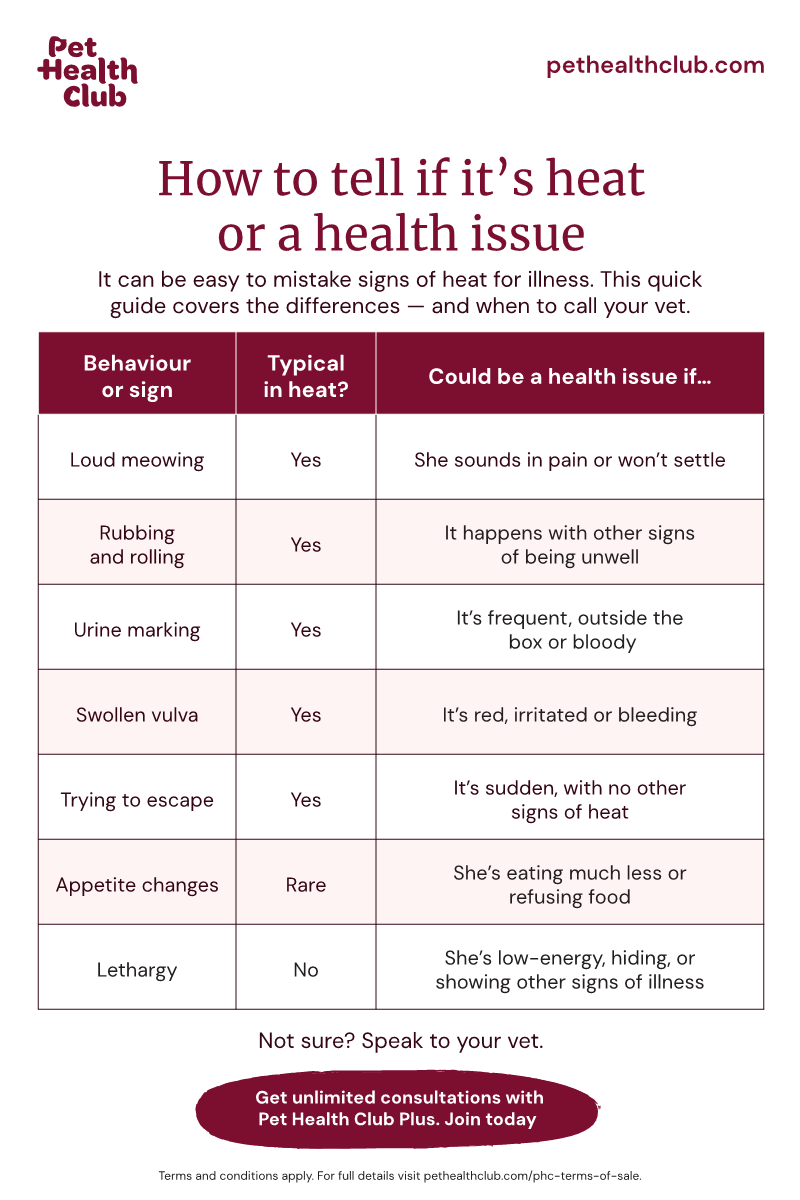
Credit: www.pethealthclub.com
Hormonal Changes In Cats
Hormonal changes play a big role in a cat’s sudden mating behavior. These natural shifts in hormones trigger many instincts and actions. Understanding these changes helps explain why your cat acts differently all of a sudden.
Impact Of Puberty
Puberty causes major hormonal shifts in cats. Young cats produce more sex hormones like estrogen and testosterone. These hormones activate mating urges. Cats may start seeking mates and showing new behaviors. This phase usually begins between 5 to 12 months of age. During puberty, cats become more vocal and restless. They may spray or try to escape to find a partner.
Seasonal Hormone Fluctuations
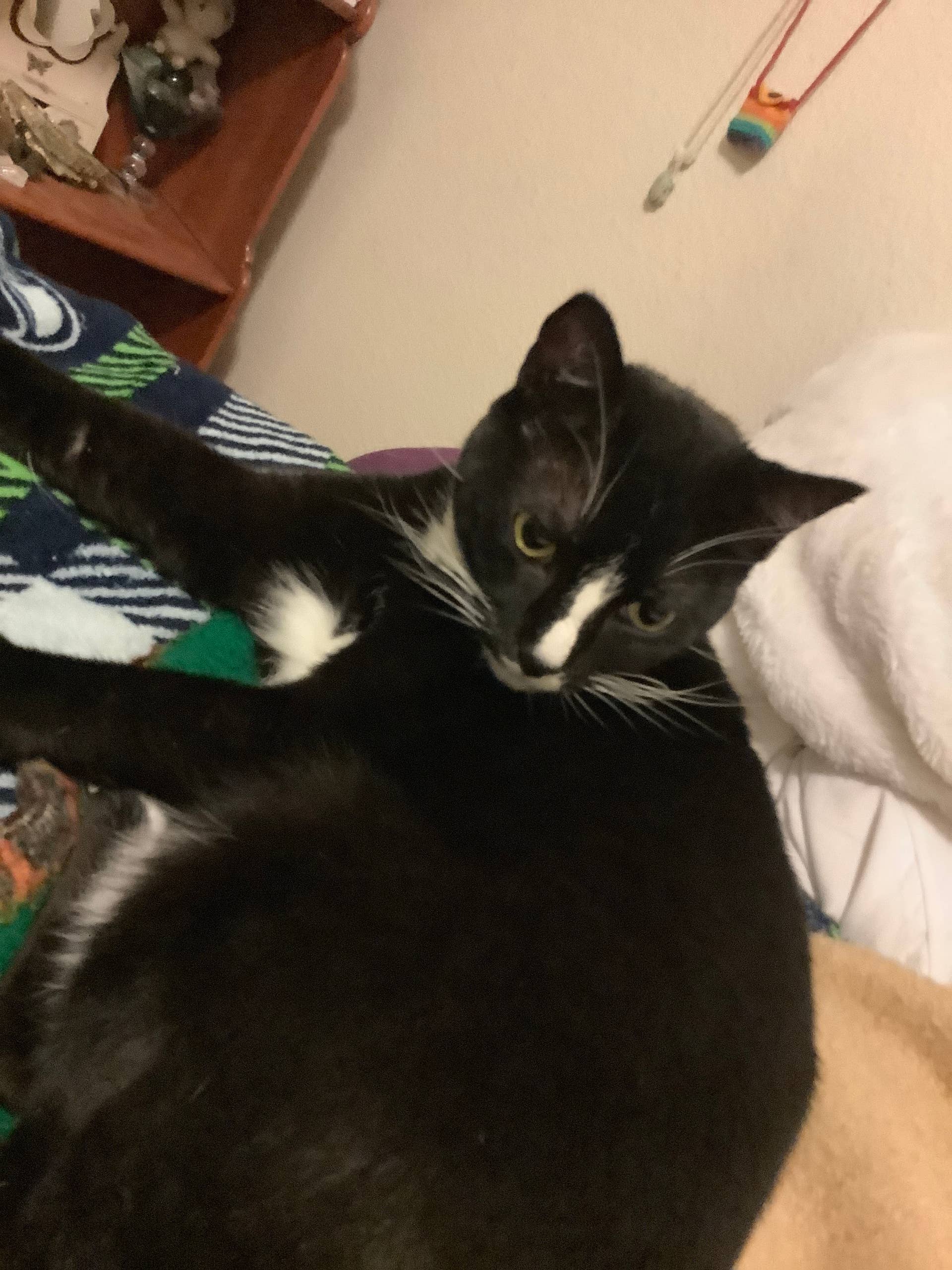
Hormone levels in cats change with the seasons. Most cats enter heat cycles during spring and summer. Longer daylight hours increase hormone production. This rise triggers mating behaviors and heat signals. Female cats will call out and show readiness to mate. Male cats may roam more and mark territory. Seasonal changes prepare cats to reproduce when conditions are ideal.
Credit: pethelpful.com
Environmental Triggers
Environmental triggers can cause sudden mating behavior in cats. Changes around your cat may affect its instincts and actions. Cats are sensitive to their surroundings and respond quickly to new stimuli.
Presence Of Other Cats
Seeing or smelling other cats nearby can spark mating behavior. Cats use scent to communicate and mark territory. The presence of a new cat may trigger your cat’s natural urge to mate. Even a cat outside the window can cause excitement. This reaction is part of their survival and reproduction instincts.
Changes In Household Dynamics
New pets or people in the home can affect your cat’s behavior. A new animal may cause stress or competition. This can lead to increased mating attempts as a response. Changes in routine or environment also impact your cat’s mood. Your cat may act differently to adapt to these changes.
Health And Medical Factors
Sudden changes in your cat’s mating behavior can sometimes signal underlying health or medical issues. It’s important to look beyond just instinct and explore what might be happening inside your cat’s body. These factors can influence behavior in ways that might surprise you.
Hormonal Imbalances
Hormonal imbalances can cause a cat to act differently, including increased mating behavior. Conditions like ovarian cysts in females or testicular problems in males can raise hormone levels unexpectedly.
If your cat is suddenly more vocal, restless, or showing signs of heat when you didn’t expect it, hormones might be the cause. Have you noticed any other unusual signs like excessive grooming or aggression? These might also point to hormonal shifts that need a vet’s attention.
Effects Of Spaying Or Neutering Timing
The timing of spaying or neutering plays a big role in your cat’s mating behavior. Cats spayed or neutered too late might still exhibit mating behaviors for a while after the surgery.
Sometimes, if the procedure happens after the cat has already reached sexual maturity, their body has a stored hormone memory that can trigger these behaviors. Have you considered whether your cat was spayed or neutered early enough to prevent this?
Understanding the timing helps you set the right expectations and decide when to consult a vet if the mating behavior continues.
Behavioral Causes
Sudden mating behavior in cats can stem from changes in their feelings and environment. Behavioral causes often trigger this unexpected action. Understanding these reasons helps owners respond with care and patience.
Stress And Anxiety
Cats may mate suddenly due to stress or anxiety. Changes in the home, loud noises, or new pets can upset them. This tension may cause unusual behaviors, including mating attempts. It acts as a way for cats to cope with nervous feelings. Reducing stress can help lower this behavior.
Seeking Attention Or Comfort
Some cats mate suddenly to gain attention or comfort. They might feel lonely or ignored. This behavior can be a way to get close to their owner or other pets. It provides a sense of security and warmth. Spending more time with your cat often reduces this need.
Signs Of Heat Cycle
Recognizing the signs of your cat’s heat cycle can help explain sudden mating behaviors. Cats in heat show clear signals that indicate they are ready to mate. These signs fall into two main categories: behavioral changes and physical symptoms.
Behavioral Indicators
Your cat may become unusually vocal, making loud, persistent meowing or yowling sounds. This noise is her way of attracting a mate and can be quite intense compared to her normal purring or meowing.
She might also show increased affection, rubbing against furniture, walls, or your legs more than usual. This behavior isn’t just about seeking attention; it’s a natural instinct to spread her scent and signal her readiness.
Sometimes, you’ll notice restlessness or pacing. She may try to escape outdoors, looking for a mate, which can be frustrating if she’s an indoor cat.
Physical Symptoms
Look for changes in her posture. Your cat may frequently assume a mating stance—lowering her front body, raising her hindquarters, and moving her tail to the side. This position is a clear sign she’s in heat.
Swelling of the vulva is another noticeable symptom, though it might be subtle in some cats. You may also see increased grooming of the genital area as she tries to stay clean.
Appetite changes are common too. Some cats eat less during their heat cycle, which can be concerning but is usually temporary.
Have you noticed any of these signs in your cat lately? Paying close attention to these behaviors and symptoms can help you understand her sudden urge to mate and decide on the best steps to take.
When To Consult A Vet
Knowing when to see a vet helps protect your cat’s health. Sudden mating behavior might signal an underlying issue. Early vet advice can prevent problems from growing worse.
Unusual Or Excessive Mating Behavior
Watch for mating actions that seem extreme or sudden. If your cat mates more than usual or acts restless, it may need medical help. Strange sounds or aggressive behavior during mating can also be a sign. Such changes deserve a vet’s check to rule out health problems or stress.
Health Concerns To Watch For
Look for signs like:
- Swelling or redness around the genitals
- Discharge or bad smell
- Loss of appetite or weight
- Behavior changes like hiding or aggression
- Difficulty walking or grooming
These signs might mean infection or pain. A vet can diagnose and treat the cause quickly. Timely care improves your cat’s comfort and well-being.

Credit: dremmanuelfontaine.com
Frequently Asked Questions
Why Is My Cat Suddenly Mating More Often?
Cats may mate suddenly due to reaching sexual maturity or seasonal heat cycles. Hormonal changes drive this behavior. Unspayed or unneutered cats show increased mating instincts during breeding seasons. Environmental factors and presence of other cats can also trigger sudden mating activity.
Can Stress Cause Sudden Mating Behavior In Cats?
Stress can sometimes trigger mating behavior as a coping mechanism. Changes in environment or routine may cause restlessness. However, mating is primarily driven by hormones, not stress alone. If your cat shows sudden mating, consider both hormonal cycles and environmental changes.
How Can I Stop My Cat’s Sudden Mating Behavior?
Spaying or neutering your cat is the most effective way to stop mating behavior. It reduces hormonal drives and unwanted breeding. Providing distraction, play, and comfort can also help manage your cat’s sudden mating urges temporarily.
Does Age Affect Sudden Mating Behavior In Cats?
Yes, cats typically begin mating behavior after 5-6 months old. Sudden mating often happens when a cat reaches sexual maturity. Older cats may show less frequent mating unless unspayed or unneutered. Age influences hormone levels that trigger mating instincts.
Conclusion
Understanding sudden cat mating can ease your worries. Cats have natural instincts. Changes in environment or health can trigger mating behavior. Observing your cat helps identify patterns or issues. Consulting a vet ensures your cat stays healthy and comfortable. Consider spaying or neutering to manage behavior.
This reduces stress for both you and your cat. Remember, every cat is unique. Patience and care make a big difference. Keep learning about your furry friend. It strengthens your bond and ensures a happy life together.

Lily Purrington is the founder of MyKittyPicks.com, a cozy corner of the web dedicated to helping cat lovers discover the best cat products, furniture, toys, and home decor ideas.
A lifelong cat enthusiast, Lily shares trusted tips, honest product recommendations, and stylish inspiration designed to keep kitties happy and homes beautiful.
Her mission is simple: to bring together practical advice and purr-fect picks that make life better for cats and the people who love them.


