
If you have a cat, you know that dealing with used cat litter is part of the routine. But have you ever wondered if you’re disposing of it the right way?
Throwing it in the trash might seem simple, but there are smarter, safer methods that protect your home, your pet, and the environment. You’ll discover easy and effective ways to handle your cat litter waste without hassle. Keep reading to find out how you can make a small change that makes a big difference.

Credit: neakasa.com
Types Of Cat Litter
Choosing the right cat litter affects disposal methods and environmental impact. Cat litter comes in various types. Each type has unique features and disposal needs. Knowing these helps manage waste responsibly and keep your home fresh.
Clumping Vs Non-clumping
Clumping litter forms solid clumps when wet. It makes scooping easier and reduces odor quickly. This type often contains bentonite clay. Disposal involves scooping clumps daily and throwing them in the trash.
Non-clumping litter absorbs moisture without forming clumps. It usually lasts longer but needs full replacement more often. This type may contain clay or other absorbent materials. Disposal means discarding the entire litter box content regularly.
Biodegradable Options
Biodegradable litters use natural materials like corn, wheat, or pine. These litters break down more easily in nature. Many are compostable under certain conditions. Biodegradable litter reduces landfill waste and can be flushed or composted depending on product instructions.
Silica Gel Litter
Silica gel litter consists of small crystals that absorb moisture and control odor. It lasts longer than clay litters and requires less frequent changing. Disposal involves placing used crystals in the trash. Silica gel does not decompose but is low-dust and lightweight.
Common Disposal Methods
Disposing of cat litter properly is essential for hygiene and environmental care. Understanding the common disposal methods helps you choose the best option for your household and community rules. Let’s look at some popular ways to handle used cat litter safely and responsibly.
Trash Disposal
Throwing cat litter in the trash is the most straightforward method. You should scoop the waste into a sealed bag to prevent odors and leaks before placing it in your garbage bin.
Make sure to check local regulations as some areas have specific rules about pet waste. Keeping litter sealed also helps protect sanitation workers and reduces unpleasant smells around your home.
Flushing Litter
Flushing cat litter down the toilet is generally not recommended. Most clumping litters can cause plumbing blockages, and many contain materials harmful to water systems.
However, some brands claim to be flushable. If you decide to try flushing, confirm the litter is labeled flushable and use it sparingly to avoid plumbing issues.
Composting Cat Litter
Composting cat litter can be tricky due to potential pathogens in cat waste. You should never use composted cat litter on edible plants to avoid health risks.
Specialized composting systems designed for pet waste can make this method safer. If you want to compost, look for products labeled safe for pet waste or consider a separate compost pile dedicated only to litter.
Eco-friendly Disposal Tips
Disposing of cat litter responsibly helps protect the environment and keeps your home clean. Use biodegradable litter and avoid flushing to reduce pollution. Bag waste tightly and place it in the trash for safe disposal.
Disposing of cat litter in an eco-friendly manner is not only good for the environment but also for the health of our furry friends. It’s crucial to find sustainable options that minimize our carbon footprint. Here are some practical tips to dispose of cat litter responsibly.Using Biodegradable Litter
Switching to biodegradable litter can significantly reduce your environmental impact. These litters are made from natural materials like corn, wheat, or recycled paper, which decompose faster than traditional clay litters. This simple change can make a big difference in reducing landfill waste. Imagine the collective impact if every cat owner made this switch. You not only help the planet but also ensure a safer environment for your pet. Keep an eye out for brands that use sustainable packaging as well.Home Composting Guidelines
Did you know you can compost certain types of cat litter at home? It’s a fantastic way to recycle waste and create nutrient-rich soil for your garden. Start by choosing a separate compost bin dedicated solely to pet waste. Make sure the litter is biodegradable and free from harmful chemicals. Turn the compost regularly and keep it away from edible plants. This way, you convert waste into a useful resource while being mindful of hygiene.Avoiding Harmful Chemicals
Many traditional cat litters contain chemicals that are harmful to both the environment and your cat. Avoid litters with artificial fragrances and silica dust. These can be harmful when inhaled by your pet and contribute to air pollution. Opt for products labeled as non-toxic and chemical-free. Not only will this protect your feline friend, but it will also ensure that your disposal methods are truly eco-friendly. After all, every small step counts towards creating a cleaner, greener planet.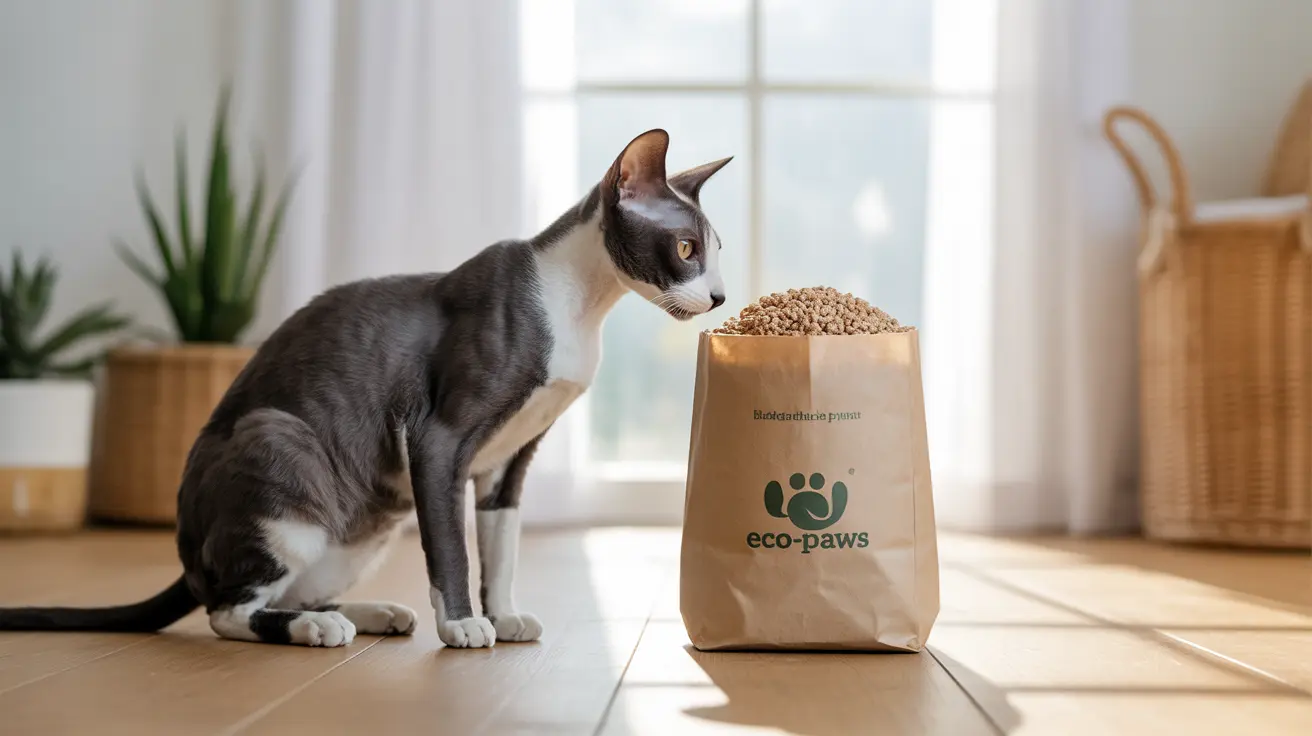
Credit: www.petscare.com
Safe Handling Practices
Handling cat litter safely protects you and your home from germs and odors. Following simple steps can make the disposal process cleaner and healthier. These practices also keep your environment fresh and prevent contamination.
Wearing Gloves
Always wear gloves before touching used cat litter. Gloves create a barrier between your skin and bacteria. Choose disposable gloves for easy cleanup. Wash your hands thoroughly after removing gloves.
Proper Bagging Techniques
Use a sturdy plastic bag to collect the litter. Avoid thin bags that might tear or leak. Seal the bag tightly to keep the litter contained. Double-bagging adds extra protection against spills.
Preventing Odors And Germs
Sprinkle baking soda over the litter before disposal. Baking soda helps absorb bad smells. Store the bag in a cool, dry place before throwing it away. Dispose of the bag regularly to stop bacteria growth.
Disposal Regulations And Local Rules
Disposing of cat litter follows specific rules that vary by location. Understanding these regulations helps avoid fines and protects the environment. Each area may have unique laws about how to handle waste safely and properly. Knowing local rules ensures you dispose of cat litter the right way.
Checking Municipal Guidelines
Start by visiting your city or town’s official website. Look for waste disposal or sanitation sections. These pages often list rules about pet waste disposal. Some municipalities allow cat litter in regular trash. Others require special handling or separate containers. Reading these guidelines prevents illegal dumping and fines.
Hazardous Waste Concerns
Certain types of cat litter contain chemicals or clumping agents. These may be considered hazardous in some areas. Avoid flushing cat litter down toilets. It can harm plumbing and water treatment systems. Check if your litter is classified as hazardous waste. Follow specific disposal methods if required by local laws.
Working With Waste Management Services
Contact your local waste management provider for advice. They can explain accepted materials and collection schedules. Some services offer special pickups for pet waste. Using approved disposal methods reduces environmental risks. Keep your waste sealed in bags to prevent odors and spills during collection.
Innovative Disposal Solutions
Disposing of cat litter no longer needs to be a hassle or harm the planet. New ideas and products help keep homes clean and reduce waste. These innovative solutions offer safer, easier, and greener ways to handle used litter.
Explore options that fit different lifestyles and budgets. They help maintain hygiene and protect the environment at the same time.
Litter Disposal Systems
Automatic litter disposal systems provide a neat way to manage waste. These devices seal used litter in bags, locking in odors and germs. Some models use sensors to detect when the litter box is used. They then clean and bag the waste without any effort from you.
These systems help reduce the mess and make disposal quick. They also keep the area around the litter box fresh. Perfect for busy pet owners or homes with multiple cats.
Eco-friendly Litter Brands
Many brands now offer biodegradable or compostable cat litter. These products use natural materials like corn, wheat, or wood. They break down faster in landfills and produce less dust.
Choosing eco-friendly litter helps reduce plastic waste from traditional clay litters. Some brands also use less water and energy during production. These litters are gentle on your cat’s paws and safe for the environment.
Community Recycling Programs
Some communities provide recycling programs for pet waste. These programs collect used cat litter and turn it into energy or fertilizer. Check local resources to see if this service is available near you.
Participating in these programs supports waste reduction and local sustainability efforts. It also keeps harmful chemicals out of landfills and water supplies.

Credit: larrea.edu.mx
Frequently Asked Questions
How Do I Safely Dispose Of Used Cat Litter?
To safely dispose of cat litter, scoop waste daily and place it in a sealed bag. Then, dispose of the bag in your regular trash. Avoid flushing litter down the toilet as it can cause plumbing issues and environmental harm.
Can I Compost Cat Litter At Home?
Most cat litters are not suitable for composting due to harmful bacteria and chemicals. Only use biodegradable, plant-based litter for composting. Always check local guidelines before composting cat waste to avoid health risks.
Is Flushing Cat Litter Harmful To Plumbing?
Yes, flushing cat litter can clog pipes and damage septic systems. Clay and clumping litters absorb water and expand, causing blockages. Always dispose of cat litter in the trash for safe plumbing maintenance.
What Are Eco-friendly Cat Litter Disposal Options?
Eco-friendly disposal includes using biodegradable litter and sealed composting bins. Some communities offer special waste programs for pet waste. Check local regulations to choose the best sustainable method for your area.
Conclusion
Proper disposal of cat litter helps keep your home clean and safe. Use biodegradable or clumping litter for easier handling. Always check local rules for trash and recycling. Avoid flushing litter to protect plumbing and environment. Regularly clean the litter box to reduce odors and germs.
Simple steps make a big difference in waste management. Caring for your cat’s litter shows care for your home too. Small habits lead to a cleaner, healthier space for everyone.

Lily Purrington is the founder of MyKittyPicks.com, a cozy corner of the web dedicated to helping cat lovers discover the best cat products, furniture, toys, and home decor ideas.
A lifelong cat enthusiast, Lily shares trusted tips, honest product recommendations, and stylish inspiration designed to keep kitties happy and homes beautiful.
Her mission is simple: to bring together practical advice and purr-fect picks that make life better for cats and the people who love them.


