
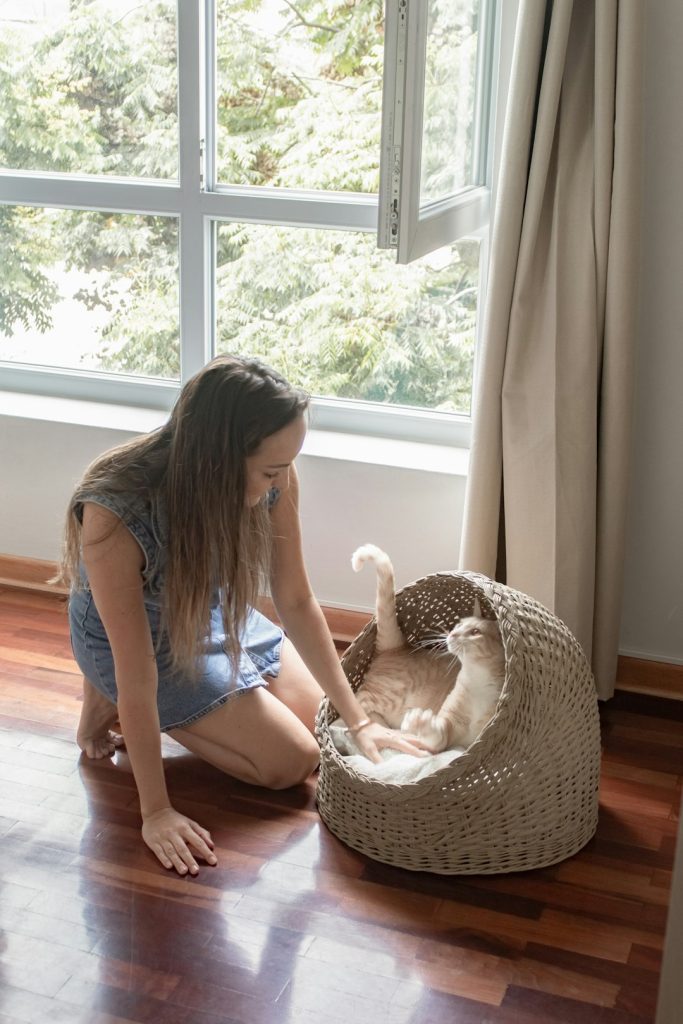
Welcoming a 3-month-old cat into your home is like adding a new member to your family. You might be excited and perhaps a little nervous about how to care for your playful new friend.
That’s perfectly normal! This is an important time for your kitten, filled with growth, learning, and exploration. Understanding their needs is crucial to ensuring they thrive. In this guide, you’ll discover simple, effective ways to nurture your kitten’s health and happiness.
From feeding tips to creating a cozy environment, we’ll cover everything you need to know. Ready to give your little furball the best start in life? Let’s dive in!

Credit: www.purina.com
Feeding Your 3 Month Old Cat
Feeding your 3-month-old cat is crucial for their growth and overall health. At this stage, kittens need a diet rich in nutrients to support their rapid development. Understanding what and how to feed your kitten will set the foundation for a healthy adult cat.
Choosing The Right Food
Your kitten’s food should be specifically formulated for their age. Look for high-quality kitten food that lists meat as the first ingredient and includes essential nutrients like taurine and DHA.
Dry kibble is convenient but adding wet food can help with hydration and variety. Avoid adult cat food as it lacks the necessary nutrients your growing kitten needs.
Have you noticed how your kitten reacts to different flavors or textures? Paying attention to their preferences can make mealtime more enjoyable and less stressful.
Feeding Schedule
Kittens at 3 months old typically eat about four small meals a day. This frequent feeding helps maintain their energy levels and supports steady growth.
Set regular times for meals and stick to them. This routine not only helps with digestion but also with training your kitten to expect food at certain times.
What if your kitten skips a meal? It’s usually okay occasionally, but consistent refusal might signal health issues that need a vet’s attention.
Hydration Needs
Water is just as important as food. Make sure fresh, clean water is always available to keep your kitten hydrated and healthy.
Wet food can supplement water intake, but don’t rely on it alone. Monitor your kitten’s water drinking habits and encourage them to drink if they seem dehydrated.
Have you tried using a cat water fountain? Many kittens are more attracted to running water, which can boost their water consumption significantly.
Creating A Safe Environment
Creating a safe environment is essential when caring for your 3-month-old cat. This stage is full of curiosity and energy, so your home needs to be both secure and welcoming. Taking time to prepare your space protects your kitten and helps them feel comfortable as they explore their new world.
Cat-proofing Your Home
Think about what your kitten might get into. Small objects like rubber bands, string, or loose buttons can be swallowed and cause harm. Keep these items out of reach or stored in closed containers.
Check for any exposed wires or cords your kitten might chew on. Use cord protectors or tape to secure them safely against walls or furniture. Houseplants can also be dangerous; some common plants are toxic to cats, so either remove them or place them where your kitten cannot reach.
Comfortable Sleeping Area
Your kitten needs a cozy, quiet spot to rest. Choose a soft bed with warm blankets in a low-traffic area of your home. Avoid placing the bed near loud noises or direct sunlight that could disturb their sleep.
I once placed my kitten’s bed near a window that faced a busy street. She was restless and anxious until I moved it to a quieter corner, showing how important the right sleeping spot is. Does your kitten have a favorite cozy nook yet?
Safe Toys And Playtime
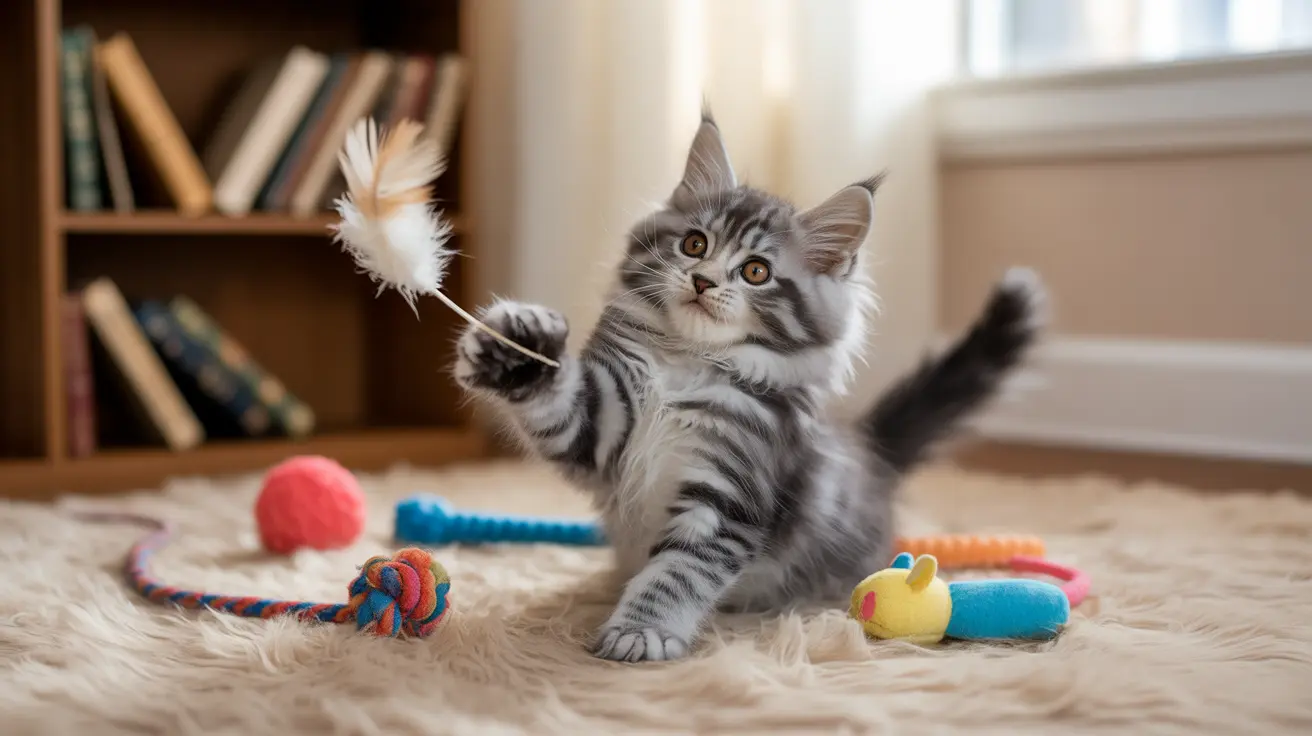
Playtime is crucial for your kitten’s development but safety comes first. Select toys made for cats—avoid anything with small detachable parts or sharp edges. Interactive toys like feather wands or soft balls keep your kitten engaged and active without risk.
Rotate toys regularly to keep your kitten interested and prevent boredom. Also, supervise play sessions to make sure your kitten doesn’t chew or swallow anything hazardous. How do you keep your kitten entertained while ensuring they stay safe?
Health And Vet Care
Keeping your 3-month-old cat healthy means staying on top of their vet care and watching out for any signs of illness. At this age, your kitten is growing fast and needs the right medical attention to build a strong immune system. Regular vet visits are not just about shots; they help you understand your kitten’s health needs and prevent future problems.
Vaccination Schedule
Your kitten’s vaccination schedule is crucial to protect them from common and dangerous diseases. Typically, vaccinations start around 6 to 8 weeks old, with booster shots following every 3 to 4 weeks until they reach 16 weeks.
- Core vaccines:These include feline distemper (panleukopenia), calicivirus, and rhinotracheitis.
- Rabies vaccine:Often required by law and usually given around 12 to 16 weeks.
Missing a dose can leave your kitten vulnerable. Have you marked your vet appointments on your calendar yet?
Parasite Prevention
Parasites like fleas, ticks, and worms can cause discomfort and serious health issues for your kitten. Start parasite prevention early with vet-approved treatments.
- Use monthly flea and tick preventatives suitable for kittens.
- Regular deworming is necessary, especially if your kitten spends time outdoors.
Parasites can also spread diseases to humans. Are you checking your kitten regularly for signs of these pests?
Recognizing Illness Signs
Young cats can’t tell you when something’s wrong, so you must learn to spot illness signs early. Watch for symptoms like lethargy, loss of appetite, vomiting, diarrhea, or unusual behavior changes.
Also, keep an eye on their breathing and coat condition. A dull coat or persistent sneezing could be a red flag.
What subtle changes in your kitten’s behavior have you noticed that might signal a health problem?
Litter Training Tips
Helping your 3-month-old cat learn where to go can save you a lot of stress. Litter training is a key part of their early development, and the right approach makes all the difference. You’ll want to create a positive and clean environment that your kitten feels comfortable using every time.
Choosing The Right Litter Box
Pick a litter box that fits your kitten’s size. Too big or too deep can be intimidating for a young cat just learning the ropes. A shallow box with low sides works best for a 3-month-old.
Consider the material too. Plastic boxes are easy to clean and light enough to move around. Make sure it’s stable so it won’t tip over when your kitten climbs in.
Encouraging Proper Use
Place the litter box in a quiet, easily accessible spot. Avoid noisy or busy areas where your kitten might feel scared or distracted. Cats prefer privacy when doing their business.
After meals or naps, gently place your kitten in the box to help them associate it with where they should go. Praise and gentle petting after successful use encourages repeat behavior.
If accidents happen, don’t punish. Instead, clean the area thoroughly and redirect your kitten to the litter box calmly. How often do you check your kitten’s behavior after they miss the box?
Cleaning And Maintenance
Keep the litter box clean by scooping waste daily. Dirty boxes discourage use and can lead to accidents elsewhere. A clean box shows your kitten that this is their proper spot.
Change the litter completely at least once a week. Use unscented, clumping litter to help you spot messes quickly and reduce odors. Your kitten’s sensitive nose will thank you.
Wash the box with mild soap and warm water during litter changes. Avoid strong chemicals that might repel your kitten. Cleanliness builds trust and comfort in your kitten’s new routine.
Socialization And Behavior
Socialization and behavior play a crucial role in shaping your 3-month-old cat’s personality and overall well-being. At this age, your kitten is highly impressionable, making it the perfect time to build trust, introduce new experiences, and guide their actions. Paying attention to how your kitten interacts with you and others sets the foundation for a confident and happy adult cat.
Handling And Bonding
Gentle, consistent handling helps your kitten feel safe and secure. Spend time daily petting, holding, and talking softly to your cat to deepen your bond. Try to create positive associations by offering treats or toys during these moments.
Have you noticed how your kitten reacts when you pick them up? If they squirm or seem nervous, try shorter, more frequent sessions of gentle handling. This builds comfort and trust over time.
Introducing To Other Pets
Introducing your kitten to other pets requires patience and careful planning. Start by letting them sniff each other through a closed door or a baby gate to get used to the new scent without direct contact.
Keep initial interactions short and supervised. Watch for signs of stress or aggression, and separate them if needed. Remember, your kitten is still learning boundaries, so gradual exposure is key.
Managing Play Aggression
Kittens naturally have bursts of energy that can turn into play aggression, like biting or scratching. Redirect this behavior by offering appropriate toys such as feather wands or soft balls.
If your kitten bites your hands, immediately stop playing and walk away. This teaches them that biting ends the fun. Consistency in your responses helps your kitten understand acceptable play behavior.

Credit: bestfriends.org
Grooming Essentials
Grooming a 3-month-old cat is essential for health and happiness. At this age, cats are still learning to tolerate grooming. Making it a calm, gentle routine builds trust and comfort. Regular grooming keeps their coat shiny and skin healthy. It also prevents matting and reduces shedding. Nail care and dental hygiene are just as important. These habits support your kitten’s overall well-being.
Brushing Techniques
Use a soft-bristle brush for your kitten’s delicate fur. Brush gently in the direction of hair growth. Start with short sessions to avoid stress. Pay attention to areas behind ears and under legs. Remove loose hair to prevent hairballs. Brushing also helps you check for skin issues or parasites. Make it a daily habit for best results.
Nail Care
Trim your kitten’s nails every two weeks. Use special pet nail clippers for safety. Hold the paw gently and press to extend the nails. Avoid cutting the pink area called the quick; it hurts and bleeds. If unsure, trim only the sharp tips. Reward your kitten with treats to create a positive experience. Regular trimming protects furniture and skin from scratches.
Dental Hygiene
Start brushing your kitten’s teeth early to prevent dental problems. Use a small, soft toothbrush made for cats. Choose pet-safe toothpaste with flavors like poultry or fish. Avoid human toothpaste; it can be toxic. Brush gently in small circles, focusing on the gum line. Aim for several times a week, increasing as your kitten adapts. Healthy teeth lead to better eating and fresh breath.
Credit: www.petscare.com
Frequently Asked Questions
How Often Should I Feed A 3-month-old Cat?
Feed your 3-month-old cat 3 to 4 small meals daily. Use high-quality kitten food rich in nutrients. This supports their fast growth and energy needs during this stage.
What Vaccinations Does A 3-month-old Cat Need?
At 3 months, kittens usually need core vaccines like FVRCP and rabies. Consult your vet for a proper vaccination schedule and booster shots to ensure full protection.
How Can I Keep My 3-month-old Cat Healthy?
Provide balanced nutrition, fresh water, regular vet check-ups, and a clean litter box. Also, engage your kitten in play to support physical and mental health.
Is It Necessary To Socialize A 3-month-old Kitten?
Yes, socializing at 3 months helps your kitten adapt to people and other pets. It reduces fear and promotes a friendly, confident adult cat.
Conclusion
Caring for a 3-month-old cat takes time and patience. Feed it healthy food and keep fresh water nearby. Play often to help your kitten grow strong. Give a safe and warm place to sleep. Visit the vet for regular check-ups and vaccines.
Clean the litter box daily to keep it fresh. Show love and gentle attention every day. These small steps help your kitten stay happy and healthy. Enjoy watching your young cat explore and learn. Taking care now builds a strong bond for years ahead.

Lily Purrington is the founder of MyKittyPicks.com, a cozy corner of the web dedicated to helping cat lovers discover the best cat products, furniture, toys, and home decor ideas.
A lifelong cat enthusiast, Lily shares trusted tips, honest product recommendations, and stylish inspiration designed to keep kitties happy and homes beautiful.
Her mission is simple: to bring together practical advice and purr-fect picks that make life better for cats and the people who love them.


