
Are you tired of dealing with the mess and smell of your cat’s litter box? You’re not alone.
Many cat owners face the daily challenge of maintaining a clean and odor-free litter area. But what if I told you that taking care of your cat’s litter can be simple and even enjoyable? In this guide, we’ll uncover easy steps and insider tips to transform litter box maintenance from a dreaded chore into a breeze.
Discover how you can keep your home fresh and your cat happy, all while saving time and effort. Keep reading to unlock the secrets of effective cat litter care that every cat owner needs to know!
Credit: www.petmd.com
Choosing The Right Litter
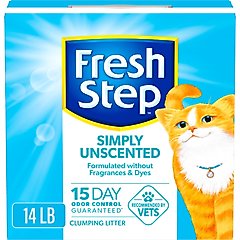
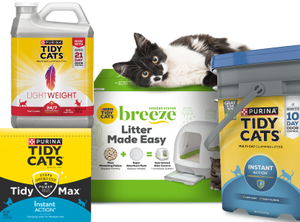
Choosing the right cat litter is important for your cat’s comfort and your home’s cleanliness. It helps control odors and makes cleaning easier. Different types suit different cats and owners. Understanding the options can guide you to the best choice.
Types Of Cat Litter
- Clumping Clay:Forms solid clumps for easy scooping. Popular and widely available.
- Non-Clumping Clay:Absorbs moisture but does not clump. Needs frequent changing.
- Silica Gel:Absorbs moisture and controls odor well. Lasts longer but can be dusty.
- Wood-Based:Made from pine or other woods. Natural scent and biodegradable.
- Paper-Based:Soft and dust-free. Good for cats with allergies or respiratory issues.
- Wheat or Corn-Based:Natural and biodegradable. Some cats may like the texture.
Factors To Consider
- Cat Preference:Some cats prefer certain textures or scents.
- Odor Control:Choose litter that keeps smells low.
- Dust Levels:Low dust helps cats with breathing issues.
- Ease of Cleaning:Clumping litter is easier to scoop.
- Cost:Balance price with quality and features.
- Allergies:Avoid scented litters if your cat has sensitivities.
Eco-friendly Options
Eco-friendly litters reduce environmental impact. Many are biodegradable and made from natural materials. They break down faster in landfills. Some examples include:
- Wood pellets
- Recycled paper
- Wheat or corn-based litters
These litters often have less dust and fewer chemicals. They may require more frequent changing. A good choice for owners who want to protect the planet.

Credit: www.petplan.co.uk
Setting Up The Litter Box
Setting up the litter box correctly helps keep your cat happy and your home clean. The right setup encourages your cat to use the box regularly. It also reduces odors and messes around the house.
Ideal Location
Place the litter box in a quiet and private area. Avoid busy or noisy places like near the TV or washing machine. Ensure the spot is easy for your cat to reach. Keep it away from their food and water bowls. A low-traffic corner or spare bathroom works well.
Litter Box Size And Style
Choose a litter box large enough for your cat to move freely. Bigger cats need bigger boxes. Open boxes offer good ventilation and easy access. Covered boxes help contain odor but may trap smells inside. Some cats prefer one style over the other. Watch your cat’s preference and adjust accordingly.
Number Of Litter Boxes
Provide enough litter boxes for all your cats. The general rule is one box per cat, plus one extra. This prevents territorial disputes and ensures clean options. Spread the boxes in different rooms or floors. Multiple boxes reduce accidents and keep cats comfortable.
Daily Litter Maintenance
Maintaining your cat’s litter daily can make a huge difference in keeping your home fresh and your feline happy. Simple habits can prevent odors, reduce mess, and even help you spot health issues early. Let’s look at how to handle daily litter care effectively.
Scooping Techniques
Scooping is the foundation of daily litter care. Use a scoop with slotted holes to sift clean litter from waste easily.
Start from the edges of the box and work your way inward. This ensures you don’t miss any hidden clumps.
Be gentle but thorough—scooping too aggressively can waste clean litter, while missing spots can lead to odors. What’s your current scooping routine like?
Frequency Of Cleaning
Most cats prefer a clean litter box, so scoop at least once a day. If you have multiple cats, increase scooping to twice daily.
Regular scooping prevents urine from soaking into clean litter, which keeps the box fresher longer. It also reduces the chance of your cat avoiding the box due to messiness.
Do you notice any difference in your cat’s behavior when the litter box isn’t cleaned promptly?
Dealing With Odors
Odors can be a major challenge, but daily scooping helps control them before they spread. Using a deodorizing litter or adding a small amount of baking soda under the litter can neutralize smells.
Make sure the litter box is in a well-ventilated area to avoid trapped odors. Also, wash the box with mild soap and water weekly to prevent buildup of odor-causing bacteria.
Have you tried any odor control tricks that worked surprisingly well for your home?
Deep Cleaning The Litter Box
Deep cleaning the litter box is essential to keep your cat healthy and your home smelling fresh. Regular scooping only removes surface waste, but a thorough clean eliminates bacteria and odors that build up over time. How often you deep clean can make a big difference in your cat’s comfort and hygiene.
Cleaning Supplies Needed
- Rubber gloves to protect your hands
- Mild dish soap or unscented, non-toxic cleaner
- White vinegar for deodorizing and disinfecting
- Scrub brush or sponge with a rough side
- Paper towels or clean cloths
- Garbage bag for old litter and waste
Having these supplies ready makes the process smoother. Avoid harsh chemicals that could harm your cat or leave strong odors behind.
Step-by-step Cleaning Process
- Empty all the litter into a trash bag. Don’t toss it outdoors where it could attract pests.
- Rinse the empty box with warm water. This loosens any stuck-on debris.
- Mix a solution of dish soap and warm water or use diluted white vinegar.
- Scrub the box thoroughly, paying close attention to corners and edges.
- Rinse again until no soap or vinegar smell remains.
- Dry the box completely with paper towels or let it air dry to prevent litter clumping.
- Add fresh litter and place the box back in its usual spot.
Does your cat react differently after a deep clean? Some cats are sensitive to new scents, so using unscented cleaning products helps keep them comfortable.
When To Replace The Litter Box
Even with regular deep cleaning, litter boxes don’t last forever. Look for cracks, scratches, or persistent odors that won’t go away no matter how often you clean.
Scratches can harbor bacteria and make cleaning less effective. If your box looks worn or your cat avoids it, it might be time for a new one.
Consider replacing the box every one to two years, depending on use and material quality. Have you checked your litter box lately for hidden damage?
Preventing Common Litter Problems
Taking care of cat litter helps keep your home clean and your cat happy. Common problems can make litter boxes unpleasant and hard to maintain. Preventing these issues saves time and stress for both you and your pet.
Managing Litter Tracking
Litter tracking happens when small bits of litter stick to your cat’s paws. These bits spread outside the box and create a mess. Use a litter mat to catch stray litter. Choose mats with grooves or textures that trap litter well.
Keep the litter box in an area easy to clean. Sweep or vacuum around the box daily. Change the litter type if your cat tracks too much. Some litters are less likely to stick to paws.
Controlling Dust And Allergens
Dust from litter can cause breathing problems for cats and humans. Clumping clay litters tend to create more dust. Try low-dust or dust-free litters made from natural materials. These reduce allergens in the air.
Clean the litter box regularly to avoid buildup. Wash the box with mild soap and water every week. Avoid strong-smelling cleaners that might upset your cat. Good ventilation near the litter box helps reduce dust.
Handling Cat Preferences
Each cat has unique litter preferences. Some like fine-grain litter, others prefer coarser textures. Observe your cat’s behavior to find what they like best. Avoid scented litters if your cat shows dislike or avoids the box.
Keep the litter box clean and in a quiet spot. Change the litter type slowly to avoid stress. Offer multiple boxes if you have more than one cat. This helps prevent litter box problems and keeps cats happy.
Tips For Multiple Cats
Managing cat litter for multiple cats can feel like a balancing act. Each cat has its own habits and preferences, so keeping everyone happy requires a bit of planning. Let’s dive into some practical tips that make litter care smoother and keep your feline friends content.
Litter Box Ratio
How many litter boxes do you really need? The general rule is one box per cat, plus one extra. So, if you have three cats, aim for four boxes.
This helps reduce competition and gives each cat a comfortable spot. Having fewer boxes can lead to accidents or stress. Spread the boxes around your home to give cats options and avoid crowding.
Avoiding Territorial Issues
Cats are territorial by nature, and litter boxes can become battlegrounds. Placing boxes in quiet, low-traffic areas helps reduce tension.
If you notice one cat guarding a box, try separating them with barriers or use different types of litter to appeal to each cat’s preference. Have you seen one cat blocking another from using a box? That’s a sign you need more boxes or better placement.
Maintaining Cleanliness
With multiple cats, litter boxes get dirty fast. Scoop at least twice a day to keep odors and mess under control.
Changing the litter completely once a week prevents buildup and keeps the boxes fresh. Consider using clumping litter to make cleaning easier and reduce waste. Clean boxes encourage your cats to use them consistently, avoiding unwanted surprises elsewhere in your home.
Enhancing Freshness In Your Home
Keeping your home fresh while caring for cat litter is important. A clean smelling home makes living with pets more pleasant. Small changes can make a big difference in controlling odors and maintaining freshness. Focus on safe deodorizing, improving air flow, and sticking to a cleaning routine. These steps help reduce smells and keep the area inviting for both you and your cat.
Using Deodorizers Safely
Choose deodorizers made for cat litter areas. Avoid sprays or powders with strong chemicals. These can harm your cat’s health. Use natural options like baking soda. Sprinkle a light layer under the litter. Replace it regularly for best results. Always check ingredients to ensure they are pet-friendly. Keep deodorizers out of your cat’s reach. Use only small amounts to avoid irritation.
Ventilation Tips
Good airflow helps reduce litter box odors. Place the litter box near a window or vent. Open windows when weather allows. Use a small fan to move air around the room. Avoid placing the box in tight, closed spaces. Air circulation helps dry the litter faster. This slows down odor-causing bacteria growth. A well-ventilated room feels fresher and cleaner.
Regular Litter Box Routine
Clean the litter box often to keep smells low. Scoop waste daily to remove urine and feces. Change the litter completely once a week. Wash the box with mild soap and water. Dry it fully before adding fresh litter. Use the right amount of litter to absorb moisture. Regular care prevents buildup of odor and bacteria. A consistent routine keeps your home smelling fresh.
Credit: www.purina.com
Frequently Asked Questions
How Often Should Cat Litter Be Cleaned?
Cat litter should be scooped daily to remove waste. Full litter should be changed every 1-2 weeks to maintain hygiene and odor control. Regular cleaning prevents bacterial buildup and keeps your cat healthy.
What Type Of Litter Is Best For Cats?
Clumping clay litter is popular for easy scooping and odor control. Natural litters like corn or wood are eco-friendly options. Choose unscented litter to avoid irritating your cat’s sensitive nose.
How Can I Reduce Litter Box Odor Effectively?
Scoop waste daily and change litter regularly. Use a covered litter box or add baking soda to absorb smells. Clean the box with mild soap and water weekly to keep it fresh.
Can I Use Scented Litter For My Cat?
Scented litter may mask odors but can irritate some cats. Unscented litter is safer and better accepted by most cats. Always observe your cat’s reaction when switching litters.
Conclusion
Taking care of cat litter keeps your home fresh and clean. Scoop waste daily to avoid smells. Change litter regularly for your cat’s comfort. Use the right type of litter your cat likes. Clean the litter box with mild soap and water.
Keep the box in a quiet, easy-to-reach place. A clean litter box helps your cat stay healthy and happy. Small efforts make a big difference in your cat’s life. Simple steps lead to a cleaner home and a content pet.

Lily Purrington is the founder of MyKittyPicks.com, a cozy corner of the web dedicated to helping cat lovers discover the best cat products, furniture, toys, and home decor ideas.
A lifelong cat enthusiast, Lily shares trusted tips, honest product recommendations, and stylish inspiration designed to keep kitties happy and homes beautiful.
Her mission is simple: to bring together practical advice and purr-fect picks that make life better for cats and the people who love them.


