

Are you struggling with mice sneaking into your home and causing trouble? You might have heard that cat litter can help keep these unwanted guests away.
But does it really work? If you’re tired of dealing with rodents and want a simple, effective solution, this article will give you the clear answers you need. Keep reading to find out if cat litter can protect your space and what you should do next to keep mice out for good.
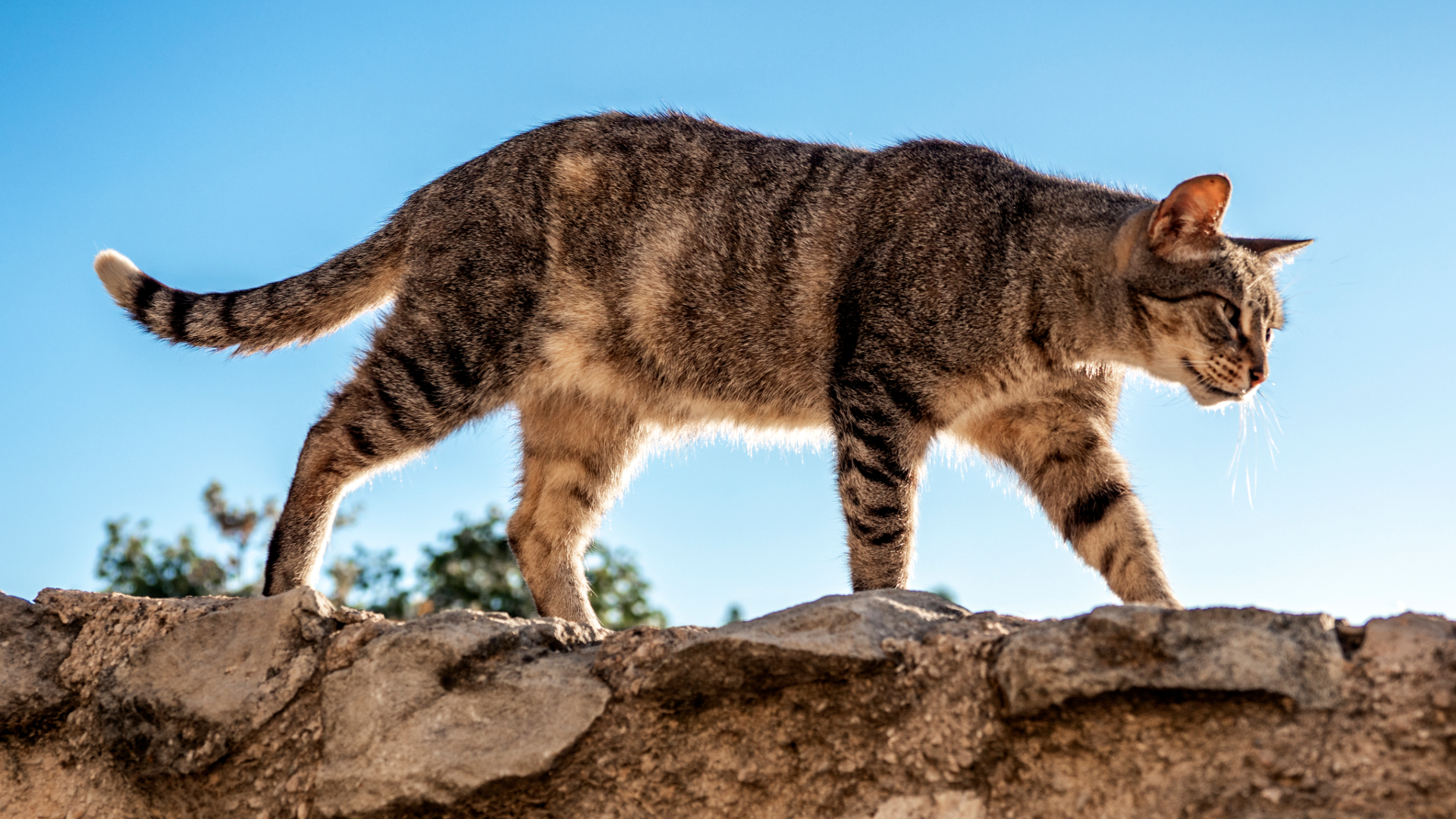
Credit: www.petsradar.com
How Mice React To Cat Litter
Mice sense their environment through smell and touch. Cat litter often carries the scent of cats, a natural predator. This scent can make mice cautious. They may avoid areas where cat litter is present. However, the effect depends on the type of cat litter and its freshness.
Besides smell, mice also react to the texture of cat litter. Rough or unfamiliar surfaces can deter them from crossing or nesting. Placement matters too. Cat litter scattered in key entry points or near food sources might keep mice away.
Scent Impact On Rodents
The smell of cat litter signals danger to mice. Cats are natural enemies. Mice use scent to detect threats and safe zones. Strong cat scents can make mice avoid an area. Over time, if the scent fades, mice may return. Some types of cat litter hold scent longer than others. Clumping litter with added fragrances might be more effective. Unscented litter has less impact on mouse behavior.
Texture And Placement Effects
Mice dislike walking on rough or unstable surfaces. Cat litter grains create an uncomfortable texture. This can stop mice from crossing certain spots. Placement is key for effectiveness. Spread litter near holes, cracks, or food storage. Mice may avoid these zones if the texture is unpleasant. Piles of litter can also block entry points physically. Regularly refreshing the litter keeps the barrier strong. Without proper placement, the litter’s effect weakens quickly.

Credit: www.petsradar.com
Types Of Cat Litter And Their Effects
Choosing the right type of cat litter can influence whether it deters mice or not. Different litters have unique textures, scents, and ingredients that might either repel or attract rodents. Understanding these differences helps you make an informed decision about using cat litter as a mouse deterrent.
Clay-based Litter
Clay-based litters are the most common and affordable option. Their dense, heavy nature can make it harder for mice to dig through or nest in. However, the dust from clay litter might not be pleasant for you or your pets, and its scent usually doesn’t repel mice effectively.
Clumping Vs Non-clumping
Clumping litters form solid clumps when wet, making cleaning easier. Non-clumping litters absorb moisture without forming clumps and often have a softer texture. Mice tend to avoid clumping litter because it’s harder to burrow through, while non-clumping varieties might not offer the same level of deterrence.
Natural And Scented Options
Natural litters, made from materials like corn, wheat, or pine, often have a strong smell that can repel rodents. Scented litters with added fragrances might mask odors attractive to mice but can also irritate your cat’s nose. Have you noticed if a particular scent keeps mice away better in your home?
Using Cat Litter For Pest Control
Using cat litter for pest control can be surprisingly effective. Mice are naturally wary of predators. The scent of cat litter can signal danger. This natural deterrent is a clever, low-cost solution. With a little strategy, you can enhance its effectiveness. Let’s explore some best practices.
Best Practices For Placement
Placement is key for cat litter to deter mice. Focus on entry points where mice might enter. Common spots include basements, attics, and under sinks. Scatter a small amount near these areas. Ensure it’s out of reach of pets and children. Avoid placing litter in food storage spaces. This prevents contamination and maintains hygiene.
Combining With Other Deterrents
Cat litter works best with other deterrents. Consider using peppermint oil alongside litter. Mice dislike the strong scent of peppermint. Create a double-layered defense by using both. Ultrasonic devices can also enhance results. These devices emit sounds mice find irritating. Rotate deterrents to keep mice guessing. Consistency and variety are crucial for success.
Limitations Of Cat Litter As A Deterrent
Using cat litter as a mouse deterrent might seem like a clever hack, but it comes with its own set of limitations. Understanding these limitations can help you decide if this method fits your pest control strategy or if you need to look elsewhere.
Effectiveness Over Time
Cat litter’s scent can initially repel mice, but this effect tends to fade quickly. The smell weakens as the litter absorbs moisture and dust, reducing its ability to keep mice away. Have you noticed how a new scent can become background noise after a few days? Mice are smart and adapt fast, so relying solely on cat litter may only give you a short window of protection.
Potential Drawbacks
There are practical concerns when using cat litter to deter mice. The litter can become messy and spread beyond the intended area, creating extra cleanup work for you. Some types of cat litter might attract pests or even hold moisture, which can lead to mold or unpleasant odors in your space.
Additionally, if you have pets or children, scattered cat litter could pose health risks or be ingested accidentally. Is the hassle worth the limited benefits you get from cat litter, especially when safer and more effective options exist?
Alternative Home Pest Control Methods
Relying solely on cat litter to keep mice away might leave you wondering if there are better ways to protect your home. Exploring alternative home pest control methods can offer more reliable and effective results. These approaches focus on directly targeting mice or making your home less attractive to them.
Traps And Baits
Traps are a straightforward way to catch mice. Snap traps are quick and humane if used properly. If you prefer a no-kill option, consider live traps that let you release the mouse far from your home.
Baits, especially those containing rodenticides, can be effective but require careful placement. Place them where mice frequently travel, like along walls or behind appliances. Always keep baits out of reach of children and pets to avoid accidents.
Sealing Entry Points
One of the best long-term solutions is preventing mice from entering your home in the first place. Inspect your home for small holes or cracks—mice can squeeze through gaps as small as a dime.
Use materials like steel wool, caulk, or metal mesh to seal these openings. Regularly check and maintain seals around doors, windows, pipes, and vents. Have you noticed any tiny gaps during your last home inspection?
Natural Repellents
If you want to avoid chemicals, natural repellents may help. Peppermint oil is a popular choice; mice dislike its strong smell. Soak cotton balls in peppermint oil and place them near suspected entry points or nesting areas.
Other natural options include placing dried mint leaves or using ultrasonic pest repellents. While these methods may not guarantee complete mouse removal, they can discourage mice from settling in your space.

Credit: www.youtube.com
Frequently Asked Questions
Does Cat Litter Repel Mice Effectively?
Cat litter is not designed to repel mice. Its smell or texture does not deter rodents. For effective mouse control, use traps or rodent repellents specifically made for that purpose.
Can The Scent Of Cat Litter Scare Away Mice?
No, the scent of cat litter does not scare mice. Mice rely on different senses and are not deterred by typical cat litter smells.
Is Cat Litter A Safe Option For Mouse Prevention?
Cat litter is safe for pets but ineffective for preventing mice. Use proven rodent control methods like traps or professional pest services instead.
How To Use Cat Litter Around The House For Mice?
Using cat litter around the house won’t prevent mice. It’s better to seal entry points and keep areas clean to avoid infestations.
Conclusion
Cat litter is not a reliable way to keep mice away. Mice are clever and find many ways inside homes. Using cat litter alone will not stop them. Better to use traps or seal entry points. Clean spaces and remove food also help.
For safe homes, try several methods together. Keeping mice out takes patience and effort. Stay alert and act quickly if you see signs. This helps protect your home and health.

Lily Purrington is the founder of MyKittyPicks.com, a cozy corner of the web dedicated to helping cat lovers discover the best cat products, furniture, toys, and home decor ideas.
A lifelong cat enthusiast, Lily shares trusted tips, honest product recommendations, and stylish inspiration designed to keep kitties happy and homes beautiful.
Her mission is simple: to bring together practical advice and purr-fect picks that make life better for cats and the people who love them.


