
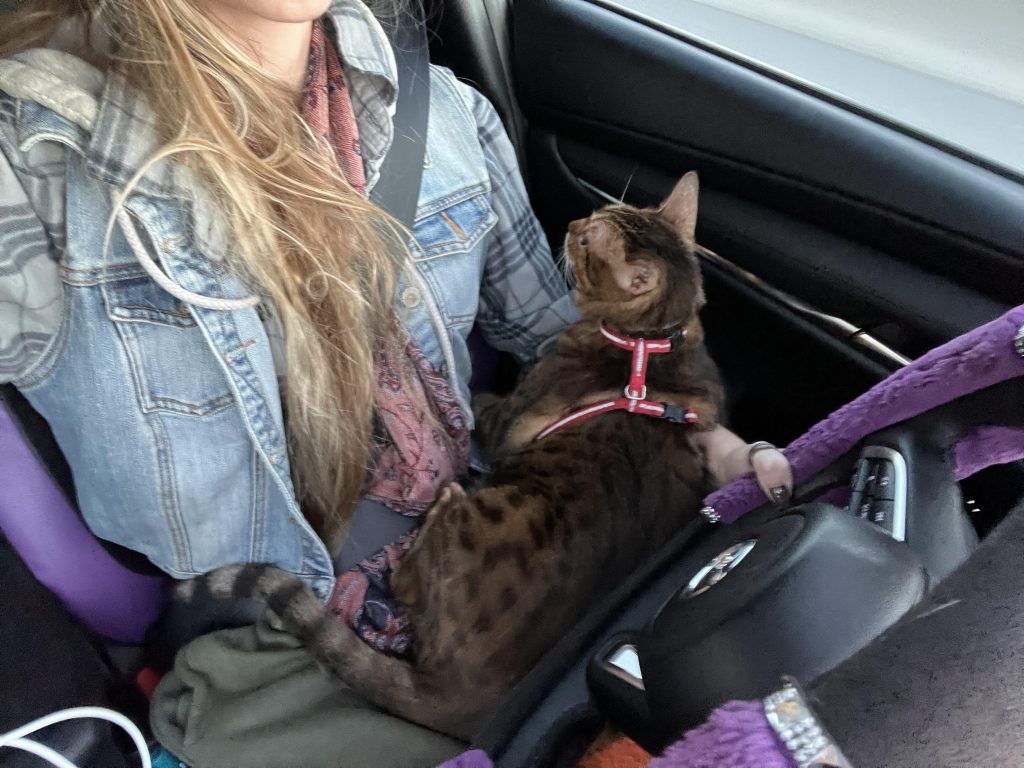
Traveling with your cat in the car can be stressful—for both of you. You want to keep your furry friend calm, safe, and comfortable, but it’s not always easy to know the best way to do that.
What if there was a simple, proven method to make every trip smooth and worry-free? You’ll discover the safest way to travel with your cat in the car. By the end, you’ll feel confident, prepared, and ready to hit the road without anxiety.
Keep reading to learn how to protect your cat and enjoy your journey together.
Preparing Your Cat For Car Travel
Traveling with your cat can be stressful for both of you if you don’t prepare properly. Getting your cat ready for car travel means more than just grabbing a carrier and hitting the road. It’s about creating a calm and safe environment that helps your cat feel secure during the journey.
Choosing The Right Carrier
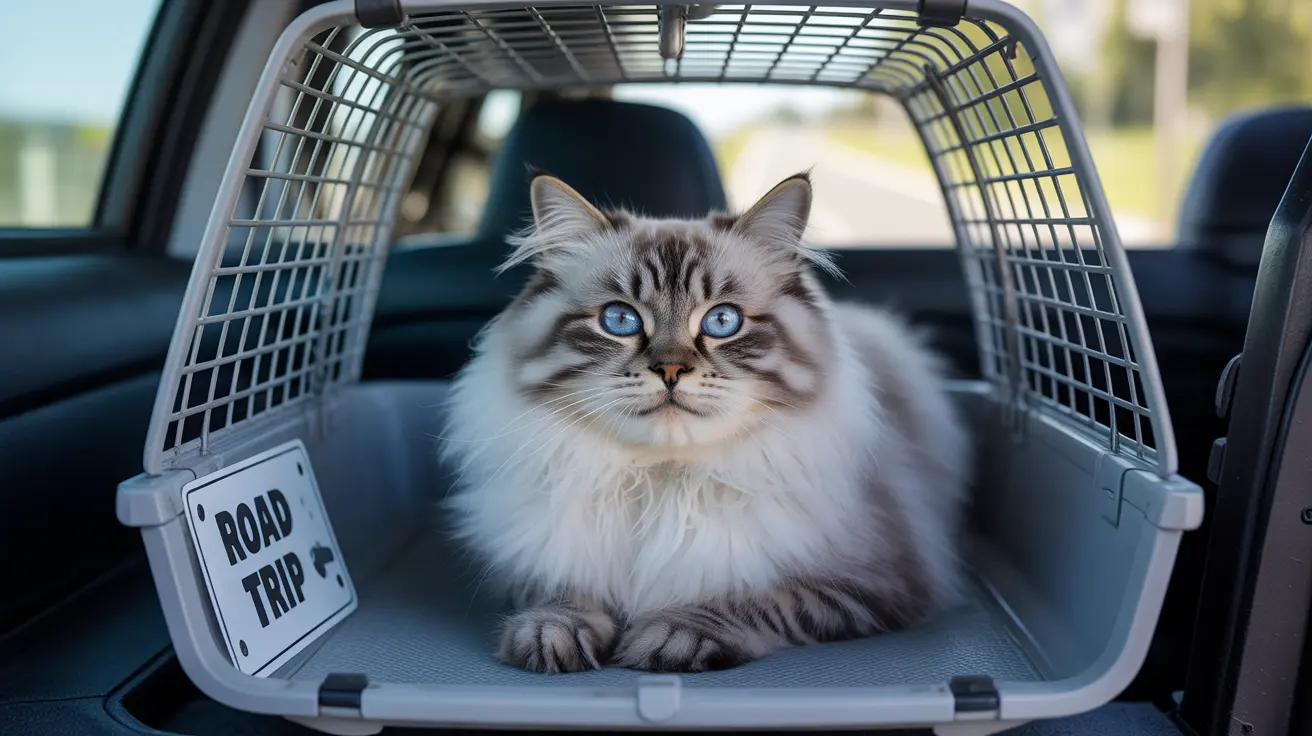
Your cat’s carrier is their little sanctuary during travel. Picking the right one is crucial for their comfort and safety. Look for a carrier that is sturdy, well-ventilated, and easy to clean.
Soft-sided carriers are great for short trips and fit easily in cars, but hard-sided carriers offer more protection in case of sudden stops. Make sure the carrier is large enough for your cat to stand, turn around, and lie down comfortably.
Familiarizing Your Cat With The Carrier
Your cat should see the carrier as a safe space, not a trap. Start by leaving the carrier open in a common area at home. Place your cat’s favorite blanket, toys, or treats inside to encourage exploration.
Spend a few days letting your cat enter and exit the carrier freely. You can even feed your cat near or inside the carrier to create positive associations. Have you noticed how your cat reacts to new objects? Patience is key in this phase.
Packing Essentials For The Trip
Before you hit the road, pack everything your cat might need to stay comfortable and safe. Essentials include:
- Water and a spill-proof bowl
- Food and treats
- Familiar blanket or bedding
- Litter box and scoop for longer trips
- Leash and harness for bathroom breaks
- Any medications or health records
Having these items ready helps you avoid last-minute stress and keeps your cat calm. What small comfort items does your cat love the most? Adding those can make a big difference.
Credit: www.petscare.com
Ensuring Safety During The Drive
Driving with your cat requires careful attention to their safety. A smooth and secure trip helps reduce stress for both of you. Taking simple steps can protect your cat and keep the journey calm. Focus on safety measures that make the drive comfortable and secure.
Securing The Carrier In The Car
Always keep your cat in a sturdy carrier. Place the carrier on the back seat for the safest spot. Use seat belts or straps to fasten the carrier tightly. This prevents it from moving during sudden stops or turns. A secure carrier protects your cat from injuries and keeps them calm.
Maintaining A Comfortable Temperature
Keep the car temperature steady and comfortable. Avoid direct sunlight on the carrier to stop overheating. Use air conditioning or open windows slightly for fresh air. Watch for signs of discomfort like panting or shivering. A steady temperature helps your cat feel safe and relaxed.
Avoiding Distractions While Driving
Stay focused on the road at all times. Do not try to pet or feed your cat while driving. Secure your phone and other devices away to avoid distractions. Plan stops to check on your cat’s well-being safely. Keeping your attention on driving protects both you and your pet.
Managing Your Cat’s Comfort And Stress
Traveling with your cat can be stressful, but managing their comfort and anxiety is key to a smooth journey. Cats are sensitive to new environments, sounds, and smells, so preparing carefully helps keep them calm. How can you make your cat feel safe and relaxed while on the road?
Using Calming Aids And Pheromones
Calming aids like natural supplements or sprays can reduce your cat’s anxiety. Products containing pheromones mimic the scent that reassures cats, creating a sense of security. You might try a pheromone spray inside the carrier or a collar that releases calming scents during the trip.
Some cats respond well to herbal remedies like chamomile or valerian, but always check with your vet before use. I once used a calming collar for my cat on a 5-hour drive, and the difference was clear—she stayed relaxed instead of pacing nervously.
Keeping A Quiet Environment
Noise is a major stress factor for cats. Keep the car environment as quiet as possible by minimizing loud music or sudden sounds. Using a covered carrier can also block out visual distractions that might unsettle your cat.
Try to avoid loud conversations or phone calls near your cat’s carrier. Have you noticed how your cat reacts to different noises? Observing this can help you adjust the environment to suit their needs better.
Providing Food And Water
Offering small amounts of food and water during breaks helps maintain your cat’s comfort and prevents dehydration. Avoid feeding large meals right before travel to reduce the risk of motion sickness.
Bring portable bowls and familiar treats your cat enjoys. If your cat refuses to eat or drink, don’t force it; instead, try again during the next stop. Keeping your cat nourished and hydrated is a simple way to lower stress and keep them feeling secure.

Credit: www.amazon.com
Handling Breaks And Stops
Handling breaks and stops during a car trip with your cat is just as important as the travel itself. These moments give your feline friend a chance to relax, but they also come with risks if not managed carefully. You want to make sure your cat stays safe, calm, and comfortable throughout the journey.
Choosing Safe Rest Areas
Select rest stops that are quiet and away from heavy traffic to reduce stress for your cat. Look for shaded areas or spots with natural cover to avoid overheating or sudden loud noises. Avoid places with lots of dogs or other animals that might scare your cat.
Have you ever noticed how some rest areas feel chaotic? Your cat will feel that too, so opt for calm, less crowded locations. This will help maintain your cat’s sense of security during the break.
Letting Your Cat Stretch Safely
Always use a secure harness and leash when letting your cat out of the carrier. This prevents sudden escapes or dangerous dashes into busy areas. Give your cat just enough room to stretch and explore without overwhelming them.
Bring familiar toys or a blanket to keep your cat engaged and comfortable during these stretches. Think of these breaks as mini relaxation sessions, not full playtime outdoors. This balance helps your cat stay calm and ready to continue the trip.
Monitoring Your Cat’s Behavior
Watch your cat closely for signs of stress or discomfort during breaks. Heavy panting, excessive meowing, or hiding can indicate anxiety. If you notice these signs, shorten the stop and head back to the car promptly.
Ask yourself: Is my cat calm enough to continue traveling? If not, give them extra time to settle or try soothing techniques like gentle petting or speaking softly. Your attentiveness can make a big difference in your cat’s travel experience.
Preparing For Emergencies
Preparing for emergencies is a crucial part of traveling safely with your cat in the car. Unexpected situations can arise even on the shortest trips, and being ready can make all the difference. You want to protect your feline friend and keep stress levels low for both of you.
Carrying A Pet First Aid Kit
Have a dedicated pet first aid kit within easy reach. It should include items like gauze, adhesive tape, antiseptic wipes, tweezers, and a digital thermometer. Adding your cat’s medications and any prescribed treatments is also important.
Think about what could happen during your journey. Could your cat get a minor cut or experience nausea? Having these supplies ready means you won’t waste valuable time searching for help.
Knowing Veterinary Contacts Along The Route
Before you hit the road, identify veterinary clinics and emergency animal hospitals along your travel path. Save their contact numbers in your phone and write them down in case your phone battery dies. This small step can save precious minutes in an emergency.
Plan your route with these stops in mind. Would you know where to turn if your cat suddenly fell ill? Being prepared with this information can help you stay calm and act quickly.
Handling Unexpected Situations
Stay calm if something unexpected happens during the drive. Cats can sense your emotions, and your calmness will help soothe them. Use a calm voice and gentle movements to avoid startling your cat further.
Have a backup plan for common emergencies like a sudden illness or escape attempts. Carry a secure carrier, extra water, and familiar items like a favorite blanket. These small comforts can make a big difference in stressful moments.

Credit: www.reddit.com
Frequently Asked Questions
How To Prepare My Cat For Car Travel?
Prepare your cat by familiarizing them with the carrier days before travel. Use calming sprays or treats. Keep the carrier secure and comfortable during the trip.
What Is The Safest Cat Carrier For Car Trips?
The safest cat carrier is sturdy, well-ventilated, and fits securely in the car. Hard-sided carriers offer more protection. Choose one with secure locks and enough space for your cat.
Should I Sedate My Cat For Car Travel?
Sedation is generally not recommended unless prescribed by a vet. It can cause health risks and affect your cat’s ability to react. Use natural calming methods first.
How To Keep My Cat Calm During A Car Ride?
Keep the environment quiet and avoid loud noises. Use familiar blankets or toys inside the carrier. Speak softly and take breaks on long trips for comfort.
Conclusion
Traveling with your cat can be safe and stress-free. Prepare well before the trip. Use a sturdy cat carrier for protection. Secure the carrier with a seatbelt. Take breaks during long drives to let your cat stretch. Keep the car environment calm and quiet.
Bring familiar items like toys or blankets. Stay alert to your cat’s needs. With these steps, your journey will be smoother. Enjoy your travels with your furry friend by your side. Remember, safety first ensures a happy trip for both of you.

Lily Purrington is the founder of MyKittyPicks.com, a cozy corner of the web dedicated to helping cat lovers discover the best cat products, furniture, toys, and home decor ideas.
A lifelong cat enthusiast, Lily shares trusted tips, honest product recommendations, and stylish inspiration designed to keep kitties happy and homes beautiful.
Her mission is simple: to bring together practical advice and purr-fect picks that make life better for cats and the people who love them.


