
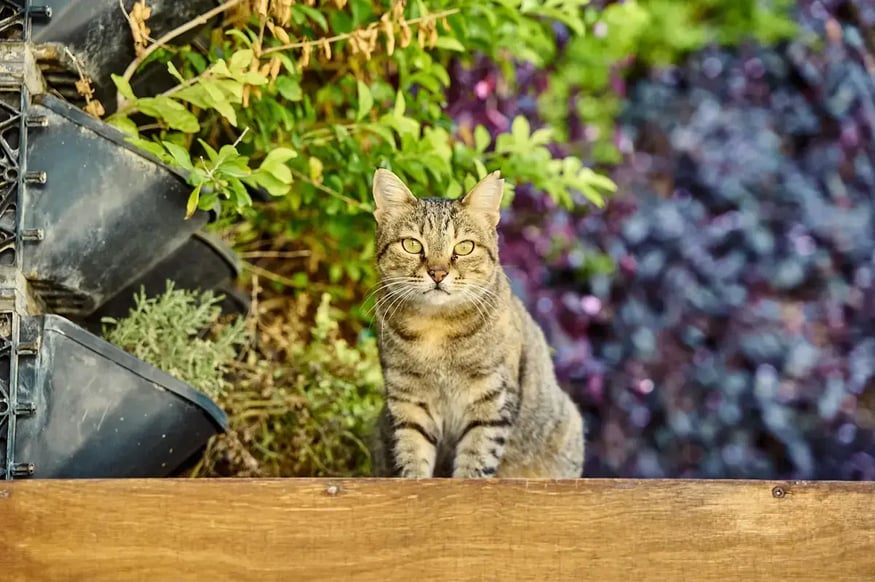
Are you a cat lover who’s passionate about herbs and spices? Have you ever wondered if your fluffy friend can safely share your love for rosemary?
You’re not alone. As pet owners, it’s natural to worry about what our cats nibble on. Your cat’s health is a top priority, and understanding what’s safe can be a bit of a puzzle. With so many conflicting opinions online, it can feel overwhelming.
But don’t worry, we’re here to clear up the confusion. Discover the truth about rosemary and whether it’s a friend or foe for your feline companion. Read on to ensure you’re making the best choices for your beloved pet.
Rosemary And Cats
Rosemary is a popular herb that many people grow at home. Cats are curious animals and may come into contact with rosemary. Understanding the effects of rosemary on cats helps keep them safe and healthy.
What Is Rosemary
Rosemary is an evergreen herb with needle-like leaves. It has a strong, fresh smell. People often use it in cooking to add flavor to food. Rosemary also grows well in gardens and pots.
This herb contains natural oils and compounds. These give rosemary its unique taste and scent. It has been used for centuries in food and medicine.
Common Uses Of Rosemary
- Cooking herb for meats, soups, and vegetables
- Flavoring oils and sauces
- Natural air freshener and herbal sachets
- Essential oils for aromatherapy
- Traditional medicine for digestion and memory
Rosemary’s strong smell can attract or repel animals. Cats may be curious but cautious around it. Knowing how rosemary affects cats is important for pet owners.

Credit: wamiz.co.uk
Safety Of Rosemary For Cats
Rosemary is a popular herb in kitchens around the world, but you might wonder if it’s safe to have around your curious cat. Knowing whether rosemary poses any threat or offers benefits to your feline friend can help you make informed choices about your home environment. Let’s take a closer look at how rosemary interacts with cats and what you should watch out for.
Is Rosemary Toxic To Cats
Rosemary is generally not considered toxic to cats. Small amounts, like the scent or tiny bits on food, usually don’t cause harm. However, large quantities or concentrated rosemary oils can be problematic.
Essential oils extracted from rosemary are particularly risky. Cats lack certain liver enzymes needed to process these oils, which can lead to poisoning symptoms. If your cat sniffs or ingests rosemary essential oil, watch for signs like drooling, vomiting, or difficulty breathing.
Potential Health Benefits
Did you know rosemary might offer some health perks for cats? In small, controlled amounts, rosemary has antioxidants and anti-inflammatory properties. These can support your cat’s immune system and reduce inflammation.
Some pet owners sprinkle a tiny bit of dried rosemary on food to aid digestion or improve coat health. But it’s crucial to consult your vet before adding rosemary to your cat’s diet. They can guide you on safe quantities and forms.
Possible Risks And Side Effects
While rosemary can be safe, it also carries risks if misused. Overconsumption may cause stomach upset, including vomiting or diarrhea. Cats with allergies or sensitive skin might develop irritation from contact with rosemary plants.
Essential oils are the biggest danger. Even a small drop can cause serious health issues, including seizures or liver damage. Keep rosemary oil and concentrated extracts out of reach, and avoid using them in areas where your cat roams freely.
Have you noticed your cat reacting differently around herbs or plants? Observing their behavior closely is key. Your cat’s safety depends on how you manage these natural substances in your home.
How Cats May Come Into Contact With Rosemary
Cats can encounter rosemary in many ways around the home. Knowing these helps keep them safe. Rosemary is common in kitchens, homes, and gardens. Each source poses a different level of risk. Understanding how cats meet rosemary is key to preventing harm.
In Food
Rosemary is a popular herb in cooking. It flavors meat, soups, and sauces. Sometimes, small pieces fall on the floor. Cats may lick or eat these scraps out of curiosity. Some pet owners also add rosemary to homemade cat food or treats. This can expose cats directly to the herb.
Rosemary contains oils that may upset a cat’s stomach. Eating large amounts can cause vomiting or diarrhea. Small amounts in food usually cause no harm but monitoring is important.
In Essential Oils
Rosemary essential oil is common in aromatherapy and cleaning products. It releases a strong scent when diffused. Cats have sensitive noses and lungs. Exposure to these oils, whether by smell or skin contact, can cause breathing trouble or skin irritation. Some owners use rosemary oil in sprays or lotions, increasing risk of contact. Oils are much more concentrated than the herb itself.
In Household Plants
Rosemary plants are popular houseplants and garden herbs. Cats may chew on the leaves if curious or bored. The texture and smell attract some cats. Chewing can lead to mild stomach upset or more serious reactions if eaten in large amounts. Keeping rosemary plants out of reach reduces the chance of cats eating them.
Symptoms Of Rosemary Exposure
Rosemary is a popular herb used in cooking and natural remedies. While it is generally safe, some cats may react to it. Recognizing the symptoms of rosemary exposure helps protect your feline friend. Symptoms range from mild to severe and need attention.
Mild Reactions
- Drooling or excessive licking
- Mild vomiting or nausea
- Itchy skin or mild rash
- Sneezing or coughing
- Restlessness or mild agitation
Mild reactions often appear shortly after contact or ingestion. Watch your cat closely for these signs.
Severe Reactions
- Severe vomiting or diarrhea
- Difficulty breathing or wheezing
- Swelling of the face or throat
- Loss of balance or coordination
- Seizures or collapse
Severe symptoms require immediate veterinary care. These can be life-threatening if ignored.
What To Do If Your Cat Is Exposed
If your cat has been exposed to rosemary, knowing the right actions to take can make all the difference. While rosemary is generally safe in small amounts, some cats may react differently. Quick and calm responses can help prevent any serious issues and keep your furry friend comfortable.
Immediate Steps
First, remove your cat from the area where rosemary is present to avoid further exposure. Check if your cat has ingested rosemary or if it’s just a surface contact.
- If ingested, offer fresh water to help dilute any remnants in their mouth or stomach.
- If rosemary is on their fur, gently wipe or rinse the area with lukewarm water.
- Watch for any immediate signs of discomfort like drooling, vomiting, or unusual behavior.
Acting fast reduces the risk of irritation or more severe reactions. Have you ever noticed your cat acting strangely after sniffing plants? That’s your cue to intervene quickly.
When To See A Vet
If your cat shows symptoms such as vomiting, diarrhea, excessive drooling, or lethargy after rosemary exposure, it’s time to contact your vet. Some cats might develop allergic reactions, and professional care ensures they get the right treatment.
- Persistent vomiting or diarrhea lasting more than a few hours.
- Signs of difficulty breathing or swelling around the face or mouth.
- Unusual lethargy or weakness that doesn’t improve.
Don’t hesitate to seek help just because the symptoms seem mild at first. Your cat’s health can change rapidly, and early vet intervention can prevent complications. Have you noticed any subtle changes in your cat after plant exposure that made you rethink safety?
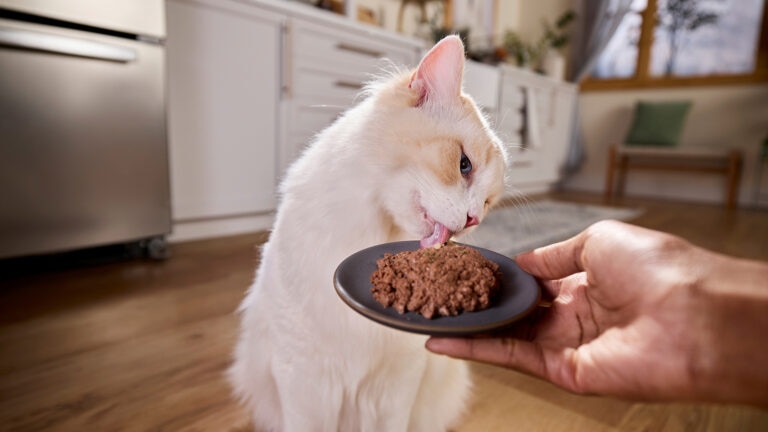
Credit: www.chewy.com
Safe Alternatives To Rosemary
Finding safe alternatives to rosemary for your cat is essential if you want to keep your furry friend healthy and happy. While rosemary has some benefits, it can sometimes cause issues for cats, so exploring other options is a smart move. You might be surprised by how many herbs and natural remedies can provide similar effects without the risks.
Cat-safe Herbs
There are several herbs that are safe for cats and can offer health benefits or pleasant scents without harm. Some popular choices include:
- Catnip:Known for its playful effects, catnip also helps reduce stress and anxiety in cats.
- Chamomile:This gentle herb can soothe your cat’s digestive system and calm nerves.
- Parsley:Rich in vitamins, parsley supports your cat’s urinary health when given in small amounts.
- Valerian root:Acts as a natural sedative and can help calm hyperactive cats.
Have you ever noticed your cat’s reaction to different plants? Observing their preferences can guide you in choosing the best herb for your home.
Other Natural Remedies
If herbs aren’t your preferred option, consider other natural remedies that are safe for cats. These can help with common issues like anxiety or minor skin irritations without risking toxicity.
- Oatmeal baths:Great for soothing itchy or irritated skin.
- Aloe vera gel:Use only pure, pet-safe aloe vera on minor cuts or burns; avoid products with added chemicals.
- Fish oil supplements:These support skin health and provide anti-inflammatory benefits.
- Feliway diffusers:Mimic natural cat pheromones to reduce stress and help with behavioral problems.
Think about what your cat needs most right now. Is it calming, skin relief, or general wellness? Finding the right natural remedy can make a big difference without compromising their safety.
Preventive Measures For Pet Owners
Keeping rosemary around your cat requires some smart precautions. Even if rosemary is generally considered safe in small amounts, it’s important to control how your pet interacts with it. Taking preventive measures helps you protect your furry friend from accidental ingestion or exposure that could cause discomfort or health issues.
Storage Tips
Store rosemary and any rosemary-based products well out of your cat’s reach. High shelves or closed cabinets work best to prevent curious paws from getting into them.
Use airtight containers to keep dried rosemary fresh and avoid spills that might attract your cat. If you use fresh rosemary from your garden, make sure it’s in a spot your cat can’t access easily.
Think about your cat’s natural behavior. Do they like to jump on counters or chew on plants? Adjust your storage accordingly. Have you noticed your pet showing unusual interest in certain plants or herbs?
Using Essential Oils Safely
Rosemary essential oil is highly concentrated and can be harmful if your cat inhales or licks it. Never apply essential oils directly on your cat or in areas where they spend a lot of time.
If you use rosemary oil in diffusers, keep the room well-ventilated and ensure your cat can leave the area easily. Watch for signs like coughing, sneezing, or lethargy, which might indicate sensitivity.
Always dilute essential oils properly before use and consult your vet if you’re unsure. Your cat’s health is worth a little extra caution—have you ever thought about how strong scents affect your pet’s comfort?
:strip_icc()/spruce-pets-long-haired-cats-overheating-ab0c2a0eaf7942fab1b831e84a17513b.png)
Credit: www.thesprucepets.com
Frequently Asked Questions
Is Rosemary Safe For Cats To Ingest?
Rosemary is generally safe for cats in small amounts. However, large quantities can cause digestive upset or allergic reactions. Always monitor your cat if they nibble on rosemary and consult your vet if you notice any unusual symptoms.
Can Rosemary Essential Oil Harm Cats?
Rosemary essential oil is toxic to cats. Their livers cannot process essential oils properly. Avoid using rosemary oil around cats to prevent poisoning, respiratory issues, or skin irritation.
What Are The Signs Of Rosemary Poisoning In Cats?
Symptoms include vomiting, diarrhea, drooling, and lethargy. In severe cases, cats may experience difficulty breathing or seizures. If you suspect rosemary poisoning, seek veterinary care immediately.
Can Rosemary Repel Fleas On Cats Safely?
Rosemary has natural flea-repellent properties but is not a standalone treatment. Use rosemary-based products formulated for pets. Always check with your vet before applying any herbal remedies to your cat.
Conclusion
Rosemary is generally safe for cats in small amounts. Avoid giving large doses or concentrated oils. Always watch your cat for any unusual signs after exposure. Consult your vet if you feel unsure or see problems. Using rosemary in moderation can add some benefits without harm.
Keep your cat’s health the top priority. Simple care and attention help your pet stay happy.

Lily Purrington is the founder of MyKittyPicks.com, a cozy corner of the web dedicated to helping cat lovers discover the best cat products, furniture, toys, and home decor ideas.
A lifelong cat enthusiast, Lily shares trusted tips, honest product recommendations, and stylish inspiration designed to keep kitties happy and homes beautiful.
Her mission is simple: to bring together practical advice and purr-fect picks that make life better for cats and the people who love them.


