
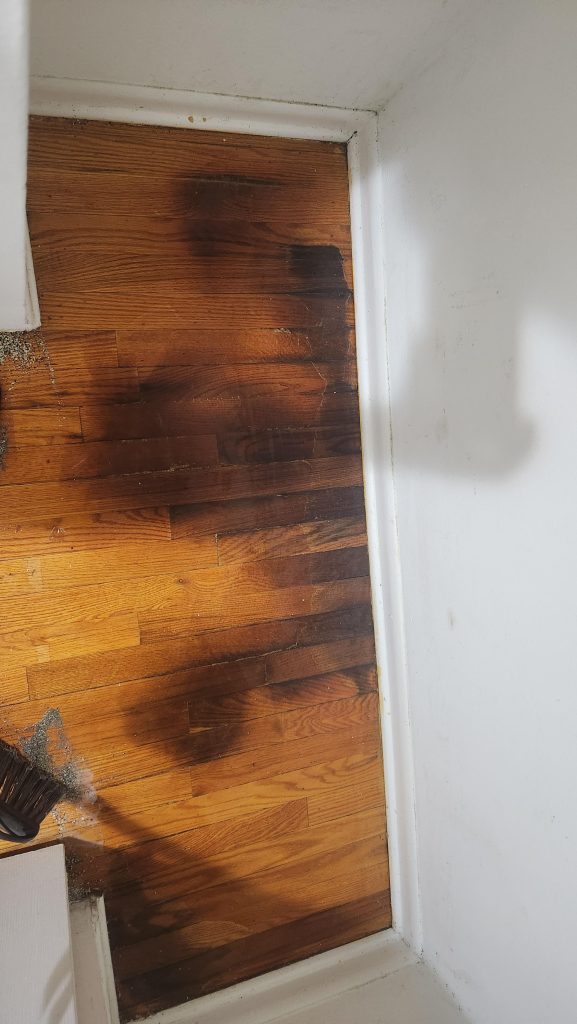
Dealing with cat urine on your hardwood floors can feel overwhelming. You want your floors to look clean and smell fresh, but the stain and odor seem stubborn.
If you’ve been searching for a simple, effective way to tackle this problem, you’re in the right place. In this guide, you’ll discover easy steps to clean your hardwood floors without causing damage. Keep reading to protect your floors and enjoy a fresh, inviting home again.

Credit: www.reddit.com
Identify The Urine Spots
Finding all the spots where your cat has left urine on your hardwood floor is the first step to a thorough cleaning. Some stains are easy to see, but others might hide in plain sight, blending with the wood grain or fading over time. Without spotting every stain, you risk leaving behind odors and damage that worsen.
Check For Discoloration And Odor
Look closely at your floor for any areas that seem darker, lighter, or have a different texture than the rest. Cat urine can cause subtle discoloration that you might miss at first glance.
Smell is a powerful clue. Move around the room and sniff near the baseboards or corners—common spots where cats tend to urinate. Even if a stain isn’t visible, a strong ammonia-like odor usually means urine is present.
Have you ever noticed a faint but persistent smell that just won’t go away despite cleaning? That’s often a hidden urine spot begging for attention.
Use Blacklight For Detection
A blacklight can reveal urine spots that escape the naked eye. When you turn off the lights and shine a blacklight over your floor, affected areas glow bright yellow or green.
This tool is especially useful if your cat has a habit of targeting the same spots repeatedly. It helps you map out every stain, so you know exactly where to clean.
Try scanning your entire hardwood floor in the dark with a blacklight. You might be surprised how many hidden spots show up, changing your cleaning approach entirely.
Gather Cleaning Supplies
Gathering the right cleaning supplies is key to removing cat urine from hardwood floors. Using proper tools and safe cleaners protects your floor’s finish. It also helps stop odors and stains from setting in.
Start by picking cleaners that won’t harm your pet or your wood floors. Next, prepare soft cloths and brushes to clean gently yet effectively. Having everything ready makes the cleaning process quicker and easier.
Choose Pet-safe Cleaners
Select cleaners labeled safe for pets. Avoid harsh chemicals like bleach or ammonia. These can damage wood and irritate your cat’s nose.
Look for enzymatic cleaners that break down urine molecules. These remove stains and odors naturally. Read labels carefully and follow instructions for best results.
Prepare Microfiber Cloths And Brushes
Use microfiber cloths to absorb urine without scratching floors. Have several clean cloths ready for blotting and wiping.
Choose soft-bristled brushes to reach grooves or textured areas. Avoid stiff brushes that might harm the wood finish.
Keep all supplies close. This helps you act fast and clean the spot thoroughly.
Initial Cleanup Steps
Begin by blotting the urine gently with paper towels to soak up as much liquid as possible. Avoid rubbing to prevent spreading the stain or pushing it deeper into the wood. Next, prepare a mild cleaning solution to treat the affected area.
Dealing with cat urine on hardwood floors can be a daunting task. The key to saving your floors is acting swiftly and effectively. Immediate cleanup is crucial to prevent damage and lingering odors. Let’s dive into some initial steps to tackle this challenge head-on.Blot The Urine Immediately
The first thing you need to do is grab some paper towels or an old cloth. Blot the urine gently, absorbing as much as possible. This step is crucial because the longer the urine sits, the more it soaks into the wood, risking permanent staining and odor. Time is of the essence here. Imagine you’re defusing a ticking time bomb; every second counts. Blotting quickly helps to minimize the damage and makes the subsequent cleaning steps more effective.Avoid Rubbing To Prevent Spread
Resist the urge to rub the area, even if it seems like the natural thing to do. Rubbing can push the urine deeper into the wood’s pores, spreading the mess and making it harder to clean. Think of it like a spill on your favorite shirt. Rubbing only spreads the stain further, making it more challenging to remove. Instead, focus on absorbing the liquid. Would you rather deal with a small localized problem or a widespread one? Keep it contained by blotting, not rubbing. Taking these initial steps with care can make a significant difference in maintaining the beauty and integrity of your hardwood floors. Are you prepared to act quickly the next time an accident happens?Deep Cleaning Techniques
Deep cleaning hardwood floors affected by cat urine requires more than just surface wiping. The odor and stains can seep into the wood, demanding thorough treatment. You’ll need to tackle the problem with specific techniques that not only clean but also neutralize the source of the smell.
Apply Enzymatic Cleaners
Enzymatic cleaners are your best friend against cat urine. These cleaners break down the proteins and bacteria that cause the odor, rather than just masking it. You should apply the cleaner directly to the stained area and let it sit for at least 15 minutes to work effectively.
Make sure to follow the instructions on the label carefully. Some enzymatic cleaners require a second application, especially if the stain is old or deep. Have you noticed how some products claim to remove odors instantly but leave a lingering smell? Enzymatic cleaners do more than that—they eliminate the root cause.
Use Vinegar And Water Solution
After the enzymatic cleaner, a vinegar and water solution can help neutralize any remaining odor and disinfect the area. Mix one part white vinegar with two parts water in a spray bottle for easy application. Spray the solution lightly over the affected area without soaking the wood, which could cause damage.
Vinegar is a natural deodorizer and is safe for hardwood when diluted properly. Don’t rush this step—letting the solution sit for a few minutes helps break down any lingering residue. Have you ever wondered why vinegar is a common household cleaner? It’s simple, effective, and safe for many surfaces.
Rinse And Dry Thoroughly
Rinsing is crucial to remove any leftover cleaner and prevent damage to your hardwood floors. Use a clean, damp cloth to wipe down the treated area gently. Avoid using excessive water, which can warp or discolor the wood.
After rinsing, dry the floor completely using a dry towel or microfiber cloth. Proper drying prevents moisture from seeping into the wood and causing long-term damage. Have you checked if your floors are completely dry after cleaning? It’s a step often overlooked but essential for maintaining your hardwood’s beauty.
Remove Odors Effectively
Getting rid of cat urine odors from hardwood floors can be tricky. The smell often lingers, even after cleaning. To truly remove the odor, you need more than just soap and water.
Use Baking Soda For Odor Absorption
Baking soda is a powerful and natural odor absorber. After you clean the affected area, sprinkle a generous amount of baking soda over the spot. Let it sit for several hours or overnight to soak up the smell.
Once the baking soda has done its job, vacuum it up thoroughly. If you’ve ever had a pet accident, you know how stubborn the odor can be. Baking soda helps neutralize it without harsh chemicals that can damage your floor’s finish.
Consider Commercial Odor Neutralizers
If baking soda doesn’t fully eliminate the smell, try a commercial odor neutralizer designed for pet urine. These products contain enzymes that break down the urine molecules causing the odor.
Choose a product safe for hardwood floors and follow the instructions carefully. Some neutralizers require you to leave them on the floor for a while before wiping them off. Have you tried enzyme cleaners before? They often work where traditional cleaners fail.

Credit: floorsanding.co.uk
Prevent Future Accidents
Preventing future accidents is key to keeping your hardwood floors looking great after you’ve cleaned up cat urine. If you don’t address the root causes, you might find yourself repeating the cleaning process more often than you’d like. Taking proactive steps helps protect your floors and keeps your home fresh.
Train Your Cat Properly
Training your cat to use the litter box consistently is essential. Observe your cat’s habits and offer praise or treats when they use the box correctly. If your cat marks outside the box, gently redirect them and consider consulting a vet to rule out health issues.
Think about the last time you had to clean a tough spot. Could better training have prevented it? Small changes in your routine can make a big difference in your cat’s behavior.
Maintain Clean Litter Boxes
Dirty litter boxes are a common reason cats choose to go elsewhere. Clean the boxes daily and change the litter regularly to keep them inviting. Consider adding an extra box if you have multiple cats or a large home.
Have you noticed your cat avoiding the litter box? It might be time to upgrade the type of litter or the box itself. Cats are particular about cleanliness, so staying on top of this can save your floors.
Apply Protective Floor Coatings
Applying a protective coating to your hardwood floors can provide a barrier against stains and damage from accidents. Look for water-resistant and pet-safe finishes designed specifically for hardwood. These coatings make cleaning easier and protect your investment.
Imagine being able to wipe away messes quickly without worrying about lasting stains. A good floor coating can give you peace of mind and save you money on repairs. Have you checked if your floors have this kind of protection?
Handle Stubborn Stains
Cat urine can cause deep stains on hardwood floors that regular cleaning can’t fix. These stubborn marks need special care to restore the wood’s beauty. Acting fast helps, but some stains require stronger solutions.
Stains may have soaked into the wood layers. Simple cleaning might leave discoloration or odor behind. Treating these spots carefully prevents further damage and maintains your floor’s appearance.
Sand And Refinish Affected Areas
Sanding removes the top damaged layer of wood. Use fine-grit sandpaper to avoid scratches. Work gently over the stained areas until the marks fade or disappear.
After sanding, clean the dust thoroughly. Apply a matching wood finish or sealant. This step protects the floor and blends the repaired spots with the rest.
Sanding and refinishing work best on small, localized stains. Larger areas might need more extensive treatment.
Consult Professional Floor Cleaners
Professionals have tools and knowledge for tough hardwood stains. They assess damage and choose the right cleaning or repair method.
Experts can use special cleaning agents safe for wood. They also handle deep stains without harming the floor.
Hiring a professional saves time and ensures the best results. They help keep your hardwood floors looking fresh and clean.

Credit: www.reddit.com
Frequently Asked Questions
How Do I Remove Cat Urine From Hardwood Floors?
Blot the urine immediately with paper towels. Clean the area with a mixture of vinegar and water. Use an enzyme cleaner to break down odors. Avoid harsh chemicals that damage wood. Dry thoroughly to prevent warping and stains.
What Products Are Best For Cleaning Cat Urine?
Enzyme-based cleaners are most effective for cat urine. They break down urine molecules and remove odors completely. Avoid ammonia or bleach as they can worsen odors. Look for pet-specific cleaners labeled safe for hardwood floors.
Can Cat Urine Permanently Damage Hardwood Floors?
Yes, cat urine can cause stains and warping. The urine’s acidity breaks down the wood finish. Immediate cleaning reduces damage risk. Persistent urine exposure may require sanding or refinishing to restore floors.
How To Prevent Cats From Urinating On Hardwood Floors?
Keep litter boxes clean and accessible. Use deterrents like citrus sprays near problem areas. Provide multiple litter boxes if you have several cats. Address stress or health issues with your vet to reduce accidents.
Conclusion
Cleaning cat urine from hardwood floors takes patience and care. Act quickly to stop stains and smells. Use gentle cleaners safe for wood to protect your floor. Regular cleaning helps keep your home fresh and healthy. Small steps make a big difference over time.
Keep your floors dry and well-ventilated to avoid damage. With the right approach, your hardwood floors stay beautiful and clean. Simple habits prevent future accidents and keep your space pleasant. Trust the process and enjoy a fresh, odor-free home.

Lily Purrington is the founder of MyKittyPicks.com, a cozy corner of the web dedicated to helping cat lovers discover the best cat products, furniture, toys, and home decor ideas.
A lifelong cat enthusiast, Lily shares trusted tips, honest product recommendations, and stylish inspiration designed to keep kitties happy and homes beautiful.
Her mission is simple: to bring together practical advice and purr-fect picks that make life better for cats and the people who love them.


