
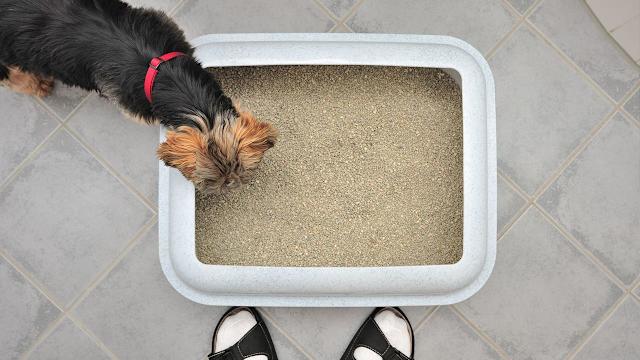
Are you wondering if your dog can use cat litter? It’s a question many pet owners ask when they want a simple solution for their furry friend’s bathroom needs.
You might think it’s an easy fix, but using cat litter for dogs comes with important things you need to know. This article will help you understand the risks and benefits so you can make the best choice for your pet’s health and comfort.
Keep reading to find out if cat litter is really safe for your dog and what alternatives might work better.

Credit: aimextools.com
Differences Between Dog And Cat Litter
Dogs and cats have very different bathroom habits. This makes their litter needs quite different. Understanding these differences helps keep pets safe and comfortable.
Cat litter is designed to absorb moisture and control odor from cat urine. Dogs usually need outdoor spaces or pads for bathroom use. Using cat litter for dogs can cause problems because the materials and design are not made for dogs’ habits.
Types Of Cat Litter
Cat litter comes in many types. Some common kinds include:
- Clay-based litter: Absorbs moisture well and clumps tightly.
- Silica gel litter: Controls odor and dries waste quickly.
- Biodegradable litter: Made from natural materials like corn or wood.
Each type suits cats but may not work for dogs. Dogs may eat or scatter the litter, creating mess and health risks.
Dog Bathroom Habits
Dogs prefer to go outside or use special pads. They do not bury their waste like cats. Dogs often urinate in a standing position. This behavior requires different cleaning methods and surfaces.
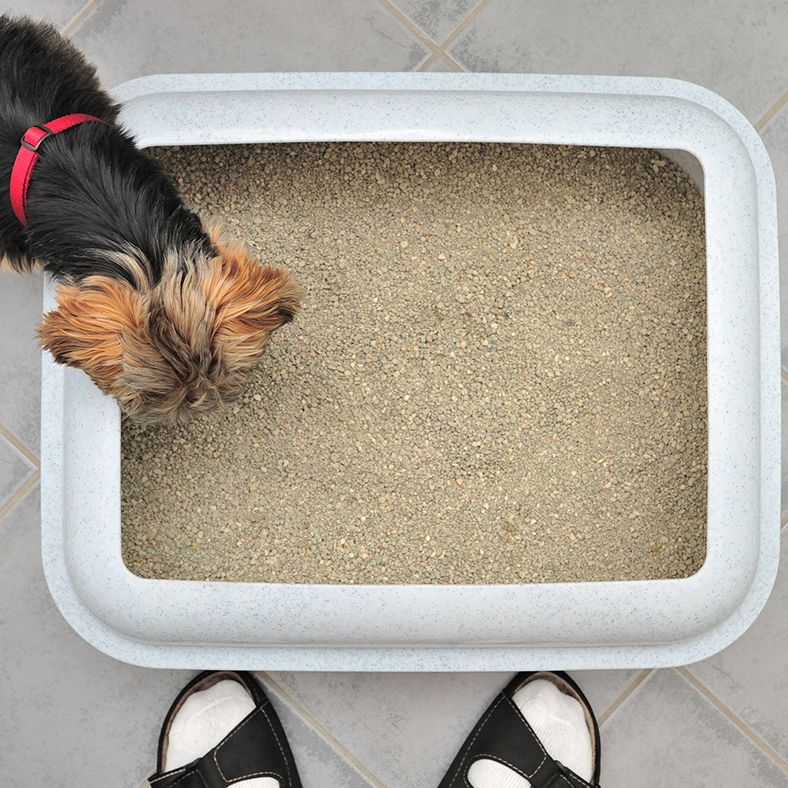
Using cat litter for dogs can lead to discomfort and confusion. Dogs may refuse to use the litter or accidentally eat it.
Safety Concerns
Cat litter is not always safe for dogs. Some litters contain harmful chemicals or dust. Ingesting litter can cause digestive problems or blockages in dogs.
Clay litter dust can irritate dogs’ lungs. Silica gel litter may cause dehydration if eaten. Always choose bathroom options made specifically for dogs to avoid these risks.
Risks Of Dogs Using Cat Litter
Allowing your dog to use cat litter might seem harmless, but it carries several risks you need to consider carefully. Dogs have different behaviors and health needs compared to cats, and exposure to cat litter can lead to serious problems. Understanding these risks helps you keep your furry friend safe and healthy.
Toxic Ingredients
Many cat litters contain substances that are toxic to dogs. Ingredients like clumping agents, fragrances, and chemicals can irritate your dog’s digestive system or even cause poisoning.
For example, some litters contain silica dust or bentonite clay, which can be harmful if inhaled or ingested by dogs. Have you checked what’s in your cat’s litter before letting your dog near it?
Ingestion Hazards
Dogs are naturally curious and might eat cat litter out of boredom or curiosity. Eating litter can cause blockages in their intestines, which is a medical emergency.
Small clumps can swell inside their stomach, leading to vomiting, diarrhea, or worse. If your dog tends to chew on unusual objects, cat litter poses a real threat.
Respiratory Issues
Dust from some types of cat litter can irritate your dog’s lungs and airways. Dogs with pre-existing respiratory problems are especially vulnerable.
Even healthy dogs can develop coughing, sneezing, or breathing difficulties after exposure. Have you noticed any respiratory changes after your dog spends time near cat litter?
Alternatives To Cat Litter For Dogs
Dogs should not use cat litter because it can be harmful to them. Alternatives like puppy pads, grass patches, or indoor dog toilets work better and are safer for dogs. These options help keep your home clean and protect your pet’s health.
If you’ve ever wondered whether dogs can use cat litter, you’re not alone. Many pet owners face this dilemma, especially when space is limited or during harsh weather conditions. However, cat litter isn’t always the best option for dogs. Fortunately, there are several alternatives that can effectively meet your dog’s bathroom needs.Potty Training Pads
Potty training pads are a popular choice for dog owners. They are easy to use and can be placed anywhere in your home. These pads are designed to absorb moisture and control odor, making them convenient for indoor use. Imagine a rainy day when taking your pup outside feels impossible. Having a few potty pads handy can save you from the hassle. They are perfect for puppies who are still learning and older dogs with mobility issues.Outdoor Solutions
Nothing beats the fresh air and natural setting of the great outdoors. If you have a backyard, consider setting up a designated potty area for your dog. Use gravel or mulch, as they are easy to clean and maintain. Think about planting some pet-friendly plants around the area to make it more inviting. Not only will your dog appreciate the natural setting, but you’ll also save on indoor cleanup.Dog-specific Products
The pet industry has evolved, offering dog-specific products that cater to their unique needs. Artificial grass patches are one such innovation. These mimic real grass, providing a familiar surface for your dog. Consider investing in a portable dog toilet with a drainage system. These are especially useful for apartment dwellers with limited outdoor access. Your dog deserves comfort, and these products offer just that. Have you tried any of these alternatives? Each option provides a different experience for you and your dog. Choose the one that fits your lifestyle and your furry friend’s needs.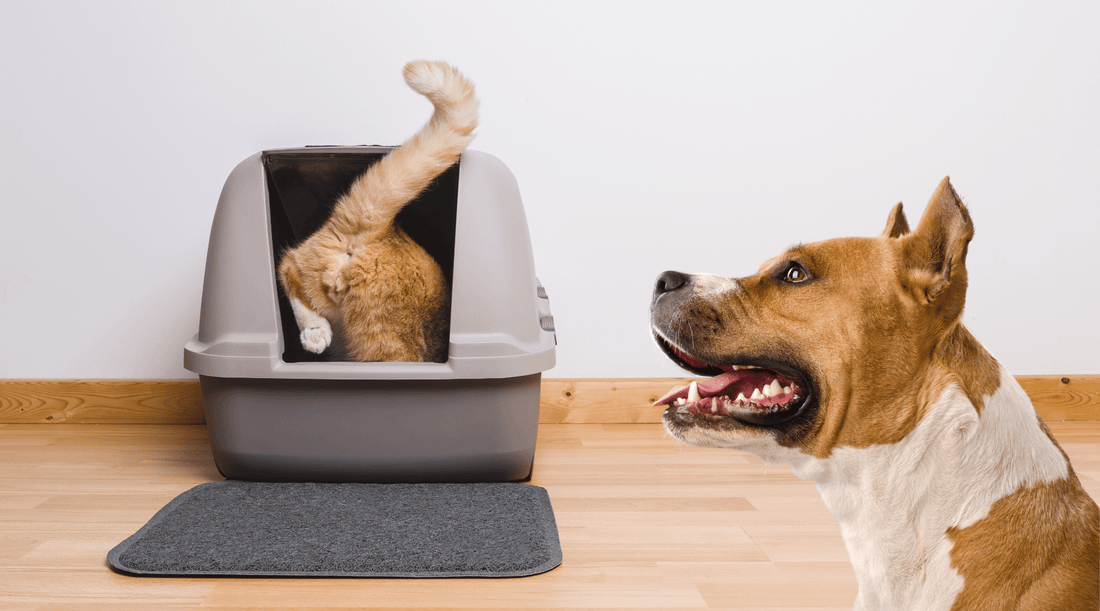
Credit: k9connoisseur.com
Tips For Managing Dog Hygiene
Maintaining your dog’s hygiene is essential for their health and your home’s cleanliness. Managing this can be challenging, especially if you have both cats and dogs under one roof. Here are practical tips that help keep your dog clean and reduce unwanted behaviors related to litter boxes.
Proper Cleaning Routines
Clean your dog’s bedding and living area regularly to prevent odors and bacteria buildup. Use pet-safe cleaning products that won’t irritate their skin. Washing your dog’s paws after walks helps remove dirt and allergens that could cause infections.
Also, consider brushing your dog often to reduce loose fur and dirt. This simple habit can improve their coat’s health and minimize shedding in your home. Have you noticed how a clean dog feels happier and more energetic?
Preventing Litter Box Access
Dogs are curious and might explore cat litter boxes out of boredom or curiosity. To stop this, place the litter box in an area that’s hard for your dog to reach, like a high shelf or behind a baby gate. You can also try covered litter boxes to keep your dog out.
Training your dog to avoid the litter box area is key. Use commands like “leave it” and reward them when they stay away. What other creative barriers could you use to keep your dog from digging into the cat’s litter?
Encouraging Outdoor Elimination
Teaching your dog to eliminate outside reduces indoor accidents and keeps your home fresh. Establish a consistent schedule for bathroom breaks, especially after meals and naps. Praise your dog every time they go outside to reinforce good habits.
Sometimes dogs resist going outside due to fear or discomfort. Try making the outdoor space inviting with toys or treats. Have you tried observing your dog’s favorite spots outside to make bathroom time more appealing?
When To Consult A Veterinarian
Knowing when to consult a veterinarian about your dog and cat litter is crucial for your pet’s health. If your dog has come into contact with or ingested cat litter, you must stay alert to any unusual signs or behaviors. Early action can prevent serious health issues and ensure your furry friend stays safe.
Signs Of Litter Ingestion
Watch for vomiting, diarrhea, or a lack of appetite after your dog has been near cat litter. Difficulty breathing or coughing can also signal a problem, especially if the litter contains clumping agents or chemicals. If you see any of these signs, don’t hesitate to contact your vet immediately.
Behavioral Concerns
Sudden changes in your dog’s behavior might hint at discomfort or pain caused by litter ingestion. Look for restlessness, excessive licking of the mouth, or unusual whining. Such behaviors can indicate irritation or an underlying health issue that needs professional attention.
Health Monitoring
Keep a close eye on your dog’s overall condition after exposure to cat litter. Regularly check for signs of dehydration or lethargy, which can worsen quickly. If you notice your dog’s condition declining, it’s time to seek veterinary care without delay.
Credit: www.petsradar.com
Frequently Asked Questions
Can Dogs Safely Use Cat Litter Boxes?
No, dogs should not use cat litter boxes. Cat litter can cause digestive issues or choking hazards if ingested by dogs. It may also harbor bacteria unsafe for dogs. Use dog-specific potty solutions instead to ensure your pet’s health and hygiene.
What Risks Does Cat Litter Pose To Dogs?
Cat litter can cause respiratory problems and digestive blockages in dogs. Some litters contain toxic chemicals or clumping agents harmful if swallowed. Ingesting litter may lead to vomiting or diarrhea, so it’s best to keep it away from dogs.
Can Dogs Be Trained To Use Cat Litter?
Dogs generally cannot be trained to use cat litter effectively. Their natural elimination habits differ, and litter boxes may confuse them. It’s better to train dogs with outdoor potty routines or dog-specific indoor pads for successful house training.
Are There Dog-friendly Alternatives To Cat Litter?
Yes, dog-friendly alternatives include pee pads, indoor dog toilets, and artificial grass patches. These options are safer and designed for dogs’ needs. They prevent health risks linked to cat litter and provide an easy, hygienic potty solution for dogs indoors.
Conclusion
Dogs should not use cat litter as their bathroom spot. Cat litter can harm dogs if eaten or inhaled. Dogs need special potty areas designed just for them. Always choose dog-friendly products to keep pets safe. Proper training helps dogs learn where to go.
Keeping pets healthy means giving them the right care. Trust your instincts and ask a vet if unsure. Safe habits lead to happy pets and happy homes.

Lily Purrington is the founder of MyKittyPicks.com, a cozy corner of the web dedicated to helping cat lovers discover the best cat products, furniture, toys, and home decor ideas.
A lifelong cat enthusiast, Lily shares trusted tips, honest product recommendations, and stylish inspiration designed to keep kitties happy and homes beautiful.
Her mission is simple: to bring together practical advice and purr-fect picks that make life better for cats and the people who love them.


