
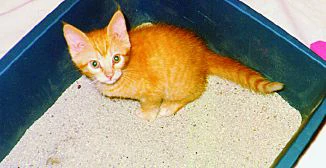
Have you ever stopped to wonder when cat litter was invented? If you’re a cat owner, you know how important this simple product is for keeping your home clean and your furry friend happy.
But the story behind cat litter is more interesting than you might think. Understanding its origins could change how you see this everyday item and even improve your pet care routine. Keep reading to discover the surprising history and evolution of cat litter—it’s a tale that every cat lover should know.
Early Methods Of Cat Waste Management
Managing cat waste has always been a challenge for pet owners. Before modern cat litter, people used simple and natural ways to handle this task. These early methods focused on cleanliness and reducing odors using materials found nearby.
Ancient Practices
In ancient times, cats were often outdoor animals. People let them relieve themselves in gardens or dirt areas. Some cultures created small pits or designated spots for cats. This helped keep living spaces cleaner.
Indoor cats were rare, so waste management was less of an issue. When cats stayed inside, owners cleaned up with cloth or paper. These methods were basic but effective for the time.
Materials Used Before Modern Litter
People used natural materials to absorb cat waste and control smell. Some common options included:
- Sand: Easy to find and absorbent
- Soil or dirt: Natural and simple
- Ashes: Helped reduce odor
- Straw or hay: Used for comfort and absorption
- Wood shavings: Provided some odor control
These materials were often replaced daily. They helped keep homes cleaner but required effort and time.
The Birth Of Modern Cat Litter
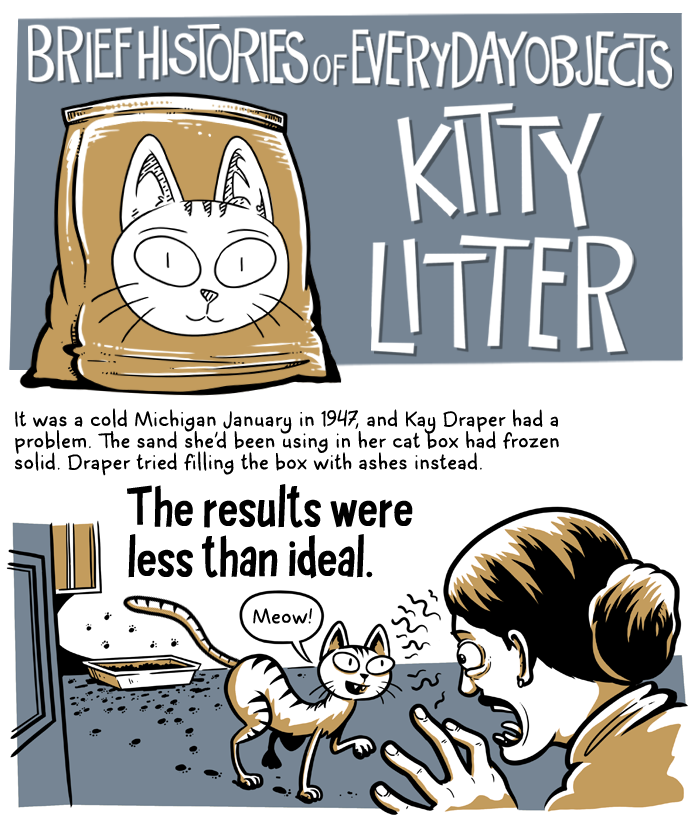
The birth of modern cat litter marked a major change in pet care. Before its invention, cat owners used sand, ashes, or dirt to manage cat waste. These materials were messy and hard to clean. The invention of cat litter made life easier for cats and their owners. It also helped keep homes clean and odor-free.
The Role Of Edward Lowe
Edward Lowe is known as the father of modern cat litter. In 1947, he discovered a new way to handle cat waste. Lowe noticed that a type of clay called bentonite could absorb moisture well. He gave samples to a neighbor with cats. She found it worked better than sand or ashes. Lowe then started selling this clay as cat litter. His idea quickly became popular across the United States.
Introduction Of Clay-based Litter
Clay-based litter changed cat care forever. Bentonite clay can clump when wet, making cleaning easier. Owners could scoop out waste and keep the litter box fresh. This type of litter also controlled bad smells better than other materials. Over time, many brands improved on Lowe’s idea. Today, clay-based litter remains the most common choice for cat owners worldwide.
Evolution Of Cat Litter Types
Cat litter was first invented in 1947 by Edward Lowe, who introduced clay-based granules. Since then, various types like clumping, silica, and natural litters have evolved to meet different needs. These changes reflect ongoing efforts to improve odor control and ease of use.
The journey of cat litter has transformed remarkably since its inception. From its early days when sand and ashes were common, to today’s innovative solutions, cat litter has adapted to meet both feline and human needs. Let’s explore how various types of cat litter have evolved over time and what that means for you and your furry friend.Clumping Litter Innovations
Clumping litter has revolutionized the way you manage your cat's litter box. Imagine scooping out only the soiled parts without having to replace the entire box contents. This became possible with the introduction of clumping clay litter, which forms solid clumps when wet, making cleaning easier and more efficient. Some brands even add odor-control agents, ensuring your home remains fresh. Have you noticed how much less time you spend cleaning compared to when using traditional litters? This innovation offers convenience and practicality that many cat owners appreciate.Alternative Materials And Eco-friendly Options
As environmental concerns grow, so does the demand for eco-friendly cat litter options. Have you ever considered what your litter is made of and its impact on the planet? Alternative materials like recycled paper, wood pellets, and even corn offer biodegradable options for eco-conscious pet owners. These materials not only reduce landfill waste but also provide a dust-free experience for your cat. Some cat owners find that their cats prefer the natural feel of these materials, and this can be a healthier option for cats with respiratory issues. Could switching to an eco-friendly litter make a difference in your home? The choice is both practical and sustainable, aligning with a growing awareness of environmental responsibility.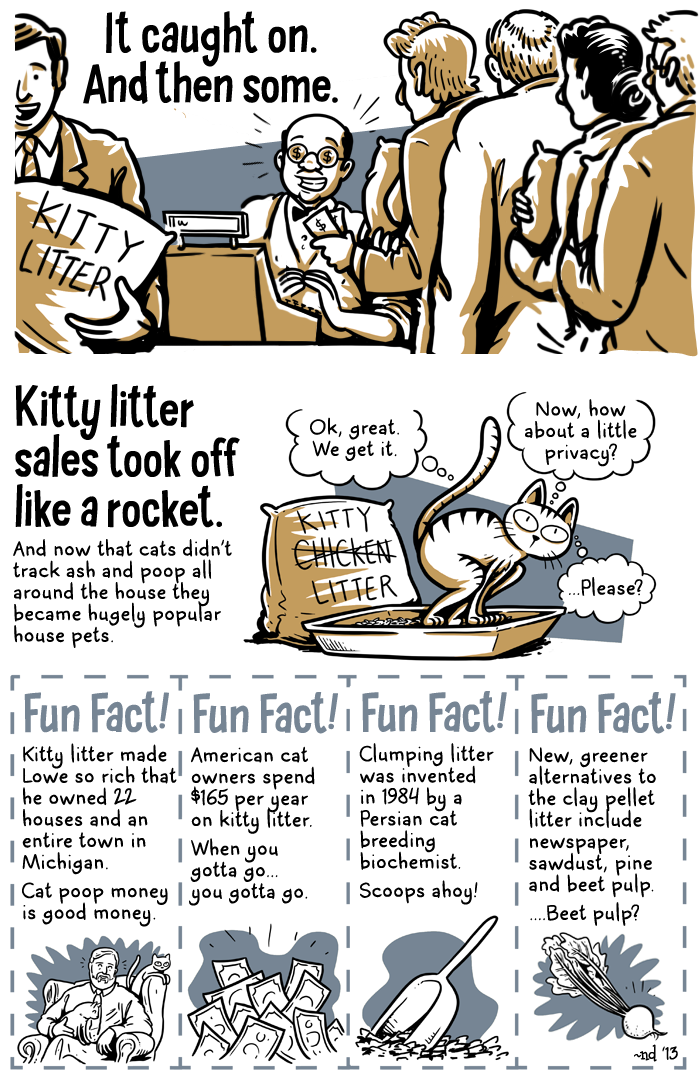
Credit: medium.com
Impact On Pet Care And Hygiene
The invention of cat litter transformed how people care for their cats and maintain hygiene at home. It made handling cat waste cleaner and easier. This simple product changed daily routines for millions of cat owners worldwide.
Cat litter helped keep homes fresher by absorbing odors and moisture quickly. It also reduced the spread of germs from cat waste. These benefits improved the overall environment for both pets and their owners.
Changing Cat Owner Habits
Before cat litter, many owners used outdoor sand or newspapers for cats. This method was messy and less effective at controlling odors. The arrival of cat litter encouraged owners to keep cats indoors more often.
Owners now scoop and clean litter boxes regularly. This habit helps maintain a clean space for cats. It also prevents bad smells and keeps the home more comfortable. Cat litter made indoor cats more common and easier to care for.
Health Benefits For Cats And Owners
Using cat litter reduces bacteria and parasites in the home. This lowers the risk of infections for both cats and people. Clean litter boxes also prevent cats from developing urinary problems.
Regular cleaning helps owners notice health changes in cats early. For example, changes in urine or stool can signal illness. This early detection improves a cat’s chances of recovery.
Overall, cat litter supports a healthier home for cats and their families.
Cat Litter In Popular Culture
Cat litter might seem like a simple household item, but its presence in popular culture reveals much about our evolving relationship with pets. From advertisements to movies, cat litter has played a subtle yet interesting role in shaping how people view pet care. Understanding this cultural footprint can give you new insights into why this invention matters beyond just convenience.
Marketing And Media Influence
Marketing campaigns have done a lot to shape how you see cat litter. Early ads focused on cleanliness and odor control, tapping into common concerns of pet owners. Over time, these messages expanded to highlight eco-friendliness, dust-free formulas, and even luxury options.
Media often portrays cat litter in humorous or relatable ways, making it a familiar part of everyday life. Commercials, sitcoms, and even cartoons show cats using litter boxes, normalizing the product for audiences. This helps you feel more comfortable adopting cats and using litter as a standard pet care practice.
Cultural Perceptions Over Time
Initially, cat litter was seen as a niche product, mostly used by urban pet owners. As it became widely available, attitudes shifted, and using litter boxes became the norm for indoor cats. This change reflects broader trends in pet ownership and urban lifestyles.
Different cultures have varied views on cat hygiene and litter use. In some places, outdoor cats dominate, so litter boxes are less common. Understanding these differences can help you appreciate how your own pet care habits fit into a global context.
Have you ever thought about how your choice of cat litter might reflect your lifestyle or values? Whether you prioritize convenience, environmental impact, or something else, the way you pick litter tells a story about you and your cat.
Credit: www.purina.com
Credit: medium.com
Frequently Asked Questions
When Was Cat Litter First Invented?
Cat litter was first invented in 1947 by Edward Lowe. He created clay-based litter, making cat care cleaner and easier. This invention revolutionized pet hygiene and remains the foundation for most cat litters today.
Who Invented The First Cat Litter?
Edward Lowe invented the first cat litter in 1947. He introduced clay granules that absorbed moisture and controlled odor. His innovation made indoor cat care simple and popular worldwide.
How Did Cat Litter Change Pet Care?
Cat litter changed pet care by providing a hygienic way to manage cat waste indoors. It reduced odor and mess, making cats more suitable for indoor living. This innovation improved cleanliness and convenience for pet owners.
What Materials Were Used In Early Cat Litter?
Early cat litter mainly used clay, specifically fuller’s earth. This material absorbed moisture and controlled odors effectively. Over time, other materials like silica and biodegradable options emerged for better performance.
Conclusion
Cat litter was invented nearly a century ago to help pet owners. Its creation changed how people care for cats indoors. Today’s cat litters come in many types and scents. They keep homes clean and cats happy. Understanding its history shows how simple ideas solve everyday problems.
Next time you scoop the litter box, remember this useful invention’s story. It remains an essential part of cat care worldwide.

Lily Purrington is the founder of MyKittyPicks.com, a cozy corner of the web dedicated to helping cat lovers discover the best cat products, furniture, toys, and home decor ideas.
A lifelong cat enthusiast, Lily shares trusted tips, honest product recommendations, and stylish inspiration designed to keep kitties happy and homes beautiful.
Her mission is simple: to bring together practical advice and purr-fect picks that make life better for cats and the people who love them.


