
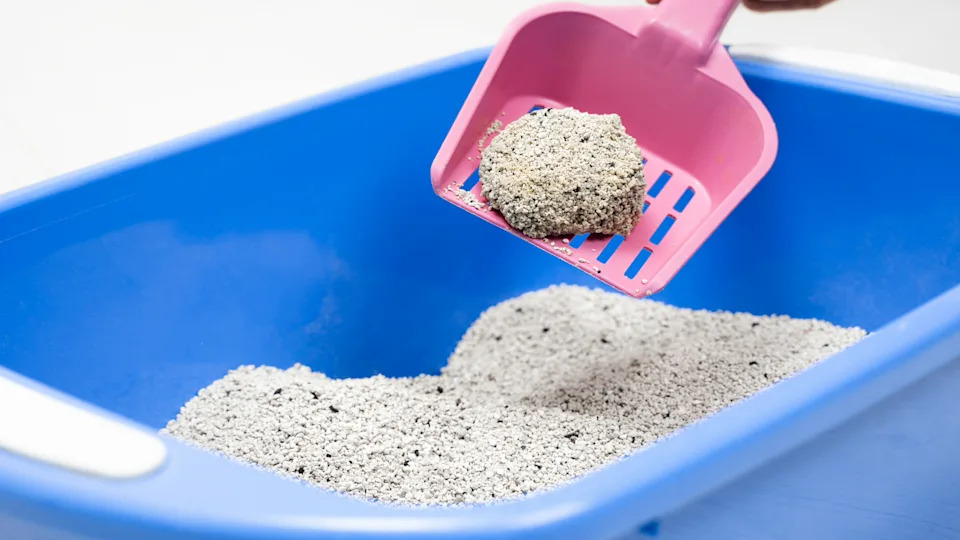
Cleaning your cat’s litter box might not be the most exciting task, but it’s one you can’t skip if you want a fresh-smelling home and a happy pet. Knowing how to scoop cat litter the right way can save you time, reduce odors, and keep your cat comfortable.
If you’ve ever felt unsure about the best techniques or wondered how to make this chore easier, you’re in the right place. Keep reading, and you’ll discover simple tips that make scooping quick, efficient, and even a little satisfying. Your cat—and your nose—will thank you!
Choosing The Right Litter Scoop
Choosing the right litter scoop makes cleaning easier and faster. The right scoop fits your cat’s litter box and your cleaning style. Small details matter. Picking a scoop with the right material, size, and features can save time. It also keeps your hands clean and your cat happy.
Material Options
Plastic scoops are light and easy to handle. They don’t rust or corrode. Metal scoops are strong and last longer. They can break up clumps more easily. Stainless steel scoops resist odor and stains. Choose a material that feels good in your hand. Think about how often you will use it.
Scoop Sizes And Shapes
Small scoops work well for tiny litter boxes. They fit in corners and small spaces. Large scoops clean faster with fewer scoops. Wide scoops hold more litter at once. Some scoops have flat edges to scrape the box. Others have deep bowls to carry clumps. Pick a size and shape that matches your box size and litter type.
Features To Consider
- Slotted design for sifting clean litter from waste.
- Comfortable handle with grip for better control.
- Long handle to keep hands away from litter.
- Easy to clean and dishwasher safe.
- Lightweight for daily use without hand strain.
Focus on features that improve comfort and efficiency. Good design helps you scoop quickly and thoroughly. This keeps the litter box fresh and odor-free.

Credit: www.amazon.com
Best Practices For Scooping
Keeping your cat's litter box clean is important for their health and comfort. Following best practices for scooping helps maintain a fresh environment. It also reduces odors and keeps your home smelling nice. Here are some key tips to scoop effectively and with ease.
When To Scoop Daily
Scoop the litter box at least once a day. This prevents waste buildup and controls smell. Check the box every morning or evening. More frequent scooping may be needed for multiple cats. Clean litter encourages your cat to use the box regularly.
How To Avoid Mess
Use a scoop with slots to let clean litter fall through. Hold the scoop steadily to avoid spilling. Scoop waste over the litter box, not outside it. Use a litter mat to catch stray granules. Clean up spills immediately with a damp cloth. This keeps the area tidy and safe.
Dealing With Clumps
Remove clumps gently but completely. Break apart large clumps if needed for easier removal. Check for hidden clumps beneath the top layer. Scoop clumps into a sealed bag to contain odor. Replace litter regularly to prevent clumps from sticking. Fresh litter helps clump properly and keeps the box clean.
Maintaining The Litter Box
Scoop the litter box daily to keep it clean and fresh for your cat. Remove clumps and waste carefully to prevent odors and mess. Use a sturdy scoop and sift through the litter gently for best results.
Maintaining the litter box is essential for your cat’s health and happiness. A clean litter box keeps your home fresh and inviting. Regular maintenance prevents unpleasant odors and keeps your cat comfortable.Regular Cleaning Tips
Regular cleaning of the litter box is crucial. Scoop out waste daily to keep the box clean. Use a sturdy scoop to remove clumps and solids. This prevents bacteria buildup and keeps your cat healthy. Dispose of the waste in a trash bag and tie it securely. Wash your hands thoroughly afterwards to maintain hygiene.Replacing Litter
Replace the entire litter every few weeks. Empty the box completely and wash it with mild soap and water. Rinse thoroughly and dry before adding new litter. This prevents residue buildup and ensures a fresh start. Use a litter that your cat prefers for best results. Fill the box to about 3 inches deep for comfort and ease of scooping.Preventing Odors
Preventing odors involves regular cleaning and litter choice. Use baking soda in the litter to neutralize smells. Choose a litter with odor control properties. Ensure the litter box is in a well-ventilated area. Keep the box away from food and water dishes. A clean, odor-free box encourages consistent use by your cat.
Credit: www.amazon.com
Tools And Accessories To Improve Scooping
Cleaning your cat’s litter box can be easier and cleaner with the right tools. Using smart accessories helps keep the area tidy and reduces odors. It also makes daily scooping faster and less messy. Here are some helpful tools that improve the scooping process.
Litter Mats
Litter mats catch loose litter from your cat’s paws. They stop litter from spreading all over the floor. Choose mats with deep grooves or soft texture to trap more litter. Place the mat right outside the litter box for best results. This keeps your home cleaner and saves time cleaning up.
Disposable Bags
Disposable bags make removing waste simple and hygienic. Use bags designed for cat litter to hold clumps securely. They help prevent smells from spreading and keep your hands clean. Some bags come with ties or handles for easy sealing. Always keep extra bags near the litter box for quick use.
Air Purifiers
Air purifiers reduce odors and improve air quality near the litter box. Choose a purifier with a HEPA filter for best results. These devices trap dust, allergens, and bad smells. Place the air purifier close to the litter box but out of your cat’s reach. Fresh air makes your home more comfortable for everyone.
Common Mistakes To Avoid
Cleaning your cat’s litter box is simple but can go wrong easily. Avoiding common mistakes helps keep the box fresh and your cat happy. These errors may cause bad smells or mess. Learning what to avoid will save time and effort.
Over-scooping
Removing too much litter wastes material and can make the box shallow. Cats need enough clean litter to dig and cover. Scoop only clumps and waste. Leave some clean litter so your cat feels comfortable.
Using The Wrong Scoop
Using a scoop with too big or small holes can cause problems. Big holes let clean litter fall through. Small holes make scooping slow and hard. Choose a scoop with medium-sized holes for easy and quick cleaning.
Ignoring Litter Depth
Not keeping the right litter depth affects your cat’s habit. Too little litter leads to bad smells and spills. Too much litter makes scooping harder. Keep litter about 2 to 3 inches deep for the best results.

Credit: www.amazon.com
Tips For Multiple Cats
Managing cat litter for multiple cats requires extra care and attention. Each cat uses the litter box differently. Keeping the litter clean and odor-free helps maintain a happy home. These tips help keep litter boxes fresh and comfortable for all your cats.
Scooping Frequency
Scoop the litter box at least twice a day. More cats mean more waste to remove. Frequent scooping stops odors and keeps cats using the box. Check boxes often and scoop clumps and waste promptly.
Litter Box Placement
Place litter boxes in quiet, private spots. Avoid noisy or busy areas to reduce cat stress. Provide one box per cat plus one extra. Spread boxes across different rooms if possible. This prevents crowding and fights over boxes.
Managing Larger Volumes
Use larger or deeper litter boxes to hold more litter. This reduces the need for constant refilling. Choose clumping litter for easy waste removal. Change the litter completely every week to keep it fresh. Clean the boxes with mild soap and water before refilling.
Frequently Asked Questions
How Often Should I Scoop Cat Litter Daily?
Scoop cat litter at least once a day. Daily scooping keeps the litter box clean and odor-free. It also promotes your cat’s health and comfort. Frequent cleaning reduces bacterial growth and discourages litter box avoidance.
What Tools Do I Need To Scoop Cat Litter?
Use a sturdy, slotted litter scoop for effective cleaning. A scoop with wide slots helps remove clumps while leaving clean litter behind. Consider a scoop with a comfortable handle to ease the task. Disposable gloves can also improve hygiene.
How Do I Dispose Of Scooped Cat Litter Properly?
Place scooped litter into a sealed bag before trash disposal. Avoid flushing litter down the toilet to prevent plumbing issues. Use biodegradable bags if possible for eco-friendly disposal. Regularly empty the trash to prevent odor buildup.
Can I Scoop Clumps Without Changing All Litter?
Yes, scoop clumps daily and add fresh litter as needed. Partial litter changes maintain cleanliness while conserving litter material. Completely change litter and clean the box every 1-2 weeks for hygiene. This balances cost and cleanliness effectively.
Conclusion
Scooping cat litter keeps your home clean and your cat happy. Do it often to avoid bad smells. Use a good scoop and check the litter daily. Dispose of waste properly to stay hygienic. A clean litter box helps prevent health problems for your cat.
Small effort, big difference. Simple steps make the task easy and quick. Your cat will thank you with comfort and good health. Keep these tips in mind for a fresh, tidy space.

Lily Purrington is the founder of MyKittyPicks.com, a cozy corner of the web dedicated to helping cat lovers discover the best cat products, furniture, toys, and home decor ideas.
A lifelong cat enthusiast, Lily shares trusted tips, honest product recommendations, and stylish inspiration designed to keep kitties happy and homes beautiful.
Her mission is simple: to bring together practical advice and purr-fect picks that make life better for cats and the people who love them.


