
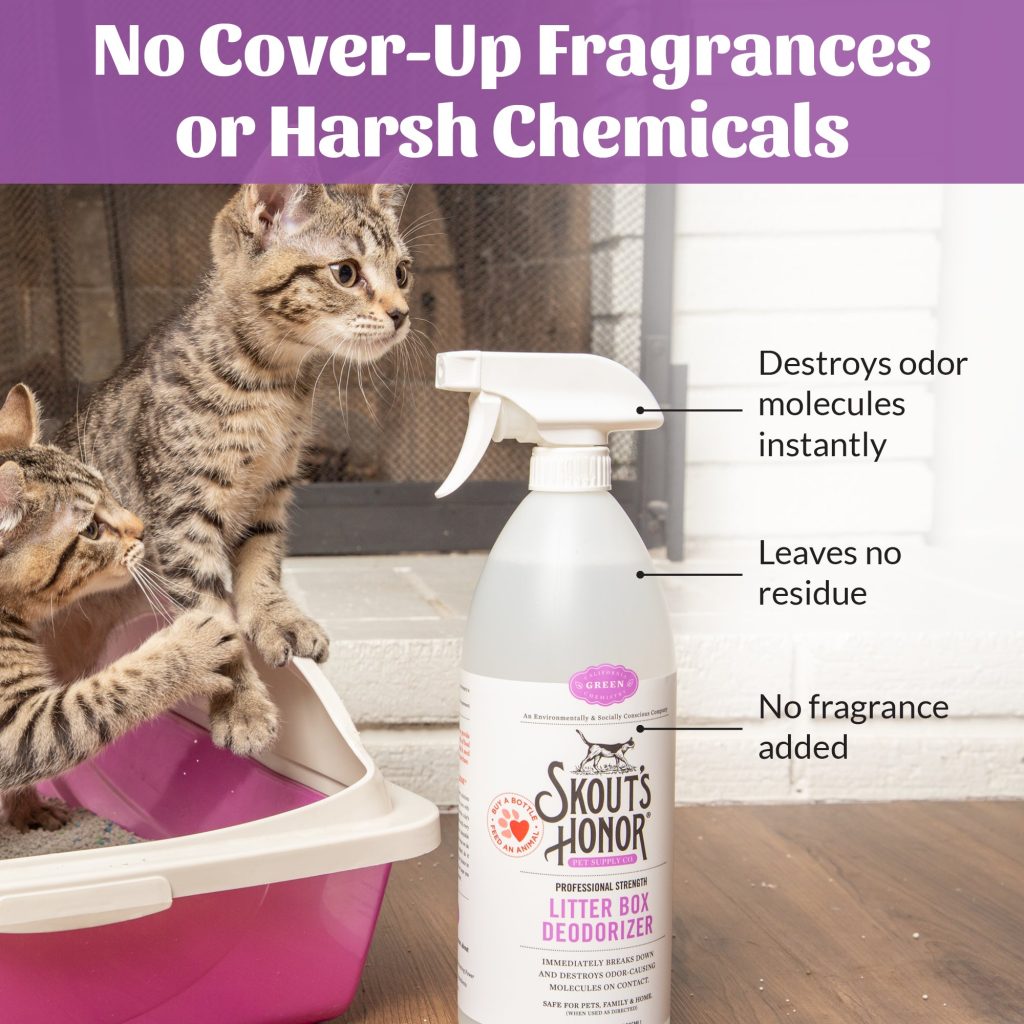
If you have a cat, you know that dealing with litter box odors can be a real challenge. The smell can quickly take over your home, making it uncomfortable for you and your guests.
But what if you could keep your cat’s litter fresh and odor-free without constant cleaning? You’ll discover simple and effective ways to deodorize cat litter that actually work. By the time you finish reading, you’ll have easy tips to keep your home smelling clean and your cat happy.
Ready to say goodbye to unpleasant odors for good? Let’s get started!
Causes Of Litter Box Odors
Understanding what causes litter box odors can help you tackle the problem more effectively. Odors don’t just appear out of nowhere; they come from specific sources related to your cat’s habits and the condition of the litter box. Knowing these causes lets you take the right steps to keep your home smelling fresh and your cat happy.
Common Smelly Sources
Urine is the main culprit behind litter box smells. When urine sits too long, it breaks down and releases strong ammonia-like odors.
Feces also contribute to the smell, especially if not scooped out promptly. The bacteria in cat poop produces sulfur compounds that create unpleasant scents.
Sometimes, the type of litter you use can trap or release odors differently. Clumping litters might hold smells better than non-clumping ones, but some cheaper brands lack odor control additives.
Impact Of Poor Cleaning Habits
Not cleaning the litter box regularly is a big reason for bad odors. Even if you scoop daily, the box itself needs washing every week to remove residue.
Failing to replace litter completely can cause smells to build up over time. Old litter clumps and waste can hide deep smells that scooping alone won’t fix.
Have you ever left a full litter box for a few days and noticed how quickly the smell spreads? This happens because bacteria multiply rapidly in dirty litter. Your cleaning routine directly affects how bad the odor gets.
Credit: www.petland.ca
Choosing The Right Cat Litter
Choosing the right cat litter is the first step toward keeping your home fresh and your cat happy. Not all litters control odors equally, so understanding the differences can save you from constant cleaning headaches. Let’s break down what to look for and how it impacts deodorizing.
Clumping Vs Non-clumping
Clumping litter forms solid clumps when wet, making it easier to scoop out waste quickly. This helps contain odors better because you remove the source before it spreads. Non-clumping litter absorbs moisture but doesn’t form clumps, so you might need to change it more often to prevent smells.
If you’ve ever scooped clumps and noticed how much fresher the box smells afterward, you know why many cat owners prefer clumping. However, some cats prefer the texture of non-clumping litter, so consider your cat’s comfort too.
Natural Odor Absorbers
Look for litters that include natural odor absorbers like baking soda, activated charcoal, or zeolite. These ingredients trap odors instead of just masking them with fragrances. This is especially helpful if you want to avoid artificial scents that might irritate your cat.
Adding a sprinkle of baking soda under the litter can boost odor control without adding chemicals. Have you noticed how some litters stay fresher longer just because of their natural ingredients? That’s no accident—it’s science helping you breathe easier.
Daily Cleaning Techniques
Daily cleaning techniques are essential to keep your cat's litter box smelling fresh and inviting. Regular maintenance not only minimizes odors but also ensures a hygienic environment for your feline friend. By adopting consistent cleaning habits, you can make the litter box experience pleasant for both you and your pet.
Scooping Frequency
Scooping the litter box at least once a day is crucial. This prevents odors from becoming overpowering and keeps the box appealing for your cat. If you have multiple cats, consider increasing the frequency to twice a day to manage the extra waste.
Have you ever noticed how cats sometimes refuse to use a dirty litter box? Regular scooping ensures they have a clean space to do their business, which can prevent accidents elsewhere in your home. Plus, it helps you monitor your cat’s health by noticing any changes in their waste.
Proper Disposal Methods
After scooping, proper disposal of the waste is key to managing odors. Use a trash bag or a designated waste bin with a tight lid to contain the smell. Some pet owners find that using biodegradable bags helps in reducing waste and is more environmentally friendly.
Consider setting up a small trash can with a lid near the litter box for easy access. This simple addition can make your daily routine smoother and prevent any lingering smells. Always remember to tie the bag securely before disposing of it to keep your space odor-free.
Deodorizing Additives And Products
Keeping your cat’s litter box smelling fresh can feel like a constant challenge. Deodorizing additives and products offer practical ways to tackle odor without stressing your furry friend. These options range from simple household items to specially designed commercial solutions that fit various preferences and budgets.
Baking Soda Benefits
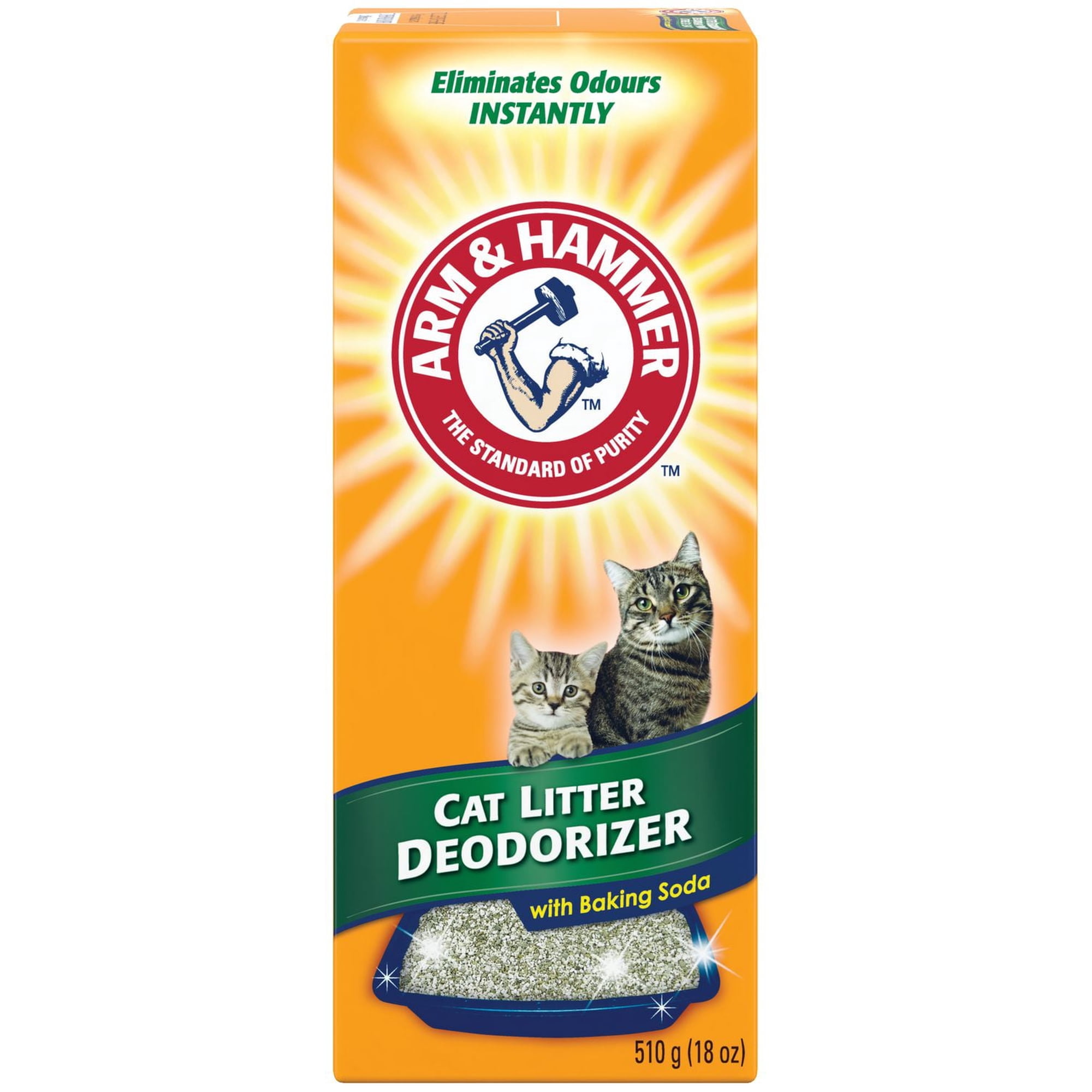
Baking soda is a powerful and affordable deodorizer that many cat owners swear by. It works by neutralizing acids and bases, which helps to eliminate unpleasant smells instead of just masking them. You can sprinkle a thin layer of baking soda at the bottom of the litter box before adding litter to absorb odors effectively.
One tip is to avoid using too much baking soda, as it can create dust that might irritate your cat’s respiratory system. Have you noticed how a small sprinkle keeps the smell down without bothering your cat? It’s a simple, natural solution that fits seamlessly into your cleaning routine.
Commercial Deodorizers
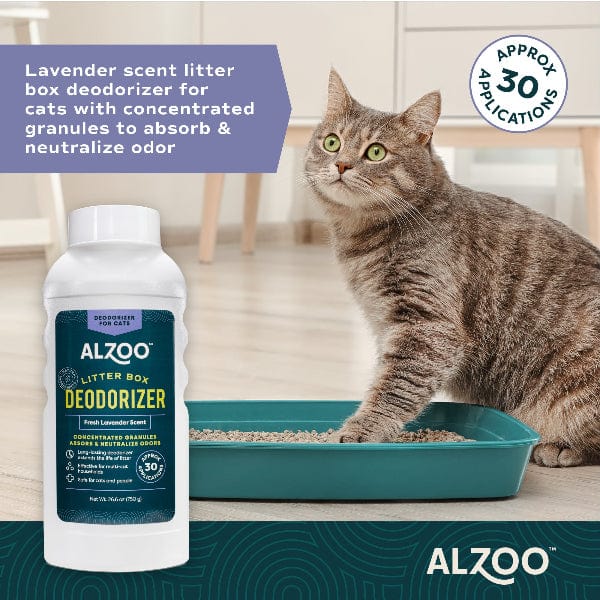
Commercial deodorizers come in various forms, including powders, sprays, and crystals. These products often contain enzymes or activated charcoal that break down odor-causing molecules. You can add them directly to the litter or spray them on top for instant freshness.
Many brands offer unscented options, which is great if your cat is sensitive to fragrances. When choosing a commercial deodorizer, check the label for safe, non-toxic ingredients to protect your pet’s health. Do you prefer a quick spray or a long-lasting powder? Your choice can depend on how often you clean the box and your cat’s preferences.
Litter Box Maintenance Tips
Keeping your cat’s litter box fresh goes beyond just scooping daily. Proper maintenance plays a crucial role in deodorizing and reducing unpleasant smells. Let’s look at some practical tips that can make a big difference in how clean and odor-free your litter box stays.
Regular Washing
Have you ever noticed how a litter box starts to smell even after scooping? That’s because residue builds up over time. Washing the litter box with warm water and mild soap once a week helps eliminate bacteria and odors.
Avoid harsh chemicals that might irritate your cat’s paws or nose. Instead, use a gentle cleaner like vinegar diluted with water. Rinse well and dry completely before adding fresh litter to keep your cat comfortable and odor at bay.
Liner And Mat Use
Using a liner can make cleaning easier and protect the box from stains. However, some cats dislike liners, so watch your cat’s reaction closely. If your cat accepts it, liners help prevent urine from soaking into the box, reducing lingering smells.
Adding a litter mat outside the box catches stray litter and keeps the area tidy. It also stops litter particles from spreading around your home, which can contribute to unwanted odors. Have you tried different types of mats to find one that fits your space and your cat’s habits?
Ventilation And Placement
Proper ventilation and strategic placement of your cat’s litter box play a crucial role in keeping odors under control. Even the best litter can struggle with smell if the air around the box is stagnant or if the location traps odors. Paying attention to where and how you position the litter box can make a noticeable difference in freshness.
Ideal Location Choices
Choose a spot that’s away from your cat’s food and water dishes to avoid mixing smells. A quiet, low-traffic area helps your cat feel comfortable and reduces the spread of odor in busy parts of your home.
Think about places near a window or a door that opens frequently. These areas naturally encourage air movement, which prevents odors from settling. Avoid small, enclosed spaces like closets or tight corners where air barely circulates.
Have you noticed how certain rooms just feel stuffy? That’s a sign you might want to reconsider placing the litter box there. A well-chosen location makes your cat’s bathroom breaks more pleasant for everyone.
Improving Airflow
Good airflow is essential for deodorizing cat litter. Use fans or open windows when possible to keep fresh air moving around the litter box. Even a small desk fan aimed near the box can help push odors away.
If you keep the box in a basement or bathroom, consider installing a vent or using an exhaust fan. These tools actively remove stale air and prevent smells from building up.
Try placing a small air purifier nearby. It can capture particles that carry odor and improve overall air quality. Have you tried adjusting airflow in your space? You might find it surprisingly effective in controlling litter box smells.
Alternative Litter Options
Alternative litter options can help reduce odors and keep your home smelling fresh. Choosing the right litter affects how well it controls smell and absorbs moisture. Some materials naturally fight odors better than traditional clay litter. These options can be gentle on your cat’s paws and eco-friendly too.
Silica Gel Crystals
Silica gel crystals trap moisture and odors effectively. They have a unique structure that absorbs liquids quickly. This keeps the litter box dry and odor-free for longer. The crystals change color when full, showing when to replace the litter. Silica litter produces less dust, which is better for cats and humans. It also lasts longer than some other types, saving money over time.
Plant-based Litters
Plant-based litters come from natural materials like corn, wheat, or pine. They break down easily in the environment and are biodegradable. These litters often control odors through natural scents or absorbent fibers. They tend to be lightweight and low in dust. Some plant litters clump well, making cleaning simpler. Their natural ingredients can be safer for cats with allergies or sensitivities.
Credit: www.walmart.ca

Credit: www.walmart.ca
Frequently Asked Questions
How Can I Naturally Deodorize Cat Litter?
You can naturally deodorize cat litter by adding baking soda. Sprinkle a thin layer under the litter. It absorbs odors and moisture, keeping the box fresh longer. Regular cleaning also helps maintain a pleasant smell.
What Are The Best Products To Deodorize Cat Litter?
Activated charcoal, baking soda, and cat litter deodorizers work best. These products absorb moisture and neutralize odors effectively. Always choose products safe for cats to avoid health risks.
How Often Should I Change Cat Litter To Reduce Odor?
Change clumping litter every 1-2 weeks and scoop daily. Non-clumping litter may require a full change weekly. Regular scooping and cleaning prevent odor buildup and keep your home fresh.
Can Scented Cat Litter Help With Odor Control?
Scented cat litter masks odors temporarily but may irritate sensitive cats. Unscented or naturally deodorizing litters are better for long-term odor control and cat comfort.
Conclusion
Deodorizing cat litter keeps your home fresh and clean. Regular cleaning helps stop bad smells quickly. Using baking soda or special sprays works well. Changing litter often keeps odors from building up. Good airflow around the litter box also helps.
A fresh-smelling home makes everyone happier. Try these simple steps to enjoy a clean space. Your cat will like it too. Easy habits make a big difference every day.

Lily Purrington is the founder of MyKittyPicks.com, a cozy corner of the web dedicated to helping cat lovers discover the best cat products, furniture, toys, and home decor ideas.
A lifelong cat enthusiast, Lily shares trusted tips, honest product recommendations, and stylish inspiration designed to keep kitties happy and homes beautiful.
Her mission is simple: to bring together practical advice and purr-fect picks that make life better for cats and the people who love them.


