

Are you constantly awakened by the sound of your cat scratching at your bedroom door? You’re not alone.
Many cat owners face this puzzling behavior, and it can be both frustrating and intriguing. Understanding why your feline friend insists on clawing at doors can help you better address their needs and ensure a more harmonious living environment. We’ll explore the hidden reasons behind your cat’s door-scratching habit and offer practical solutions to keep both you and your pet happy.
Read on to discover how you can turn those restless nights into peaceful slumbers.

Credit: moderncat.com
Common Reasons Cats Scratch Doors
Understanding why your cat scratches at the door can help you respond in a way that respects their needs and keeps your home intact. Cats use scratching to communicate and satisfy their instincts, so this behavior has clear reasons behind it. Let’s look at the common causes behind this persistent door-scratching habit.
Seeking Attention
Sometimes, your cat scratches the door simply to get your attention. If you’ve ever ignored your cat’s meows only to hear scratching moments later, you know this can be a more effective way to make you notice them.
Cats quickly learn that scratching can prompt you to open the door or interact with them. If you respond by opening the door or giving affection, they may keep using this method to get your focus. Have you noticed if your cat scratches more when you’re busy or distracted?
Marking Territory
Scratching isn’t just about making noise—it’s also a way cats mark their territory. Their paws have scent glands that leave a unique smell behind when they scratch, signaling to other animals that this space belongs to them.
If your cat scratches at a door leading to their favorite room or a place they want to claim, it’s their way of saying, “This is mine.” This behavior can increase if there are other pets or new people in the house. Think about where your cat scratches most—could it be an area they feel the need to protect?
Hunting Instincts
Doors often separate cats from the world outside or other pets that spark their curiosity. Scratching can be an outlet for their natural hunting instincts, especially if they hear or see something on the other side.
Your cat might be trying to “catch” something they sense but can’t reach. This instinctive behavior helps them stay alert and engaged with their environment. Have you observed your cat’s reaction when they hear noises behind a door? It might explain a lot about their scratching.
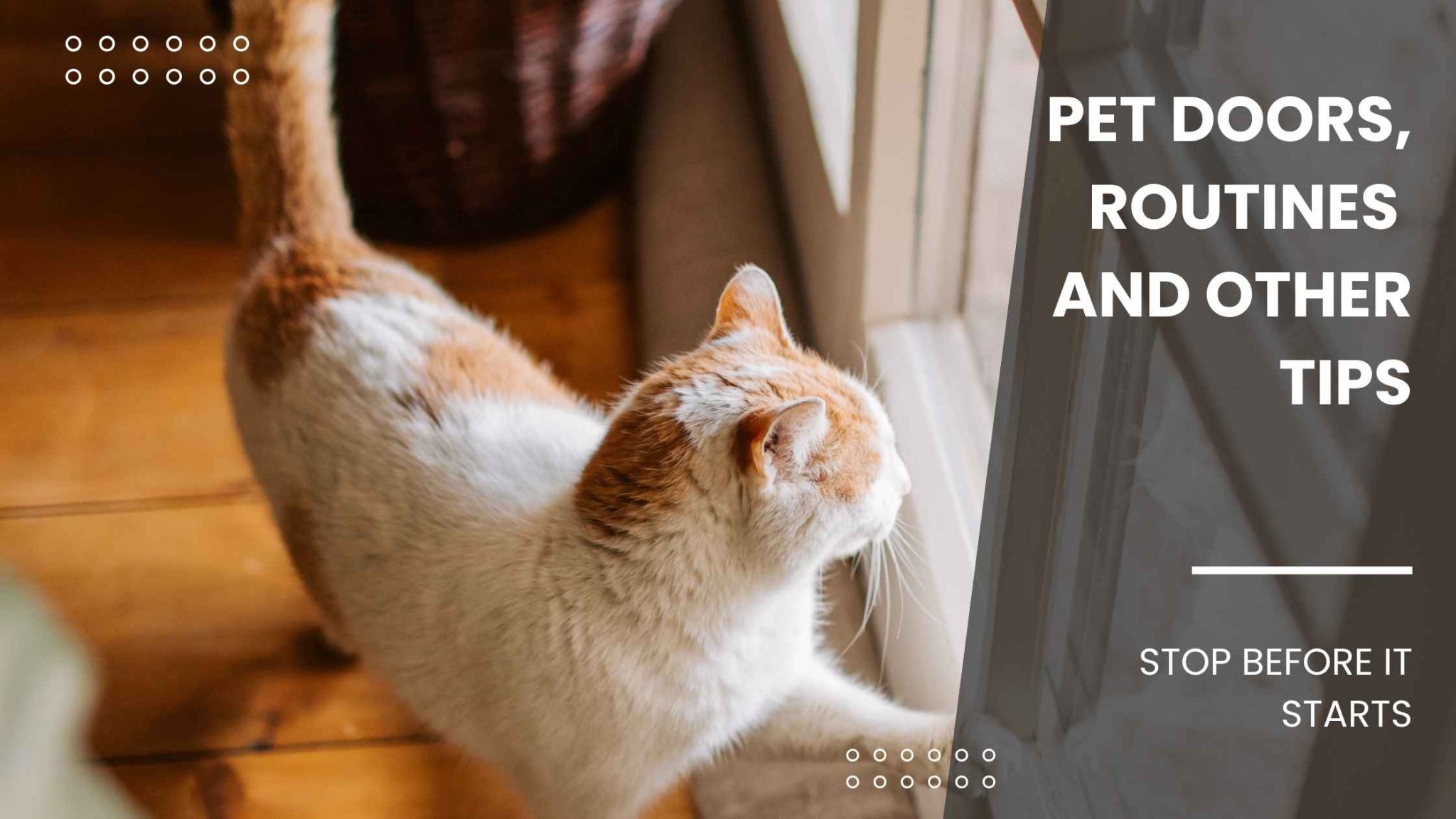
Credit: www.vibrantdoors.co.uk
Emotional Triggers Behind Scratching
Cats use scratching to express their feelings. Emotional triggers often cause this behavior. Understanding these feelings helps you respond better. Two common emotional reasons are anxiety and boredom.
Anxiety And Stress
Scratching at the door can show a cat’s anxiety. Cats may feel nervous if left alone. Changes in the home, loud noises, or new people can cause stress. Scratching helps them release tension. It also marks their territory to feel safer.
Boredom And Frustration
Cats need mental and physical activity. Without it, they get bored and frustrated. Scratching the door may be a way to get attention. It can also signal their need to explore outside or play. Providing toys and interaction reduces this behavior.
Environmental Factors Influencing Behavior
Environmental factors play a big role in why your cat might be scratching at the door. These factors shape their daily experience and can trigger this behavior as a way to communicate or cope. Understanding what’s happening around your cat helps you respond better and create a calmer space for them.
Changes In Routine
Cats thrive on consistency. When their usual schedule is disrupted—like you coming home later than normal or rearranging furniture—they can feel unsettled. This uncertainty often makes them scratch at doors to seek reassurance or try to control their environment.
Think about a time you changed your daily routine suddenly. Didn’t you feel a bit anxious or out of place? Your cat feels this too, but scratching is their way of telling you, “Something’s different, and I don’t like it.”
Presence Of Other Pets
If you bring a new pet into your home, your cat might start scratching doors more often. This behavior can signal stress, jealousy, or a desire to keep certain areas private. Cats use scratching as a way to mark territory and manage their social space.
Have you noticed your cat scratching more after a new dog or cat arrives? This is their way of coping with the new dynamic. To help, give your cat quiet zones where they can feel safe and reduce confrontations between pets.
Physical Needs Expressed Through Scratching
Cats use scratching to meet important physical needs. This behavior helps them stay healthy and active. Scratching at doors is one way cats express these needs.
It lets them stretch muscles and keep claws sharp. Understanding these reasons helps owners support their cats better.
Exercise And Stretching
Scratching allows cats to stretch muscles in their paws and legs. It helps them stay flexible and strong. Stretching also relieves tension after resting or sleeping.
Scratching at doors gives cats a solid surface to push against. This action engages muscles they often use in hunting or climbing. It keeps their bodies fit and ready for movement.
Claw Maintenance
Scratching removes old layers from a cat’s claws. It reveals sharp, healthy new claws underneath. This keeps their claws effective for climbing and defense.
Doors and other vertical surfaces provide ideal spots for claw sharpening. Cats prefer these because they offer resistance needed to clean claws properly. Without scratching, claws can become dull or overgrown.
How To Manage And Redirect Scratching
Managing and redirecting your cat’s scratching behavior is essential to protect your home and keep your feline friend happy. Understanding how to guide your cat’s natural instincts into more appropriate actions can make a big difference. Let’s look at practical ways you can handle this challenge effectively.
Providing Alternatives
Your cat needs a safe and attractive place to scratch. Offering scratching posts or pads close to the door they target can help redirect the behavior. Make sure these alternatives are sturdy, tall enough for a full stretch, and covered with materials cats love, such as sisal or cardboard.
Place these alternatives in spots your cat frequents and near the door they scratch. You might also try moving a piece of their favorite blanket or a toy to the new scratching spot to encourage use. Have you noticed your cat prefers vertical or horizontal surfaces for scratching? Matching their preference is key.
Using Deterrents
Deterrents can discourage your cat from scratching unwanted areas without causing harm. Double-sided tape on the door frame or a pet-safe spray with an unpleasant scent can be effective. Cats dislike sticky or rough textures on their paws, so these simple barriers can prevent scratching.
Another option is to install a plastic or vinyl protector over the door area. This creates a smooth surface that’s hard to grip. Have you tried combining deterrents with providing alternatives? The contrast can help your cat learn which spots are off-limits and which are okay.
Positive Reinforcement Techniques
Reward your cat when they use the scratching posts or pads. Use treats, praise, or playtime immediately after they scratch the right spot. Positive reinforcement makes the behavior more appealing and encourages repetition.
Consistency is crucial. Catch your cat in the act and gently redirect them to the alternative scratching area. Ignoring unwanted scratching while rewarding good behavior teaches your cat what you expect. How often do you take time to engage with your cat during these moments? Interaction boosts their willingness to learn.
When To Consult A Veterinarian
Not all door scratching by cats is normal. Sometimes, it signals a health problem or emotional stress. Knowing when to consult a veterinarian helps protect your cat’s well-being. Early action can prevent serious issues and improve your cat’s comfort.
Signs Of Medical Issues
Check for unusual behaviors alongside door scratching. Watch for these signs:
- Excessive licking or biting at paws or skin
- Visible wounds or swelling near claws or paws
- Changes in appetite or drinking habits
- Sudden aggression or hiding
- Limping or difficulty walking
- Frequent vocalizing or signs of pain
These symptoms might indicate infections, allergies, or injuries. A vet can diagnose and treat these problems quickly.
Behavioral Therapy Options
Sometimes scratching means anxiety or boredom. Behavioral therapy can help ease stress and teach new habits. Techniques include:
- Environmental enrichment like toys and climbing posts
- Interactive play to reduce energy and frustration
- Positive reinforcement for calm behavior
- Using pheromone diffusers to create a soothing space
- Training sessions to redirect scratching to approved areas
Veterinarians or animal behaviorists guide owners through these therapies. They tailor plans to each cat’s needs and personality.

Credit: www.reddit.com
Frequently Asked Questions
Why Do Cats Scratch Doors Frequently?
Cats scratch doors to mark territory and communicate. Their paws release scent and visual marks. It also helps them stretch muscles and relieve stress.
Can Scratching Doors Indicate Cat Anxiety?
Yes, scratching doors can signal anxiety or boredom. Cats may feel lonely or want attention. Providing toys and interaction can reduce this behavior.
How To Stop Cats From Scratching Doors?
Use deterrents like double-sided tape or sprays. Provide scratching posts and reward good behavior. Regular nail trimming also helps minimize damage.
Do Cats Scratch Doors To Ask For Entry?
Often, yes. Cats scratch doors to request access inside or outside. It’s their way to communicate needs politely and persistently.
Conclusion
Cats scratch doors to get attention or express feelings. They may want to go outside or greet you. Sometimes, scratching helps them stretch their muscles. Understanding your cat’s behavior builds a stronger bond. Try to provide toys or scratching posts nearby.
This keeps your cat happy and saves your doors. Watch your cat closely to learn their needs. Small actions can improve life for both of you. Caring for your cat means knowing why they act this way. Keep your home peaceful and your cat content.

Lily Purrington is the founder of MyKittyPicks.com, a cozy corner of the web dedicated to helping cat lovers discover the best cat products, furniture, toys, and home decor ideas.
A lifelong cat enthusiast, Lily shares trusted tips, honest product recommendations, and stylish inspiration designed to keep kitties happy and homes beautiful.
Her mission is simple: to bring together practical advice and purr-fect picks that make life better for cats and the people who love them.


