
Getting a urine sample from your cat can feel tricky and even a little stressful. But if your vet needs one, it’s important to know how to do it right.
You might wonder, “Is it even possible to collect a sample without upsetting my cat? ” The good news is, with the right tips and a bit of patience, you can make the process easier for both you and your furry friend.
Keep reading to discover simple, practical steps that will help you get a clean urine sample without hassle. Your cat’s health could depend on it!

Credit: www.amazon.ca
Why Collect Cat Urine
Collecting a urine sample from a cat helps understand their health better. Cats cannot tell us when they feel unwell. Urine tests provide clues about their body’s condition. Vets use these samples to spot problems early. Early detection can prevent serious diseases.
Common Health Issues
Urine tests detect many health problems in cats. These include:
- Urinary tract infections
- Kidney disease
- Bladder stones
- Diabetes
- Dehydration
Symptoms like frequent urination or blood in urine may signal illness. Testing urine helps find the cause quickly.
Diagnostic Benefits
Urine samples give vets detailed information. They show:
- Levels of proteins and glucose
- Presence of bacteria or crystals
- Signs of inflammation or infection
- Kidney function status
This data guides treatment decisions and tracks recovery progress. Collecting urine is a simple step with big health benefits.
Credit: wamiz.co.uk
Preparing For Collection
Preparing to collect a urine sample from your cat needs care and patience. Proper preparation helps reduce stress for your pet. It also makes the collection process smoother. Understanding what to do before you start is important for success.
Gathering Supplies
Gather all needed items before you begin. This saves time and avoids rushing.
- Clean, shallow container or special cat litter tray
- Sterile syringe or pipette for collecting urine
- Disposable gloves
- Plastic bags or sealed containers for sample storage
- Paper towels for cleaning spills
- Labels and pen to mark the sample
Have everything ready in one place. Use clean tools to avoid contamination.
Creating A Calm Environment
Choose a quiet, familiar room for the collection. Avoid loud noises and sudden movements.
Let your cat explore the area first. Keep the lighting soft and natural.
Speak softly to soothe your cat. Patience is key during this process.
Try to collect the sample when your cat is relaxed. Early morning or after rest times often work best.
Methods To Collect Urine
Collecting a urine sample from a cat can be a tricky task. But it is essential for diagnosing health issues. There are several methods to collect urine from your feline friend. Each method has its advantages and considerations. The right choice depends on your cat’s temperament and your convenience.
Using Non-absorbent Litter
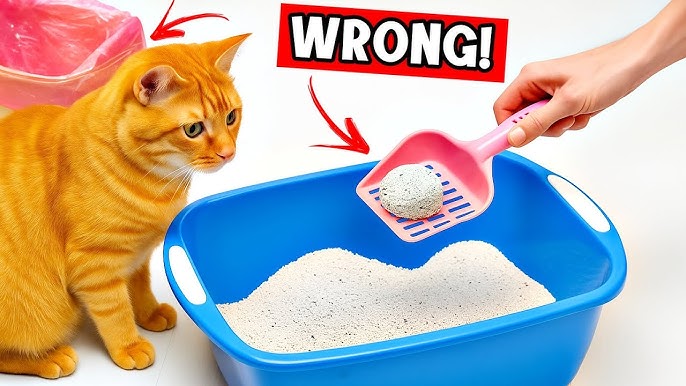
Non-absorbent litter is a simple option. Replace regular litter with a non-absorbent type. These granules mimic the feel of normal litter. But they do not soak up urine. Once your cat uses the box, the urine pools at the bottom. Use a clean syringe or pipette to collect the sample. Ensure the litter box is clean before starting.
Cat Urine Catcher Devices
Cat urine catcher devices are handy tools. These devices fit into the litter box. They are designed to direct urine into a collection container. They keep the sample clean and uncontaminated. Follow the manufacturer’s instructions for best results. These devices are reusable and easy to clean.
Direct Catching Techniques
Direct catching involves catching the urine midstream. This method requires patience and timing. Use a clean container or ladle to catch the urine. Carefully position it under the cat when they begin to urinate. This method may be stressful for both you and the cat. It is crucial to remain calm and gentle.
Tips For Success
Collecting a urine sample from a cat can feel tricky, but the right approach makes all the difference. Success comes down to a few key factors that help you get a clean sample without stressing your cat or yourself. Let’s dive into practical tips that will improve your chances and keep the process smooth.
Timing And Patience
Patience is your best tool. Cats don’t like being rushed, especially when it involves their litter box. Watch your cat’s routine closely; they often have specific times when they prefer to urinate.
Try placing a clean, non-absorbent surface, like a plastic litter box with no litter or a shallow tray, during these times. This gives you a better chance to catch the urine as it happens. Don’t force your cat—wait calmly and be ready to act quickly.
Have you noticed your cat’s bathroom habits? Identifying their patterns can save you time and frustration.
Avoiding Contamination
A contaminated sample can lead to inaccurate test results. To avoid this, use sterile containers provided by your vet or clean containers that haven’t been used for food or other substances.
Empty the litter box fully before placing the special setup to prevent mixing the urine with old waste. Also, avoid using clumping or scented litter during sample collection, as these can interfere with the urine’s purity.
Remember, even small dirt or feces particles can ruin the sample. If your cat is a messy user, try using a fine mesh or nylon stocking stretched over the litter box to catch the urine while filtering out debris.
When To Seek Vet Help
Knowing when to seek vet help for a cat's urine sample is important. Cats often hide signs of illness. Quick action can prevent serious health problems.
Signs Of Urinary Problems
Watch for these signs that show possible urinary issues:
- Frequent attempts to urinate with little output
- Straining or crying while urinating
- Blood in the urine or cloudy urine
- Urine smell stronger than usual
- Accidents outside the litter box
- Licking the genital area more than usual
- Changes in behavior such as hiding or irritability
- Loss of appetite or vomiting
These symptoms need a vet’s attention quickly. Delayed care may worsen the condition.
Professional Collection Options
Collecting a urine sample from a cat can be tricky. Vets offer safe and clean methods:
- Cystocentesis: A sterile needle collects urine directly from the bladder.
- Catheterization: A thin tube inserted into the urethra to collect urine.
- Free catch: Collecting urine midstream during natural urination, less sterile but simpler.
Professional collection reduces contamination. It ensures accurate test results.
Trust your vet to decide the best method for your cat’s health.

Credit: www.embracepetinsurance.com
Frequently Asked Questions
How Can I Collect A Urine Sample From My Cat At Home?
Use a clean, non-absorbent litter like corn or pea litter. Place it in your cat’s litter box. When your cat urinates, scoop the sample with a clean syringe or container quickly to avoid contamination.
Why Is A Urine Sample Important For My Cat’s Health?
A urine sample helps diagnose infections, kidney problems, or diabetes. It provides essential information about your cat’s urinary tract and overall health, aiding in early treatment.
What Tools Do I Need To Collect A Cat Urine Sample?
You need a non-absorbent litter, a clean container or syringe, and gloves. These help collect a sterile urine sample without harming your cat or contaminating the sample.
How Long Can I Store A Cat Urine Sample Before Testing?
Store the urine sample in a sealed container in the fridge. Use it within 24 hours to ensure accurate test results and prevent bacterial growth.
Conclusion
Getting a urine sample from a cat takes patience and care. Use clean tools and a quiet space. Gently collect the urine without stressing your pet. Always follow your vet’s advice for the best results. This helps your cat stay healthy and get proper treatment.
Taking small steps makes the process easier for both of you. Remember, calm and gentle actions work best. Your cat will thank you with better health soon.

Lily Purrington is the founder of MyKittyPicks.com, a cozy corner of the web dedicated to helping cat lovers discover the best cat products, furniture, toys, and home decor ideas.
A lifelong cat enthusiast, Lily shares trusted tips, honest product recommendations, and stylish inspiration designed to keep kitties happy and homes beautiful.
Her mission is simple: to bring together practical advice and purr-fect picks that make life better for cats and the people who love them.


