

Are you tired of cleaning your cat’s litter box every day? Imagine a cleaner, fresher home where your cat uses the toilet just like you do.
Training your cat to use the toilet might sound impossible, but with the right steps, it can become your new reality. This guide will show you how to make the process easy and stress-free for both you and your furry friend.
Ready to transform your cat’s habits and your daily routine? Keep reading to discover the simple secrets to toilet training your cat successfully.
Benefits Of Toilet Training Cats
Training your cat to use the toilet might sound like a challenge, but the benefits make the effort worthwhile. Beyond convenience, toilet training can improve hygiene, save money, and even strengthen the bond between you and your feline friend. Understanding these benefits might inspire you to give it a try.
Improved Cleanliness And Hygiene
Using a toilet reduces the mess caused by litter boxes. You no longer have to worry about tracking litter all over your floors or dealing with unpleasant odors.
This can be especially helpful if you have multiple cats, as it cuts down on the daily cleaning routine significantly.
Cost Savings Over Time
Think about how much you spend on cat litter each month. Toilet training eliminates this recurring expense completely.
Over months and years, these savings add up, freeing up your budget for other things your cat might enjoy, like toys or treats.
Environmental Benefits
Cat litter production and disposal have an environmental impact. By switching to toilet training, you reduce waste sent to landfills.
This small change contributes to a greener lifestyle and lowers your household’s ecological footprint.
Strengthened Bond With Your Cat
Training your cat to use the toilet requires patience and communication. This process can deepen your relationship as you work together toward a common goal.
Have you noticed how your cat responds to learning new tricks? Toilet training is another way to engage their intelligence and curiosity.
Convenience And Space Saving
Toilet training frees up space that a litter box typically occupies. This is great if you live in a small apartment or want a cleaner, less cluttered environment.
You also avoid the hassle of constantly scooping and changing litter, which saves you time every day.

Credit: www.youtube.com
Preparing Your Cat And Bathroom
Training your cat to use the toilet is a unique challenge that requires patience and the right setup. Before diving into training, it’s crucial to prepare both your cat and the bathroom environment. Getting these basics right will make the process smoother and less stressful for your furry friend.
Choosing The Right Toilet
Not every toilet suits cat training. Look for a toilet with a comfortable seat height for your cat to jump on and off easily. A wider seat can provide more stability, helping your cat feel secure during the transition.
Think about the noise level too. Cats are sensitive to loud sounds, so a toilet that flushes quietly will reduce anxiety. If you have multiple bathrooms, pick the one your cat already visits frequently.
Setting Up The Training Area
Clear the bathroom space around the toilet to give your cat room to move. Remove any obstacles that could cause slips or scares, like loose rugs or cleaning supplies. A tidy area helps your cat focus on learning without distractions.
Try to keep the bathroom warm and well-lit. Cats prefer cozy spots, so adding a soft mat nearby can encourage them to hang around. Have all training tools ready—like a special training seat or litter tray—to avoid interruptions that might confuse your cat.
Step-by-step Training Process
Training your cat to use the toilet can seem like a daunting task, but breaking it down into manageable steps makes it achievable. This process requires patience and consistency, but the payoff is worth it—say goodbye to litter boxes forever! Follow these steps to guide your feline friend toward using the toilet with ease.
Introducing The Litter Box Near The Toilet
Start by placing your cat's litter box in the bathroom, close to the toilet. This helps your cat associate the bathroom with its toileting habits. Spend a few days allowing your cat to adjust to this new location.
Raising The Litter Box Gradually
Once your cat is comfortable, begin raising the litter box a few inches every day. Use stable objects like books or bricks to elevate the box gradually. Ensure your cat can easily access the box at each new height.
Transitioning To A Training Seat
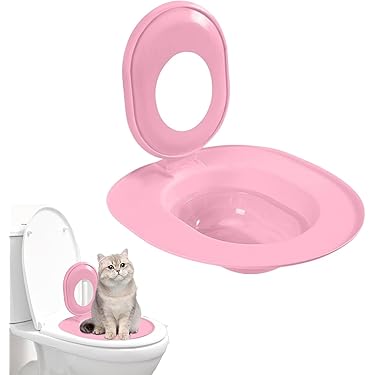
After reaching the toilet’s height, replace the litter box with a specially designed training seat. These seats fit over the toilet and mimic the litter box. Allow your cat time to get used to this new setup before moving to the next step.
Reducing Litter In The Training Seat
Gradually reduce the amount of litter in the training seat. This helps your cat adjust to the feel of the seat without the litter. Aim to eventually have no litter at all, encouraging your cat to use the toilet directly.
Encouraging Use Of The Toilet
Encourage your cat to use the toilet by rewarding successful attempts with treats or praise. Stay consistent with your encouragement to reinforce this new behavior. Ask yourself, what motivates your cat the most?
Patience and understanding are key throughout this process. Every cat is unique, so adapt these steps to fit your cat’s personality and pace. Are you ready to tackle this challenge with your feline friend?
Credit: www.amazon.com
Common Challenges And Fixes
Training your cat to use the toilet can be a rewarding experience, but it comes with its own set of challenges. Understanding these common obstacles and knowing how to fix them can make the journey smoother for both you and your feline friend. Let’s explore some typical issues and practical solutions that can help you stay on track.
Dealing With Accidents
Accidents are almost inevitable during toilet training. Your cat might miss the toilet or choose a different spot out of confusion or stress.
Instead of getting frustrated, clean the area thoroughly to remove any lingering odors. This prevents your cat from returning to the same spot.
Try placing a litter box near the toilet initially, then gradually move it closer to the bathroom. This helps your cat adjust without overwhelming them.
Handling Resistance
Some cats resist using the toilet simply because it’s unfamiliar or uncomfortable. Recognize their hesitation as a natural response.
If your cat seems scared or uninterested, slow down the training pace. You might need to spend extra days on each step before moving forward.
Use treats and positive reinforcement to encourage your cat. Reward even small steps like sitting on the closed toilet lid to build confidence.
Maintaining Consistency
Consistency is key but can be tricky if you have a busy schedule or if multiple people care for your cat.
Make sure everyone involved follows the same training routine and uses the same commands or cues.
Set regular times for toilet training sessions and stick to them. Cats thrive on routine, and this will help reinforce the new behavior faster.
Tips For Long-term Success
Training your cat to use the toilet is an impressive achievement, but maintaining that success over time takes consistent effort. Long-term success depends on more than just initial training—it requires ongoing care, attention, and understanding of your cat’s needs. Let’s look at some practical tips to help keep your cat comfortable and confident with toilet use.
Positive Reinforcement Techniques
Encourage your cat by rewarding each successful toilet visit with treats or gentle praise. Cats respond well to positive feedback, so try to catch them in the act and immediately reward good behavior.
Keep training sessions brief but frequent. If your cat seems hesitant or stressed, backtrack to easier steps and reward small progress. Have you noticed how your cat’s mood changes when you celebrate even tiny wins?
Monitoring Cat’s Health
Using the toilet changes your cat’s bathroom routine, so watch for signs of discomfort or health issues. Changes in frequency, straining, or unusual behavior can signal problems that need a vet’s attention.
Regularly observe how your cat behaves around the toilet. If they avoid it or seem reluctant, it might indicate physical discomfort or anxiety. Staying alert to these signs helps you act before minor issues become major problems.
Keeping The Toilet Clean
Maintaining a clean toilet is essential to encourage your cat’s continued use. Cats are naturally clean animals and may refuse to use a dirty toilet.
Flush regularly and wipe down the seat to remove any residue or odors. You might even consider using a mild, pet-safe cleaner to keep the area fresh. How often do you clean your toilet compared to your cat’s litter box?

Credit: www.amazon.com
Frequently Asked Questions
How Long Does It Take To Train A Cat To Use The Toilet?
Training a cat to use the toilet typically takes 4 to 6 weeks. Consistency and patience are key throughout the process. Each cat learns at its own pace, so progress may vary.
What Tools Do I Need To Train My Cat For Toilet Use?
You need a special cat toilet training seat, treats, and patience. A training seat fits over the toilet bowl, helping your cat adjust gradually.
Can All Cats Learn To Use The Toilet?
Most cats can learn with proper training, but some resist. Factors include age, personality, and past litter habits. Be patient and observe your cat’s comfort.
Is Toilet Training Safe For My Cat’s Health?
Yes, toilet training is safe if done gradually and hygienically. Avoid harsh training methods and always keep the toilet clean to prevent infections.
Conclusion
Training your cat to use the toilet takes time and patience. Small steps help your cat learn better. Always reward good behavior to keep your cat motivated. Watch your cat’s comfort and never rush the process. Soon, your cat will use the toilet like a pro.
A clean home and less litter mess are great benefits. Enjoy the journey and celebrate each success along the way. Your cat can learn new habits with love and care. Keep trying, and you will see good results.

Lily Purrington is the founder of MyKittyPicks.com, a cozy corner of the web dedicated to helping cat lovers discover the best cat products, furniture, toys, and home decor ideas.
A lifelong cat enthusiast, Lily shares trusted tips, honest product recommendations, and stylish inspiration designed to keep kitties happy and homes beautiful.
Her mission is simple: to bring together practical advice and purr-fect picks that make life better for cats and the people who love them.


