
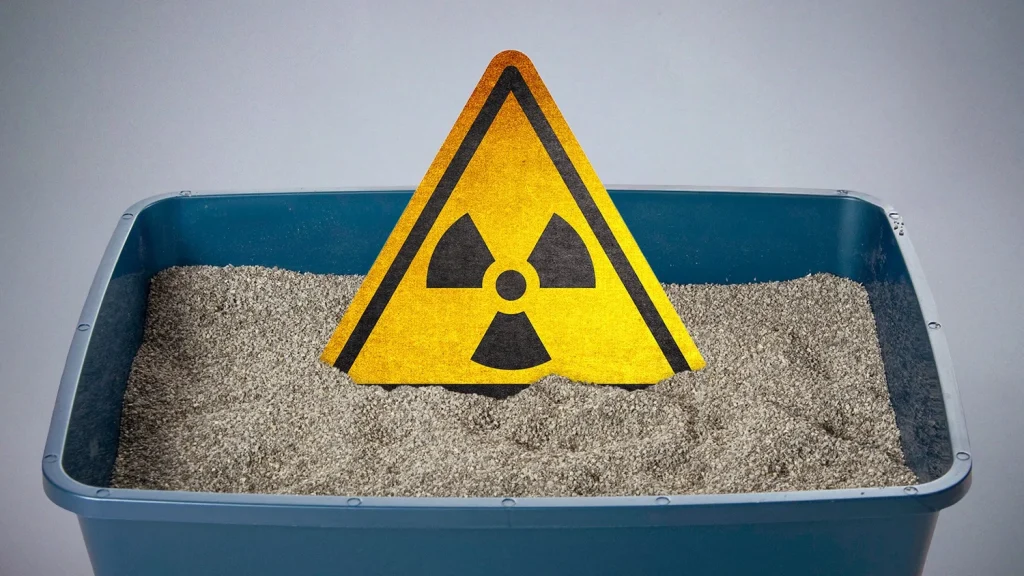
Have you ever wondered if your cat’s litter could be radioactive? It’s a question that might sound strange, but when you’re caring for your furry friend, safety is always a top priority.
You want to make sure your home stays healthy for both you and your pet. You’ll discover the truth about cat litter and radiation. By the end, you’ll feel confident about what’s safe and what to watch out for. Keep reading—your peace of mind and your cat’s well-being depend on it.
Credit: www.petsense.com
Radioactivity Basics
Understanding radioactivity helps clarify concerns about cat litter safety. This section explains key ideas about radioactivity. Knowing what radioactivity is and where it appears guides safer choices.
What Is Radioactivity
Radioactivity is the release of energy from unstable atoms. These atoms change by emitting particles or rays. This process is natural and happens everywhere. Radioactive materials can emit alpha, beta, or gamma radiation. The strength and type of radiation vary by material.
Common Sources Around Us
Radioactivity exists in many everyday places. The earth contains natural radioactive elements like uranium and radon. Some building materials release small amounts of radiation. Cosmic rays from space hit the earth constantly. Even certain foods have tiny traces of radioactive substances.
- Soil and rocks
- Air, especially radon gas
- Cosmic radiation from the sun and space
- Some household items, like smoke detectors
Most sources emit very low radiation levels, safe for daily life. Understanding these basics helps evaluate if cat litter poses a risk.
Cat Litter Materials
Understanding the materials used in cat litter can help you choose a safer and more effective option for your furry friend. Cat litter is made from various substances, each with its own benefits and potential concerns. Knowing what goes into your cat’s litter can also address questions about safety, such as whether it might be radioactive.
Types Of Cat Litter
Cat litter generally falls into several categories based on its material:
- Clay-Based Litter:This is the most common type and includes clumping and non-clumping varieties. It is often made from bentonite clay which absorbs moisture well.
- Silica Gel Litter:Made from silica crystals, this litter controls odor and absorbs moisture effectively.
- Biodegradable Litter:Made from natural materials like corn, wheat, pine, or recycled paper. These options break down more easily in the environment.
Each type offers a different experience in terms of dust, odor control, and ease of cleaning. Have you noticed how some litters create more dust or smell stronger than others?
Natural Vs. Synthetic Components
Natural litters often use plant-based materials or minerals found in nature. For instance, pine litter uses small wood pellets that absorb moisture and control odor naturally.
Synthetic litters, on the other hand, rely on processed materials like bentonite clay or silica crystals. These might be more efficient at clumping or odor control but can produce dust or contain additives.
Choosing between natural and synthetic depends on your priorities: environmental impact, cat sensitivity, or litter box maintenance. Have you considered how the material in your cat litter affects not just your cat, but your home’s air quality too?
Radioactivity In Cat Litter
Some cat litters contain natural minerals that may have low levels of radioactivity. This radioactivity is usually very small and not harmful to pets or humans. Testing and safety standards keep cat litter safe for everyday use.
Radioactivity in Cat Litter You might be surprised to hear that cat litter could contain radioactive elements. Yes, the same litter you use to keep your feline friend’s bathroom clean. This raises questions and concerns about safety and health in your home.Potential Radioactive Elements
Certain types of cat litter, particularly those made from clay, may contain trace amounts of naturally occurring radioactive materials. These materials include uranium, thorium, and potassium-40, which are found in the earth’s crust. The clay used in some litters is mined from areas where these elements are present. Naturally, this doesn’t mean your cat's litter box is glowing like a scene from a sci-fi movie. The levels are typically very low. However, it’s interesting to consider how everyday items can have such unexpected properties.How Radioactivity Could Occur
Radioactivity in cat litter occurs mainly due to the origin of the materials used. When clay is extracted from the ground, it comes with whatever elements are present in that soil. If the mining site has naturally occurring radioactive materials, they can make their way into the litter. The process of mining and refining these materials doesn’t always remove all radioactive traces. Thus, they end up in the final product. This raises the question: should you be concerned about these radioactive elements in your home? Before you throw out your cat litter, consider the fact that the radiation levels are generally minimal. Most health experts agree that the risk to you and your pet is negligible. However, if you’re still worried, you might opt for alternative litter types, such as those made from recycled paper or corn.
Credit: www.theguardian.com
Health Impacts
Understanding the health impacts of potentially radioactive cat litter is essential for both you and your feline friend. Radioactivity, even at low levels, can pose risks that are often overlooked in everyday pet care. Let’s break down what exposure might mean for humans and cats living in the same home.
Exposure Risks For Humans
Radiation exposure from cat litter is generally very low, but prolonged contact with radioactive materials can increase health risks. If your cat litter contains substances like certain clays or minerals with trace radioactivity, you might inhale dust particles or absorb radiation through skin contact.
Children, pregnant women, and individuals with weakened immune systems should be especially cautious. Handling litter with gloves and washing hands thoroughly after cleaning can reduce any potential risks.
- Inhalation of dust may irritate lungs or cause respiratory issues.
- Skin contact with contaminated litter could lead to minor radiation absorption.
- Proper ventilation in the litter area lowers airborne particle concentration.
Have you ever thought about how often you come into contact with dust from cat litter? Small habits like changing litter boxes daily can significantly limit your exposure.
Effects On Cats
Cats can also be affected by radioactive materials in their litter. Their constant contact with the litter means they might inhale dust or ingest particles when grooming.
Signs of radiation exposure in cats might not appear immediately. Watch for symptoms like unusual lethargy, loss of appetite, or respiratory problems.
- Radiation can damage cells, potentially leading to long-term health issues.
- Regular vet check-ups can catch early signs of problems caused by environmental factors.
- Choosing low-dust, natural cat litter reduces the risk of inhaling harmful particles.
Have you noticed your cat sneezing more or acting differently near the litter box? These subtle signs might be worth discussing with your vet to rule out environmental causes.
Safety Measures
Ensuring your cat litter is safe from radioactive contamination is crucial for both your health and your pet’s well-being. Taking the right safety measures can help you avoid unnecessary risks and keep your home environment clean and secure. Here, you’ll find practical tips on how to verify the safety of cat litter products and handle them responsibly.
Testing Cat Litter Products
Not all cat litters are created equal, and some materials might carry trace amounts of natural radioactive elements, especially those sourced from certain minerals. You can check product safety by looking for certifications from reputable testing agencies. Many manufacturers now provide lab test results or third-party verifications confirming their litter is free from harmful radiation levels.
If you’re concerned, consider testing your cat litter at home using a simple Geiger counter. These devices can detect radiation, giving you peace of mind. Have you ever thought about how often you check the safety of the products around you?
Safe Handling And Disposal
Handling cat litter with care reduces any potential exposure to contaminants. Always wear gloves when changing litter and wash your hands afterward. Keeping the litter box area well-ventilated helps reduce dust and airborne particles.
Disposal is equally important. Avoid flushing cat litter down the toilet, as it can contaminate water systems. Instead, seal used litter in biodegradable bags and dispose of it with your regular trash. If you live near a landfill or waste facility, check their guidelines for litter disposal to ensure environmental safety.
Alternatives To Traditional Litter
Choosing the right cat litter matters for your pet’s health and your home. Traditional litters can sometimes raise concerns about dust, chemicals, or even radioactivity. Exploring alternatives helps find safer options that suit your cat’s needs and your lifestyle. These choices often reduce risks and offer better environmental benefits.
Low-risk Options
Low-risk cat litters limit exposure to harmful substances. These litters usually have less dust and no added chemicals. They help keep the air clean and reduce allergies for both cats and owners.
- Clumping clay litters with natural ingredients
- Silica gel crystals that absorb moisture without dust
- Paper-based litters that are soft and dust-free
These options lower the chances of respiratory problems. They are easy to clean and maintain good odor control.
Eco-friendly Choices
Eco-friendly cat litters protect the planet while caring for cats. They use renewable materials and break down naturally. These litters often come from plants or recycled products.
- Wood pellets made from sawdust or pine
- Wheat or corn-based litters that clump naturally
- Walnut shell litters that offer good odor control
These litters reduce landfill waste and use fewer chemicals. They appeal to pet owners who want to lower their environmental impact.
Credit: www.livescience.com
Frequently Asked Questions
Is Cat Litter Radioactive Or Harmful To Health?
No, typical cat litter is not radioactive and poses no radiation risk. It is made from natural or synthetic materials safe for pets and humans. However, always handle cat litter hygienically to avoid bacterial contamination.
Can Cat Litter Contain Radioactive Elements Naturally?
Some clays used in cat litter may contain trace natural radioactive elements like uranium or thorium. These levels are extremely low and well below harmful limits, making cat litter safe for everyday use.
How To Detect If Cat Litter Is Radioactive?
Special radiation detectors or Geiger counters can measure radiation levels. Standard cat litter tests show negligible or no radioactivity. If concerned, use a certified device or consult experts for accurate testing.
Does Used Cat Litter Pose Radiation Risks?
Used cat litter does not accumulate harmful radiation. Radioactive decay is not a factor in typical litter materials. Dispose of it properly to avoid odors or bacteria, not radiation concerns.
Conclusion
Cat litter is generally safe and not radioactive. Most brands use natural materials without harmful substances. Always check labels for any unusual ingredients. Keep litter in a clean, dry place to avoid contamination. Use gloves when handling to stay safe and clean.
Stay informed and choose trusted products for your pet. Safety matters for both cats and owners. Simple care keeps your home healthy and worry-free.

Lily Purrington is the founder of MyKittyPicks.com, a cozy corner of the web dedicated to helping cat lovers discover the best cat products, furniture, toys, and home decor ideas.
A lifelong cat enthusiast, Lily shares trusted tips, honest product recommendations, and stylish inspiration designed to keep kitties happy and homes beautiful.
Her mission is simple: to bring together practical advice and purr-fect picks that make life better for cats and the people who love them.


