

Have you ever noticed your cat’s urine smelling sharply like ammonia and wondered why? That strong, unpleasant odor can be confusing and even worrying for you as a pet owner.
Understanding why your cat’s urine smells this way is important—not just to keep your home fresh, but to protect your cat’s health. You’ll discover the surprising reasons behind that ammonia smell and learn what you can do to tackle it effectively.
Keep reading to find out how to keep both your cat and your home happier.
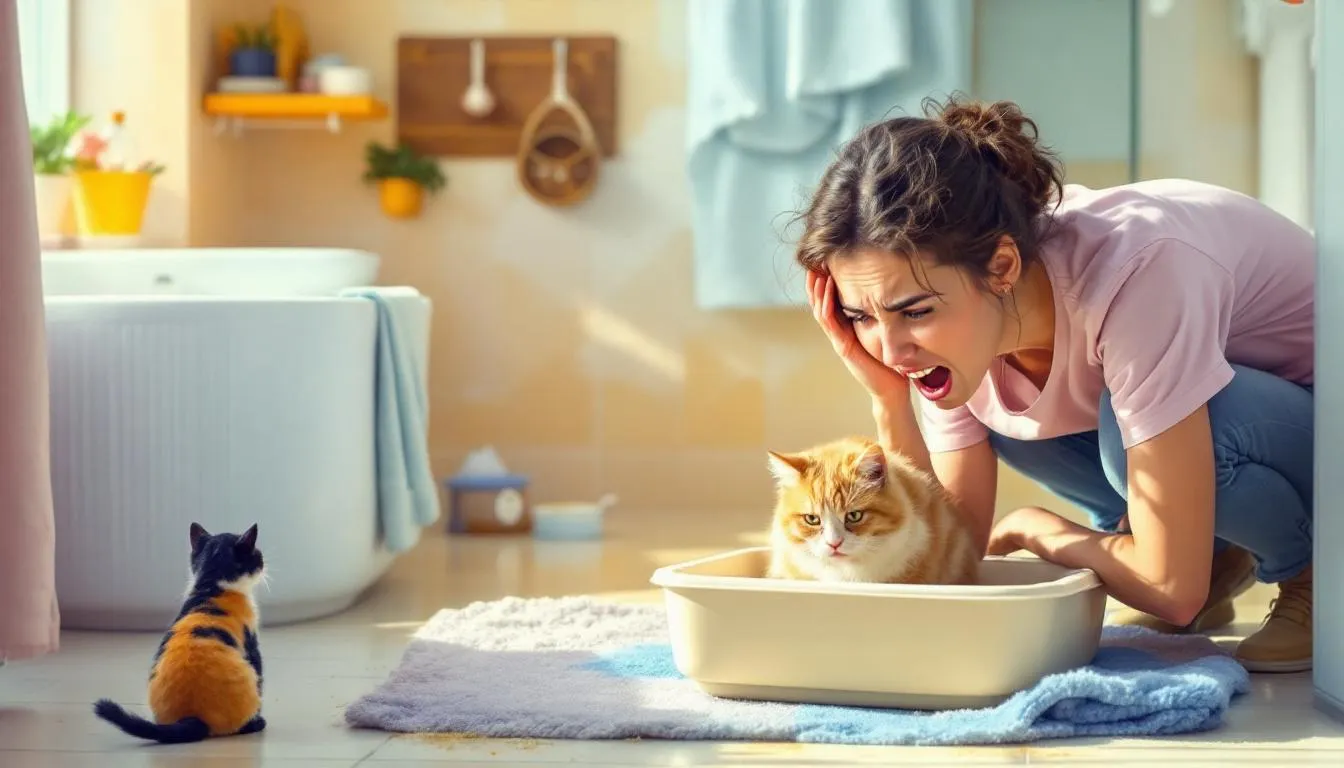
Credit: www.astrobrite.net
Cat Urine Composition
Understanding the composition of cat urine helps explain its strong ammonia smell. Cat urine contains various substances that form its unique odor. These substances come from the cat’s body and the waste it produces. The smell often surprises many cat owners due to its intensity and persistence.
Cat urine is mostly water, but the rest includes chemicals like urea, proteins, and minerals. These elements interact and change over time, creating the sharp smell that is often compared to ammonia. The concentration of these chemicals depends on the cat’s health, diet, and hydration level.
What Makes Cat Urine Smell
Cat urine’s smell is mainly due to waste products filtered by the kidneys. Urea is a key component. It breaks down into ammonia when bacteria in the urine start to grow. This process releases the strong, pungent odor.
Other factors add to the smell:
- Proteins in the urine
- Hormones and pheromones
- Concentrated minerals and salts
These elements mix and create a smell that is very noticeable. If the urine sits too long, the odor becomes more intense and hard to remove.
Role Of Ammonia In Urine
Ammonia is a chemical compound that forms when urea breaks down. This happens due to bacteria in the urine. Ammonia has a sharp, irritating smell that causes discomfort for humans.
The presence of ammonia helps identify urine spots quickly. It also signals the need for cleaning to avoid health issues. High levels of ammonia can irritate a cat’s skin and respiratory system.
Proper ventilation and cleaning reduce ammonia buildup. Keeping the litter box clean lowers the chance of strong ammonia odor. Monitoring your cat’s urine can also help detect health problems early.
Causes Of Ammonia Smell
Noticing a strong ammonia smell in your cat’s urine can be concerning. This distinct odor often points to underlying issues that affect your cat’s health. Understanding the causes behind the ammonia smell can help you take timely action and keep your feline friend comfortable.
Dehydration Effects
Dehydration is a common reason for concentrated urine that smells like ammonia. When your cat isn’t drinking enough water, their urine becomes more concentrated, increasing the ammonia odor. Have you noticed your cat drinking less or skipping water bowls? This could be the start of the problem.
Encouraging your cat to drink more water can dilute the urine and reduce the smell. Adding wet food or providing fresh water frequently might make a big difference in your cat’s hydration levels.
Urinary Tract Infections
Urinary tract infections (UTIs) can cause a foul ammonia smell in your cat’s urine. The bacteria involved in UTIs break down urea into ammonia, creating that strong odor. If your cat is also urinating more often or showing discomfort, a UTI might be the cause.
UTIs need prompt veterinary treatment to avoid complications. Ignoring these signs can lead to more severe health issues for your cat.
Kidney Problems
Kidney problems affect how waste is filtered and eliminated from your cat’s body, often causing changes in urine smell. Impaired kidney function can cause toxins to build up, which may increase the ammonia scent. Have you noticed lethargy or changes in your cat’s appetite alongside the smell?
Kidney issues require veterinary diagnosis and management. Early detection can improve your cat’s quality of life significantly.
Diet And Hydration Influence
Your cat’s diet plays a crucial role in urine composition and odor. High-protein diets can lead to increased ammonia production as protein breaks down. Conversely, insufficient water intake combined with certain foods can concentrate urine, amplifying the smell.
Consider reviewing your cat’s diet and hydration habits. Sometimes, small changes like adding water to dry food or switching protein sources can help reduce the ammonia smell effectively.
Health Risks For Cats
A strong ammonia smell in cat urine often signals kidney problems or dehydration. This odor can also indicate urinary tract infections or poor diet affecting your cat’s health. Recognizing these signs early helps protect your cat from serious illness.
Caring for a cat involves more than just cuddles and feeding. Understanding the potential health risks associated with certain behaviors or symptoms is crucial. One such concern is the potent smell of ammonia in cat urine, which could indicate underlying health issues. Recognizing these signs early can make all the difference for your feline friend.Signs Of Urinary Issues
If your cat’s urine has a strong ammonia smell, it might be more than just a nuisance. This odor can be a sign of urinary tract infections or other kidney-related problems. Cats might also show other signs, like frequent urination, straining, or even urinating outside the litter box. Have you ever noticed your cat licking its genital area excessively? This could be their way of trying to ease discomfort. Keep an eye on any changes in their behavior or bathroom habits.When To See A Vet
Not every strong-smelling urine is a cause for alarm, but it’s always better to be safe. If you notice persistent changes in your cat’s urination pattern or if they seem to be in pain, it’s time to consult a veterinarian. Early intervention can prevent minor issues from escalating into severe health concerns. Remember when your friend told you about their cat’s sudden change in behavior? It turned out to be a urinary tract infection that needed treatment. Don’t wait until it’s too late—trust your instincts and seek professional advice. Your cat depends on you to notice these subtle signs. By acting promptly, you can ensure their health and happiness for years to come.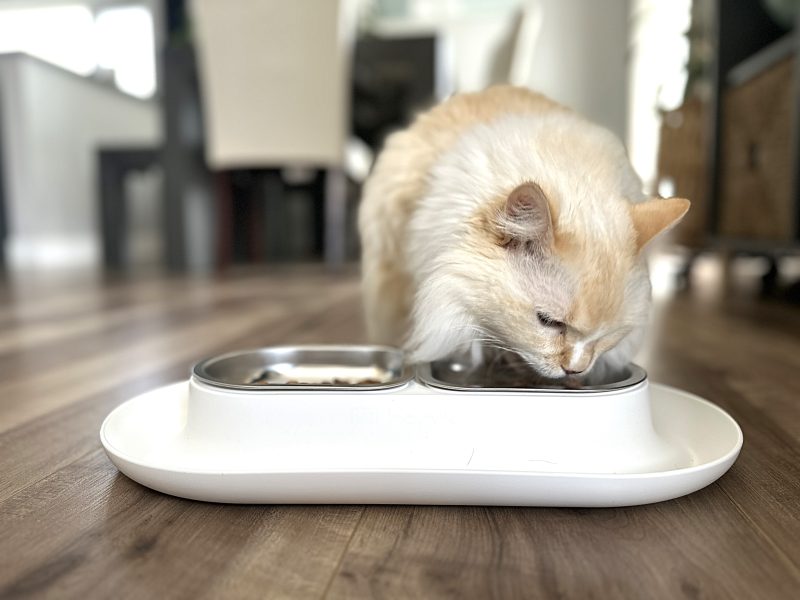
Credit: www.catster.com
Home Remedies To Reduce Smell
Cat urine often smells like ammonia because of high nitrogen content. This strong odor can linger and make your home uncomfortable. Simple home remedies can help reduce the smell effectively. These steps focus on your cat’s health and keeping their environment clean.
Improving Cat Hydration
Encourage your cat to drink more water. Proper hydration dilutes urine and lowers ammonia concentration. Place multiple water bowls around your home. Use fresh, clean water and change it daily. Wet cat food also helps increase water intake. Cats often drink more when food is moist. Proper hydration supports kidney function and reduces strong urine odor.
Cleaning Litter Boxes Properly
Clean litter boxes daily to stop ammonia buildup. Scoop out waste at least once a day. Wash the box with mild soap and warm water weekly. Avoid strong-smelling cleaners that may irritate your cat. Use clumping litter to trap urine and control odor. Consider adding baking soda to litter for extra freshness. Keep boxes in well-ventilated areas to reduce smell in your home.
Diet Adjustments
Diet affects urine smell and overall cat health. Feed high-quality cat food with balanced protein levels. Excess protein can increase ammonia in urine. Consult your vet about special diets if your cat has urinary problems. Include foods rich in moisture to boost hydration. Avoid giving too many treats or table scraps. A healthy diet helps control urine odor and supports your cat’s well-being.
Vet Treatments And Solutions
Veterinarians play a key role in treating cats with ammonia-smelling urine. This odor often signals an underlying health problem. Early vet care helps manage the issue effectively. Treatment plans vary based on the cat’s diagnosis and condition.
Medication Options
Vets may prescribe antibiotics for urinary tract infections. These medicines target bacteria causing the smell. Pain relievers can ease discomfort during urination. Anti-inflammatory drugs reduce swelling and irritation. Sometimes, vets use special medications to dissolve bladder stones. Each medicine aims to restore normal urine odor and health.
Dietary Supplements
Supplements support urinary tract health and reduce ammonia smell. Cranberry extract helps prevent bacterial growth. Omega-3 fatty acids decrease inflammation in the bladder. Probiotics improve overall digestion and urinary balance. Vets recommend supplements based on the cat’s specific needs. These natural aids work alongside medications for better results.
Monitoring And Follow-up
Regular check-ups ensure treatments work well. Vets monitor urine tests to track infection or stones. Adjustments in medication or diet happen if needed. Owners should observe litter box habits daily. Early detection of changes prevents severe problems. Follow-up visits keep cats healthy and comfortable.
Preventing Strong Urine Odors
Strong cat urine odors can be overwhelming and unpleasant in your living space. Preventing these odors requires attention to your cat’s health, hygiene, and the cleanliness of their litter box. Let’s look at some straightforward ways you can keep those sharp ammonia smells at bay.
Regular Vet Checkups
Have you noticed a sudden change in your cat’s urine smell? It might be a sign of an underlying health issue like a urinary tract infection or kidney problems. Regular vet visits help catch these problems early, preventing strong urine odors from developing.
Don’t wait for the smell to become unbearable. Schedule checkups every six months or as your vet recommends. This keeps your cat healthy and your home smelling fresh.
Maintaining Cat Hygiene
Cleanliness isn’t just about the litter box. Cats groom themselves, but sometimes they need a little help. Wiping your cat’s fur around the rear end can reduce odor buildup, especially if they have long hair.
Regular brushing removes loose fur and dirt, reducing the chance of urine sticking to the coat. Have you tried giving your cat occasional baths? It can make a big difference in controlling odor.
Litter Box Maintenance Tips
A dirty litter box is a magnet for strong smells. Scoop waste daily and change the litter completely at least once a week. Use clumping litter to trap moisture and odors more effectively.
Place the litter box in a well-ventilated area to help disperse smells. Adding baking soda under the litter can also absorb odors. What’s your current litter box cleaning routine? Could a small change improve the smell?

Credit: www.youtube.com
Frequently Asked Questions
Why Does Cat Urine Smell Like Ammonia?
Cat urine contains high levels of urea, which breaks down into ammonia. This causes the strong, pungent smell. The ammonia smell is more noticeable if the urine is left to sit and age, as bacteria convert urea into ammonia over time.
Is Ammonia Smell In Cat Urine A Health Concern?
Yes, a strong ammonia smell can indicate urinary tract infections or kidney issues in cats. It’s important to consult a vet if the smell is unusually strong or persistent to rule out health problems.
How Can I Reduce Ammonia Smell From Cat Urine?
Regular cleaning of the litter box with enzymatic cleaners helps break down urine compounds. Changing litter frequently and ensuring proper ventilation also reduce ammonia odors effectively.
Does Diet Affect Cat Urine Ammonia Smell?
Yes, a cat’s diet impacts urine composition. High-protein diets can increase urea levels, leading to stronger ammonia odors. Feeding a balanced diet and ensuring hydration can help minimize the smell.
Conclusion
Cat urine smells like ammonia because of its chemical makeup. This strong smell can signal health or hygiene problems. Clean your cat’s litter box often to reduce odor. Watch your cat for signs of illness or stress. A vet visit might be needed if the smell is very strong or unusual.
Understanding the cause helps you keep your home fresh. A little care goes a long way in managing the smell. Keep your cat happy and healthy to avoid odor issues. Simple steps make a big difference every day.

Lily Purrington is the founder of MyKittyPicks.com, a cozy corner of the web dedicated to helping cat lovers discover the best cat products, furniture, toys, and home decor ideas.
A lifelong cat enthusiast, Lily shares trusted tips, honest product recommendations, and stylish inspiration designed to keep kitties happy and homes beautiful.
Her mission is simple: to bring together practical advice and purr-fect picks that make life better for cats and the people who love them.


