
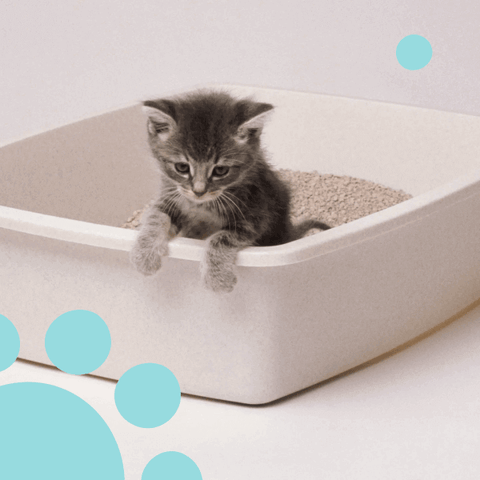
Are you tired of constantly buying expensive cat litter that doesn’t seem to last? What if you could make your own cat litter at home, saving money and customizing it to fit your cat’s needs?
Making cat litter yourself is easier than you think. You’ll discover simple steps and tips to create effective, affordable, and safe cat litter right in your kitchen. Keep reading to learn how you can take control of your cat’s comfort and your budget today!

Credit: www.youtube.com
Benefits Of Homemade Cat Litter
Making your own cat litter might sound like extra work, but the benefits can make it well worth your time. Homemade cat litter offers you more control over what your cat uses daily. It can save you money, reduce environmental impact, and even allow you to customize the litter to suit your cat’s preferences.
Cost Savings
Buying cat litter regularly can add up quickly. By making your own, you can cut down on these expenses significantly. Common ingredients like shredded newspaper, sawdust, or cornmeal are often cheaper and sometimes free, especially if you have access to leftovers or recycling materials.
Think about how much you spend monthly on commercial litter. Could homemade alternatives help you redirect that money elsewhere? Many pet owners find they can stretch their budget without sacrificing cleanliness or odor control.
Eco-friendly Options
Most commercial cat litters use clay or silica, which involve mining and create landfill waste. Homemade cat litter often uses biodegradable materials, which break down naturally and reduce your ecological footprint. You can even compost some types of homemade litter, turning waste into garden gold.
Have you considered how your pet care choices affect the planet? Choosing eco-friendly litter options shows care not only for your cat but also for the environment they share with you.
Customizable Scents And Textures
Every cat has unique preferences. Some dislike strong smells or gritty textures. When you make your own litter, you decide what goes in it. You can add natural scents like lavender or chamomile to keep odors fresh without harsh chemicals.
Texture matters too—some cats prefer fine, sand-like litter, while others like coarser materials. Experimenting with different ingredients lets you tailor the litter to your cat’s comfort, helping to prevent litter box avoidance.
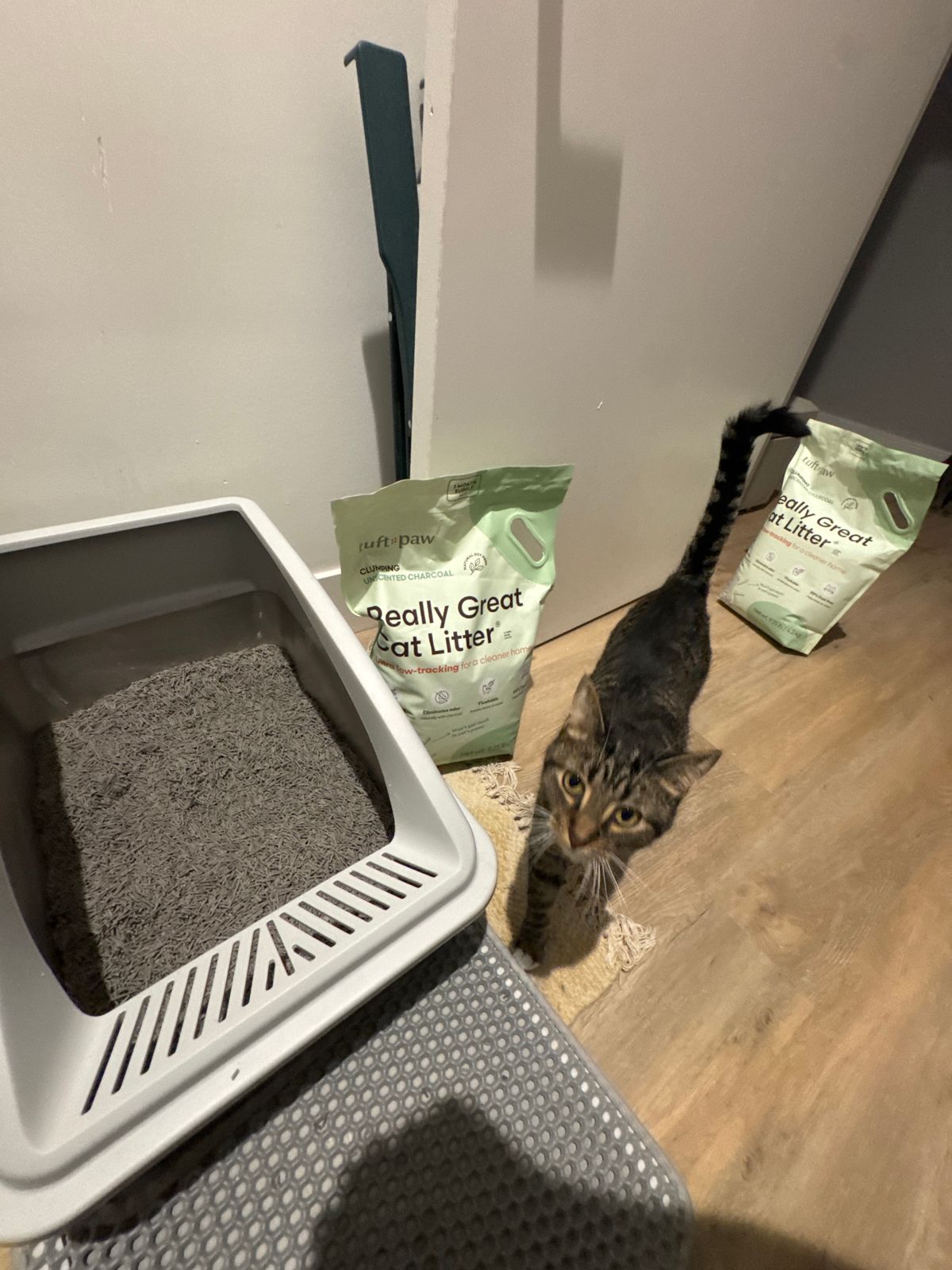
Credit: www.tuftandpaw.com
Materials Needed For Diy Cat Litter
Gathering the right materials is the first step to making effective DIY cat litter. Choosing safe, absorbent ingredients ensures your cat stays comfortable and clean. You can find many suitable items right in your home or nearby stores. Simple tools and containers also help mix and store the litter properly. This section covers the basic materials needed for homemade cat litter.
Common Household Ingredients
- Baking soda: Controls odor naturally.
- Newspaper: Shredded for absorbency.
- Cornstarch: Helps clump and absorb moisture.
- Cat litter pellets: Can be crushed and reused.
- Wood pellets: Break down easily and are eco-friendly.
Natural Alternatives
- Clay-free soil: Absorbs moisture well.
- Sand: Offers good texture and absorbency.
- Activated charcoal: Reduces odors effectively.
- Coconut husks: Lightweight and biodegradable.
- Grass seed hulls: Natural and safe for cats.
Tools And Containers
- Mixing bowl: For blending ingredients evenly.
- Measuring cups: To ensure correct ingredient ratios.
- Gloves: Keep hands clean during preparation.
- Storage container with lid: Keeps litter fresh and dry.
- Sieve or strainer: Removes large bits after mixing.
Step-by-step Diy Cat Litter Recipes
Creating cat litter at home saves money and allows control over ingredients. Use simple materials like baking soda, cornmeal, and shredded paper for easy, safe recipes. Follow clear steps to make effective, natural cat litter your pet will like.
Creating your own cat litter can be a rewarding endeavor that saves money and allows you to customize materials to suit your feline friend’s needs. DIY cat litter is not only cost-effective, but it can also be environmentally friendly. Below, you’ll find detailed recipes that guide you through making cat litter using everyday household items.Baking Soda And Cornstarch Mix
This combination is a simple and effective way to control odors. Start by mixing equal parts of baking soda and cornstarch in a large bowl. Ensure the mixture is evenly distributed by stirring thoroughly. Baking soda helps to neutralize odors, while cornstarch adds a clumping effect. Your cat will appreciate the soft texture under their paws, and you’ll love the fresh scent it leaves behind.Shredded Newspaper Litter
Recycle your old newspapers into useful cat litter. Begin by shredding the newspaper into thin strips using a shredder or by hand. Soak the shredded paper in warm, soapy water to remove ink and soften the texture. After rinsing and drying, the paper turns into a soft, absorbent litter. This method is a fantastic way to reduce waste while providing a comfortable surface for your cat.Wood Pellet Litter
Wood pellets, often used for heating, can double as excellent cat litter. Spread the pellets in a litter box, ensuring an even layer. As your cat uses the litter, the pellets disintegrate into sawdust, providing great absorption and odor control. If you enjoy the natural, woodsy scent, this option is perfect for you and your cat.Silica Gel Crystals
Silica gel crystals are another effective DIY cat litter option. These tiny beads absorb moisture rapidly and control odors efficiently. Simply fill the litter box with a layer of crystals, and you’re set. With little to no dust, this option is ideal for those with allergies, offering a cleaner and more breathable atmosphere. Have you tried any of these DIY cat litter recipes? Which one worked best for your feline friend?Tips For Maintaining Freshness
Maintaining the freshness of cat litter keeps your home clean and your cat happy. Fresh litter reduces odors and prevents bacteria buildup. Simple habits make a big difference in litter box care. Follow these tips to keep the litter fresh and inviting for your cat.
Proper Litter Box Cleaning
Clean the litter box regularly to stop smells and germs. Use warm water and mild soap for a thorough wash. Avoid strong chemicals that can harm your cat. Dry the box completely before adding new litter. Clean the sides and corners where waste can hide.
Regular Litter Replacement
Change the litter fully at least once a week. Scoop waste daily to keep the box neat. Add fresh litter after scooping to maintain the right depth. Avoid overfilling; about 2 to 3 inches is enough. Fresh litter absorbs moisture and controls odor better.
Odor Control Techniques
- Use baking soda under the litter to neutralize smells.
- Choose clumping litter for easier waste removal.
- Place the litter box in a well-ventilated area.
- Try scented litter if your cat tolerates it well.
- Wash the scoop regularly to prevent bacteria buildup.
Safety And Health Considerations
Creating your own cat litter can be rewarding, but safety and health must come first. You want a product that keeps your cat comfortable without causing any harm. Paying close attention to ingredients and your cat’s reactions helps you create a safer environment for your furry friend.
Avoiding Harmful Ingredients
Not all materials are safe for cats. Avoid using substances like clumping agents with sodium bentonite or any chemical additives that can irritate your cat’s paws or respiratory system. Natural options like baking soda, shredded paper, or untreated wood pellets tend to be safer choices.
Consider your cat’s habits too. If your cat likes to dig vigorously, sharp or rough materials could cause injuries. You want to pick ingredients that are gentle but still effective at controlling odor and moisture.
Monitoring Cat’s Reaction
After introducing homemade litter, watch your cat closely. Are they avoiding the litter box or scratching excessively? These signs may indicate discomfort or allergies.
In my experience, my cat initially refused a homemade mixture because the texture was unfamiliar. I adjusted the recipe by mixing in some store-bought litter, and she accepted it within a few days. Small tweaks can make a big difference.
Allergy Awareness
Both you and your cat can develop allergies to certain materials. Dust from some litters can cause sneezing or coughing. Keep an eye out for symptoms like watery eyes or skin irritation.
- Use dust-free or low-dust ingredients
- Test new ingredients in small amounts first
- Consult your vet if you notice persistent issues
Have you ever considered what your cat’s litter might be doing to their health? Taking these precautions can help you craft a litter that supports your cat’s wellbeing every day.

Credit: www.amazon.ca
Troubleshooting Common Issues
Troubleshooting common issues with homemade cat litter is crucial to ensure your cat stays happy and your home stays clean. Problems like poor clumping, lingering odors, and dust can make your DIY litter less effective and unpleasant to use. Let’s look at how you can identify and fix these problems quickly.
Clumping Problems
If your cat litter isn’t clumping well, it can be frustrating to clean and may not control odor effectively. Check the moisture level in your litter mixture—too much moisture can prevent clumping, while too little can make it crumble.
Adding a bit more bentonite clay or another clumping agent can help. If you’re using natural ingredients like corn or wheat, try adjusting their ratios or combining them with clay for better results.
Have you noticed your cat avoiding the litter box? Poor clumping might be the cause. Cats prefer a litter that holds together, so they don’t step in loose, messy granules.
Odor Persistence
Persistent odors can make your homemade litter less appealing. Baking soda is a popular addition because it neutralizes smells effectively. Try sprinkling a small amount in your litter mix to keep things fresh.
Also, consider if your litter is being changed often enough. Even the best litter can hold onto odors if not cleaned regularly. Experiment with adding activated charcoal or dried herbs like lavender to improve scent control.
Ask yourself: Could your cat’s diet or health be affecting the smell? Sometimes, changes in odor come from your cat’s urine rather than the litter itself.
Tracking And Dust
Dust and tracking can make a mess around the litter box and irritate your cat’s respiratory system. Using larger granules or pellets often reduces dust and helps keep litter inside the box.
Try placing a mat outside the litter box to catch stray particles before they spread through your home. You can also dampen the surface slightly to minimize dust when mixing the litter.
Have you tried switching to a dust-free base ingredient? Some natural materials like walnut shells or paper pellets create less dust but still absorb moisture well.
Frequently Asked Questions
What Materials Are Needed To Make Cat Litter At Home?
You need absorbent materials like clay, wood pellets, or paper. Add baking soda for odor control. Use gloves and a mask for safety during preparation.
How Do I Make Natural Cat Litter Without Chemicals?
Use natural ingredients like shredded paper, wood shavings, or cornmeal. Mix with baking soda to reduce odors. Avoid artificial additives to keep it safe for cats.
Is Homemade Cat Litter Safe For My Cat?
Yes, if made with non-toxic, natural ingredients. Avoid harmful chemicals or dust that can irritate your cat’s respiratory system. Always test a small amount first to ensure comfort.
How Can I Control Odor In Diy Cat Litter?
Add baking soda or activated charcoal to absorb smells. Regularly clean the litter box and replace the litter every few days. Good ventilation also helps reduce odor build-up.
Conclusion
Making your own cat litter can save money and reduce waste. It uses simple ingredients found at home. You control what goes into the litter, making it safer for your cat. The process is easy and quick to follow. Your cat will enjoy a clean and fresh litter box.
Try this method to keep your cat happy and healthy. Small changes make a big difference for pets and the planet. Start today and see the benefits yourself.

Lily Purrington is the founder of MyKittyPicks.com, a cozy corner of the web dedicated to helping cat lovers discover the best cat products, furniture, toys, and home decor ideas.
A lifelong cat enthusiast, Lily shares trusted tips, honest product recommendations, and stylish inspiration designed to keep kitties happy and homes beautiful.
Her mission is simple: to bring together practical advice and purr-fect picks that make life better for cats and the people who love them.


