
Choosing the right cat litter can make a huge difference for both you and your furry friend. You want something that controls odor, is easy to clean, and keeps your home fresh.
But with so many options out there, how do you know what good cat litter really is? You’ll discover exactly what to look for to keep your cat happy and your space smelling great. By the end, you’ll feel confident picking the perfect litter that fits your needs and makes life easier.
Keep reading to find out how to make the best choice for you and your cat.
Types Of Cat Litter
Choosing the right cat litter affects your cat’s comfort and your home’s cleanliness. Cat litters come in different types, each with unique features. Understanding these types helps pick the best option for your cat’s needs and your lifestyle.
Clumping Clay Litter
Clumping clay litter forms solid clumps when wet. These clumps make cleaning the litter box easy. This type controls odor well and is popular among cat owners. It is usually made from bentonite clay, which absorbs moisture quickly.
Non-clumping Clay Litter
Non-clumping clay litter absorbs moisture but does not form clumps. It requires full litter changes more often. This type is often dustier than clumping litter. It is usually less expensive but needs more maintenance.
Silica Gel Litter
Silica gel litter uses tiny crystals to absorb moisture and odors. It stays dry longer and controls smell well. This type produces less dust and lasts for weeks. Many cats like its soft texture under their paws.
Biodegradable Litter
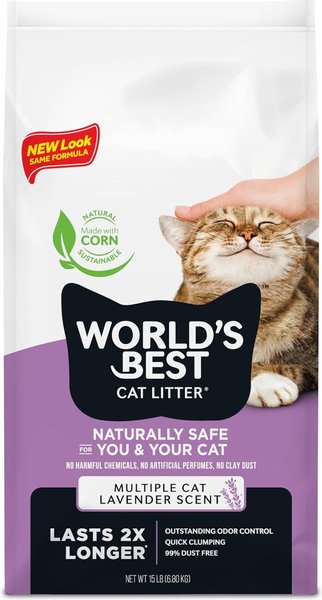
Biodegradable litter is made from natural materials like corn, wheat, or wood. It breaks down faster and is better for the environment. This litter often has less dust and is gentle on paws. It may need more frequent changing depending on the brand.
Credit: www.chewy.com
Key Features To Consider
Choosing the right cat litter is important for both you and your pet. Certain features make a cat litter better suited for daily use. These features affect cleanliness, comfort, and odor control. Understanding key qualities helps pick a litter that fits your needs.
Absorbency And Odor Control
Good cat litter must absorb moisture quickly. This keeps the litter box dry and comfortable. Strong absorbency helps stop urine from pooling. Odor control is equally important. The litter should trap smells effectively. This keeps your home fresh and pleasant. Some litters use natural ingredients to mask odors. Others rely on chemicals. Choose what works best for your cat’s health.
Dust Levels
Low dust cat litter is safer for cats and people. Dust can cause breathing problems. It also makes a mess around the litter box. Look for dust-free or low-dust options. These reduce airborne particles. This is especially important for cats with allergies or asthma. A cleaner environment means less cleaning for you.
Tracking And Cleanup
Some litters stick to your cat’s paws more than others. This causes tracking outside the box. A good litter minimizes this problem. It clumps well, making scooping easy. Easy cleanup saves time and keeps your home tidy. Look for litters that form tight clumps and don’t break apart.
Scented Vs Unscented
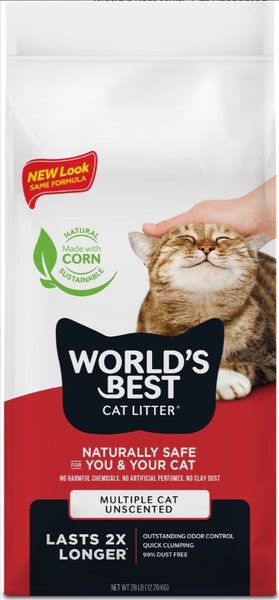
Scented litters mask odors with added fragrances. Some cats like this, but others may not. Strong scents can irritate sensitive noses. Unscented litters use natural odor control. They are often better for cats with allergies. Choose based on your cat’s preference and sensitivity. Testing both types can help decide.
Health And Safety Factors
Choosing the right cat litter is more than just a matter of convenience. It directly affects the health and safety of your feline friend and even your household. Understanding the health and safety factors can help you make an informed decision that benefits everyone involved.
Allergies And Sensitivities
Cats, much like humans, can be sensitive to certain substances. Some litters, especially those with added fragrances, can trigger allergies. If your cat starts sneezing or scratching more than usual, it might be time to switch to a hypoallergenic option.
Consider litters made from natural materials like corn or wheat. These are often less irritating and can be a relief for sensitive noses. Keep an eye on your cat’s behavior as a sudden change in litter might indicate an issue.
Toxicity Concerns
Certain types of litter can pose toxicity risks, particularly if ingested. Clumping clay litters, for example, can swell in your cat’s digestive system. This can lead to serious health issues if your cat is prone to licking their paws after using the litter box.
Look for non-toxic alternatives that are safe even if ingested. Plant-based or biodegradable litters are often a safer choice. Always read labels carefully and stay informed about potential hazards.
Impact On Respiratory Health
Dusty litters can affect both your cat’s and your respiratory health. Cats are low to the ground, putting them in direct contact with any dust kicked up during use. This can lead to coughing or sneezing, especially in older cats or those with pre-existing conditions.
Opt for low-dust formulas to keep the air clear. Silica gel or crystal litters are known for being virtually dust-free. Remember, your own breathing can be impacted too, especially if the litter box is in a small, enclosed space.
Have you noticed any changes in your cat’s health since switching litter? It might be worth investigating further. Prioritizing health and safety in your choice of cat litter can lead to a happier, healthier life for your furry companion and peace of mind for you.
Environmental Impact
The environmental impact of cat litter is a key factor in choosing the right product. Traditional clay litters often come from strip mining, damaging landscapes. Some litters take years to break down in landfills, increasing waste. Eco-friendly choices can reduce pollution and save resources.
Biodegradability
Biodegradable cat litters break down naturally over time. They come from plant-based materials like corn, wheat, or pine. These litters decompose faster in the environment. They lower landfill waste and cut down pollution. Choosing biodegradable litter helps protect soil and water.
Sustainability Of Materials
Sustainable materials are renewable and harvested responsibly. Examples include recycled paper or wood byproducts. These materials use less energy and water to produce. They also avoid harming forests or wildlife. Sustainable litter supports a healthier planet for future pets.
Waste Disposal Options
Proper disposal of used cat litter matters a lot. Some biodegradable litters can be composted safely at home. Others may require disposal in regular trash. Avoid flushing litter down toilets; it clogs pipes and pollutes water. Check local rules to find the best disposal method.
Cost And Availability
Cost and availability play a major role in choosing the right cat litter. You want something affordable but also easy to find when you need it. Balancing price with quality ensures your cat stays comfortable without breaking your budget.
Price Comparison
Cat litter prices vary widely based on type and brand. Clay-based litters tend to be cheaper, often costing around $10 to $15 for a 20-pound bag. Natural or clumping litters usually cost more, sometimes reaching $20 to $30 for the same size.
It’s worth comparing prices per pound, not just per bag. Sometimes a pricier brand lasts longer, saving you money over time. Have you noticed how some premium litters reduce odor better? That could mean fewer litter changes and less waste.
Where To Buy
You can find cat litter at pet stores, supermarkets, and online retailers. Local stores let you check the texture and smell before buying, which helps if you’re trying a new type. Online options offer more variety and often better deals, especially with subscription services.
Think about convenience too. Ordering online saves trips and ensures you don’t run out unexpectedly. Do you live near a store that stocks your preferred litter? If not, online might be your best bet.
Bulk Vs Small Packaging
Buying in bulk often reduces the cost per pound. A 40-pound bag usually costs less than two 20-pound bags combined. However, bulk bags can be heavy and take up more space.
Smaller packages are easier to handle and store. They also let you try different types without a big commitment. If you have multiple cats, bulk might save money, but for one cat, smaller bags can reduce waste if your cat is picky.
Choosing Based On Cat Preferences
Choosing cat litter based on your cat’s preferences helps keep them happy and healthy. Cats have unique likes and dislikes about their litter. Picking the right litter makes them use the box more often. This section focuses on what your cat prefers.
Texture And Comfort
Cats feel the litter with their paws before using it. Soft, fine textures often feel better. Rough or hard litter can scare them away. Some cats prefer clumping litter because it feels cleaner. Others like natural or unscented types to avoid irritation.
Litter Box Size And Type
Big cats need bigger boxes and more litter space. Small boxes can make cats uncomfortable. Covered boxes can make shy cats feel safe. Open boxes suit cats that like to see around. Match the litter type with the box style for best results.
Multiple Cats Considerations
Multiple cats need more litter boxes and more litter. Sharing one box can cause stress and accidents. Use unscented, low-dust litter to please all cats. Keep boxes in different places to avoid fights. Clean boxes often to keep all cats happy.
Tips For Transitioning Litters
Switching your cat to a new litter can feel tricky, but with some care, it becomes a smooth experience for both of you. Sudden changes might confuse your cat, so it’s best to take steps that ease them into the new texture and scent. Paying attention to their reactions during this time helps you adjust quickly and keep their bathroom habits on track.
Gradual Introduction
Start by mixing a small amount of the new litter with your cat’s current one. Slowly increase the new litter’s proportion over several days or even weeks. This slow change lets your cat get used to the new smell and feel without stress.
Try placing the mixed litter in the same box your cat uses. If you have multiple boxes, you can also add a new box with only the new litter to offer a choice. Does your cat naturally lean toward one option? Watching this can guide your transition speed.
Monitoring Cat Behavior
Keep an eye on how your cat behaves around the litter box. Are they hesitant to enter? Do they dig less or more? Changes in their bathroom routine can signal discomfort or dislike.
Look for signs like scratching around the box or avoiding it altogether. These might mean the litter type or texture isn’t right yet. Don’t ignore these signals—early attention helps prevent accidents elsewhere in your home.
Troubleshooting Common Issues
If your cat refuses the new litter, try adjusting the mix ratio back toward the old litter for a few days. Sometimes, switching brands or types (clumping vs. non-clumping) too fast can upset their routine.
Strong scents or dusty litters often cause problems. Consider unscented, low-dust options if you notice sneezing or coughing. Also, make sure the litter box is clean and placed in a quiet, accessible area to encourage your cat to use it.
Have you noticed your cat acting differently during a litter change? Sharing your experience might help others facing the same challenge.

Credit: www.amazon.com
Credit: www.chewy.com
Frequently Asked Questions
What Qualities Define Good Cat Litter?
Good cat litter absorbs moisture quickly, controls odor effectively, and clumps well for easy cleaning. It is also dust-free and safe for cats. Biodegradable options are eco-friendly and preferred by many pet owners.
Which Cat Litter Type Is Best For Odor Control?
Clumping clay litter with activated charcoal or baking soda offers excellent odor control. Natural litters like pine or walnut also neutralize smells naturally. Choosing odor-controlling litter keeps your home fresh and your cat comfortable.
How Often Should I Change Good Cat Litter?
For clumping litter, scoop daily and fully replace it weekly. Non-clumping litters require complete changes every few days. Regular cleaning maintains hygiene, controls odor, and ensures your cat’s litter box stays inviting.
Is Biodegradable Cat Litter A Good Option?
Yes, biodegradable cat litter is eco-friendly and safe for cats. It breaks down naturally, reducing landfill waste. Options include corn, wheat, and wood-based litters, which also offer good odor control and absorbency.
Conclusion
Good cat litter keeps your home clean and your cat happy. It should control odor well and be easy to scoop. Dust-free and safe materials help protect your cat’s health. Choosing the right litter saves time and avoids mess. Remember, every cat has different needs and preferences.
Test a few types to find the best fit. Clean litter means a comfortable space for your cat. Simple care leads to a happier pet and owner. Keep these points in mind for a great cat litter choice.

Lily Purrington is the founder of MyKittyPicks.com, a cozy corner of the web dedicated to helping cat lovers discover the best cat products, furniture, toys, and home decor ideas.
A lifelong cat enthusiast, Lily shares trusted tips, honest product recommendations, and stylish inspiration designed to keep kitties happy and homes beautiful.
Her mission is simple: to bring together practical advice and purr-fect picks that make life better for cats and the people who love them.


