
If your cat seems nervous or stressed, you might be wondering if there’s a simple way to help them feel calmer. You’ve probably heard about catnip and its effects, but does catnip really help cats with anxiety?
Understanding how catnip works and whether it can ease your furry friend’s worries could make a big difference in their daily happiness. Keep reading to discover what catnip does to your cat’s mind and body—and find out if it’s the right solution to help your pet relax.

Credit: zigly.com
What Is Catnip
Catnip is a fascinating plant that many cat owners find intriguing. You might have noticed your cat suddenly becoming playful or calm after sniffing or chewing on this herb. But what exactly is catnip, and why does it have such an effect on cats?
What Is Catnip?
Catnip, scientifically known as Nepeta cataria, is a herb from the mint family. It grows wild in many parts of the world and has a fresh, minty smell that attracts cats.
The key ingredient in catnip is a compound called nepetalactone. This chemical interacts with a cat’s brain, triggering behaviors like rolling, rubbing, or even calming down.
How Does Catnip Work?
When your cat smells catnip, nepetalactone binds to receptors in their nose. This sets off a temporary reaction in their brain, especially in areas related to emotions and behavior.
Interestingly, not all cats respond to catnip. Around 30% to 50% of cats are immune to its effects. This is usually due to genetics, so if your cat doesn’t react, it’s not unusual.
Is Catnip Safe For Your Cat?
Many cat owners worry about safety when giving their cats catnip. The good news is that catnip is non-toxic and safe for most cats.
Still, moderation is key. Too much catnip can cause mild stomach upset or overstimulation. Always observe your cat’s behavior after exposure and adjust accordingly.
Different Forms Of Catnip
You can find catnip in several forms to suit your cat’s preferences:
- Fresh leaves:Often the strongest, but not always easy to get year-round.
- Dried catnip:Convenient and commonly used in toys or sprinkled on scratching posts.
- Catnip sprays:Great for refreshing toys and bedding without the mess.
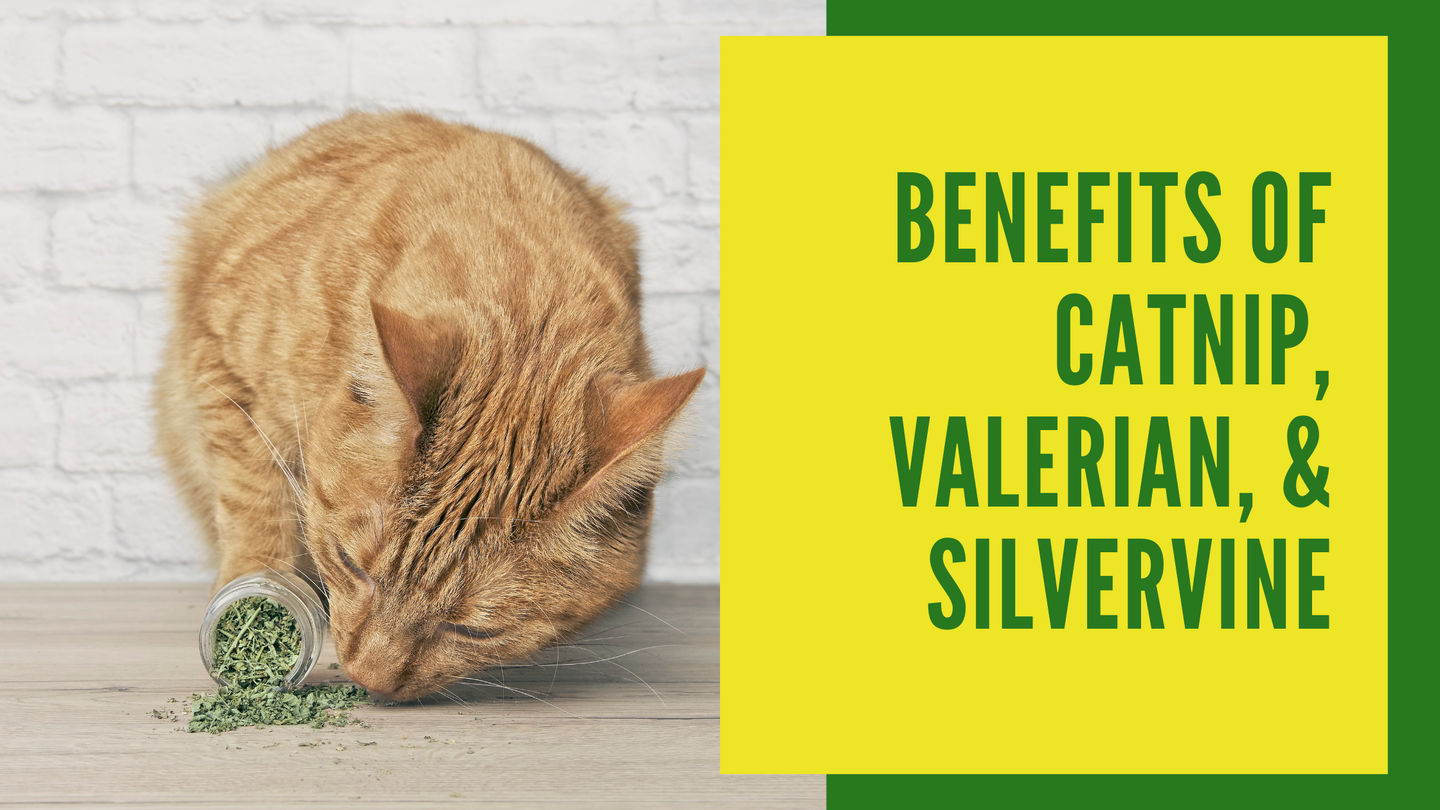
Have you noticed your cat’s favorite way to enjoy catnip? Trying different types might reveal new favorite activities and help ease anxiety.
Credit: odysseypets.com
How Catnip Affects Cats
Understanding how catnip affects cats can help you decide if it’s a good tool to ease your cat’s anxiety. The reaction cats have to catnip is unique and varies widely. Knowing what happens inside your cat’s mind and body when they encounter catnip can give you practical clues about its benefits and limits.
How Catnip Stimulates The Cat’s Brain
Catnip contains a compound called nepetalactone, which triggers sensory neurons in your cat’s nose. This stimulates areas in the brain linked to mood and behavior. You might notice your cat suddenly becoming playful, rolling around, or rubbing against objects.
This reaction usually lasts around 10 to 15 minutes. After that, your cat may lose interest and won’t respond to catnip again for a while. Have you observed how your cat’s mood shifts during these moments?
Why Some Cats Don’t React To Catnip
Not every cat responds to catnip. Around 30% to 50% of cats show little to no reaction, mostly because sensitivity to nepetalactone is inherited genetically. Kittens and older cats are less likely to respond.
So, if your cat seems indifferent, it might just be their genetic makeup. This means catnip isn’t a one-size-fits-all solution for anxiety relief.
Catnip’s Role In Reducing Anxiety
Catnip can create a temporary feeling of euphoria or calmness. This can distract your cat from stressors like loud noises or unfamiliar visitors. However, the effect is short-lived and doesn’t replace other anxiety management techniques.
Many cat owners find that catnip helps their pets relax but only when used sparingly. Have you tried timing catnip sessions to calm your cat before a stressful event?
Potential Downsides Of Using Catnip
While generally safe, overuse of catnip can cause mild digestive upset or overstimulation. Some cats may become aggressive or hyperactive instead of calm. Monitoring your cat’s reaction closely is key to ensuring it helps rather than harms.
Think about how your cat behaves after catnip—does it soothe or excite them? This insight can guide you on whether catnip is a helpful part of your cat’s routine.
Catnip’s Role In Anxiety Relief
Cats often feel anxious due to various factors in their environment. Catnip, a common herb, might help reduce this anxiety. This natural remedy has been used for years to calm cats. Let’s explore how catnip can support anxious felines.
Scientific Studies On Catnip And Anxiety
Research shows catnip contains a compound called nepetalactone. This compound affects cats’ mood and behavior. Studies suggest it can reduce stress in some cats. Researchers believe it interacts with cats’ pheromones. This interaction may trigger a calming effect. Though not all cats respond, many show reduced anxiety symptoms.
Behavioral Changes In Anxious Cats
Anxious cats often hide or act aggressively. Catnip can help modify these behaviors. After exposure, some cats appear more relaxed. They might play or explore more confidently. This change suggests a decrease in anxiety levels. Catnip may also encourage social interactions. It often helps cats feel safer and more secure.
Credit: paradepets.com
Alternatives To Catnip For Anxiety
If catnip doesn’t quite do the trick for your anxious feline friend, there are other options you can try. Anxiety in cats can stem from many sources, so having a variety of tools at your disposal is important. These alternatives can help soothe your cat in ways that catnip might not.
Herbal Remedies
Herbs like valerian root and chamomile have calming effects on some cats. Valerian root often acts like a natural sedative, helping reduce stress during thunderstorms or vet visits.
Chamomile can be brewed into a weak tea and cooled for a gentle calming effect. Always check with your vet before introducing any new herbs to ensure they’re safe for your pet.
Environmental Enrichment
Your cat’s surroundings play a huge role in how anxious they feel. Adding scratching posts, puzzle feeders, or new toys can keep their mind busy and distract from stressors.
Try rearranging furniture or creating cozy hiding spots where your cat can retreat. Have you noticed your cat relax more after exploring a new box or tunnel? Simple changes like these often make a big difference.
Veterinary Medications
If anxiety is severe, your vet might suggest medications tailored for cats. These can range from prescription calming aids to anti-anxiety drugs.
Medication isn’t a quick fix but part of a broader plan that includes behavior changes and environmental adjustments. Would you consider this option if your cat’s anxiety affects their health or happiness?
Safe Usage Of Catnip
Using catnip safely is key to helping your cat without causing any harm. While catnip can be a fun and calming herb, overuse or incorrect use might lead to unwanted effects. Understanding the right way to give catnip ensures your feline friend enjoys its benefits without stress or risks.
Recommended Dosage
Most cats respond well to small amounts of catnip. A pinch of dried catnip or a few sprays of catnip spray is usually enough to spark their interest.
Giving catnip too often can reduce its effectiveness. Try to limit use to a couple of times per week to keep your cat engaged and prevent tolerance.
Observe your cat’s reaction the first few times. Some cats might only need a tiny bit, while others enjoy more. Have you noticed how your cat reacts to different amounts?
Possible Side Effects
While catnip is generally safe, some cats may experience mild side effects if they consume too much. These can include vomiting, diarrhea, or mild hyperactivity.
If your cat shows signs of distress or unusual behavior after catnip, stop giving it and consult your vet. Not all cats react the same, so watch your pet closely.
Remember, catnip is not a solution for serious anxiety. If your cat’s anxiety persists, professional advice is the best path.
Signs Your Cat Needs Help
Cats cannot tell us when they feel scared or stressed. Watching their behavior helps to spot trouble early. Signs your cat needs help often show in how they act daily. These signs can point to anxiety or other health problems. Recognizing these signals helps you offer support or seek expert care.
Common Anxiety Symptoms
- Hiding more than usual
- Excessive grooming or licking
- Sudden changes in appetite
- Restlessness or pacing
- Increased vocalization, like meowing or yowling
- Aggression toward people or other pets
- Loss of interest in play or social interaction
- Frequent scratching or biting at themselves
- Urinating or defecating outside the litter box
When To See A Vet
Seek veterinary help if your cat shows these signs often or for days. Sudden behavior changes need a professional checkup. A vet can rule out medical issues causing anxiety-like symptoms. Persistent stress can harm your cat’s health and quality of life. Early treatment improves recovery and comfort for your pet.
Frequently Asked Questions
Does Catnip Reduce Anxiety In Cats?
Catnip can help reduce mild anxiety in cats by providing a calming effect. It stimulates their senses and promotes relaxation. However, effects vary, and it might not work for all cats or severe anxiety cases.
How Does Catnip Affect Anxious Cats?
Catnip triggers a temporary euphoria in cats, which can distract them from stress. It may help reduce anxiety symptoms like restlessness. The effect usually lasts about 10 to 15 minutes before wearing off.
Is Catnip Safe For Cats With Anxiety?
Yes, catnip is generally safe for cats when used in moderation. Avoid excessive use to prevent overstimulation or digestive upset. Always consult a vet if your cat has severe anxiety.
Can All Cats Benefit From Catnip For Anxiety?
Not all cats respond to catnip; sensitivity is genetic. About 50-75% of cats react positively. Cats under three months or older cats may not respond to catnip’s calming effects.
Conclusion
Catnip can help some cats feel calmer and less anxious. Not all cats react the same way to catnip. Some may ignore it, while others enjoy its soothing effects. Use catnip as a small part of your cat’s care routine.
Watch how your cat responds to decide if catnip works for them. Always combine it with other ways to reduce anxiety. Your cat’s comfort and happiness matter most. Try different methods and find what suits your furry friend best.

Lily Purrington is the founder of MyKittyPicks.com, a cozy corner of the web dedicated to helping cat lovers discover the best cat products, furniture, toys, and home decor ideas.
A lifelong cat enthusiast, Lily shares trusted tips, honest product recommendations, and stylish inspiration designed to keep kitties happy and homes beautiful.
Her mission is simple: to bring together practical advice and purr-fect picks that make life better for cats and the people who love them.


