
Have you ever come home to find your favorite rug soaked in cat urine? It’s frustrating, confusing, and downright unpleasant.
You might wonder, why does your cat choose rugs as their bathroom spot? Understanding the reasons behind this behavior can help you stop it for good and protect your home. You’ll discover the surprising causes and easy solutions to keep your rugs—and your sanity—intact.
Keep reading to find out what your cat is really trying to tell you.
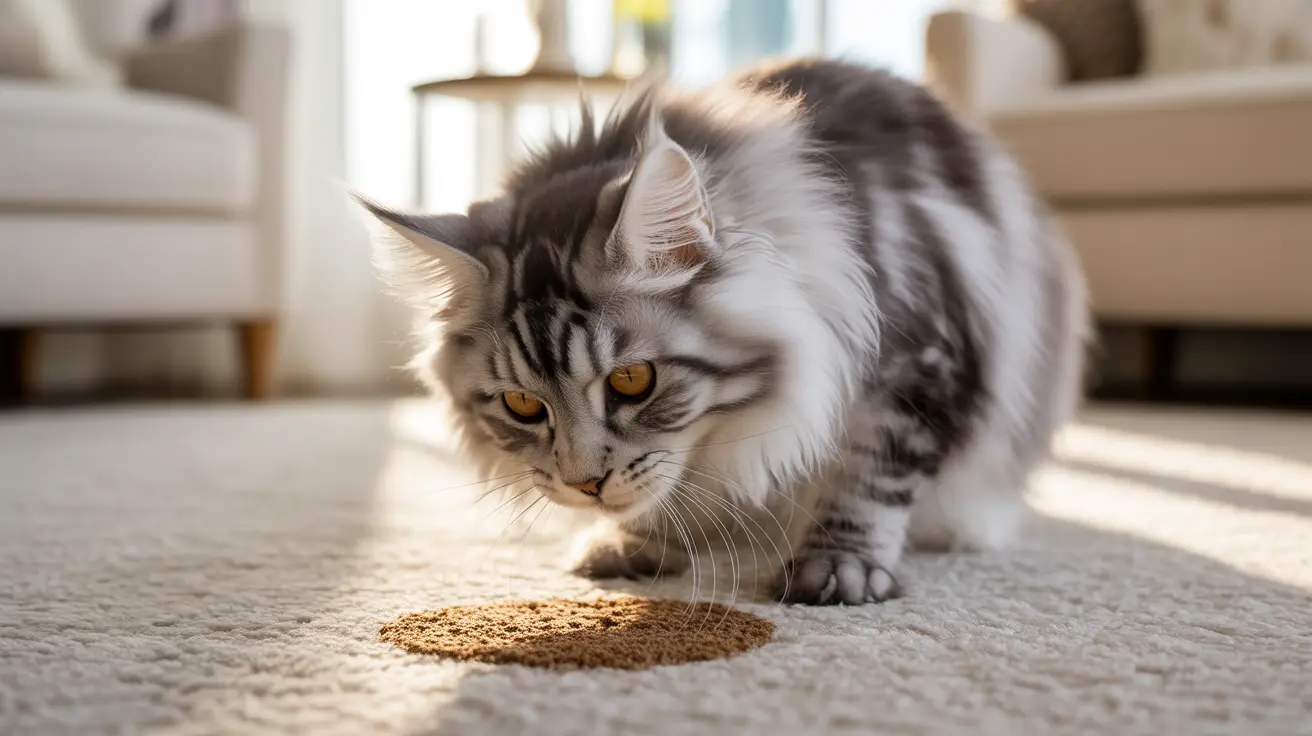
Credit: www.petscare.com
Common Causes Of Cat Urination On Rugs
Understanding why your cat urinates on rugs can be frustrating. Several common causes might explain this behavior. Identifying the root cause helps you address the issue effectively and keeps your home fresh and clean.
Medical Issues
Sometimes, urinating outside the litter box signals a health problem. Urinary tract infections, bladder stones, or kidney issues can make your cat feel urgent or painful when peeing. If your cat suddenly starts peeing on rugs, a vet visit should be your first step.
Stress And Anxiety
Cats are sensitive to changes, and stress can trigger unusual behaviors like rug urination. Loud noises, new pets, or even changes in your routine might make your cat anxious. Have you noticed your cat acting nervous or hiding before accidents happen? Reducing stress through play and comfort can help.
Territorial Marking
Urine marking is a way cats claim their space. If your cat feels threatened by other animals or even unfamiliar people, they might mark rugs to establish territory. This behavior is more common in unneutered males but can occur in any cat. Understanding this can help you manage and prevent marking.
Litter Box Problems
Your cat might reject the litter box if it’s dirty, too small, or placed in a noisy area. Sometimes, the type of litter matters; some cats prefer unscented or finer textures. Have you checked if the box is clean and accessible? Improving litter box conditions often stops rug urination quickly.
Changes In Environment
Moving to a new home, rearranging furniture, or adding new family members can confuse your cat. Rugs might feel like a safe alternative to their usual bathroom spot. Paying attention to your cat’s environment and giving them time to adjust can reduce accidents.

Credit: www.reddit.com
Behavioral Triggers Behind Rug Urination
Cats urinating on rugs is often more than just a random act. Their behavior can reveal deeper emotional or environmental triggers that push them toward this unwanted habit. Understanding these behavioral triggers helps you address the root cause and find effective solutions.
Seeking Attention
Sometimes your cat uses urination as a way to get your attention. If they feel ignored or lonely, they might choose rugs as a visible spot to express their need for interaction.
Think about moments when your cat suddenly starts this behavior. Are you spending less time with them or have there been changes in your routine? Cats quickly learn what gets a reaction from you, even if it’s negative.
Past Traumas
Past negative experiences can shape a cat’s urination habits. A cat that has been moved from one home to another or experienced stressful events might mark rugs as a way to feel secure.
This behavior acts like a coping mechanism. Your cat is trying to make an uncertain environment more familiar through scent marking.
Scent Preferences
Cats rely heavily on their sense of smell. Rugs often hold strong scents, either from you, other pets, or previous spills.
If your cat prefers certain smells, they may urinate on rugs that carry those scents to mark territory or claim ownership. Have you noticed if the rugs affected share a common odor?
Effective Solutions To Prevent Rug Urination
Understanding why cats urinate on rugs helps find effective solutions. There are several strategies to prevent this behavior. These involve checking your cat’s health, improving the litter box setup, reducing stress, using deterrents, and employing positive reinforcement.
Veterinary Checkup And Treatment
A vet checkup is crucial for detecting any health problems. Conditions like urinary tract infections can cause urination outside the litter box. A vet will provide treatments if necessary. This step is essential to ensure your cat’s well-being.
Improving Litter Box Setup
The litter box setup can greatly affect your cat’s habits. Ensure the box is clean and placed in a quiet spot. Use unscented litter, as strong smells can deter use. Provide one box per cat plus one extra. Experiment with different types of litter and box designs to find what your cat prefers.
Reducing Stress Factors
Cats are sensitive creatures, and stress can lead to urination issues. Identify and reduce stressors in your home. Changes like new pets or furniture can upset your cat. Provide a safe, quiet space for your cat to relax. Engage them in regular play to release tension.
Using Repellents And Deterrents
Repellents can deter cats from urinating on rugs. Use citrus sprays or scents that cats dislike. Place double-sided tape or aluminum foil on the rug. These surfaces feel unpleasant to cats, discouraging them from returning.
Positive Reinforcement Techniques
Positive reinforcement encourages desired behaviors. Reward your cat with treats for using the litter box. Praise them with words and affection when they behave well. Avoid punishment, as it can increase stress and worsen the problem.
Cleaning And Removing Urine Odors
Cleaning and removing urine odors from rugs is more than just a chore; it’s essential to keep your home fresh and to discourage your cat from marking the same spot again. If the smell lingers, your cat will likely return to that exact place. Tackling the odor effectively means choosing the right products and methods that break down the urine completely, not just mask the smell.
Choosing The Right Cleaners
Not all cleaners are made equal when it comes to cat urine. Many household cleaners contain ammonia, which smells similar to cat urine and can confuse your pet, encouraging them to mark again.
Look for enzymatic cleaners designed specifically for pet urine. These products contain enzymes that break down the urine molecules, removing both the stain and odor.
Always test the cleaner on a small, hidden area of the rug first to avoid discoloration or damage.
Diy Cleaning Methods
If you prefer a homemade solution, white vinegar and baking soda can work wonders. Vinegar neutralizes the ammonia smell, while baking soda absorbs lingering odors.
- Blot the urine spot with paper towels to soak up as much liquid as possible.
- Mix one part white vinegar with one part water and apply it to the stain.
- Let it sit for 5–10 minutes, then blot again.
- Sprinkle baking soda over the damp area and let it dry completely.
- Vacuum the baking soda residue thoroughly.
This method is cost-effective and uses ingredients you likely already have at home.
Preventing Recurrence
Cleaning is only half the battle. To stop your cat from returning to the same rug, you need to remove the scent completely and make the area less appealing.
Try placing aluminum foil or double-sided tape on the spot temporarily. Cats dislike the texture and will avoid stepping there.
Also, consider adding extra litter boxes or changing the type of litter. Sometimes cats urinate outside the box due to discomfort or stress.
Have you noticed any patterns in your cat’s behavior before accidents? Paying attention can help you address the root cause and protect your rugs long-term.
When To Seek Professional Help
Persistent urination on rugs can signal deeper issues. When home remedies fail, professional help is necessary. Identifying the right expert can save your cat’s well-being and your home’s cleanliness. Professionals can diagnose underlying causes and suggest effective treatments.
Behavioral Specialists
Behavioral specialists focus on your cat’s habits and environment. They analyze stress, anxiety, or changes causing the behavior. Specialists create plans to reduce triggers and improve your cat’s comfort. They use training techniques to redirect unwanted urination. These experts work closely with owners for long-term solutions.
Veterinary Behaviorists
Veterinary behaviorists are veterinarians with extra training in animal behavior. They can rule out medical problems causing urination issues. These experts combine medical knowledge with behavior therapy. They may prescribe medication if anxiety or illness affects your cat. Veterinary behaviorists offer tailored care for complex cases.

Credit: www.reddit.com
Frequently Asked Questions
Why Do Cats Prefer Urinating On Rugs?
Cats urinate on rugs due to scent marking or stress. Rugs retain their scent well, making it a favorite spot. It may also indicate litter box issues or medical problems. Understanding the cause helps prevent this behavior effectively.
Can Medical Issues Cause Cats To Urinate On Rugs?
Yes, urinary tract infections or bladder problems can cause inappropriate urination. Cats may avoid the litter box due to pain. A vet checkup is essential to rule out health issues and ensure proper treatment.
How Can Stress Lead To Cats Urinating On Rugs?
Stress from changes, new pets, or loud noises can trigger this behavior. Cats use urination to mark territory and relieve anxiety. Creating a calm environment and providing safe spaces helps reduce stress-related urination.
What Litter Box Problems Cause Cats To Urinate On Rugs?
Dirty litter boxes, wrong type of litter, or poor location can deter cats. They may seek alternative places like rugs. Regular cleaning and choosing preferred litter and spot improve litter box use and prevent accidents.
Conclusion
Cats urinate on rugs for many reasons. Stress, health problems, or marking territory can cause this behavior. Understanding why helps you fix the problem faster. Keep your cat healthy and happy by watching its habits. Clean rugs well to stop smells that attract cats back.
Try to give your cat a quiet, safe space. Patience and care make a big difference. Small changes can help your cat feel more comfortable at home.

Lily Purrington is the founder of MyKittyPicks.com, a cozy corner of the web dedicated to helping cat lovers discover the best cat products, furniture, toys, and home decor ideas.
A lifelong cat enthusiast, Lily shares trusted tips, honest product recommendations, and stylish inspiration designed to keep kitties happy and homes beautiful.
Her mission is simple: to bring together practical advice and purr-fect picks that make life better for cats and the people who love them.


