
You’ve just discovered the unmistakable smell of cat urine in your home. It’s frustrating, unpleasant, and can feel impossible to remove.
But don’t worry—you’re not alone, and there are simple, effective ways to tackle this problem. You’ll learn exactly how to get rid of cat urine for good. You’ll find easy steps to eliminate the odor, clean the stains, and prevent your cat from marking the same spot again.
Keep reading, and take control of your space once more.
Causes Of Cat Urine Marking
Understanding why your cat marks with urine is key to stopping the behavior effectively. Cat urine marking isn’t just a random act; it often signals something deeper. Identifying the root causes helps you address the problem without frustration or guesswork.
Behavioral Reasons
Cats often mark due to stress or anxiety. Changes in their environment, like moving to a new home or a new pet, can trigger this. Have you noticed your cat spraying after a loud noise or new visitors? That’s their way of coping.
Some cats mark because they feel insecure or bored. Providing more playtime and attention can sometimes reduce the urge. Think about your cat’s daily routine—could it be missing stimulation?
Medical Issues
Urine marking can also signal health problems. Urinary tract infections or bladder stones cause discomfort that might lead your cat to urinate outside the litter box. Ignoring this could worsen their condition.
If your cat suddenly starts marking, a vet visit is essential. They can rule out infections, kidney issues, or diabetes. Would you want to risk your cat’s health by assuming it’s just a behavioral problem?
Territorial Marking
Cats use urine marking to claim their territory, especially if other cats are nearby. You might see this more in multi-cat households or outdoor cats. It’s their natural way of saying, “This is mine.”
Neutering or spaying your cat often reduces territorial marking. But sometimes, even fixed cats mark if they feel threatened. Have you checked for stray cats near your home that might be causing your cat to feel defensive?

Credit: beginagaindecon.com
Immediate Cleanup Steps
Cleaning cat urine quickly stops stains and smells from setting. Act fast to protect your floors and fabrics. Immediate cleanup reduces the chance of your cat returning to the same spot.
Blotting The Urine
Use paper towels or a clean cloth to blot the wet area. Press gently to soak up as much urine as possible. Avoid rubbing, which can spread the stain. Change towels often to keep absorbing more liquid.
Avoiding Common Mistakes
- Do not use ammonia-based cleaners. They smell like urine to cats.
- Never rub or scrub harshly; it pushes urine deeper.
- Avoid hot water. It can set the stain and odor.
- Do not wait too long to clean. Old stains are harder to remove.
Effective Cleaning Solutions
Removing cat urine requires prompt action with an enzyme cleaner to break down odors. Blot the area gently and avoid rubbing to prevent spreading stains. Fresh air and proper ventilation help speed up the drying process.
Getting rid of cat urine can be a challenging task, but with effective cleaning solutions, you can eliminate the odor and stains successfully. Understanding the right products and methods to use is crucial. Let’s explore some solutions that can help you maintain a fresh-smelling home.Enzymatic Cleaners
Enzymatic cleaners are specifically designed to break down the proteins in cat urine, effectively removing the smell and preventing your cat from revisiting the same spot. These cleaners work at a molecular level, which makes them incredibly effective. Simply spray the cleaner on the affected area, let it sit for a while, and then blot it up with a clean cloth.Natural Remedies
If you prefer a more natural approach, several household items can do the trick. Baking soda is excellent for neutralizing odors. Sprinkle it on the urine spot, let it sit for a few hours, and vacuum it up. White vinegar is another great option. Mix equal parts of vinegar and water, apply it to the stain, and then wipe it clean. This not only removes the odor but also acts as a natural disinfectant.Commercial Products
There are numerous commercial products available that are specifically formulated to tackle cat urine. These products often combine multiple cleaning agents to effectively break down urine stains and odors. Look for products that are pet-safe and eco-friendly. When selecting a commercial cleaner, consider reading reviews and checking for any certifications that ensure the product’s effectiveness and safety. Have you found a product that works wonders in your home? Share your experience with others seeking a solution.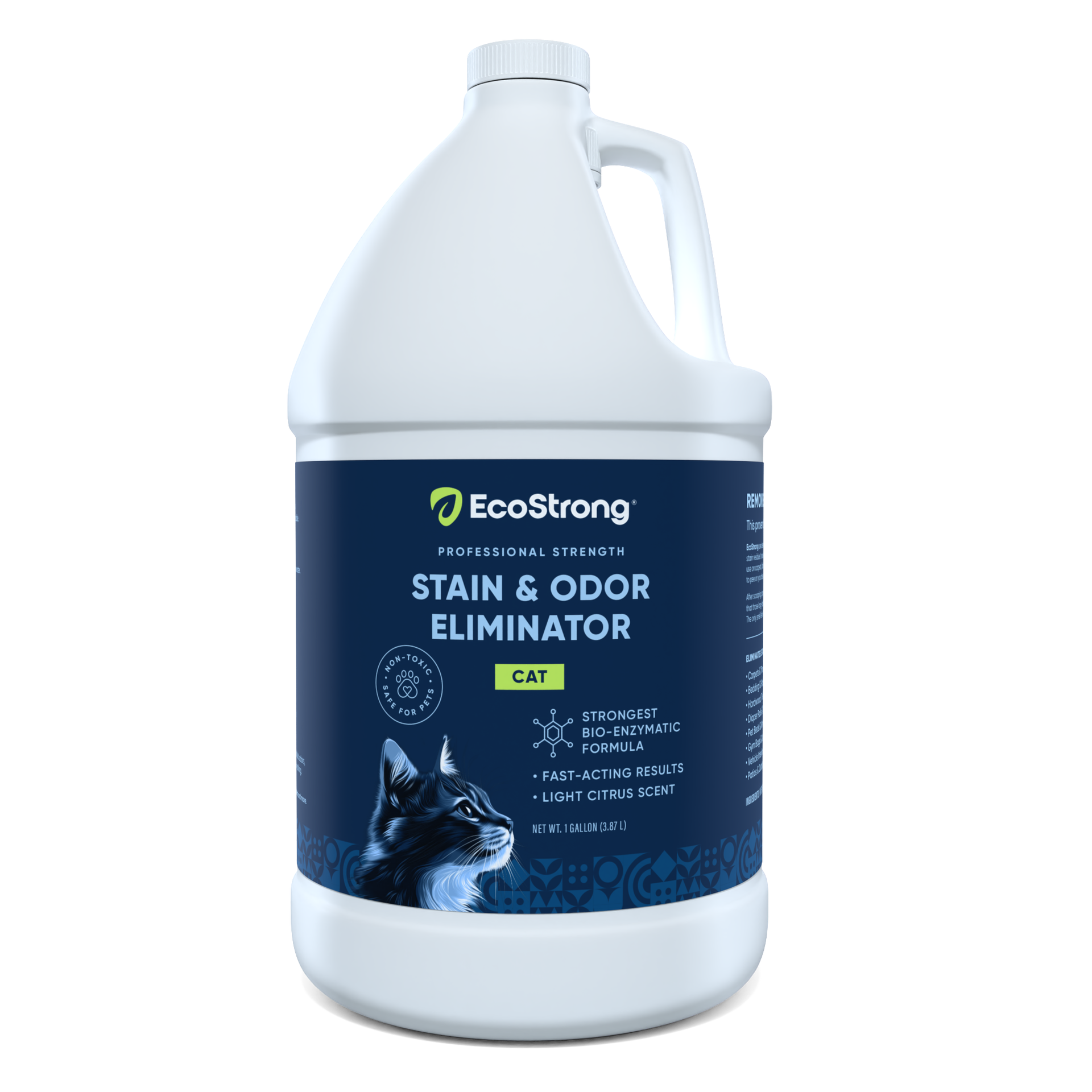
Credit: ecostrong.com
Removing Odors Completely
Removing cat urine odors completely takes more than just cleaning the surface. The smell can stay deep in fabrics, carpets, and wood. It needs special care to stop the odor from coming back. Effective odor removal means breaking down the urine at its source and stopping your cat from urinating there again.
Neutralizing Smells
Use enzymatic cleaners made for pet urine. These cleaners break down urine molecules that cause odor. Avoid ammonia-based cleaners because they can make cats urinate again in the same spot. Spray the cleaner generously and let it sit for the time stated on the label. Blot the area with a clean cloth afterward.
For hard floors, a mix of white vinegar and water also works well. Vinegar neutralizes the smell without harsh chemicals. Rinse with water and dry the area thoroughly. Repeat the process if the odor remains.
Preventing Re-marking
Cats often return to spots where they smell their urine. Stopping re-marking helps keep your home fresh. Clean the area completely to remove all urine traces. Use deterrents like citrus sprays or commercial pet repellents on cleaned spots.
Provide plenty of clean litter boxes. Cats avoid dirty boxes and may urinate elsewhere. Place boxes in quiet, accessible locations. Reward your cat for using the litter box to encourage good behavior.
Preventing Future Incidents
Preventing future cat urine accidents is key to maintaining a fresh and comfortable home. It’s not just about cleaning up after the fact but setting up an environment where your cat feels happy and secure. Let’s look at how you can manage litter boxes, train your cat’s behavior, and adjust their surroundings to stop unwanted urination before it starts.
Litter Box Management
Keeping your cat’s litter box clean is the first step. Cats are very particular about hygiene, and a dirty box can quickly turn them away.
- Clean the litter box daily to remove waste and odors.
- Use unscented, clumping litter that your cat prefers.
- Place multiple litter boxes in quiet, accessible locations—especially if you have more than one cat.
Have you noticed your cat avoiding the litter box after a bad experience? Sometimes switching the type of litter or box can make a big difference.
Behavioral Training
Training your cat to use the litter box consistently takes patience and observation. Positive reinforcement works wonders here.
- Reward your cat with treats or affection right after they use the litter box.
- Avoid punishing your cat for accidents; it can increase stress and worsen the problem.
- Observe if stress or changes in routine could be causing your cat to urinate outside the box.
I once noticed my cat started peeing outside the box after a new pet arrived. Giving her extra attention and keeping her routine steady helped her feel safe again.
Environmental Adjustments
Your cat’s environment plays a huge role in their bathroom habits. Making some simple changes can prevent accidents.
- Provide plenty of hiding spots and vertical spaces like cat trees to reduce stress.
- Keep your cat’s food and water bowls away from the litter box to avoid confusion.
- Use enzymatic cleaners on accident spots to remove lingering smells that might attract repeat behavior.
Have you thought about how noise or other pets might be stressing your cat? Sometimes a quiet corner with soft bedding is all they need to feel secure.

Credit: 4seasonsaircare.com
When To See A Veterinarian
Knowing when to see a veterinarian is crucial if your cat is urinating outside the litter box. Cat urine can signal health problems that need professional attention. Ignoring these signs may lead to serious complications for your furry friend.
Signs Of Urinary Tract Issues
Watch for changes in your cat’s bathroom habits. Frequent attempts to urinate with little success, blood in the urine, or strong odors can point to urinary tract infections or blockages.
Other warning signs include excessive licking of the genital area, crying out in pain, or hiding more than usual. If you notice any of these symptoms, your cat may be in discomfort and needs a vet’s care quickly.
Health Checks And Treatments
A veterinarian will perform a thorough health check, including urine tests and possibly X-rays, to identify the exact cause of the problem. Treatment could involve antibiotics, special diets, or even surgery, depending on the diagnosis.
Early intervention can save your cat from pain and prevent long-term damage. Have you ever caught your cat avoiding the litter box but hesitated to call the vet? Acting fast can make all the difference in your pet’s recovery.
Frequently Asked Questions
How To Effectively Remove Cat Urine Smell?
Use an enzymatic cleaner to break down urine proteins. Avoid ammonia-based products as they worsen the smell. Clean the area promptly to prevent deep stains and odors. Regularly wash affected fabrics and carpets to maintain freshness.
What Household Products Help Clean Cat Urine?
White vinegar mixed with water neutralizes urine odor well. Baking soda absorbs moisture and removes lingering smells. Hydrogen peroxide can help but test on fabric first. These remedies are safe, affordable, and commonly available at home.
Can Cat Urine Stains Be Removed From Carpets?
Yes, treat stains immediately with enzymatic cleaners for best results. Blot the urine, apply cleaner, and let it sit for 10 minutes. Rinse with water and blot dry to prevent residue buildup. Repeating may be necessary for older stains.
Why Does Cat Urine Smell Linger After Cleaning?
Improper cleaning leaves urine crystals that emit odors continuously. Using harsh chemicals can lock odors deeper into surfaces. Enzymatic cleaners break down urine molecules completely, preventing lingering smells. Thorough cleaning and ventilation are key to odor removal.
Conclusion
Getting rid of cat urine takes patience and the right steps. Clean the area quickly to stop stains and smells. Use enzyme cleaners to break down urine effectively. Avoid harsh chemicals that may harm your cat or surfaces. Keep your cat’s litter box clean to prevent accidents.
Watch your pet’s behavior for signs of stress or health problems. With care and consistency, you can keep your home fresh and odor-free. Small actions make a big difference over time. Stay calm, and your efforts will pay off.

Lily Purrington is the founder of MyKittyPicks.com, a cozy corner of the web dedicated to helping cat lovers discover the best cat products, furniture, toys, and home decor ideas.
A lifelong cat enthusiast, Lily shares trusted tips, honest product recommendations, and stylish inspiration designed to keep kitties happy and homes beautiful.
Her mission is simple: to bring together practical advice and purr-fect picks that make life better for cats and the people who love them.


