
Are you worried about how dry food might affect your cat’s kidneys? You’re not alone.
Many cat owners wonder if the crunchy kibble they feed their furry friends could be doing more harm than good. Your cat’s kidney health is crucial for a long, happy life, and what you feed them plays a big role.
You’ll discover the truth about dry food and its impact on your cat’s kidneys. Keep reading to find out what you need to know to protect your beloved pet.
Understanding Cats’ Dietary Needs
Understanding your cat’s dietary needs is essential to keeping them healthy, especially when it comes to their kidneys. Cats are obligate carnivores, which means their bodies rely heavily on nutrients found only in meat. This unique diet requirement affects how their kidneys process food and fluids.
Many cat owners wonder if dry food is suitable for their feline friends. To answer that, you need to know what cats need from their diet beyond just calories. Their kidneys play a big role in filtering waste, so what they eat directly impacts kidney health.
Essential Nutrients For Cats
Cats need a diet rich in protein and moisture. High-quality animal protein supports muscle maintenance and overall health. Unlike humans, cats don’t efficiently convert plant-based nutrients, so animal sources are crucial.
Moisture is another key factor. Cats naturally get most of their water from their food. Dry food contains very little moisture, which can lead to dehydration if your cat doesn’t drink enough water on its own.
How Diet Affects Kidney Function
The kidneys filter toxins and waste from the blood, which requires a balance of nutrients and hydration. Diets low in moisture and high in certain minerals can put extra strain on the kidneys. This strain may contribute to kidney disease over time.
Have you noticed your cat drinking more water or urinating less when eating dry food? These are signs their kidneys might be working harder. Providing food with higher moisture content can ease this burden.
The Role Of Hydration In Kidney Health
Proper hydration helps flush out toxins and keeps kidneys functioning well. Cats often don’t drink enough water, especially if they eat only dry food. Adding wet food or providing fresh water frequently can support better kidney health.
Think about your own water intake and how it affects your body. Cats are no different—they need a steady water supply to keep their organs working smoothly.

Credit: www.rawpetfood.com
Role Of Kidneys In Cat Health
The kidneys play a vital role in maintaining a cat’s overall health. These organs filter waste and toxins from the blood. They help balance fluids and electrolytes in the body. Healthy kidneys support blood pressure regulation and red blood cell production. Proper kidney function is essential for a cat’s well-being and longevity.
Any damage to the kidneys can affect these critical processes. Cats are prone to kidney issues as they age. Understanding how kidneys work helps in recognizing the impact of diet on their health.
Kidney Functions In Cats
- Removing waste products from the bloodstream
- Balancing water and minerals like sodium and potassium
- Controlling blood pressure through hormone release
- Producing hormones that stimulate red blood cell production
Signs Of Kidney Stress Or Damage
- Increased thirst and urination
- Loss of appetite and weight
- Vomiting or lethargy
- Bad breath or mouth ulcers
How Diet Affects Kidney Health
Food influences the workload of a cat’s kidneys. Diets high in certain minerals can strain the kidneys. Adequate hydration helps kidneys flush out toxins. Wet food contains more moisture, supporting kidney function. Dry food often has lower moisture and higher mineral content.
Dry Food Composition
Understanding the composition of dry cat food is essential when considering its impact on your cat’s kidneys. The ingredients and nutritional content directly influence how well your cat’s body processes the food and maintains kidney health. Let’s look closely at what goes into dry cat food and what nutrients it provides.
Ingredients In Dry Cat Food
Dry cat food mainly consists of protein sources, grains, fats, vitamins, and minerals. Common protein ingredients include chicken, fish, beef, or plant-based proteins like soy. However, some brands use fillers such as corn, wheat, or by-products, which offer little nutritional value.
Many dry foods contain preservatives and artificial additives to increase shelf life. These can sometimes stress your cat’s kidneys if consumed in large amounts over time. Have you ever checked the ingredient list closely to see what your cat is really eating?
Nutritional Content
Dry cat food typically contains around 7-12% moisture, much less than wet food. This low moisture content can affect hydration, which is crucial for kidney function. Cats eating dry food need access to plenty of fresh water to balance this out.
Protein levels in dry food usually range from 25-40%, but the quality of protein matters more than the quantity. Cats require high-quality animal proteins, as their kidneys work harder to process lower-quality or plant-based proteins.
Carbohydrates are also present in dry food, often as grains or starches. Cats don’t need many carbs, and excess amounts can contribute to kidney strain and other health problems. You might want to consider how balanced the carb content is in your cat’s diet.
Impact Of Dry Food On Cat Kidneys
Understanding how dry food affects your cat’s kidneys is crucial, especially if you want to keep your feline friend healthy for years. Cats naturally have a low thirst drive, which means they don’t always drink enough water. Since dry food contains very little moisture, it can influence kidney health in ways that you need to consider carefully.
Dehydration Risks
Dry food typically contains about 10% moisture, while wet food has around 70-80%. This big difference means cats eating dry food might not get enough water through their diet alone. If your cat isn’t drinking enough water separately, their kidneys have to work harder to concentrate urine and remove toxins.
I once noticed my cat drinking less water after switching to dry food, and it worried me. Dehydration can lead to concentrated urine, increasing the risk of kidney stones and urinary tract issues. You might want to check if your cat shows signs like lethargy or decreased appetite, which can hint at dehydration problems.
Potential Kidney Stress
The kidneys filter waste and balance fluids. When a cat consumes dry food without sufficient water intake, the kidneys face extra stress. Over time, this stress can contribute to kidney damage, especially in older cats or those with pre-existing kidney issues.
High protein and phosphorus levels in some dry foods can also add strain to the kidneys. If your cat has early kidney disease, these nutrients might accelerate kidney decline. Consider discussing with your vet about dry food options formulated with lower protein and phosphorus to ease the burden on your cat’s kidneys.
Are you monitoring your cat’s water intake along with their diet? Small changes like adding a water bowl near their feeding area or mixing a bit of water into dry food can make a big difference. Your cat’s kidneys will thank you for helping them stay hydrated and healthy.
Scientific Studies And Findings
Scientific studies have looked closely at how dry food affects cats’ kidneys. These studies provide mixed insights that can help you decide what’s best for your feline friend. Understanding both sides will give you clearer guidance on managing your cat’s diet for kidney health.
Research Supporting Concerns
Some research suggests that dry food might stress a cat’s kidneys due to its lower moisture content. Cats naturally get most of their water from their prey, and dry kibble doesn’t provide this hydration.
One study found that cats eating mostly dry food showed higher levels of kidney stress markers. These markers can indicate early kidney damage, especially in older cats or those with pre-existing conditions.
Have you noticed your cat drinking more water or urinating more frequently? These signs might hint at kidney strain linked to their diet.
Studies Showing Neutral Effects
Other research, however, shows no clear link between dry food and kidney problems. These studies argue that with proper hydration and balanced nutrition, dry food can be safe for most cats.
Some vets emphasize that kidney health depends more on overall diet quality and water intake rather than the food form alone. Cats drinking enough water alongside dry food may maintain good kidney function.
Could ensuring fresh water availability and occasional wet food meals balance your cat’s kidney health? This approach might offer the best of both worlds according to these findings.
Veterinarian Perspectives
Veterinarians often have the most direct insights into how diet affects your cat’s kidney health. Their observations come from years of treating cats with various health issues, including kidney disease. Understanding their viewpoints can help you make informed decisions about feeding your cat dry food and protecting their kidneys.
Professional Opinions
Many vets agree that dry food alone may not be ideal for cats prone to kidney problems. Cats naturally have a low thirst drive, so when they eat dry food, they might not drink enough water to compensate. This can lead to dehydration, putting extra strain on their kidneys.
However, not all dry foods are created equal. Some veterinarians point out that high-quality dry foods with balanced minerals and added moisture can be safer options. They also stress that every cat is different—some tolerate dry food better than others.
Ask yourself: How well hydrated is your cat on a dry food diet? Have you noticed any changes in their water intake or litter box habits? These questions help vets assess the impact of diet on kidney health.
Recommended Diet Plans
Veterinarians typically recommend diets that support kidney function through controlled protein, phosphorus, and sodium levels. Wet food often fits these requirements better because it naturally contains more moisture. Many vets encourage mixing wet and dry food to balance hydration and convenience.
Here are some common dietary suggestions vets provide:
- Switch to kidney-friendly wet food formulas specially designed for cats with kidney issues.
- If using dry food, choose brands with low phosphorus and high-quality protein sources.
- Increase fresh water availability and consider adding water to dry food to boost hydration.
- Regular veterinary check-ups to monitor kidney health and adjust diet as needed.
Do you monitor your cat’s kidney health regularly? Adjusting their diet early can make a big difference in their quality of life.
Alternatives To Dry Food
Looking for alternatives to dry food can be a game-changer for your cat’s kidney health. Dry food often contains less moisture, which may not be ideal for cats with kidney concerns. Switching to other options can keep your cat hydrated and support overall well-being.
Wet Food Options
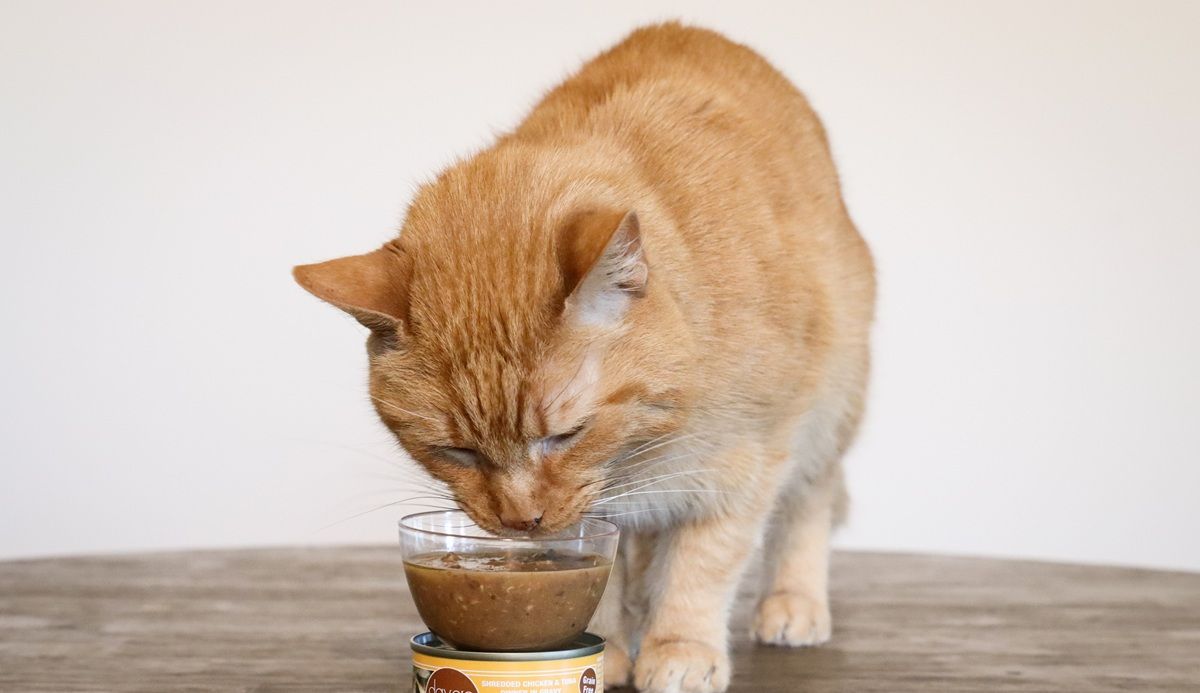
Wet food naturally contains high moisture content, which helps your cat stay hydrated. This hydration is crucial for kidney function, especially if your cat doesn’t drink enough water on its own.
Look for wet foods with quality protein sources and limited fillers. Many brands offer kidney-friendly formulas designed to reduce strain on the kidneys.
Try mixing wet food with a little water to increase fluid intake even more. Your cat might enjoy the texture and flavor changes, making mealtime more exciting.
Homemade Diets
Preparing homemade meals allows you to control the ingredients and tailor the diet to your cat’s needs. You can focus on fresh, natural foods that support kidney health.
Consult your vet or a pet nutritionist before starting a homemade diet. They can help you balance protein, phosphorus, and other nutrients essential for kidney care.
Simple recipes often include boiled chicken, pumpkin, and rice, but be mindful of portion sizes and avoid toxic ingredients. This approach can build a stronger bond with your cat while ensuring their food supports their health.
Credit: cats.com
Tips For A Balanced Cat Diet
Maintaining a balanced diet is key to supporting your cat’s kidney health. Cats need proper nutrients and enough water to keep their kidneys working well. Dry food alone might not provide everything they require. A mix of good feeding habits helps avoid kidney problems and keeps cats active and happy.
Hydration Strategies
Water is vital for cat kidney health. Cats often do not drink enough water on their own. Wet food can increase moisture intake. Some tips to boost hydration:
- Offer wet food alongside dry kibble.
- Provide fresh water in multiple bowls around the house.
- Use water fountains to encourage drinking.
- Add a little water or broth to dry food.
- Keep water bowls clean and refill daily.
Nutritional Balance
Balanced nutrition supports overall health and kidneys. Cats need a diet rich in protein but low in phosphorus. Essential nutrients include:
- High-quality animal proteins for muscle maintenance.
- Moderate fat for energy without overloading kidneys.
- Limited phosphorus to reduce kidney strain.
- Essential vitamins and minerals for body functions.
Consult with a vet to choose the right food. Avoid diets high in fillers or artificial additives. Balanced meals help cats live longer and healthier lives.
Making Informed Choices
Choosing the right food for your cat affects its kidney health. Dry food is convenient but varies in quality and ingredients. Understanding what’s inside the bag helps you avoid risks. Making informed choices means checking labels and seeking expert advice. This approach supports your cat’s well-being and kidney health.
Reading Labels
Labels reveal the food’s nutrient content and ingredients. Look for protein sources and moisture levels. Cats need high protein and low carbohydrates for kidney support. Avoid foods with too many fillers like corn or wheat. Check for added minerals like phosphorus, which can strain kidneys.
- Protein: Choose animal-based proteins like chicken or fish.
- Moisture: Dry food has less moisture; consider supplements.
- Minerals: Low phosphorus helps protect kidney function.
- Fillers: Avoid excessive grains or artificial additives.
Consulting Experts
Veterinarians understand your cat’s specific needs. They can recommend diets that protect kidneys. Experts can suggest special kidney-supporting formulas if needed. Always discuss diet changes before switching foods. Regular checkups help catch kidney issues early.
Credit: untamed.com
Frequently Asked Questions
Does Dry Food Harm Cat Kidneys?
Dry food is not inherently harmful but can stress kidneys. It contains less moisture, leading to dehydration. Cats need sufficient water intake to support kidney health. Wet food or added water helps maintain hydration and reduce kidney workload.
Can Dry Food Cause Kidney Disease In Cats?
Dry food alone does not cause kidney disease. Genetics, age, and overall diet play larger roles. However, low moisture in dry food may contribute to kidney stress, especially in older cats or those predisposed to kidney issues.
Is Wet Food Better For Cats With Kidney Problems?
Yes, wet food is better for cats with kidney issues. It provides higher moisture content, aiding hydration. Improved hydration supports kidney function and helps reduce toxin buildup in the body.
How To Keep Cat Kidneys Healthy With Dry Food?
Ensure your cat drinks plenty of water alongside dry food. Consider adding water or broth to dry kibble. Regular vet check-ups and a balanced diet help maintain kidney health effectively.
Conclusion
Dry food can affect cat kidneys if given only and in excess. Cats need enough water to keep kidneys healthy. Wet food helps increase water intake and supports kidney function. Always choose high-quality food with balanced nutrients. Regular vet check-ups catch kidney issues early.
Feeding a mix of dry and wet food works best. Pay attention to your cat’s health and diet. Keep their kidneys strong with smart feeding choices.

Lily Purrington is the founder of MyKittyPicks.com, a cozy corner of the web dedicated to helping cat lovers discover the best cat products, furniture, toys, and home decor ideas.
A lifelong cat enthusiast, Lily shares trusted tips, honest product recommendations, and stylish inspiration designed to keep kitties happy and homes beautiful.
Her mission is simple: to bring together practical advice and purr-fect picks that make life better for cats and the people who love them.


