
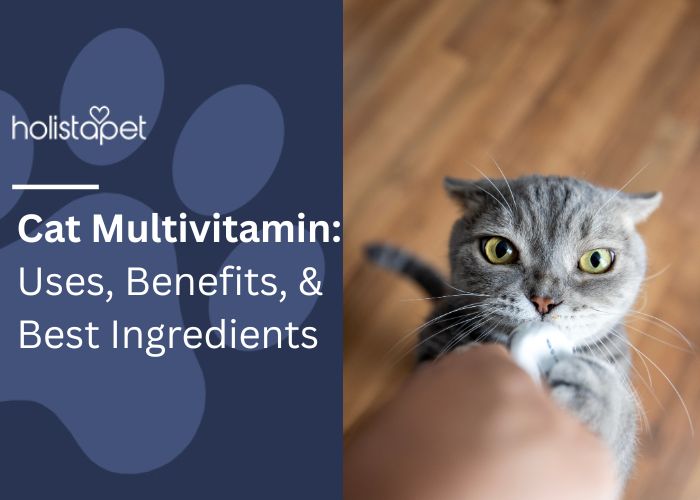
Giving your cat the right vitamins can make a huge difference in their health and happiness. But if you’ve ever tried to give your furry friend a vitamin, you know it’s not always easy.
You want to keep your cat strong, energetic, and feeling great, but how do you do that without stress or struggle? You’ll discover simple, effective ways to give your cat vitamins that actually work. Keep reading to find out how to make this important task easier for both you and your pet.

Credit: www.holistapet.com
Choosing The Right Vitamins
Choosing the right vitamins for your cat is crucial to support their overall health and well-being. Not all vitamins are created equal, and giving your cat the wrong supplements can do more harm than good. Understanding what your cat truly needs helps you make informed decisions and avoid unnecessary risks.
Essential Nutrients For Cats
Cats require specific nutrients that differ from other pets. Key vitamins and minerals include:
- Taurine:An amino acid vital for heart and eye health.
- Vitamin A:Supports vision and immune function.
- Vitamin D:Helps with calcium absorption and bone strength.
- Vitamin E:Acts as an antioxidant protecting cells.
- B Vitamins:Important for energy and metabolism.
Each nutrient plays a unique role, and deficiency in any can lead to serious health issues. Do you know which vitamins your cat’s diet might be missing?
Consulting A Veterinarian
Before adding vitamins to your cat’s diet, talk to your veterinarian. They can assess your cat’s health and recommend the right supplements if needed. Self-diagnosing could result in giving too much or too little, causing more problems.
Veterinarians might suggest blood tests to identify any nutritional gaps. This personalized approach ensures your cat gets exactly what they need. Have you ever asked your vet about vitamins during a routine checkup?

Credit: ziggyfamily.com
Understanding Your Cat’s Needs
Understanding your cat's needs is essential before adding vitamins to their diet. Each cat has unique nutritional requirements that change with age, breed, and lifestyle. Knowing these differences helps you provide the right support without overdoing it.
Age-specific Requirements
Kittens, adults, and senior cats all need different vitamins to stay healthy. Kittens require vitamins that support rapid growth and development, like vitamin A and calcium. Adult cats benefit from a balanced vitamin mix to maintain energy and organ health.
Senior cats often need supplements that aid joint health and boost the immune system, such as vitamin E and omega-3 fatty acids. Have you noticed changes in your cat’s activity or appetite? These could signal a shift in their vitamin needs. Always adjust vitamins according to your cat’s life stage.
Breed-specific Considerations
Some cat breeds have special vitamin needs due to genetic traits or common health issues. For example, Siamese cats may need extra antioxidants to protect their sensitive respiratory systems. Maine Coons often benefit from supplements that support their large bone structure and joint health.
Have you researched your cat’s breed-specific health risks? Knowing these can help you choose vitamins that target those concerns directly. Tailoring vitamins to your cat’s breed means you’re not just guessing—you’re giving them exactly what they need.
Methods For Administering Vitamins
Giving vitamins to cats can be a smooth process with the right approach. Different cats react in various ways, so having multiple methods helps. Choose a way that fits your cat’s personality and your routine. Here are some common methods for administering vitamins to cats.
Mixing With Food
Mixing vitamins with your cat’s food is the simplest way. Crush pills or open capsules and sprinkle the powder over wet food. Dry food can work but wet food masks taste better. Ensure your cat finishes the meal to get the full dose. Avoid mixing with strong-flavored foods that might repel your cat.
Using Treats
Many cats love treats, making this method effective. Some vitamin supplements come as flavored chews or treats. Hide the vitamin inside a favorite treat or use special vitamin treats. This method turns vitamin time into a rewarding experience. Watch your cat to make sure it eats the entire treat.
Direct Oral Administration
Giving vitamins directly into your cat’s mouth is sometimes necessary. Use a pill pocket or gently hold your cat’s head. Place the vitamin at the back of the tongue and softly stroke the throat to encourage swallowing. Stay calm and gentle to avoid stress. Practice helps both you and your cat get comfortable with this method.
Safety And Dosage Guidelines
Giving cats vitamins requires careful attention to safety and dosage. Too much or too little can harm your pet. Follow clear guidelines to keep your cat healthy and happy.
Recognizing Overdose Symptoms
Watch for signs of vitamin overdose in your cat. Symptoms include:
- Vomiting
- Diarrhea
- Lethargy or weakness
- Loss of appetite
- Excessive drooling
- Unusual behavior or restlessness
Seek veterinary help if you notice these symptoms. Overdose can cause serious health problems.
Following Manufacturer Instructions
Always read the label on vitamin products. Use the exact dose recommended for your cat’s weight and age.
Never give more than the suggested amount. Overdosing can harm your cat’s organs.
Store vitamins safely out of reach of your pet. Check expiration dates before use.
Monitoring Your Cat’s Health
Monitoring your cat’s health after giving vitamins is vital. It helps ensure your pet gains the benefits safely. Keep a close eye on changes in behavior, appetite, and energy levels. Watch for any unusual signs that might indicate a problem.
Signs Of Improvement
Look for increased energy and playfulness. A shiny coat often shows better nutrition. Your cat may have improved appetite and digestion. Notice if wounds or skin issues heal faster. Regular litter box use is a good sign too.
When To Seek Veterinary Advice
Contact a vet if your cat shows vomiting or diarrhea. Sudden lethargy or weakness needs immediate attention. If your cat refuses food for more than a day, act quickly. Swelling, itching, or unusual breathing are red flags. Always consult your vet before changing supplements.
Common Mistakes To Avoid
Giving vitamins to cats can improve their health, but mistakes often happen. These errors may reduce the benefits or cause harm. Knowing what to avoid helps keep your cat safe and healthy. Focus on common mistakes to make vitamin-giving easier and more effective.
Inconsistent Dosing
Giving vitamins irregularly can confuse your cat’s body. Some days might have too much, others too little. This inconsistency lowers the vitamin’s effectiveness. It may also cause side effects or nutrient imbalances.
Stick to a schedule. Give vitamins at the same time each day. Use reminders or alarms to help remember. Consistent dosing supports your cat’s health better.
Ignoring Food Labels
Many cat foods already contain vitamins and minerals. Adding extra supplements without checking labels can lead to overdosing. Too many vitamins can harm your cat’s organs or cause illness.
Always read the food label before giving vitamins. Know what nutrients your cat gets from their diet. Adjust supplements to avoid doubling up on vitamins.
Benefits Of Regular Vitamin Intake
Giving your cat regular vitamins can do more than just fill nutritional gaps. It actively supports their overall well-being and helps maintain their health over time. You might notice changes that go beyond what you expect, improving your cat’s quality of life in ways you hadn’t considered.
Improved Coat And Skin
Regular vitamin intake can make a visible difference in your cat’s coat and skin. Vitamins like Omega-3 fatty acids, Vitamin E, and biotin help reduce dryness and flakiness, making your cat’s fur shinier and softer to touch.
Have you ever run your fingers through your cat’s fur and noticed it feeling rough or dull? Adding the right vitamins can change that quickly. You’ll see fewer patches of hair loss and less itching, which means your cat feels more comfortable every day.
Enhanced Energy Levels
Vitamins play a crucial role in boosting your cat’s energy and stamina. B-complex vitamins, for example, help convert food into energy, so your cat stays active and playful for longer periods.
If you’ve observed your cat napping more than usual or lacking interest in play, it might be time to consider a vitamin boost. Increased energy not only improves their mood but also supports better physical health, helping your cat enjoy life fully.

Credit: www.amazon.ca
Frequently Asked Questions
How Do I Give Vitamins To My Cat Safely?
Give vitamins with food or treats to ensure safe intake. Avoid direct powder or pill forcing. Consult your vet for dosage and type recommendations.
What Are The Best Vitamins For Cats?
Essential vitamins include A, D, E, B-complex, and taurine. Choose supplements approved by vets. Balanced cat food often contains necessary vitamins.
Can I Give Human Vitamins To Cats?
No, human vitamins can be harmful to cats. Always use supplements made specifically for cats to avoid toxicity and health risks.
When Should I Give My Cat Vitamins?
Give vitamins when recommended by a vet, usually for health issues or deficiencies. Regular balanced diet often eliminates the need for extra vitamins.
Conclusion
Giving vitamins to your cat helps keep them healthy and happy. Choose the right vitamins based on your cat’s needs. Always follow the dosage instructions carefully. Use treats or food to make giving vitamins easier. Watch your cat’s reaction to ensure they take it well.
Regular vitamin care supports strong bones and a shiny coat. Keep your vet informed about any supplements you use. Small efforts make a big difference in your cat’s health. Simple steps can improve your cat’s life every day.

Lily Purrington is the founder of MyKittyPicks.com, a cozy corner of the web dedicated to helping cat lovers discover the best cat products, furniture, toys, and home decor ideas.
A lifelong cat enthusiast, Lily shares trusted tips, honest product recommendations, and stylish inspiration designed to keep kitties happy and homes beautiful.
Her mission is simple: to bring together practical advice and purr-fect picks that make life better for cats and the people who love them.


