
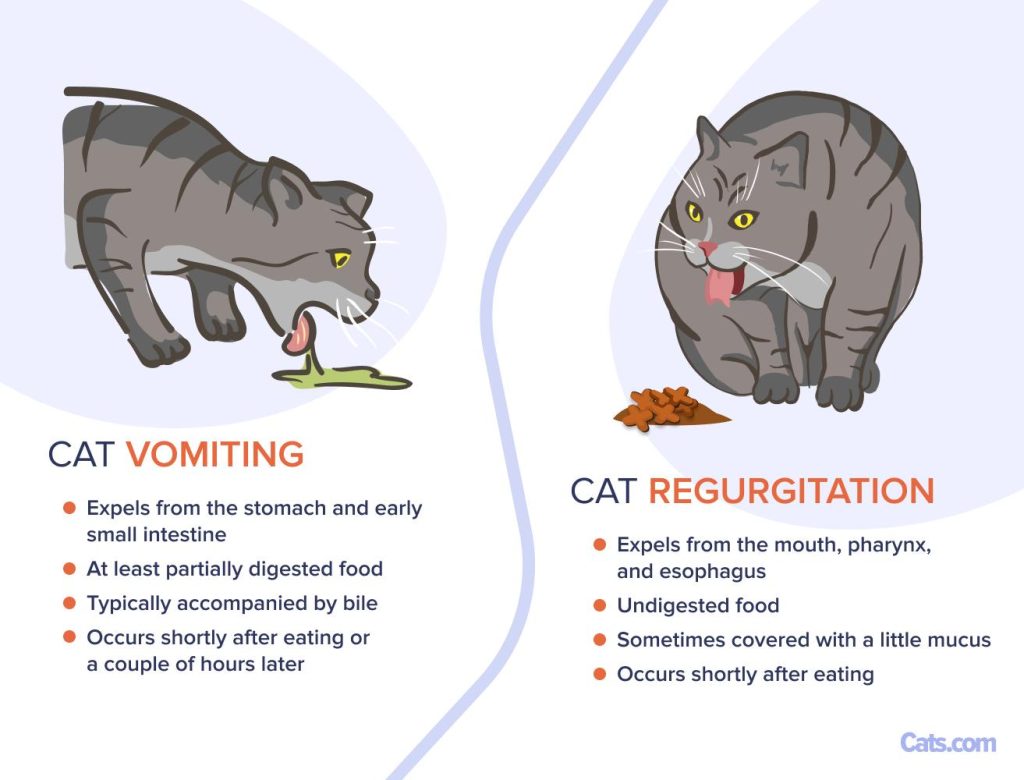
Have you ever noticed your cat suddenly throwing up food and wondered why it happens? It’s a common and worrying sight for any cat owner.
You might ask yourself if it’s something serious or just a normal part of being a cat. Understanding why your furry friend throws up can help you keep them healthy and happy. You’ll discover the surprising reasons behind this behavior and what you can do to help your cat feel better.
Keep reading—you’ll find answers that could make a big difference for your pet’s well-being.

Credit: www.youtube.com
Common Causes Of Vomiting In Cats
Vomiting in cats is a common concern that often worries pet owners. Understanding the common causes can help you decide when to seek veterinary care and when to manage the issue at home. Let’s look at some typical reasons why your feline friend might be throwing up food.
Hairballs And Grooming Habits
Cats groom themselves by licking their fur, which can lead to swallowing hair. Over time, this hair accumulates in their stomach and forms hairballs. When these hairballs irritate the stomach lining, your cat may vomit to clear them out.
If you notice frequent hairball-related vomiting, try brushing your cat regularly. This reduces the amount of loose hair they swallow and can ease the problem.
Dietary Indiscretion
Sometimes cats eat things they shouldn’t, like spoiled food, plants, or even household items. This “dietary indiscretion” often causes stomach upset and vomiting. Have you ever caught your cat nibbling on a strange object? That could explain sudden vomiting episodes.
Keeping tempting but harmful items out of reach and providing a balanced diet can help prevent these incidents.
Food Allergies And Sensitivities
Just like people, cats can develop allergies or sensitivities to certain foods. These reactions often trigger vomiting, diarrhea, or skin issues. If your cat vomits consistently after eating, consider if a particular ingredient might be the culprit.
Switching to hypoallergenic or limited-ingredient diets under your vet’s guidance can make a big difference.
Ingesting Foreign Objects
Cats are curious creatures and may swallow small objects like strings, rubber bands, or toys. These items can block the digestive tract, causing vomiting and discomfort. If your cat vomits repeatedly and shows signs of distress, this could be an emergency.
Monitor your cat’s environment and remove small objects that might be swallowed accidentally.
Gastrointestinal Disorders
Several medical issues, such as gastritis, inflammatory bowel disease, or infections, can upset your cat’s digestive system. These disorders often lead to chronic vomiting and weight loss. If your cat’s vomiting is frequent or accompanied by other symptoms, a veterinary checkup is essential.
Early diagnosis allows for targeted treatments that improve your cat’s quality of life.
Parasitic Infections
Parasites like worms can irritate the stomach and intestines, causing vomiting. Young kittens and outdoor cats are especially at risk. Regular deworming and fecal exams help keep these pests under control.
Ask your vet about the best parasite prevention plan for your cat’s lifestyle.
Stress And Anxiety
Stressful changes such as moving, new pets, or loud noises can upset your cat’s stomach. Anxiety sometimes causes vomiting as a physical response. Have you noticed your cat vomiting after a visit to the vet or during a house renovation?
Creating a calm environment and using pheromone diffusers can ease stress-related vomiting.
Identifying The Symptoms
Recognizing the symptoms of your cat throwing up food is essential to understand whether it’s a minor issue or something that needs veterinary attention. Paying close attention to specific signs helps you respond quickly and appropriately. Let’s break down what to watch for when your cat vomits.
Frequency Of Vomiting
How often your cat vomits can tell you a lot. Occasional vomiting might happen if your cat eats too fast or grooms excessively. But if vomiting occurs more than once a week, it’s a signal you shouldn’t ignore.
Ask yourself: Is your cat throwing up after every meal? Is it happening multiple times in a single day? These patterns can help you decide if a vet visit is necessary.
Appearance Of Vomit
The look of the vomit provides clues about what’s going on inside your cat’s body. Clear stomach bile or undigested food might indicate mild upset. However, the presence of blood, mucus, or unusual colors requires immediate medical attention.
Take note if the vomit contains hairballs, which are common but can sometimes cause blockages. Keeping a small photo or description can help your vet diagnose the problem faster.
Accompanying Behavioral Changes
Behavior changes often accompany physical symptoms like vomiting. Is your cat acting lethargic, refusing food, or hiding more than usual? These signs suggest discomfort or illness beyond a simple stomach upset.
Sometimes, a normally social cat becomes withdrawn after vomiting episodes. This shift can be your first hint that something deeper is affecting their health.
When To Visit The Vet
Knowing when to visit the vet can save your cat from unnecessary suffering and help catch serious problems early. Vomiting is common in cats, but not all cases require immediate medical attention. Understanding the warning signs will help you decide if your furry friend needs professional care.
Persistent Vomiting
If your cat vomits more than twice in 24 hours, it’s time to get concerned. Occasional vomiting might happen due to hairballs or eating too fast, but persistent vomiting can indicate an underlying illness. Don’t wait it out—persistent vomiting can lead to dehydration and other complications quickly.
Signs Of Dehydration
Vomiting can cause your cat to lose fluids rapidly. Watch for dry gums, sunken eyes, or lethargy as signs your cat isn’t getting enough water. If you notice any of these symptoms, visiting the vet promptly is crucial to prevent serious health risks.
Presence Of Blood
Finding blood in your cat’s vomit is a serious red flag. It can signal injuries, infections, or internal problems that need immediate attention. Don’t try to diagnose this at home—blood in vomit always warrants a vet visit.

Credit: thejeera.com
Quick Solutions For Vomiting
Vomiting in cats can be alarming, but quick and thoughtful actions often ease the problem. Understanding simple solutions can help you manage your cat’s discomfort effectively. Let’s look at some practical ways you can reduce vomiting and keep your furry friend comfortable.
Dietary Adjustments
Changing what and how your cat eats can make a big difference. Try feeding smaller, more frequent meals instead of one or two large ones. This helps prevent your cat from eating too fast, which often leads to vomiting.
Switching to a high-quality, easily digestible food can also reduce stomach upset. Some cats react to certain ingredients, so consider a limited-ingredient diet or one designed for sensitive stomachs. Have you noticed your cat vomiting after a specific meal? That could be a clue to what to avoid.
Hairball Remedies
Hairballs are a common cause of vomiting, especially in long-haired cats. Regular grooming helps remove loose fur before your cat swallows it. Using a specialized hairball remedy paste can also ease the passage of hair through the digestive system.
Adding a bit of canned pumpkin to your cat’s diet can improve digestion and reduce hairball formation. You might wonder, why do some cats get hairballs more often? It’s often linked to grooming habits and coat type, so tailor your approach accordingly.
Hydration Tips
Keeping your cat well-hydrated supports healthy digestion and can prevent vomiting. Fresh water should be available at all times, and some cats prefer running water from a fountain. Wet food also contributes to their daily water intake.
If your cat resists drinking water, try flavoring it with a little low-sodium broth or ice cubes to make it more appealing. Have you checked how much your cat drinks daily? Monitoring this can reveal if dehydration might be causing vomiting.
Creating A Stress-free Environment
Stress can upset your cat’s stomach and lead to vomiting. Make sure your cat has a quiet, comfortable space to relax. Avoid sudden changes in their routine or environment that might trigger anxiety.
Interactive play and gentle attention can help reduce stress levels. Think about your cat’s daily habits—are there any recent changes that might be causing tension? Addressing stress is often overlooked but is crucial for your cat’s overall health.
Preventive Measures
Preventive measures help reduce the chance of your cat throwing up food. Taking simple steps can keep your cat healthy and happy. Focus on care, diet, and environment to prevent vomiting issues.
Regular Vet Check-ups
Schedule vet visits at least once a year. Vets check for infections, parasites, and allergies. Early detection stops serious health problems. Vaccinations and dental care also protect your cat. Follow the vet’s advice on medication and diet changes.
Balanced Diet
Feed high-quality cat food with the right nutrients. Avoid sudden diet changes that upset the stomach. Provide small, frequent meals to prevent overeating. Make sure your cat drinks enough water daily. Monitor for food allergies or sensitivities.
Safe Home Environment
Keep your home free from toxic plants and chemicals. Remove small objects that cats can swallow. Create calm spaces to reduce stress and anxiety. Avoid exposure to spoiled food or trash. Regularly clean your cat’s feeding and water bowls.

Credit: www.youtube.com
Frequently Asked Questions
Why Do Cats Vomit After Eating Too Fast?
Cats often vomit when they eat too quickly because they swallow air along with food. This causes stomach upset and leads to vomiting. Slowing down their eating or using special bowls can help prevent this behavior and improve digestion.
Can Hairballs Cause Cats To Throw Up Food?
Yes, hairballs can irritate a cat’s stomach, causing vomiting. When cats groom, they swallow loose fur that accumulates into hairballs. These hairballs can trigger vomiting to clear the stomach and relieve discomfort.
Is Food Allergy A Reason For Cat Vomiting?
Food allergies or intolerances can cause vomiting in cats. Cats may react to certain ingredients, leading to stomach upset and vomiting. Identifying and avoiding the allergenic food can improve their health and prevent vomiting episodes.
When Should I Worry About My Cat’s Vomiting?
If your cat vomits frequently, shows lethargy, or has diarrhea, consult a vet. Persistent vomiting might indicate serious health issues like infections or organ problems. Early veterinary care ensures proper diagnosis and treatment.
Conclusion
Cats may throw up for many simple reasons. Eating too fast or eating spoiled food can upset their stomach. Sometimes, hairballs or allergies cause vomiting. Pay attention to how often your cat vomits. If it happens a lot, a vet visit is best.
Good care and a healthy diet help keep cats happy. Watching your cat closely helps catch problems early. Remember, understanding why cats throw up keeps them safe and well.

Lily Purrington is the founder of MyKittyPicks.com, a cozy corner of the web dedicated to helping cat lovers discover the best cat products, furniture, toys, and home decor ideas.
A lifelong cat enthusiast, Lily shares trusted tips, honest product recommendations, and stylish inspiration designed to keep kitties happy and homes beautiful.
Her mission is simple: to bring together practical advice and purr-fect picks that make life better for cats and the people who love them.


