
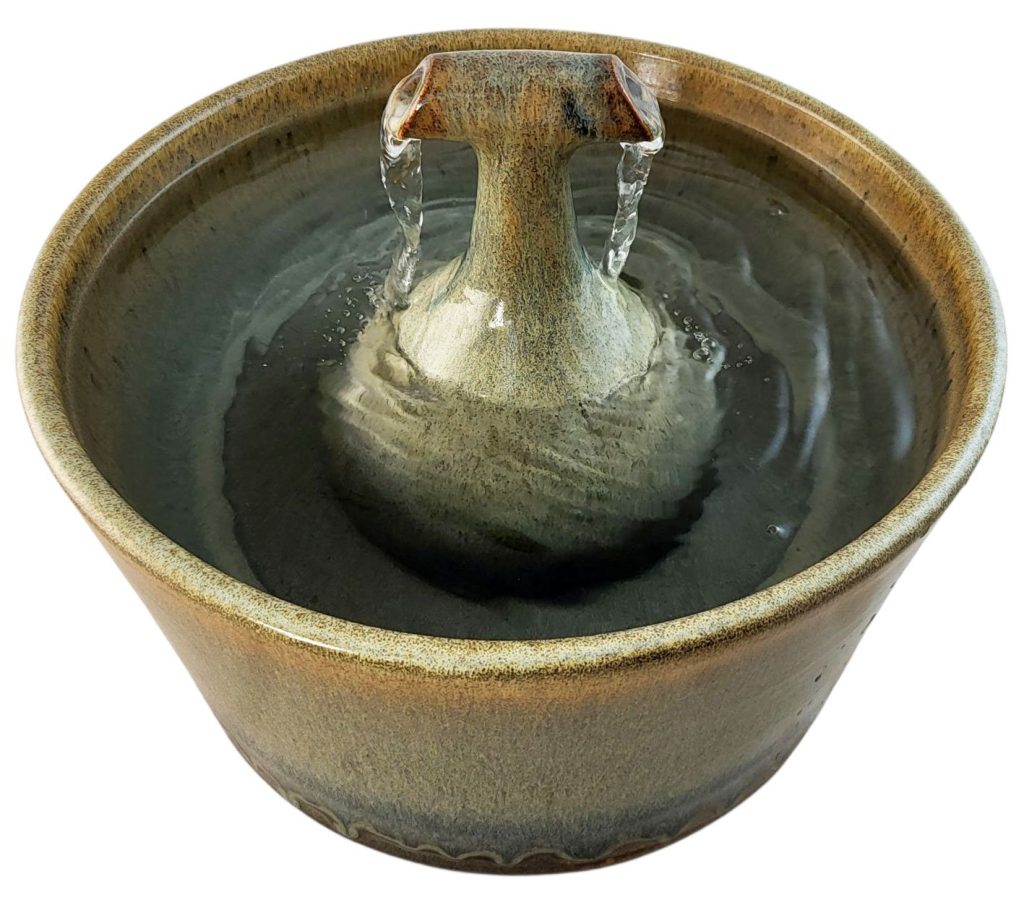
If you have a cat water fountain at home, you might wonder how often you should clean it. Keeping your cat’s water fresh and safe is more important than you think.
Dirty fountains can lead to bacteria build-up, which can harm your furry friend’s health. You want to make sure your cat always drinks clean water, but how often is enough? You’ll discover the simple cleaning routine that keeps your cat’s water fountain sparkling and your pet happy.
Keep reading to find out the best tips and tricks that will make caring for your cat’s fountain easy and stress-free.
Importance Of Clean Water For Cats
Clean water is vital for a cat’s health and happiness. Cats need fresh water to stay hydrated and active. Dirty water can cause health issues and make cats drink less. A clean water fountain encourages cats to drink more often.
Water fountains provide moving water, which many cats prefer. But if the water is not clean, the benefits disappear. Regular cleaning helps keep water fresh and safe. It also prevents bacteria and mold build-up that can harm your pet.
Health Benefits Of Fresh Water
Fresh water supports kidney function and digestion. It helps prevent urinary tract infections. Clean water reduces the risk of illnesses caused by germs.
How Dirty Water Affects Cats
- Causes stomach upset and infections
- Discourages cats from drinking enough
- Leads to dehydration and related problems
Signs Your Cat Needs Cleaner Water
- Less drinking or avoiding the fountain
- Bad smell or slimy buildup in the fountain
- Changes in behavior or health issues
Keeping Water Safe With Regular Cleaning
Cleaning the fountain removes dirt, hair, and bacteria. It keeps water clear and fresh. A clean fountain ensures your cat enjoys drinking water daily.

Credit: catit.us
Factors Affecting Cleaning Frequency
Cleaning your cat's water fountain regularly keeps the water fresh and safe. But how often you need to clean it depends on several factors. Understanding these can help you maintain the fountain without overdoing it or risking your cat’s health.
Type Of Water Fountain
Different fountains have different designs and materials. Some have filters that trap debris and need changing often. Others have more complex parts that can collect slime or bacteria faster.
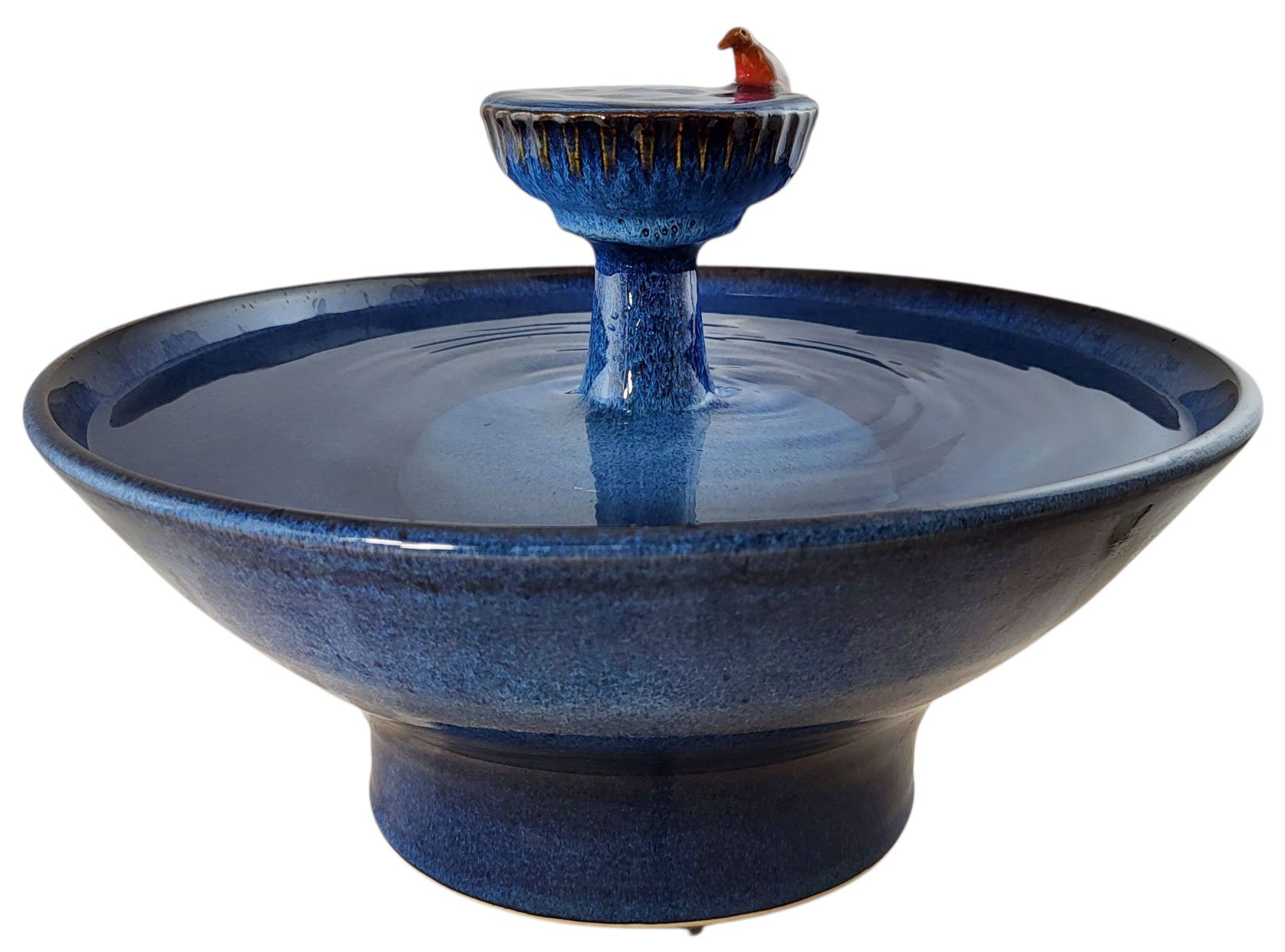
If your fountain has a filter, check it weekly and replace it as recommended. Plastic fountains might need more frequent cleaning because they can develop scratches where bacteria hide. Stainless steel or ceramic fountains usually stay cleaner longer but still need regular attention.
Number Of Cats Using The Fountain
More cats mean more water consumption and more saliva and dirt entering the fountain. This speeds up the need for cleaning. If you have multiple cats, you might find yourself cleaning the fountain every few days.
I noticed that when I added a second cat, I had to clean the fountain twice as often. It’s a small effort to prevent health problems like urinary infections. Think about how many cats share the fountain and adjust your cleaning schedule accordingly.
Location And Environment
Where you place the fountain affects how dirty it gets. If it’s near a food bowl, it can get food crumbs mixed in. Outdoor fountains or those in dusty rooms collect dirt faster.
In warmer areas, water can spoil quicker, requiring more frequent cleaning. Keep the fountain away from direct sunlight to slow bacteria growth. You might need to clean it more often if your environment is humid or dusty.
Signs Your Cat’s Water Fountain Needs Cleaning
Knowing when to clean your cat's water fountain keeps your pet healthy. Dirty fountains can cause illness or discourage your cat from drinking water. Watch for clear signs that show your fountain needs cleaning soon.
Odor And Discoloration
Bad smells from the fountain mean bacteria have grown. Water should smell fresh, not musty or sour. Also, check the water color. Cloudy or yellow water means it is dirty and needs cleaning.
Visible Debris Or Slime
Look inside the fountain for floating dirt or hair. A slimy film on the edges or inside parts shows algae or germs. This slime can harm your cat’s health and should be cleaned away quickly.
Decreased Water Flow
If water flow slows down or stops, the fountain parts may be clogged. Blockages can come from dirt, hair, or mineral buildup. Poor flow reduces fresh water and signals a need for cleaning.

Credit: www.petscare.com
Recommended Cleaning Schedule
Keeping your cat’s water fountain clean is essential for their health and happiness. A clear schedule helps you stay on track and ensures the water stays fresh. Let’s break down what you should do daily versus weekly to maintain your pet’s favorite hydration spot.
Daily Maintenance
Rinsing the fountain daily prevents buildup and keeps your cat’s water fresh. You should:
- Empty leftover water and refill with fresh, clean water.
- Wipe down the fountain’s surface with a clean cloth to remove debris.
- Check for any visible dirt or slime, especially around the pump area.
These small tasks only take a few minutes but make a big difference. Have you noticed how your cat drinks more eagerly when the water looks inviting?
Weekly Deep Cleaning
Once a week, a thorough cleaning is necessary to prevent bacteria and algae growth. Follow these steps:
- Disassemble the fountain according to the manufacturer’s instructions.
- Soak all parts (except electrical components) in warm, soapy water.
- Use a soft brush to scrub the pump, tubing, and any hard-to-reach areas.
- Rinse everything thoroughly to remove soap residue.
- Dry parts before reassembling and refilling with fresh water.
Taking this extra time weekly ensures the fountain stays hygienic. Have you checked your pump for hidden buildup lately?
Essential Cleaning Supplies
Keeping your cat’s water fountain clean needs the right supplies. These tools help remove dirt and keep the water fresh. Clean water means a healthy cat and fewer health problems.
Use safe and effective items made for pet care. This way, your cat drinks clean water every day. Below are the must-have cleaning supplies for your cat’s fountain.
Non-toxic Cleaners
Choose cleaners that are safe for pets and free from harsh chemicals. Avoid bleach or anything with strong scents. Vinegar and mild dish soap work well. These cleaners remove bacteria and slime without harming your cat.
Brushes And Scrubbers
Soft brushes help scrub hard-to-reach areas inside the fountain. Use small brushes to clean tubes and corners. A sponge or cloth can clean the outer parts. Make sure to rinse everything thoroughly to remove soap.
Replacement Filters
Filters trap dirt and hair, keeping water clean longer. Replace filters as the manufacturer advises, usually every 2 to 4 weeks. Using fresh filters helps prevent bad smells and keeps water tasting good for your cat.
Credit: thirstycatfountains.com
Step-by-step Cleaning Guide
Cleaning your cat’s water fountain regularly keeps the water fresh and safe. A clean fountain helps avoid bacteria and mold build-up. Follow this step-by-step guide to maintain your cat’s fountain easily.
Disassembling The Fountain
Unplug the fountain from the power source. Remove the water reservoir carefully. Take apart the pump and any filters. Handle all parts gently to avoid damage.
Cleaning Each Component
Use warm water and mild soap to clean all pieces. Scrub the reservoir, pump, and filters with a soft brush. Rinse everything thoroughly to remove soap residue. Avoid harsh cleaners that can harm your cat.
Reassembling And Testing
Put the fountain parts back together in the right order. Fill the reservoir with fresh water. Plug the fountain in and check that the water flows properly. Make sure there are no leaks or strange noises.
Tips For Maintaining Fresh Water
Keeping your cat’s water fountain clean ensures your pet drinks fresh, safe water. Regular care helps prevent bacteria buildup and keeps the water tasty. Follow these tips to maintain fresh water in your cat’s fountain.
Regular Filter Replacement
Change the filter as recommended by the manufacturer. Filters trap dirt, hair, and impurities. A clogged filter reduces water flow and cleanliness. Replace filters every 2 to 4 weeks or sooner if dirty.
Monitoring Water Levels
Check water levels daily. Low water can damage the pump and reduce filtration. Keep the fountain filled to the proper level. Clean water encourages your cat to drink more.
Using Filtered Or Distilled Water
Use filtered or distilled water for the fountain. Tap water may contain chemicals and minerals. These can cause buildup inside the fountain. Cleaner water keeps the fountain working well longer.
Common Mistakes To Avoid
Keeping your cat’s water fountain clean is essential for their health and happiness. However, many pet owners unknowingly make mistakes that reduce the fountain’s effectiveness and can even harm their furry friends. Avoiding these common errors will make your cleaning routine easier and more effective.
Neglecting Filter Changes
Filters trap debris and keep water fresh, but they don’t last forever. Waiting too long to replace them can cause clogging and bacterial buildup. If you don’t change the filter regularly, your cat might stop drinking because the water tastes or smells bad.
Mark a calendar or set reminders for filter changes. Your cat’s health depends on fresh water, so don’t let a dirty filter ruin that. How often do you check your fountain’s filter?
Using Harsh Chemicals
It’s tempting to use strong cleaners to remove tough grime, but harsh chemicals can leave harmful residues. These residues might irritate your cat’s mouth or stomach when they drink. Stick to mild soap and warm water for cleaning.
If you ever feel unsure about a cleaning product, test it on a small area first or rinse the fountain multiple times. Your cat’s safety is worth the extra effort.
Overlooking Hard-to-reach Areas
Cat water fountains have nooks and crannies where dirt and slime hide. Ignoring these spots can allow bacteria to grow and foul the water. Take time to dismantle the fountain and clean every part thoroughly.
Use a small brush or cotton swabs to reach tight corners. Have you checked those hidden spots lately? They might surprise you with how dirty they’ve become.
Frequently Asked Questions
How Often Should I Clean My Cat Water Fountain?
You should clean your cat water fountain at least once a week. Frequent cleaning prevents bacteria buildup and keeps water fresh. If multiple cats use it, consider cleaning twice a week to maintain hygiene and ensure your cat stays healthy and hydrated.
Can I Use Vinegar To Clean A Cat Water Fountain?
Yes, white vinegar is an effective natural cleaner for cat water fountains. It helps remove mineral deposits and kills bacteria. Use a diluted vinegar solution, rinse thoroughly, and ensure no residue remains before refilling the fountain with fresh water.
What Happens If I Don’t Clean The Water Fountain Regularly?
Not cleaning the water fountain regularly can lead to harmful bacteria growth. This may cause your cat to get sick or avoid drinking water. Dirty fountains also develop bad odors and clogged pumps, reducing the fountain’s efficiency and lifespan.
Is It Safe To Use Soap When Cleaning The Fountain?
Mild, unscented dish soap is safe for cleaning cat water fountains. Avoid strong or scented soaps as they can leave harmful residues. Always rinse the fountain thoroughly to ensure no soap traces remain before refilling with fresh water.
Conclusion
Keeping your cat’s water fountain clean helps keep your pet healthy. Clean the fountain at least once a week to stop bacteria build-up. Rinse and scrub all parts carefully. Fresh water encourages your cat to drink more. This can improve their overall well-being.
A clean fountain also lasts longer and works better. Small efforts make a big difference for your cat’s health. Regular cleaning is simple and worth the time. Your cat will thank you with happy, healthy days.

Lily Purrington is the founder of MyKittyPicks.com, a cozy corner of the web dedicated to helping cat lovers discover the best cat products, furniture, toys, and home decor ideas.
A lifelong cat enthusiast, Lily shares trusted tips, honest product recommendations, and stylish inspiration designed to keep kitties happy and homes beautiful.
Her mission is simple: to bring together practical advice and purr-fect picks that make life better for cats and the people who love them.


