
If you have a cat, you want to keep them safe and clean. But what happens when you run out of pet shampoo and wonder, “Is dish soap safe for cats?” You might think it’s a quick fix, but using the wrong product can harm your furry friend.
Before you make a decision, it’s important to know the facts. Keep reading to discover the truth about dish soap and your cat’s health—because your pet deserves the best care possible.
Credit: catcuddlezone.com
Common Ingredients In Dish Soap
Dish soap is a household staple, but its ingredients might raise concerns when it comes to your cat’s safety. Understanding what goes into dish soap helps you make informed choices about using it around your furry friend. Let’s look closely at the common components found in dish soap and why they matter for your cat’s health.
Surfactants
Surfactants are the main cleaning agents in dish soap. They break down grease and grime, making dishes sparkle. However, these chemicals can irritate your cat’s skin and eyes if they come into contact with them.
Some surfactants are milder, but many contain harsh detergents like sodium lauryl sulfate. If your cat licks a surface cleaned with dish soap, these substances might upset their stomach or cause other health issues.
Fragrances And Dyes
Fragrances and dyes give dish soap its pleasant smell and color. While they make the soap appealing to humans, these additives can be harmful to cats. Cats have sensitive noses and skin, and strong scents may cause allergic reactions or respiratory problems.
Even if the soap seems harmless, your cat might avoid areas cleaned with strongly scented products. Do you want your home to smell fresh but also be safe for your pet? Choosing fragrance-free options can help balance both needs.
Preservatives
Preservatives keep dish soap from spoiling over time. Common preservatives include methylisothiazolinone and parabens. These chemicals can sometimes trigger allergic reactions in cats, especially if they have pre-existing sensitivities.
While preservatives protect the soap’s quality, they can also introduce risks if your cat is exposed repeatedly. It’s worth checking product labels to avoid soaps with unnecessary or questionable preservatives.
Ph Adjusters
Dish soaps often contain pH adjusters to maintain a stable formula. Ingredients like citric acid or sodium hydroxide balance the soap’s acidity or alkalinity. These substances can be harsh for your cat’s skin, potentially causing dryness or irritation.
When cleaning areas your cat frequents, consider rinsing thoroughly to remove any residue. This simple step reduces the chance of your pet coming into contact with harmful pH adjusters.
Potential Risks For Cats
Dish soap might seem harmless, but it can pose risks to cats. Their skin and bodies react differently than humans. Understanding these risks helps keep pets safe. Avoid using dish soap without knowing its effects on cats.
Skin Irritation
Dish soap can strip natural oils from a cat’s skin. This causes dryness, redness, and itching. Sensitive skin may develop rashes or sores. Prolonged exposure worsens irritation and discomfort for cats.
Ingestion Hazards
Cats may lick their fur after dish soap contact. Swallowing soap leads to stomach upset and vomiting. Some soaps contain harmful chemicals that can poison cats. Immediate veterinary care is crucial if ingestion occurs.
Allergic Reactions
Some cats have allergies to soap ingredients. Signs include swelling, hives, and breathing trouble. Allergic reactions can be mild or severe. Quick action is necessary to prevent health complications.
Signs Of Soap Toxicity In Cats
Soap toxicity in cats can cause serious health problems. Cats are sensitive to many chemicals found in dish soaps. Recognizing early signs can help protect your pet and get fast treatment. Watch closely for any unusual behavior or physical issues after exposure.
Behavioral Changes
- Increased restlessness or agitation
- Hiding or avoiding contact
- Excessive licking or grooming
- Loss of appetite or refusal to eat
- Weakness or lack of energy
- Unusual vocalizations like meowing or crying
Physical Symptoms
- Redness or swelling around the mouth or skin
- Vomiting or diarrhea
- Coughing or difficulty breathing
- Foaming at the mouth
- Excessive drooling
- Tremors or seizures in severe cases
Safe Alternatives For Cleaning Cats
Cleaning your cat is a delicate task that demands safe and gentle products. Using dish soap might seem like a quick fix, but it can harm your feline friend’s skin and coat. Instead, there are safer alternatives designed specifically to keep your cat clean without causing irritation or dryness.
Cat-specific Shampoos
Cat-specific shampoos are formulated with ingredients that suit your cat’s sensitive skin. They maintain the natural oils in the fur, preventing dryness and itchiness. You’ll find options for different needs, such as flea control, moisturizing, or hypoallergenic formulas.
These shampoos often have a mild scent that won’t overwhelm your cat’s sensitive nose. Have you noticed how your cat reacts to strong smells? Choosing a cat shampoo with a gentle fragrance can make bath time less stressful.
Diy Natural Solutions
If you prefer a homemade approach, simple natural solutions can be effective and safe. A mix of water and a small amount of apple cider vinegar can help remove odors and dirt without stripping oils. Another option is a diluted oatmeal bath, which soothes irritated skin.
Before applying any DIY solution, test a small patch on your cat’s skin to check for reactions. Remember, natural doesn’t always mean safe for pets, so use caution and observe your cat’s behavior closely during and after cleaning.
Emergency Steps If Soap Exposure Occurs
Soap exposure can be harmful to cats. Acting quickly can reduce risks and keep your pet safe. Knowing the right emergency steps helps you respond calmly and effectively. Here are the key actions to take after your cat comes into contact with dish soap.
Immediate Actions
- Remove your cat from the soap area to prevent more contact.
- Check for soap on fur, paws, and mouth.
- Use lukewarm water to rinse the soap off thoroughly.
- Gently wash the affected area with water only; avoid using other soaps.
- Keep your cat warm and calm during rinsing and drying.
- Do not make your cat vomit or give any home remedies without advice.
When To Contact A Veterinarian
- Contact a vet if your cat shows signs of vomiting or diarrhea.
- Call a vet if your cat has trouble breathing or coughing.
- Seek help if you see excessive drooling or pawing at the mouth.
- Look out for lethargy or weakness that lasts more than a few minutes.
- Call a vet if skin irritation or redness worsens after washing.
- Ask for immediate advice if your cat swallowed a large amount of soap.
Credit: www.petscare.com
Expert Opinions On Dish Soap Use
Experts have varied views on using dish soap for cleaning cats. While some see it as a quick fix for removing fleas or dirt, others warn about potential risks. Understanding their perspectives helps you make a safer choice for your pet.
Veterinarians’ Stance On Dish Soap Use
Most veterinarians advise caution when using dish soap on cats. The chemicals in common dish soaps can irritate your cat’s skin and eyes. However, vets sometimes recommend specific mild soaps, like Dawn, for flea removal because it effectively breaks down oils that fleas cling to.
Still, vets stress that dish soap should never replace veterinary-approved shampoos. They highlight the importance of rinsing thoroughly to avoid leftover soap that might cause dryness or discomfort. Would you risk your cat’s skin health for a quick clean?
Animal Behaviorists’ Perspective
Animal behaviorists focus on how dish soap baths affect your cat’s stress levels. Bathing a cat with dish soap can be highly stressful and frightening, especially if the soap causes skin irritation. They recommend minimizing bath frequency and using gentle, cat-specific products.
Many suggest alternative flea treatments that don’t require bathing, reducing trauma for your pet. If you’ve tried using dish soap on your cat, have you noticed changes in their behavior afterward?
Pet Groomers’ Recommendations
Professional pet groomers often avoid dish soap unless it’s an emergency. They prefer shampoos formulated for cats, which balance cleaning power and skin safety. Groomers point out that dish soap can strip natural oils, leaving fur dry and brittle.
When clients ask about dish soap, groomers share personal stories about cats reacting badly to home remedies. Their advice: save dish soap for dishes, not your cat’s bath. How often do you consider professional grooming advice when caring for your pet?
Preventative Measures For Pet Owners
Keeping your cat safe from harmful substances like dish soap starts long before an accidental spill. Preventative measures help you avoid emergencies and protect your furry friend’s health every day. Taking simple steps around your home and staying alert to your pet’s well-being makes a big difference.
Proper Storage Of Cleaning Products
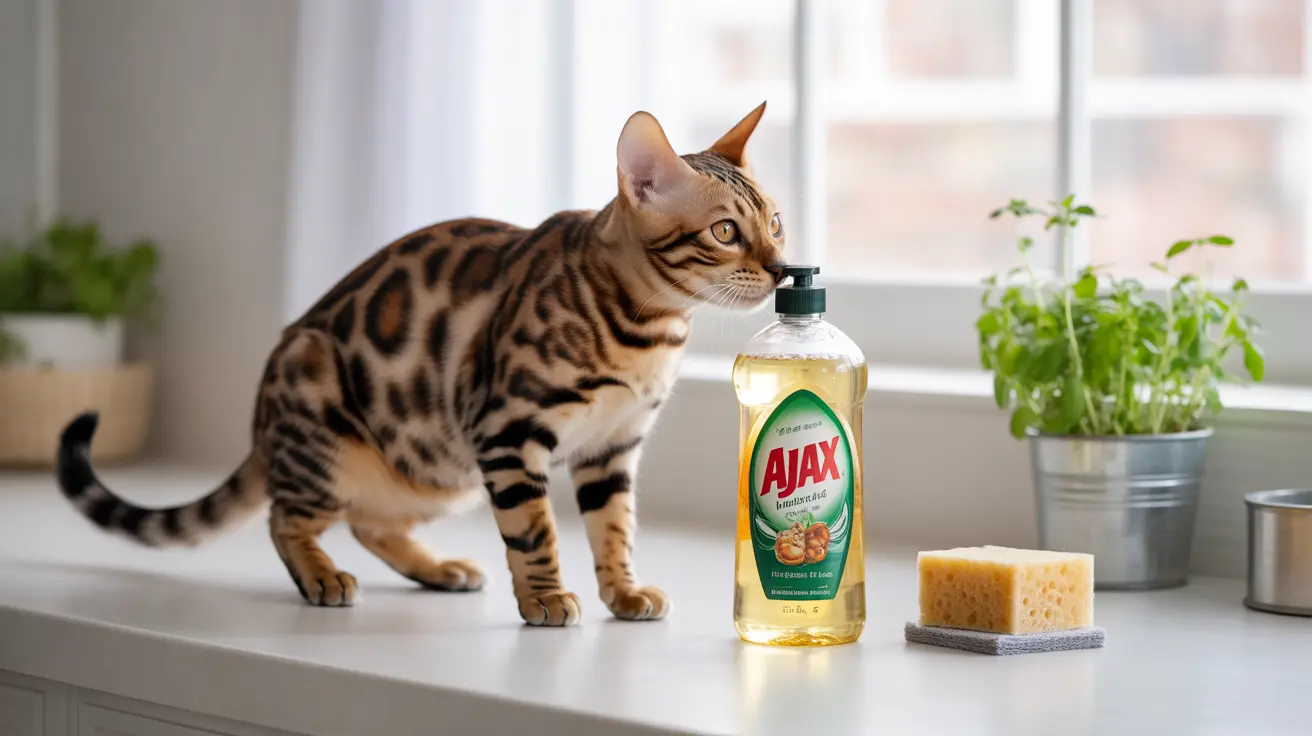
Always store dish soap and other cleaning products where your cat cannot reach them. High shelves or locked cabinets work well. Even a small amount of dish soap can irritate your cat’s skin or digestive system if ingested or contacted.
Think about areas where you often use cleaning supplies. Is there a chance your cat might jump onto a counter or shelf nearby? If yes, consider moving those items to a safer spot. Using childproof locks on cabinets can add an extra layer of security.
Have you ever noticed your cat curious about bottles or containers? Cats love investigating new smells and textures. Keeping these products out of sight reduces temptation and the risk of accidental exposure.
Routine Health Check-ups
Regular vet visits are essential for spotting any signs of poisoning or irritation early. Your vet can check for symptoms you might miss, like subtle changes in behavior or skin condition.
During check-ups, mention any cleaning products you use around the house. Vets can advise on safer alternatives or emergency steps if your cat comes into contact with dish soap. This conversation might save your cat’s life one day.
Have you noticed your cat grooming more than usual or acting restless? These could be early signs of discomfort from exposure to irritants. Routine check-ups help catch these issues before they become serious problems.

Credit: www.petscare.com
Frequently Asked Questions
Is Dish Soap Toxic To Cats If Ingested?
Dish soap can be mildly toxic if ingested by cats. It may cause vomiting or diarrhea. However, small amounts usually cause no serious harm. Always contact a vet if your cat swallows dish soap.
Can Dish Soap Harm My Cat’s Skin?
Dish soap can irritate a cat’s sensitive skin. It may cause dryness or redness. Use pet-safe shampoos instead for bathing cats. Avoid dish soap to protect their skin health.
How To Safely Clean My Cat With Dish Soap?
Avoid using dish soap to clean your cat. It can strip natural oils and cause irritation. Use only cat-specific shampoos recommended by veterinarians for safe cleaning.
What To Do If Dish Soap Gets In My Cat’s Eyes?
Rinse your cat’s eyes immediately with lukewarm water if dish soap gets in them. Contact your vet if redness or discomfort persists. Prompt action reduces irritation and prevents damage.
Conclusion
Dish soap is not safe for cats to use regularly. It can irritate their skin and harm their health. Only use soap made specifically for cats or pet-safe shampoos. Always check product labels before bathing your cat. Keep dish soap far away from your pet.
Remember, a cat’s skin is very sensitive. Protect your furry friend by choosing gentle, safe cleaning options. Caring for your cat means using the right products every time. Simple steps keep your pet healthy and happy. Trust safe methods for a clean and comfortable cat.

Lily Purrington is the founder of MyKittyPicks.com, a cozy corner of the web dedicated to helping cat lovers discover the best cat products, furniture, toys, and home decor ideas.
A lifelong cat enthusiast, Lily shares trusted tips, honest product recommendations, and stylish inspiration designed to keep kitties happy and homes beautiful.
Her mission is simple: to bring together practical advice and purr-fect picks that make life better for cats and the people who love them.


